

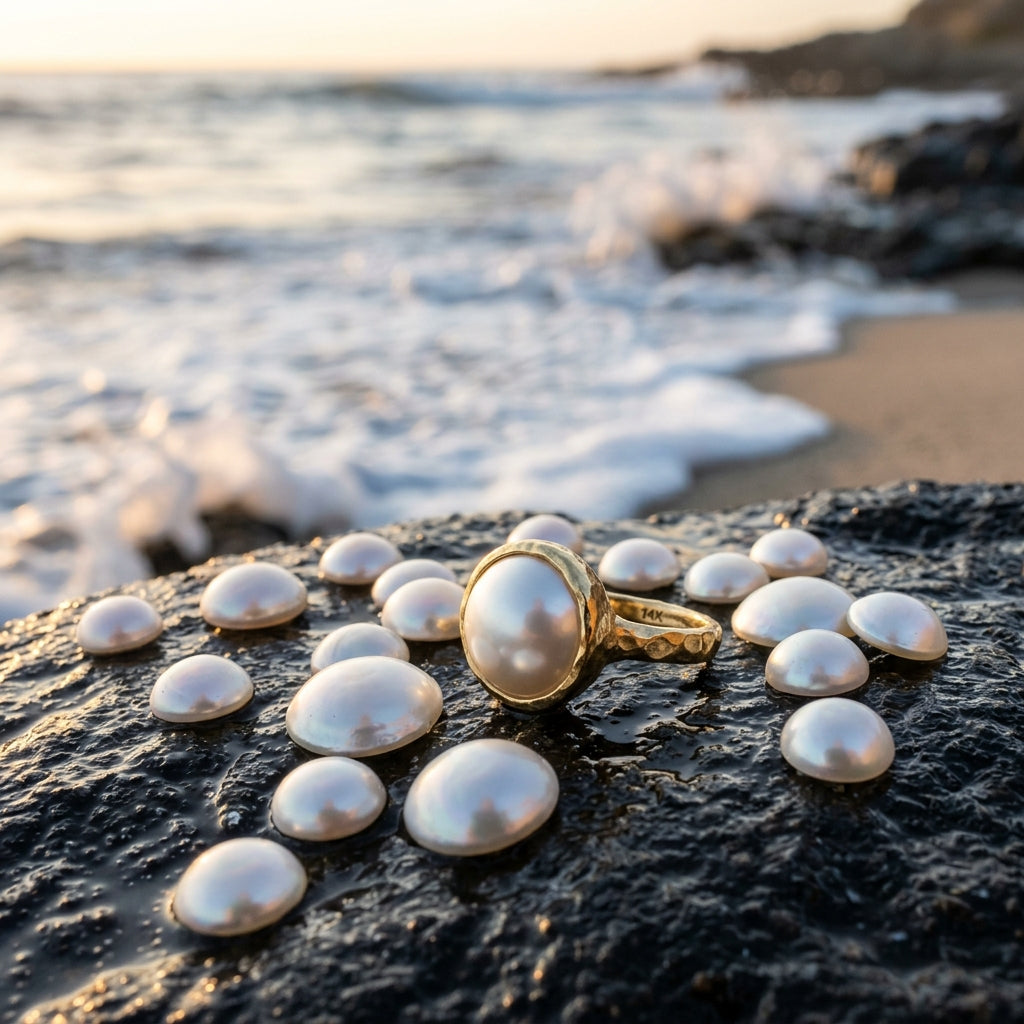
Grown directly against the oyster shell, a mabe pearl is a flat-backed, half-dome cultured pearl designed for maximum scale. Discover how this unique composite gem delivers a massive architectural ...
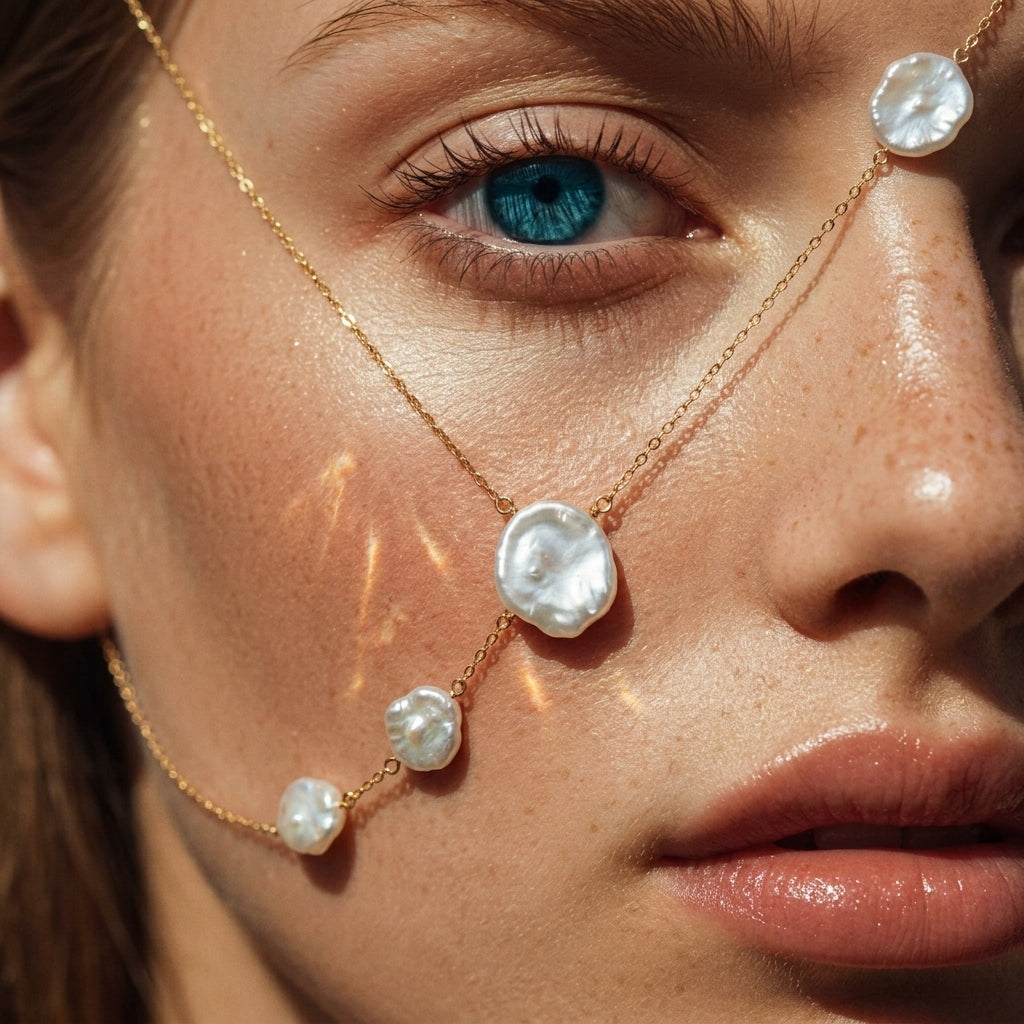
A cultured keshi pearl is formed entirely of solid nacre when a host oyster rejects its implanted bead. Without a central nucleus, these pearls develop extraordinary, mirror-like luster and distinc...
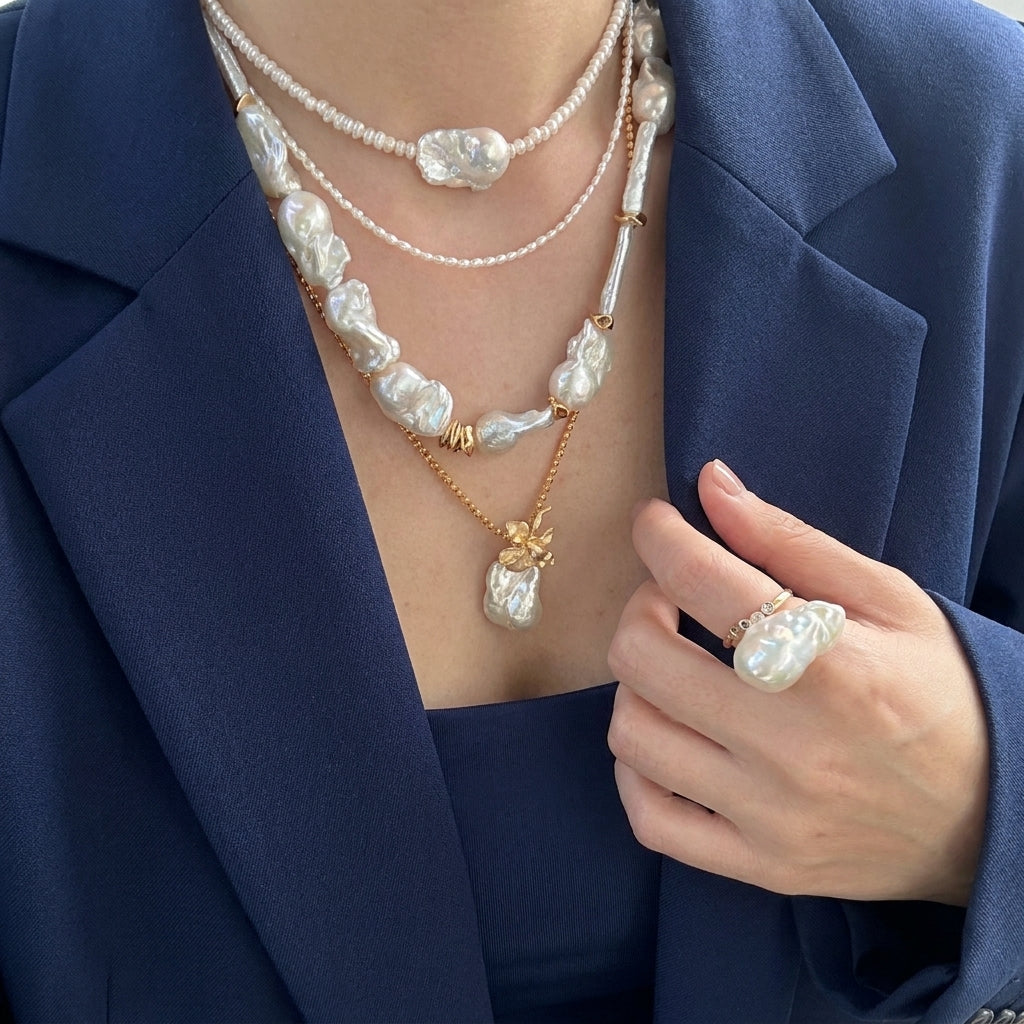
Baroque pearls are cultured pearls that form with an irregular, asymmetrical shape rather than a perfect sphere. Discover the distinct structural sub-shapes, from drops to coins, and learn why mode...
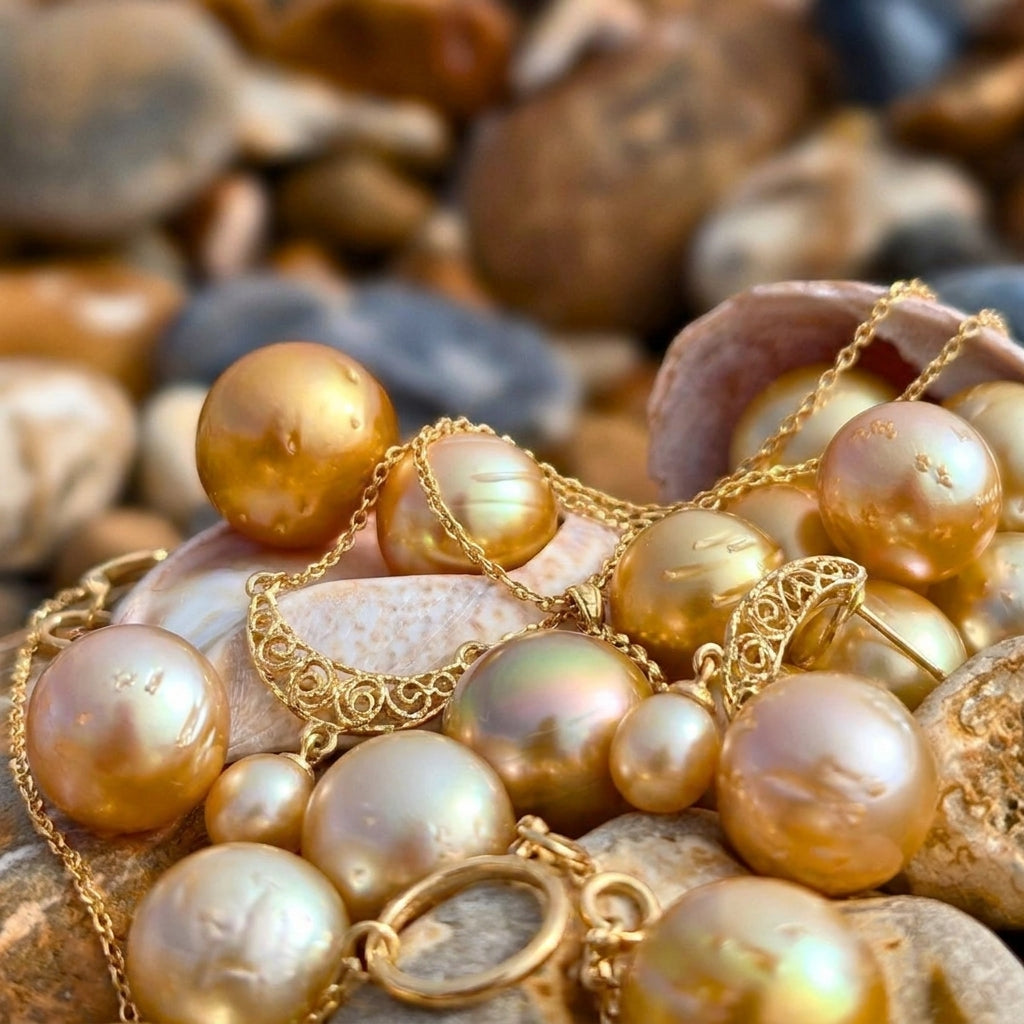
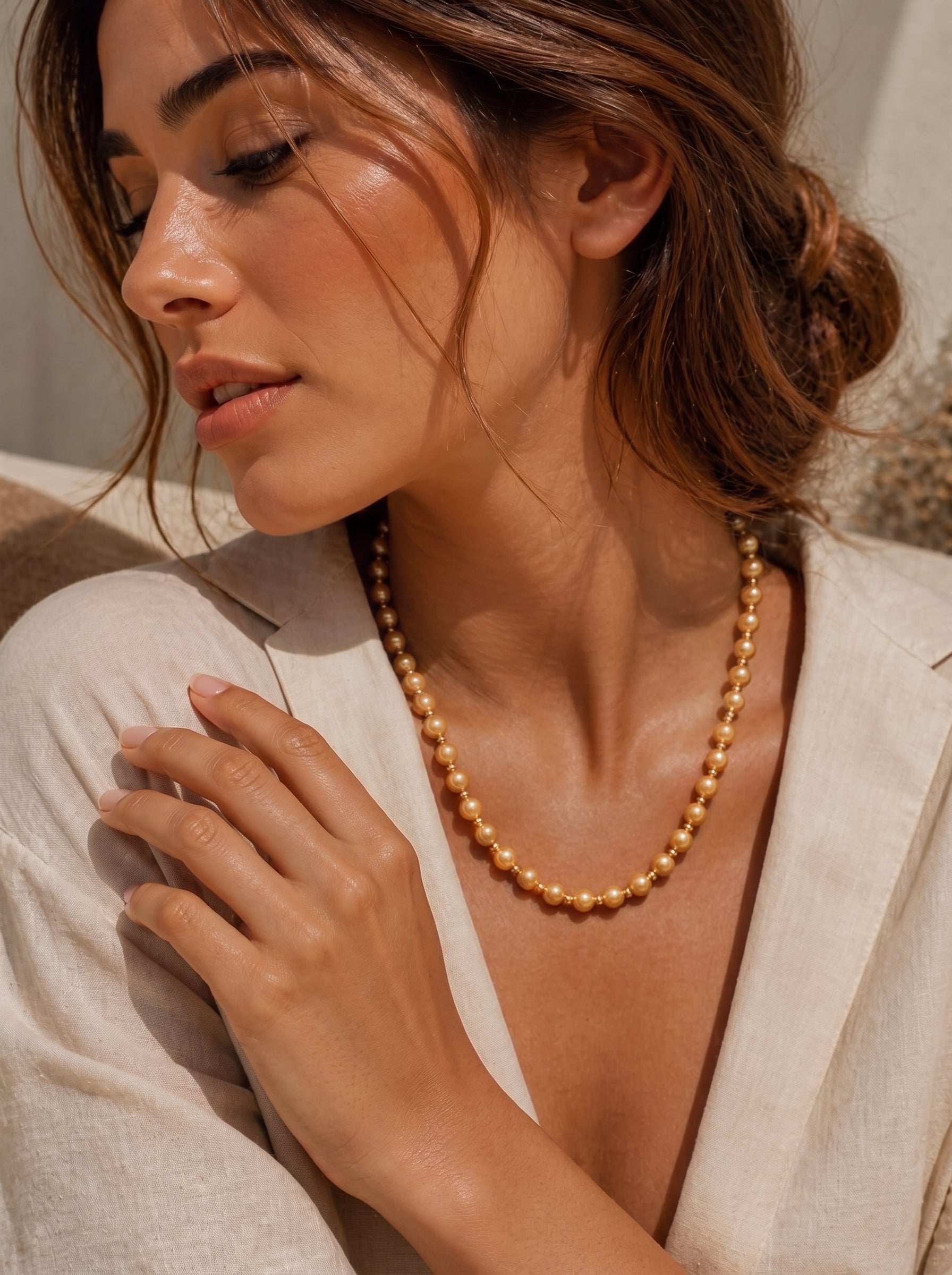
Cultured South Sea pearls are the largest and rarest variety on the commercial jewelry market. Discover why their unique biological growth inside the massive Pinctada maxima oyster drives an expone...
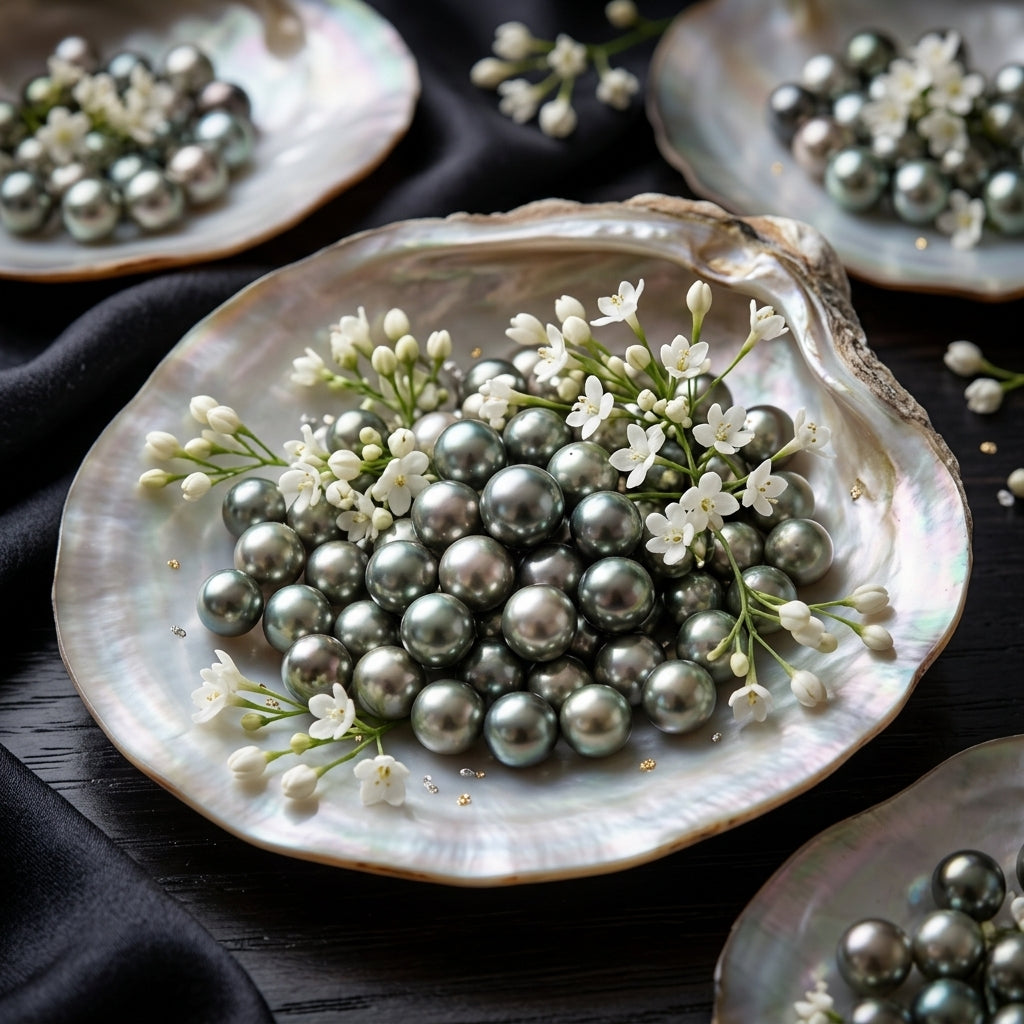
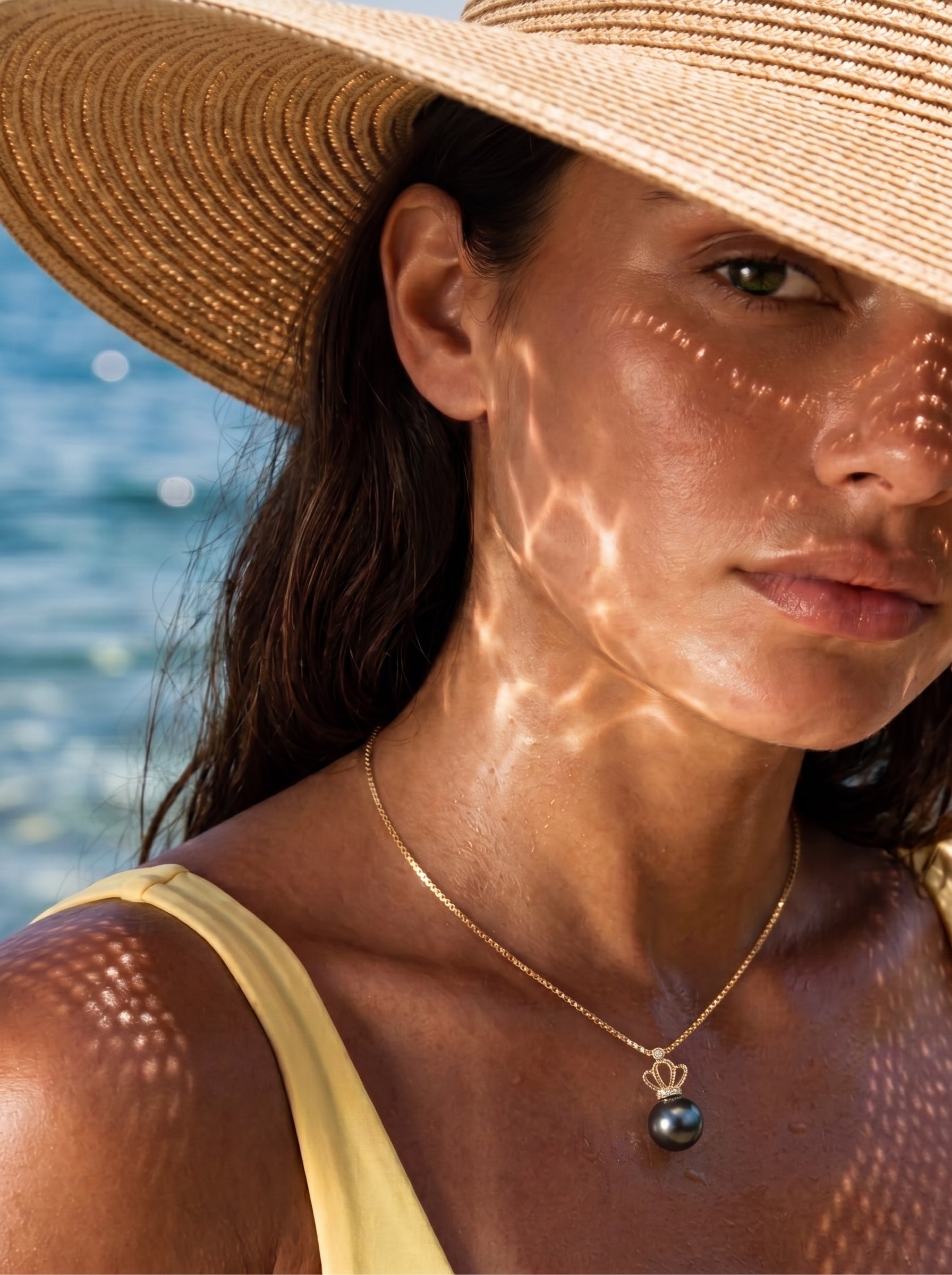
Tahitian pearls are almost never truly black. From iridescent peacock to rare aubergine and pistachio, discover the true natural overtones of French Polynesian cultured pearls, what each shade is w...
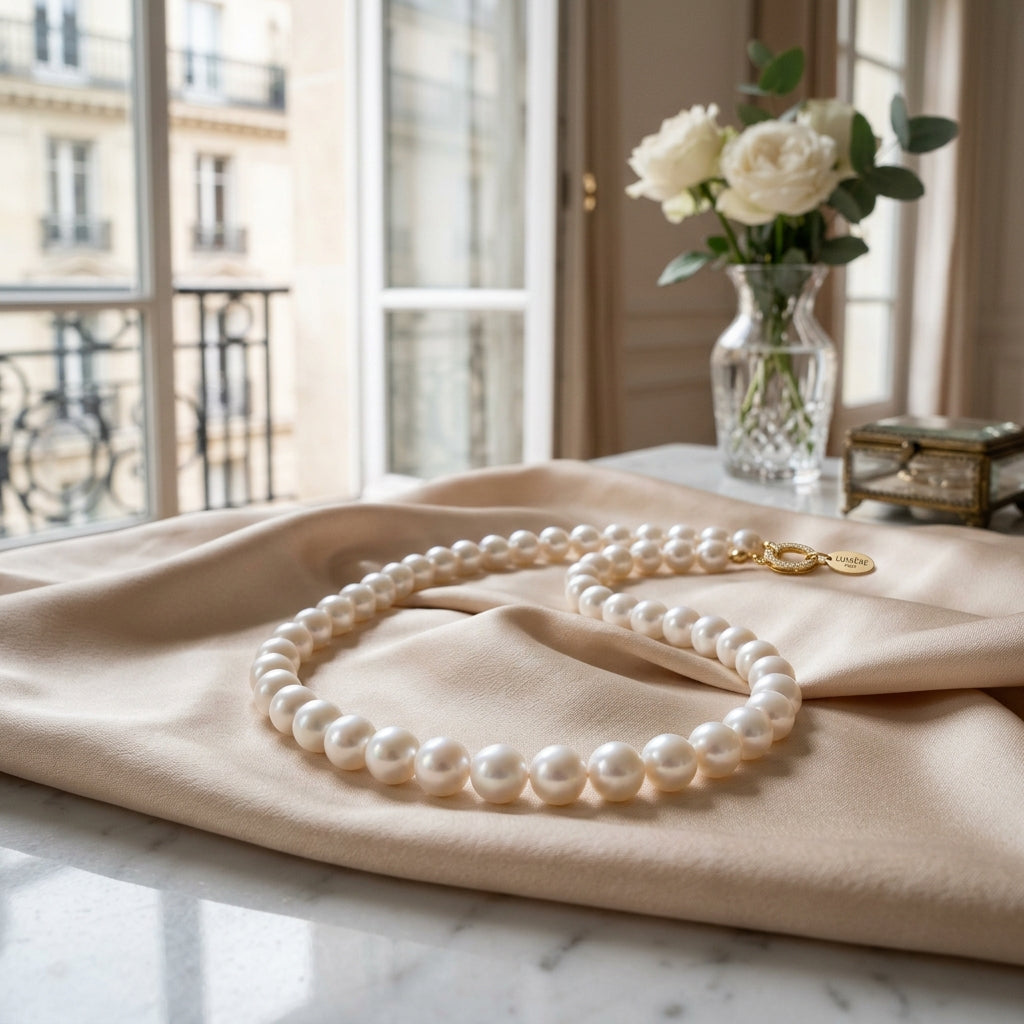
Cultured freshwater pearls are real organic gems produced by freshwater mussels in lakes, rivers, and ponds. Unlike bead-nucleated saltwater varieties, mantle-tissue nucleated cultured freshwater p...
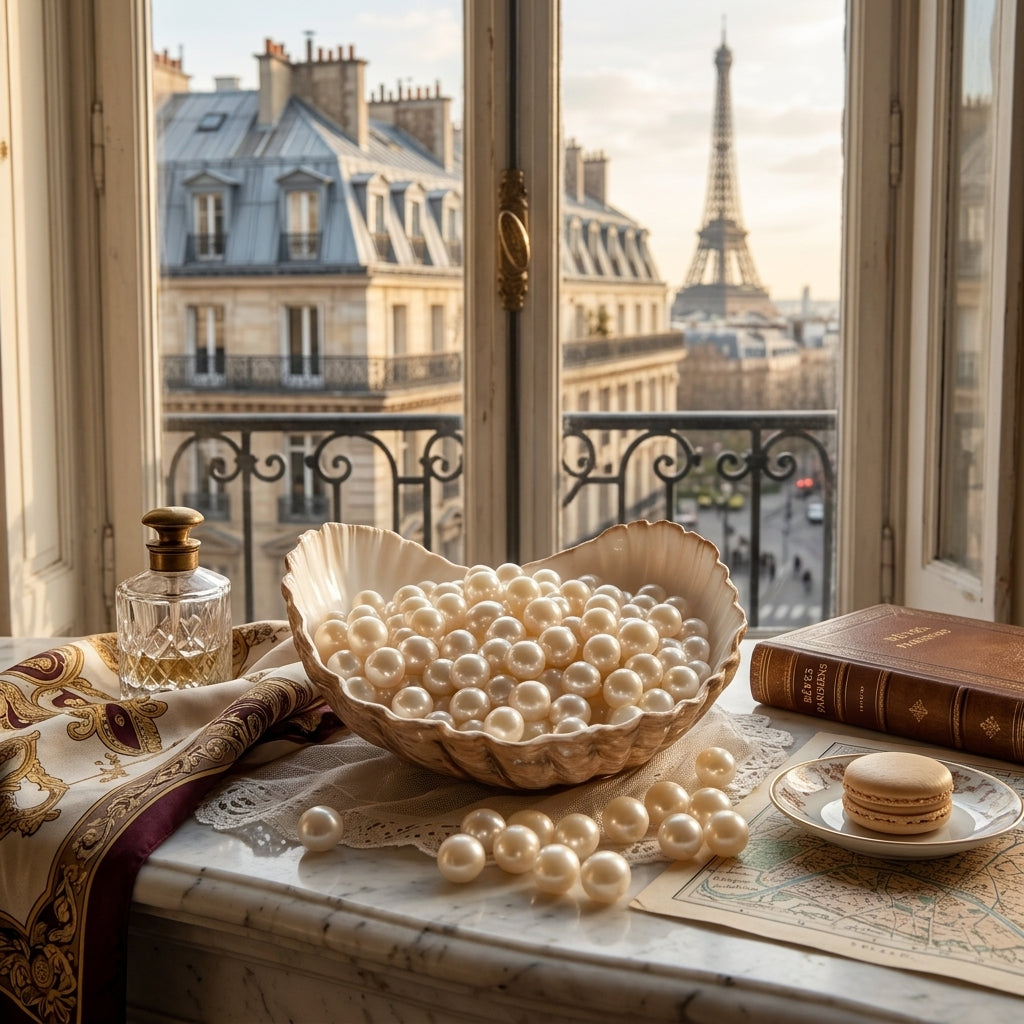
Akoya pearls aren't the biggest pearl, they're the sharpest. Here's the oyster that grows them, the size that dominates the market, what Hanadama certification actually guarantees, and what a real ...
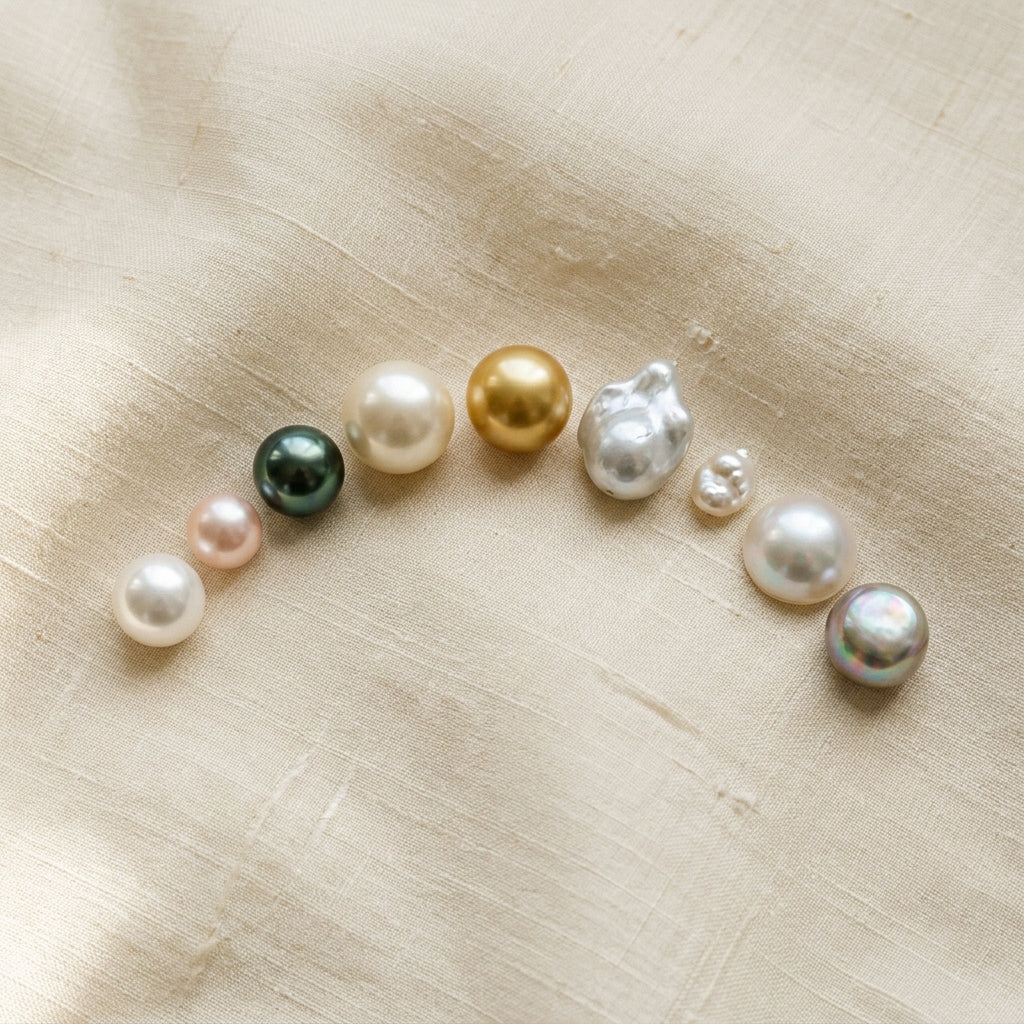
Nine types of pearls, one straight answer on price. From $25 mother-of-pearl beads to $10,000 golden South Sea strands, here's what each type actually costs, where it comes from, and which one suit...
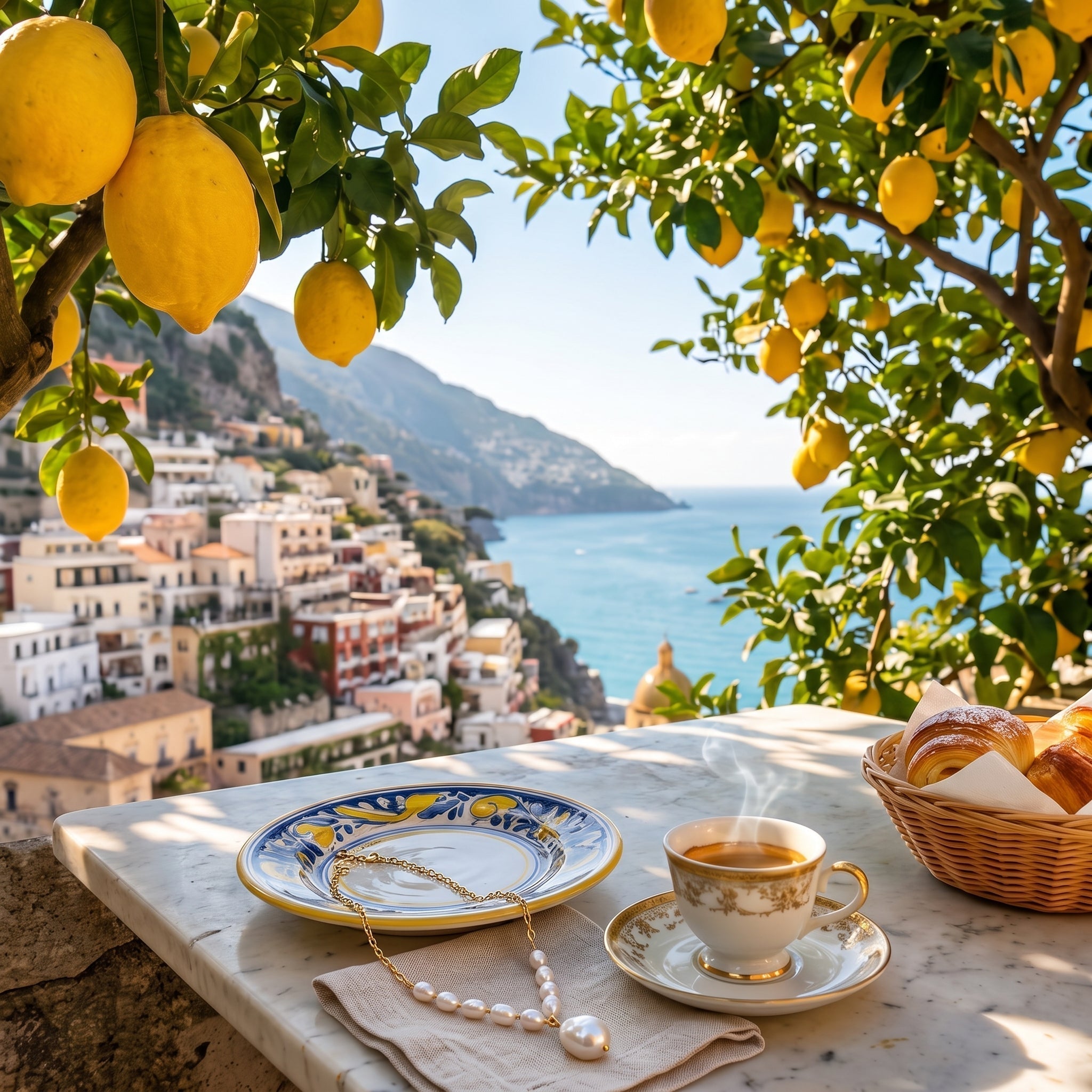
Packing for your next European getaway? Leave the heavy jewelry box behind. Discover how one versatile, modern pearl drop necklace can effortlessly elevate your travel wardrobe, taking you seamless...