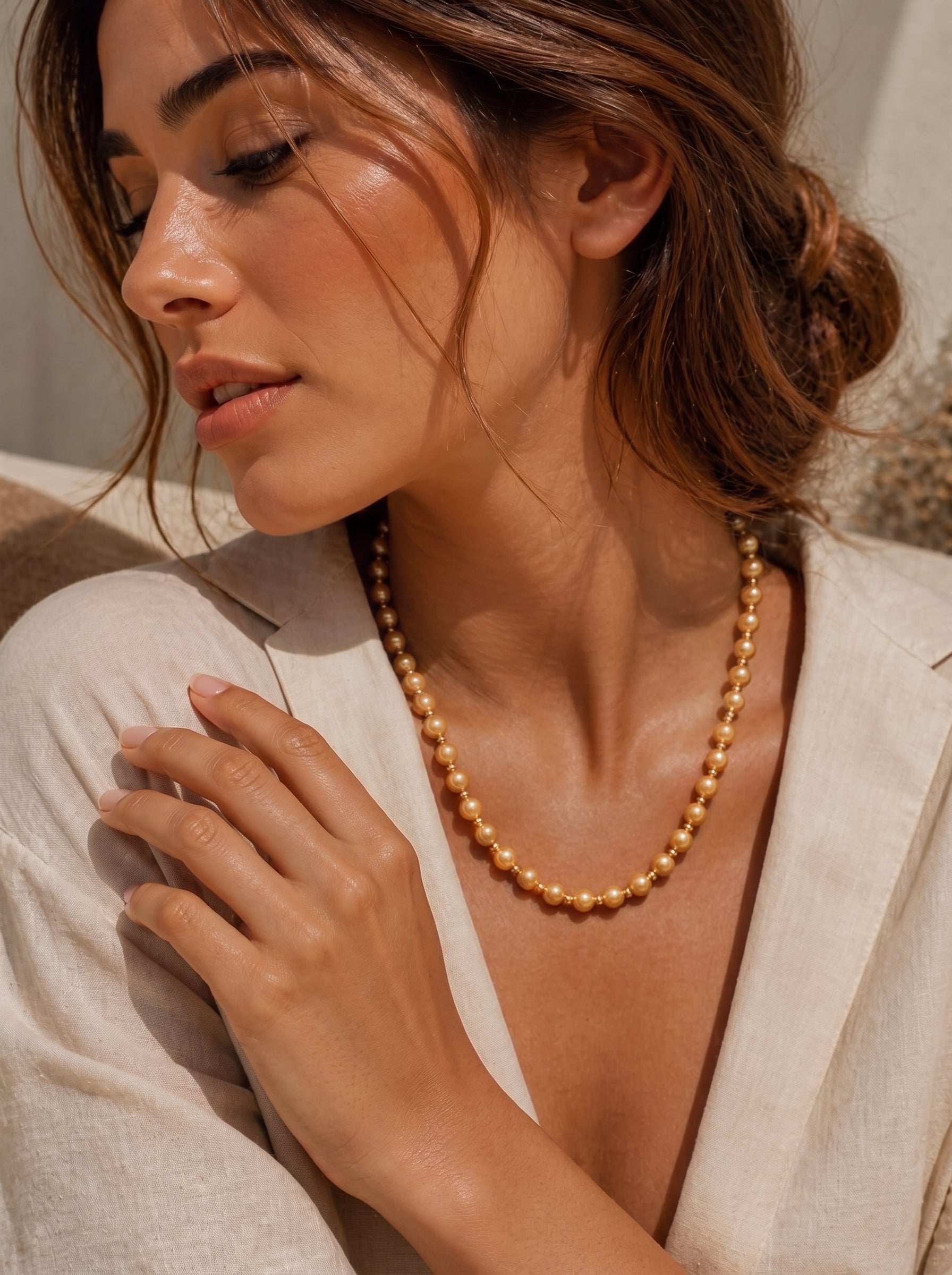
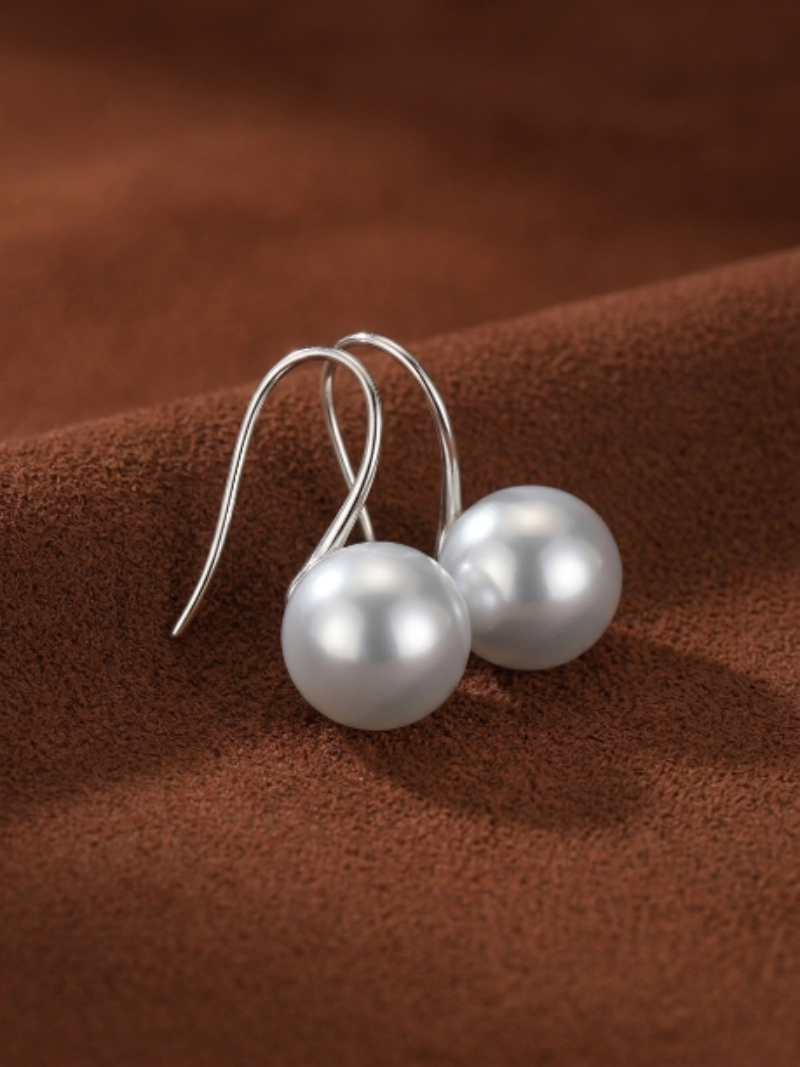
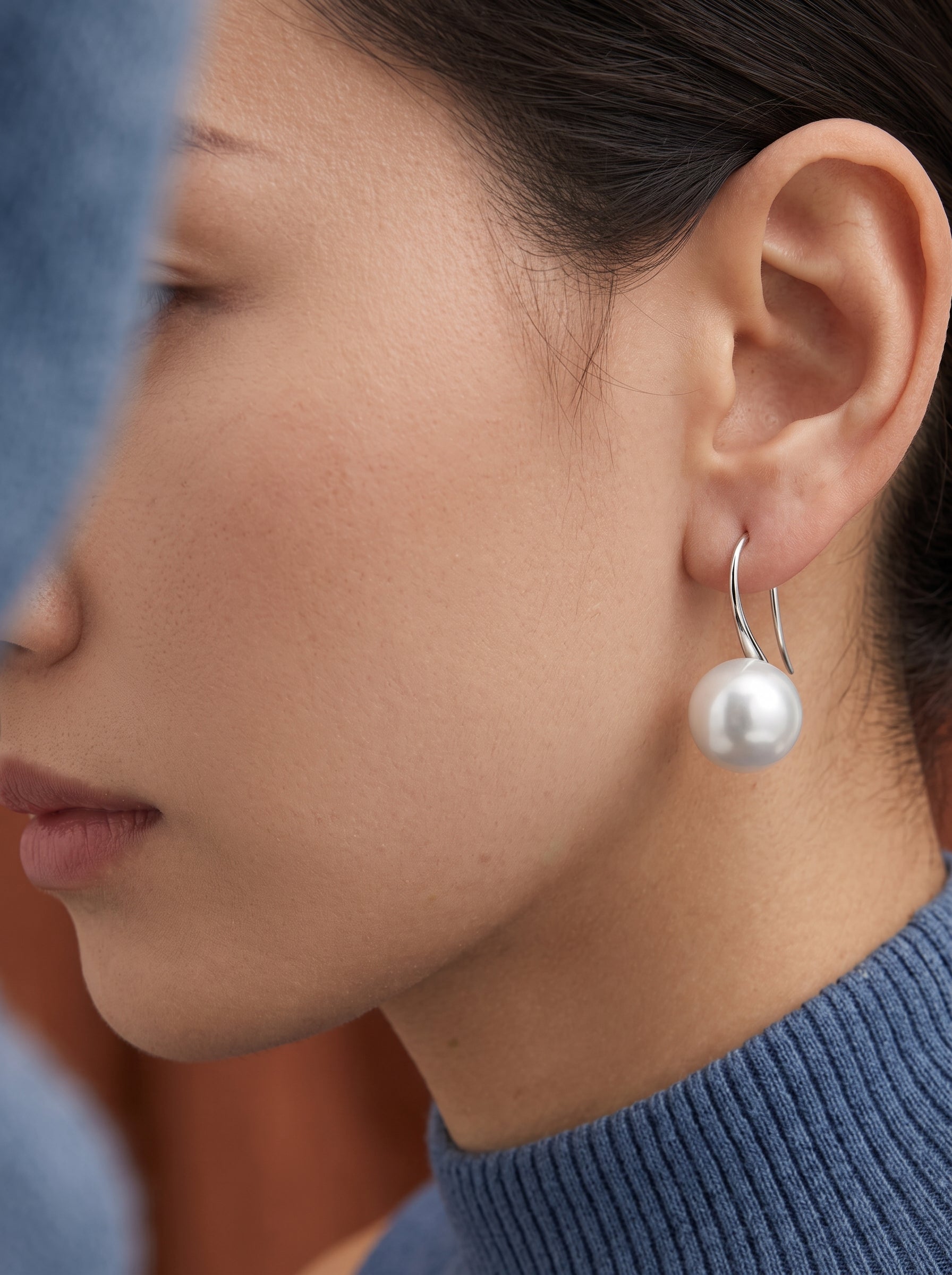
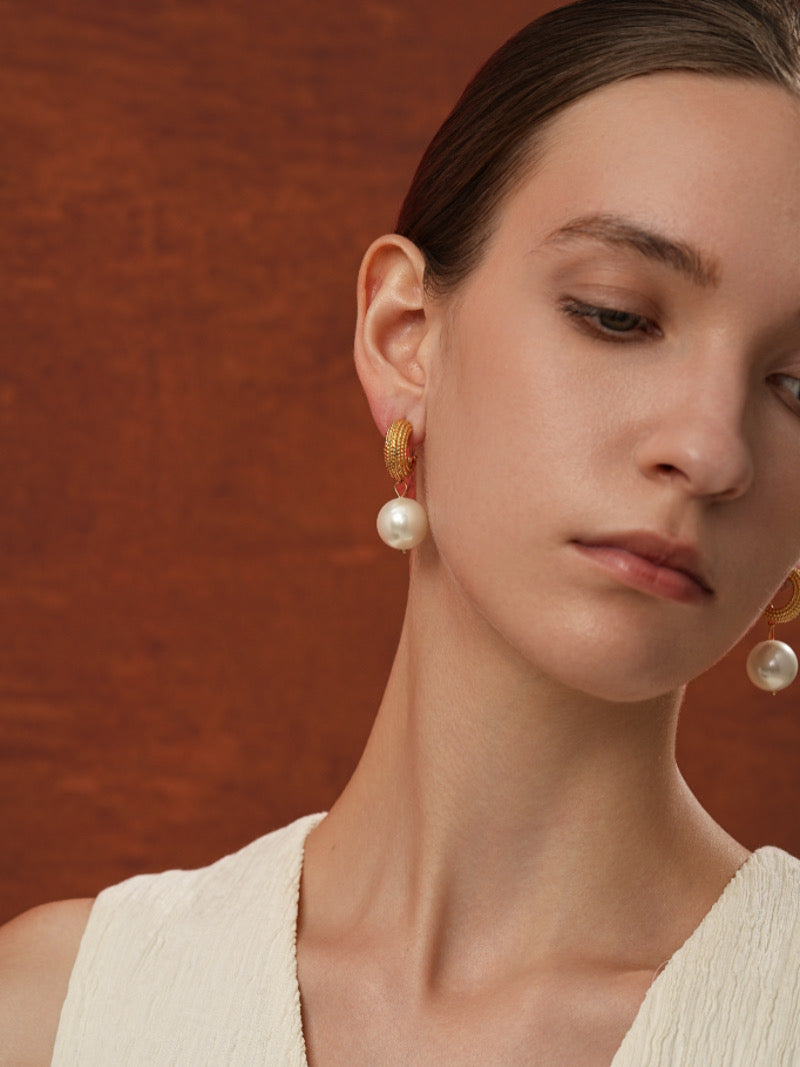
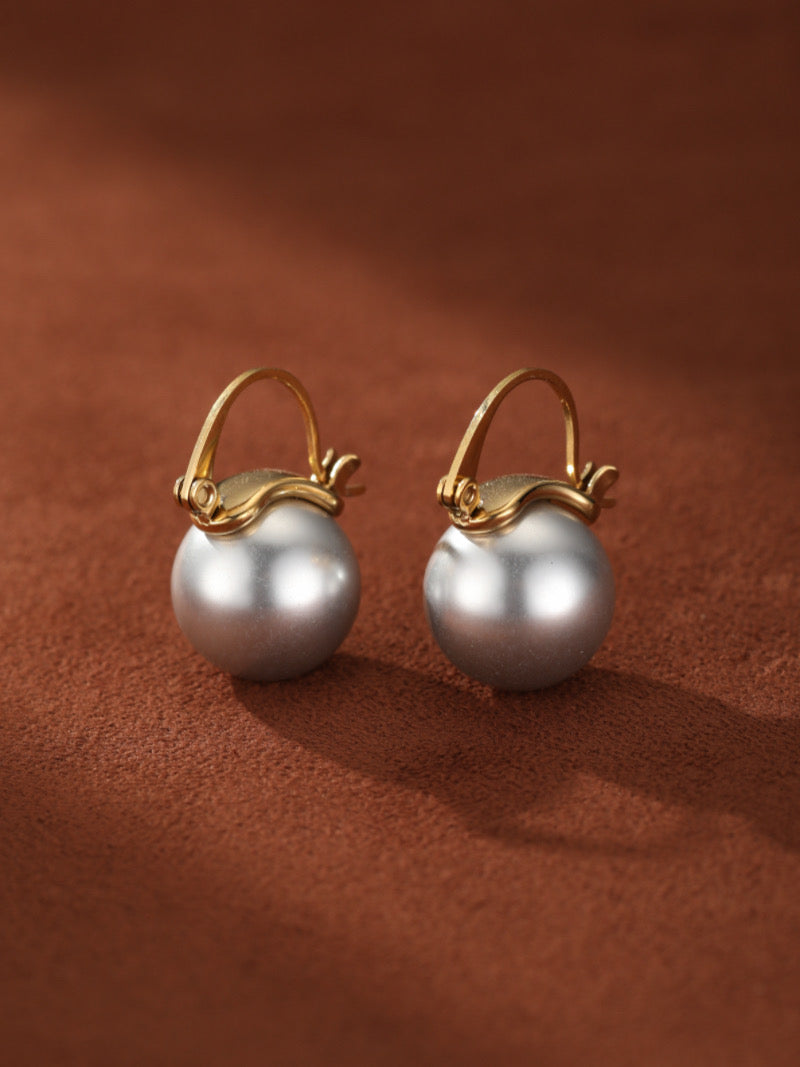
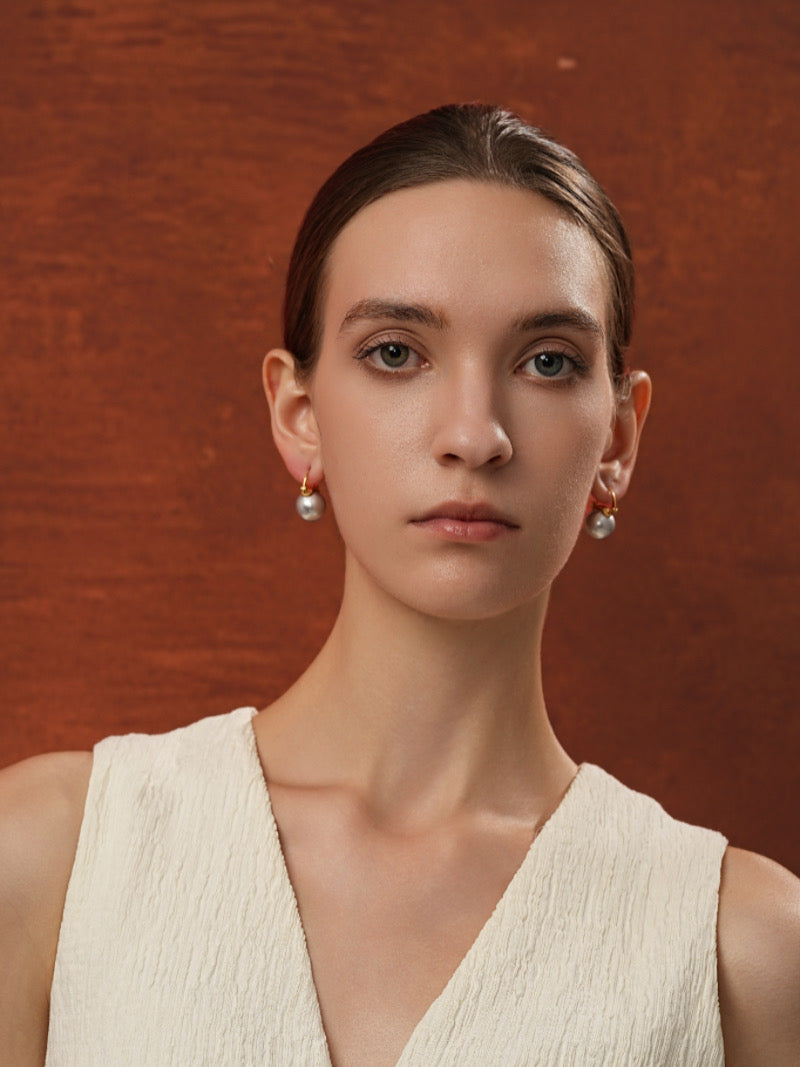
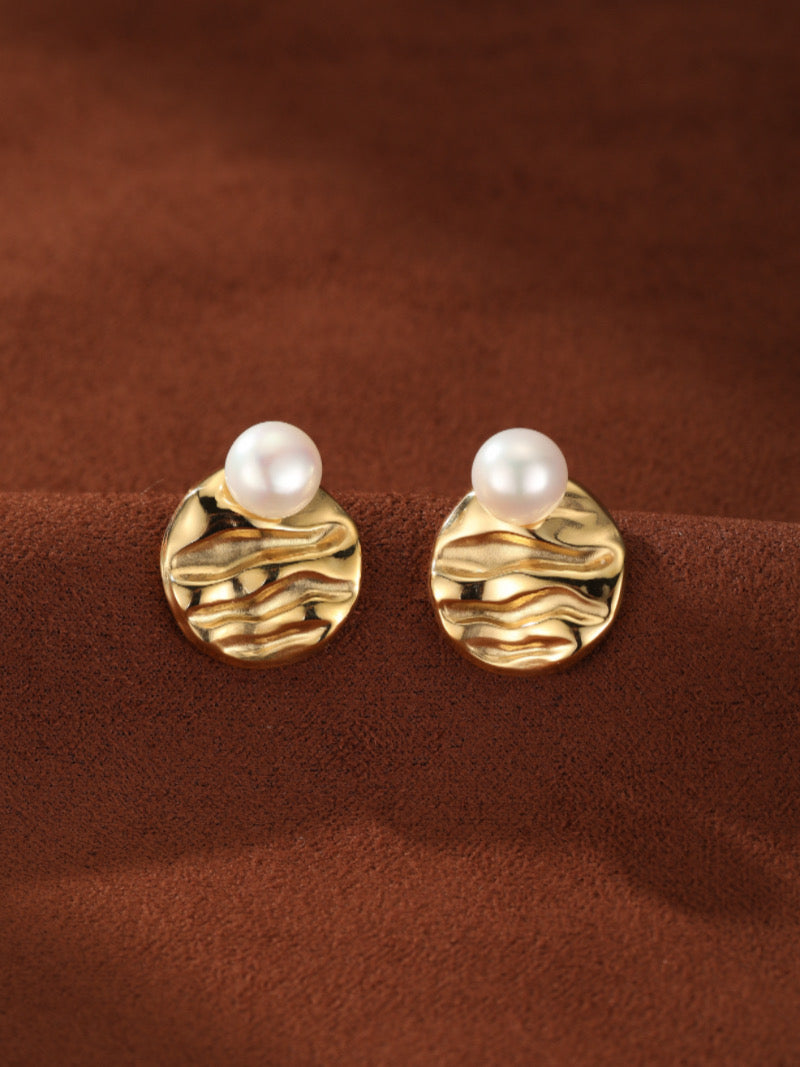
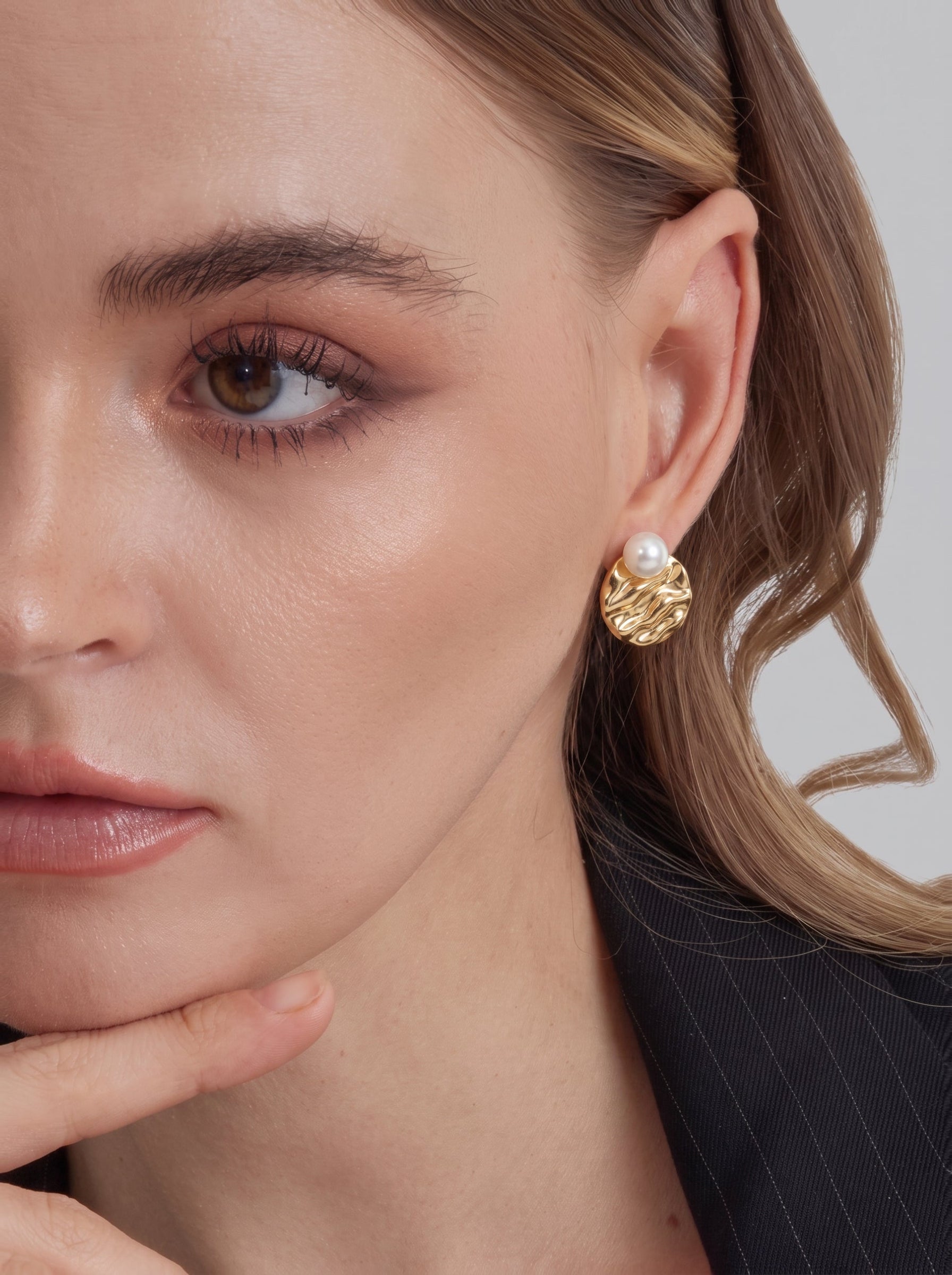
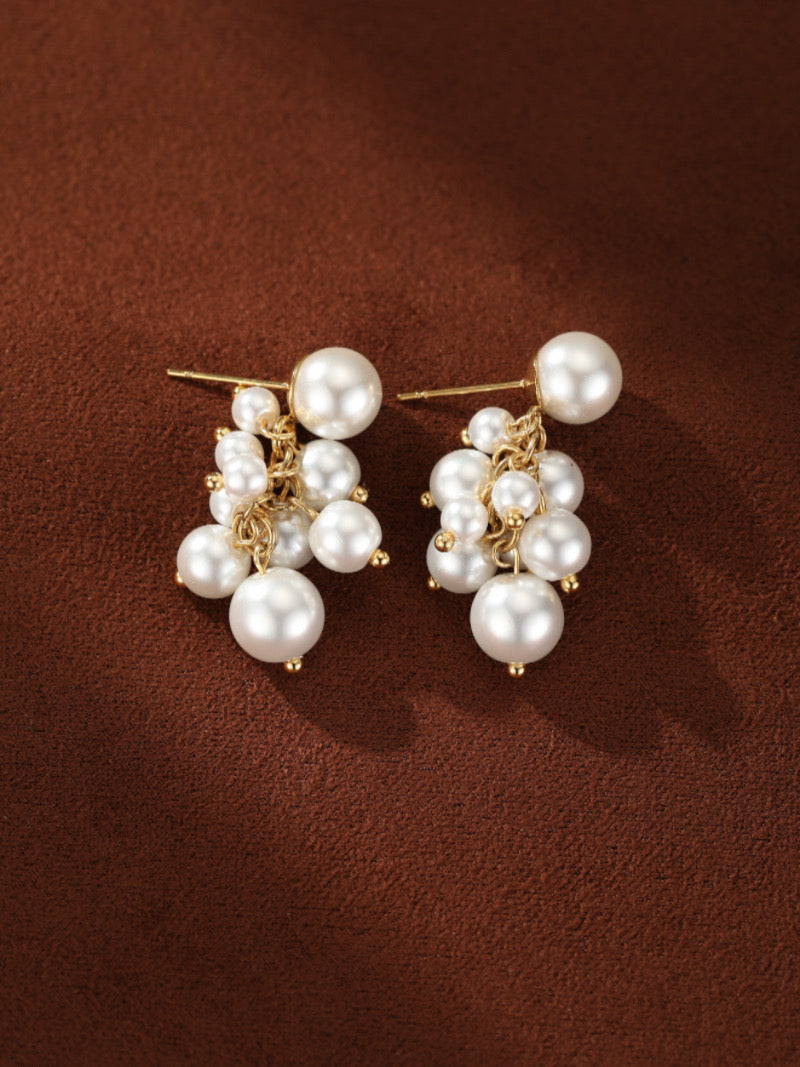
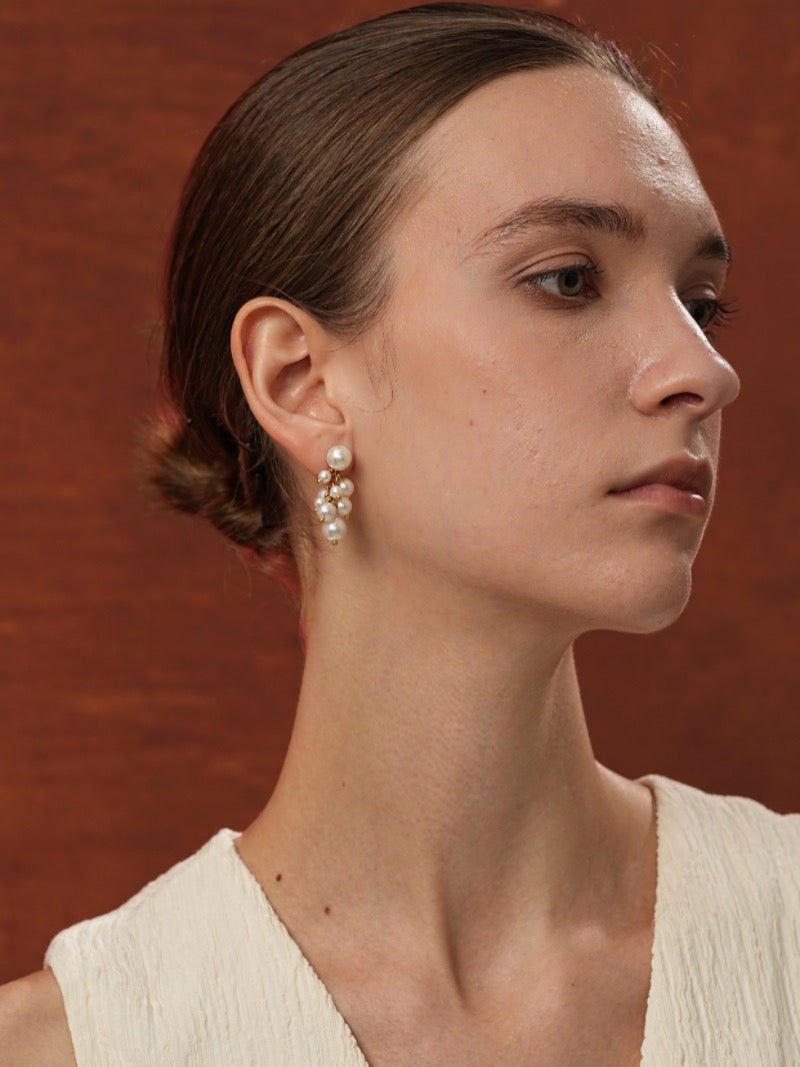
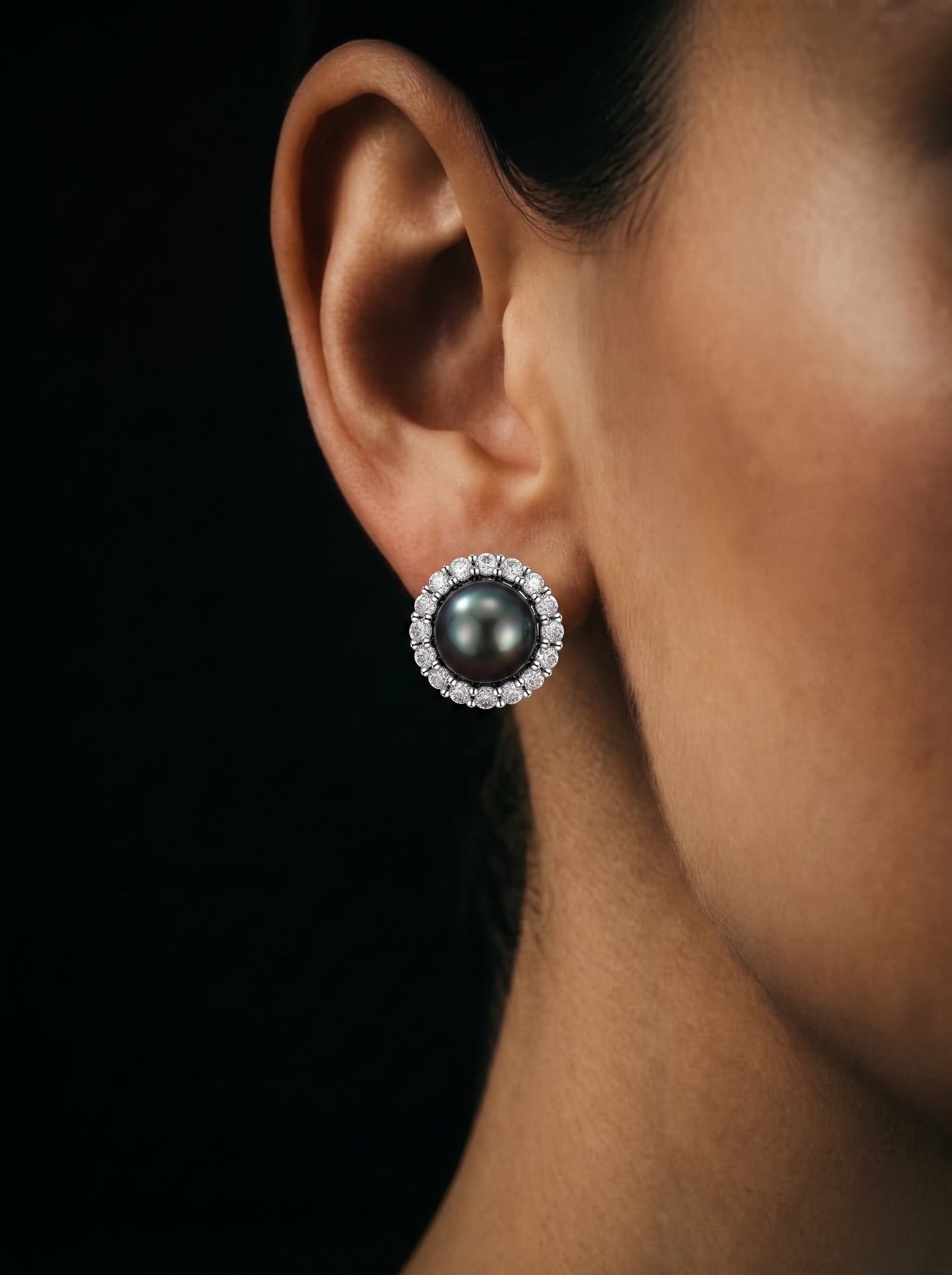
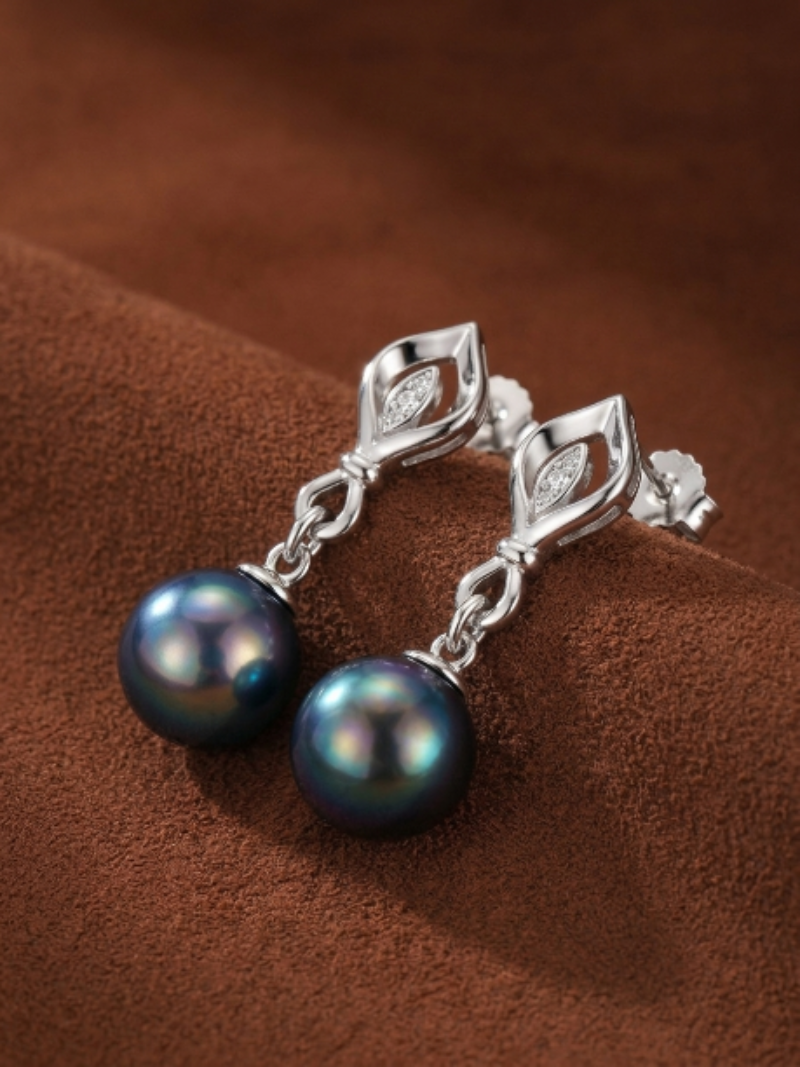
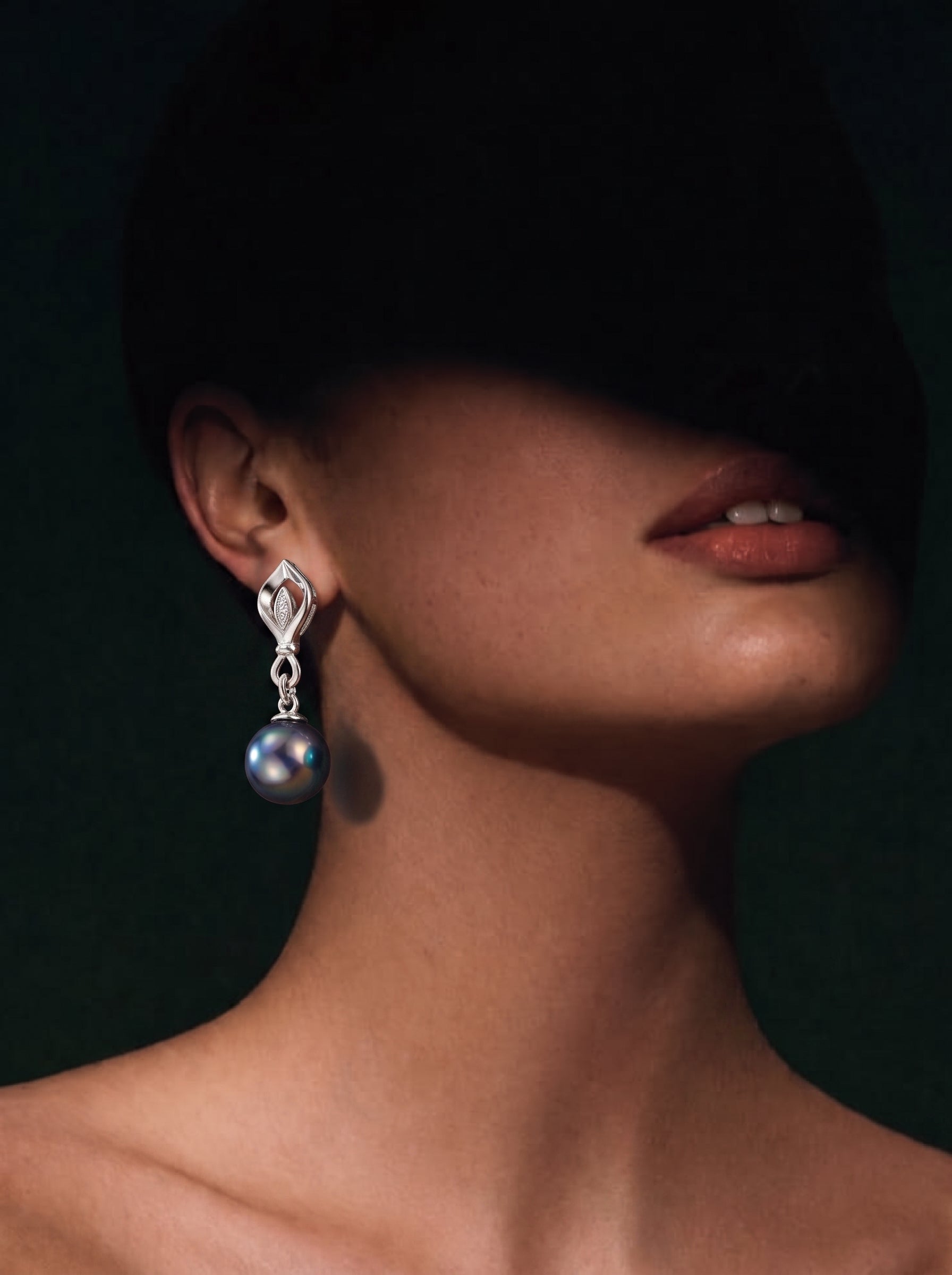
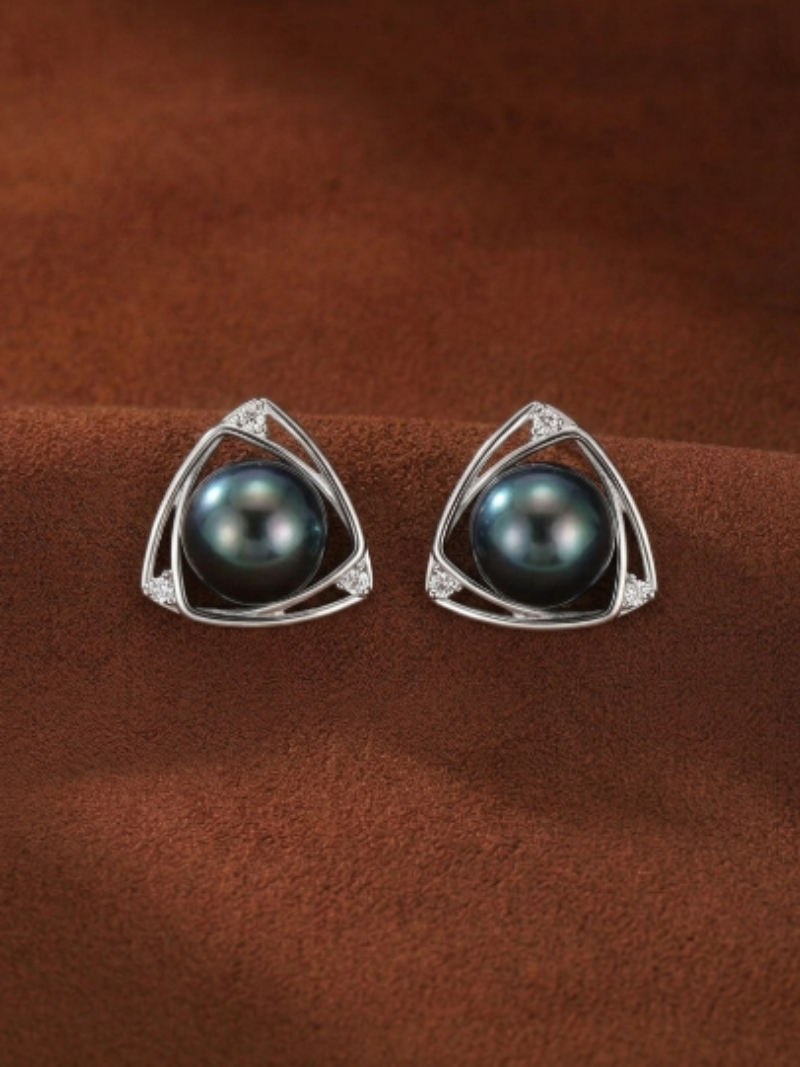
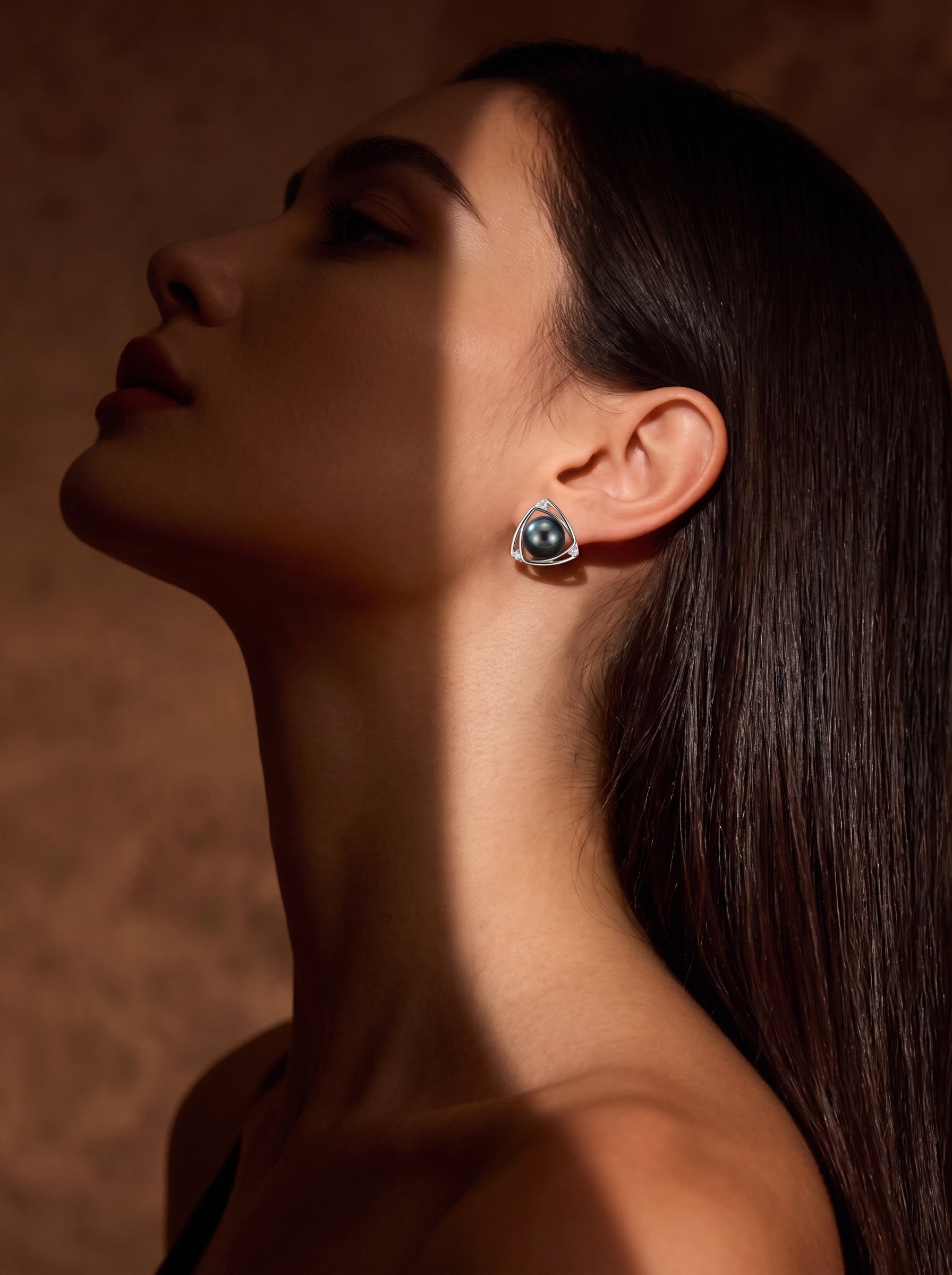
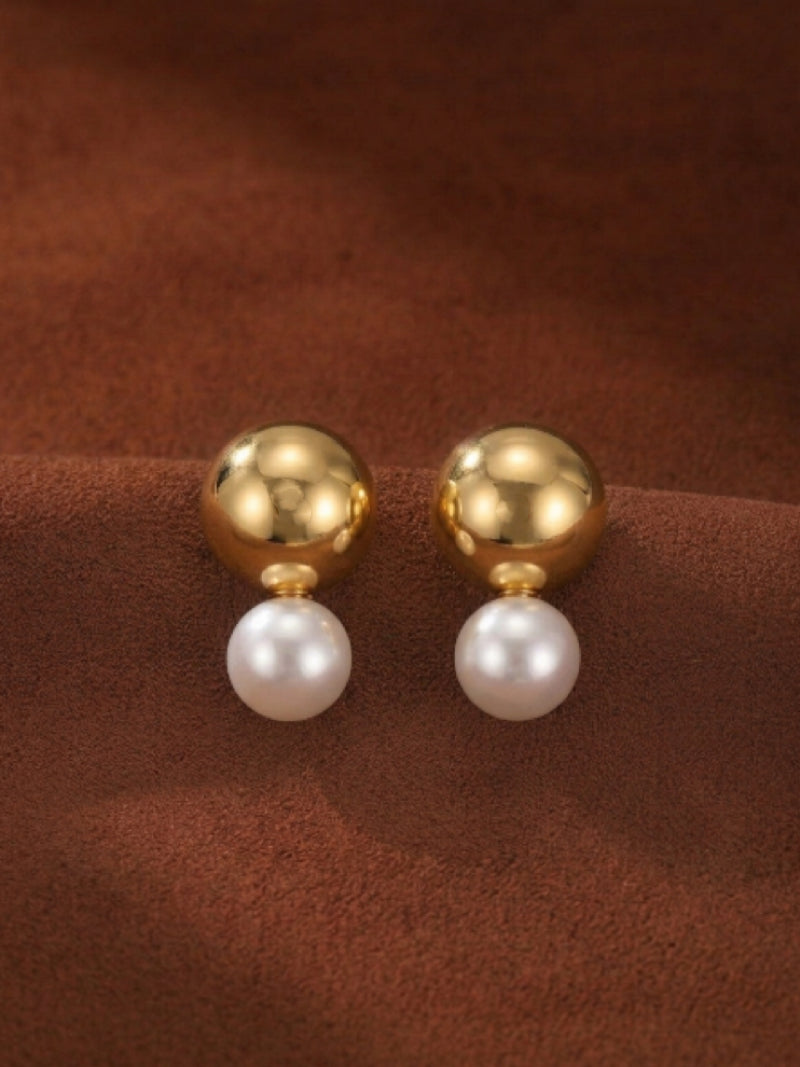
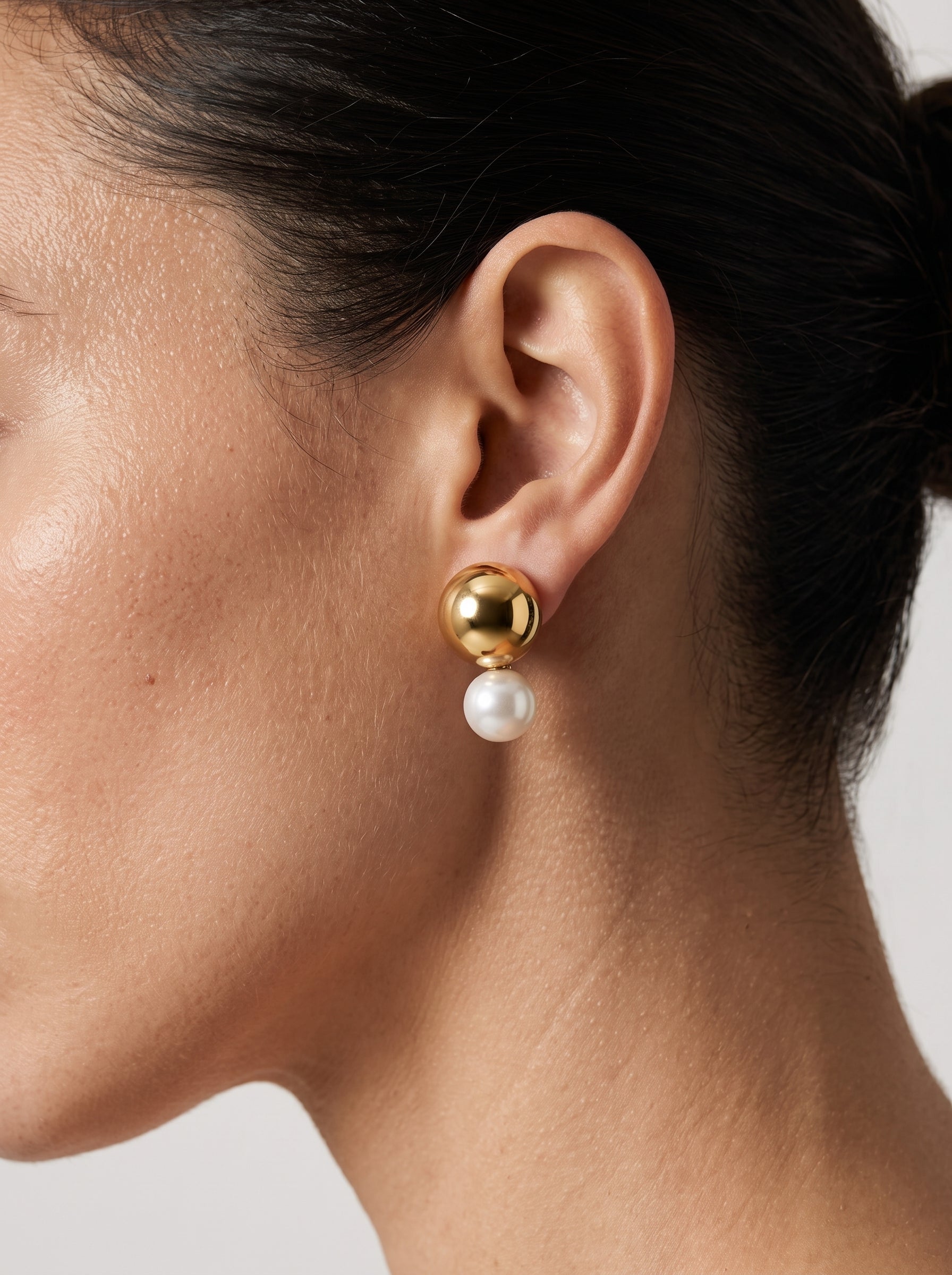
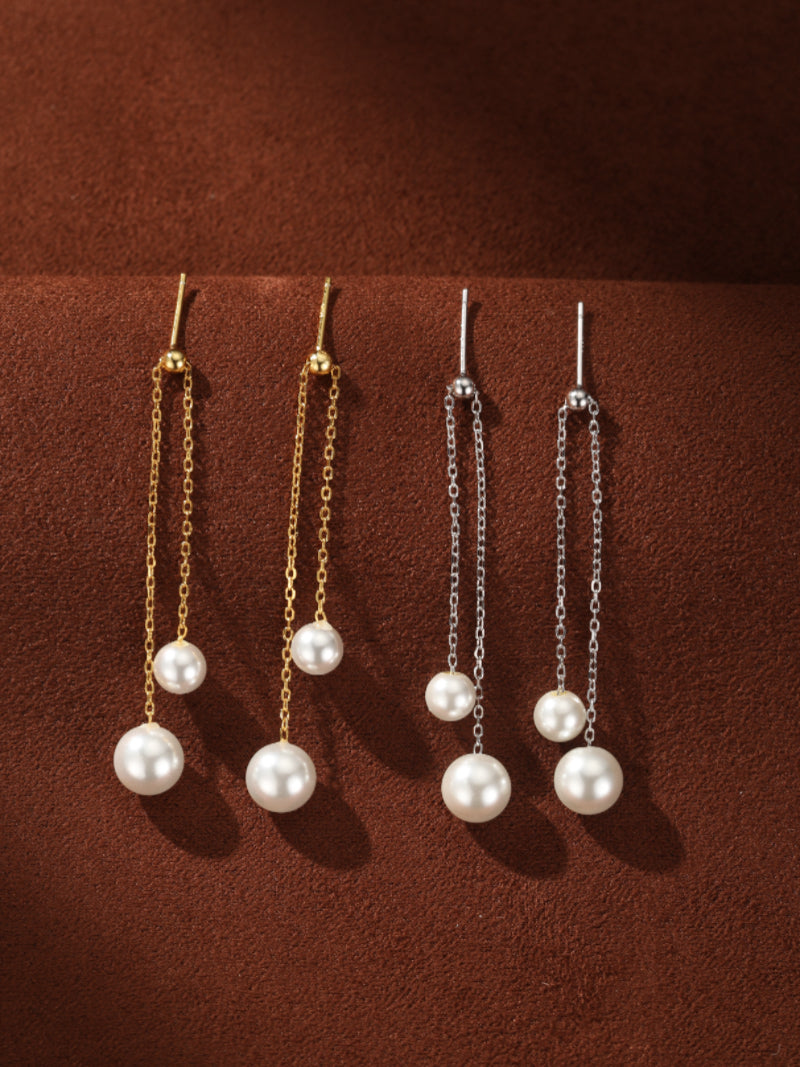
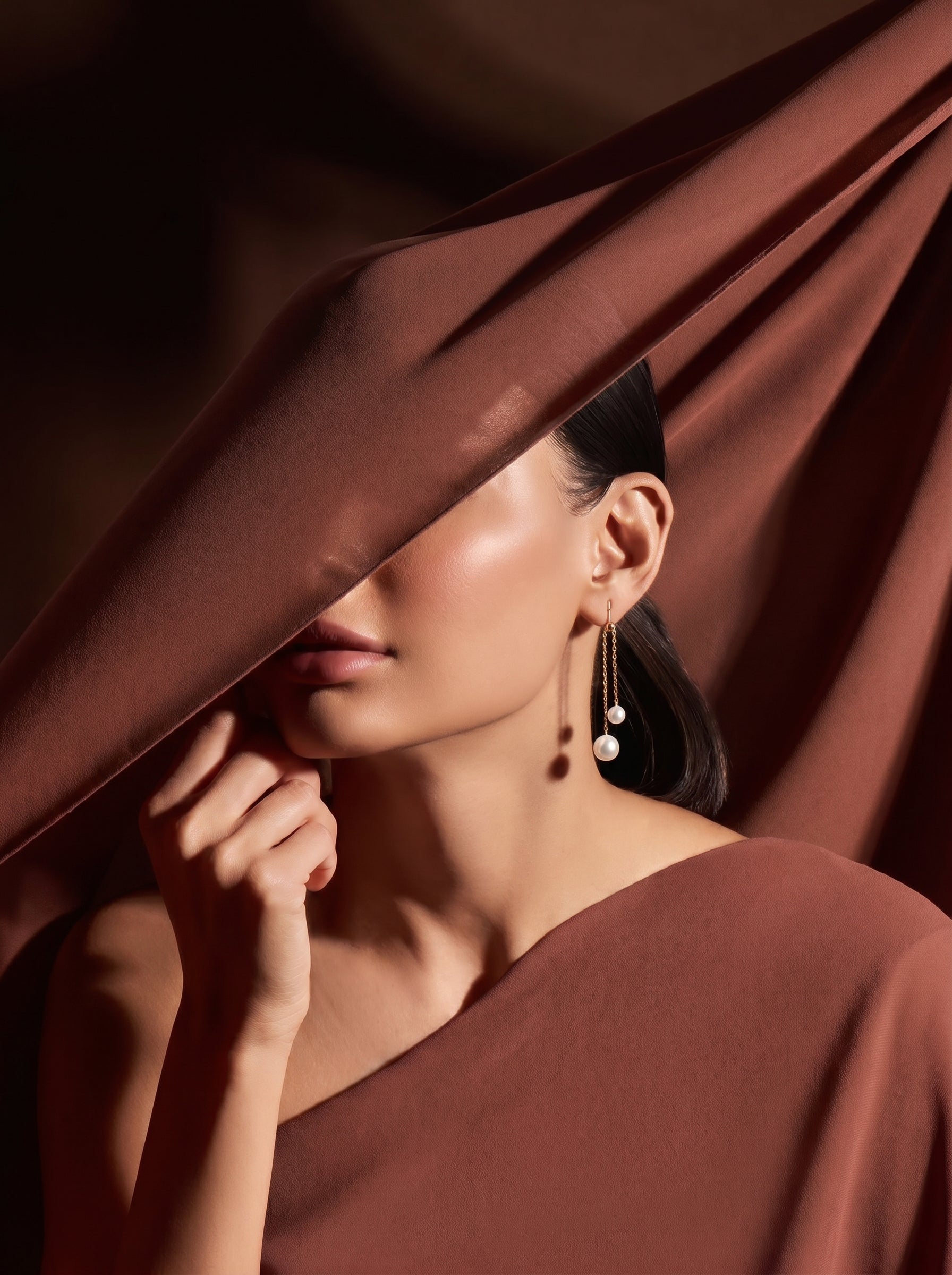
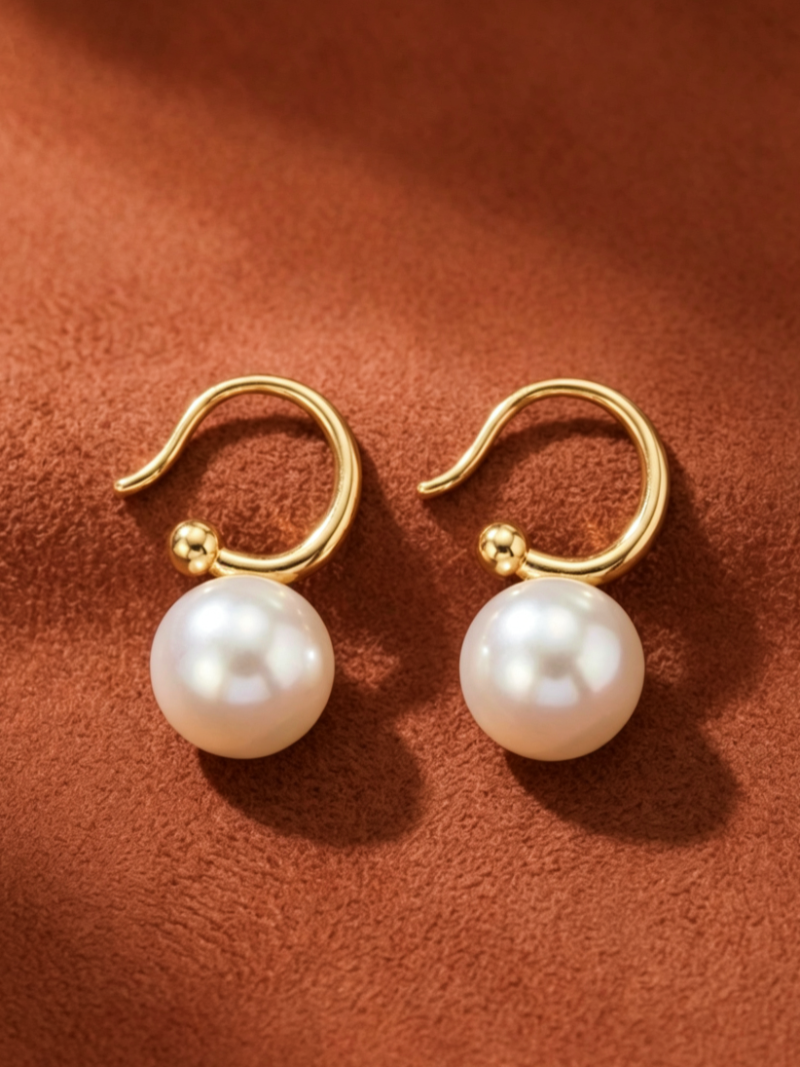
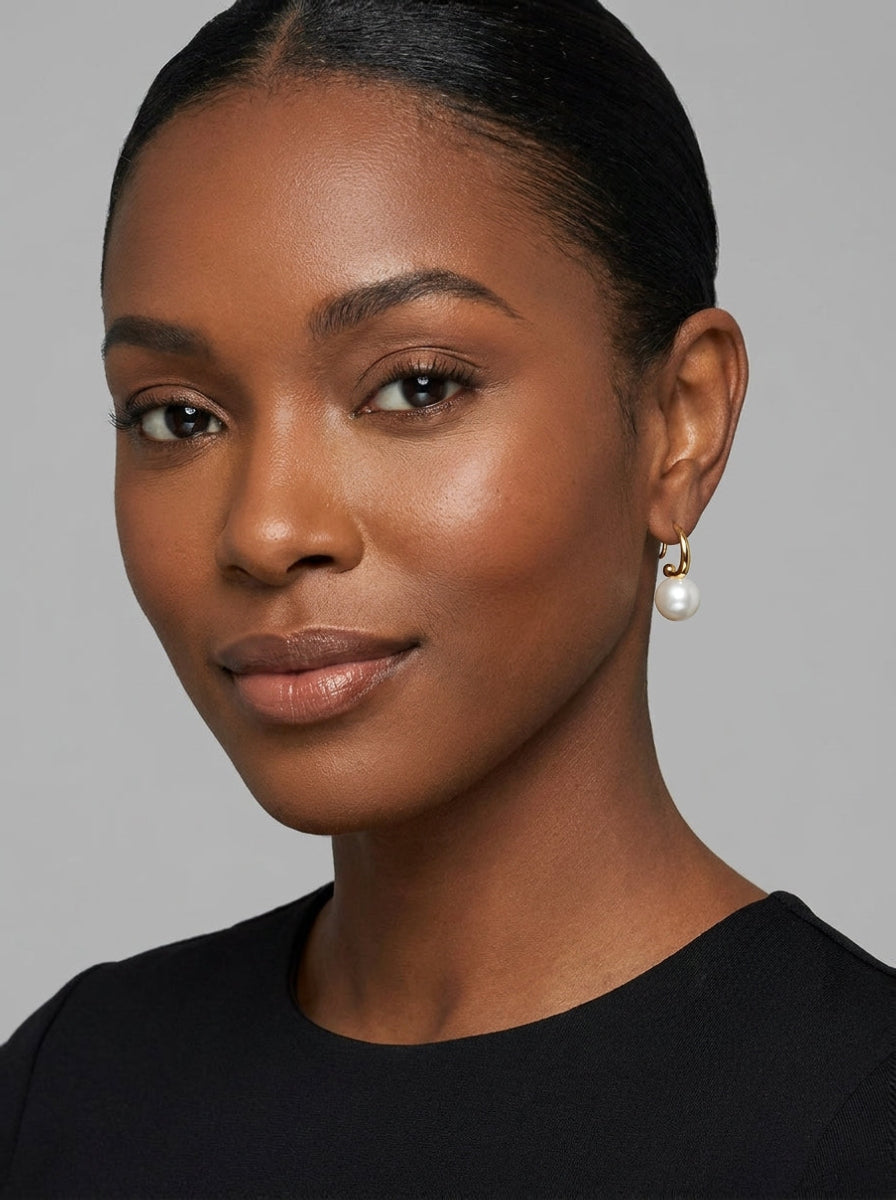
A round pearl at the ear needs no explanation. It is the earring people picture when they hear the word pearl, and it works at a funeral, a promotion and a first date without any alteration at all.
What is a round pearl earring?
A round pearl earring uses cultured pearls classified as round or near-round. Roundness is measured as the variation between a pearl's largest and smallest diameter, and a pearl is graded round when that variation stays under two percent.
Fewer than one in a hundred cultured pearls reaches that standard, which is why round pearls cost more than any other shape.
Why do earrings need matched pearls?
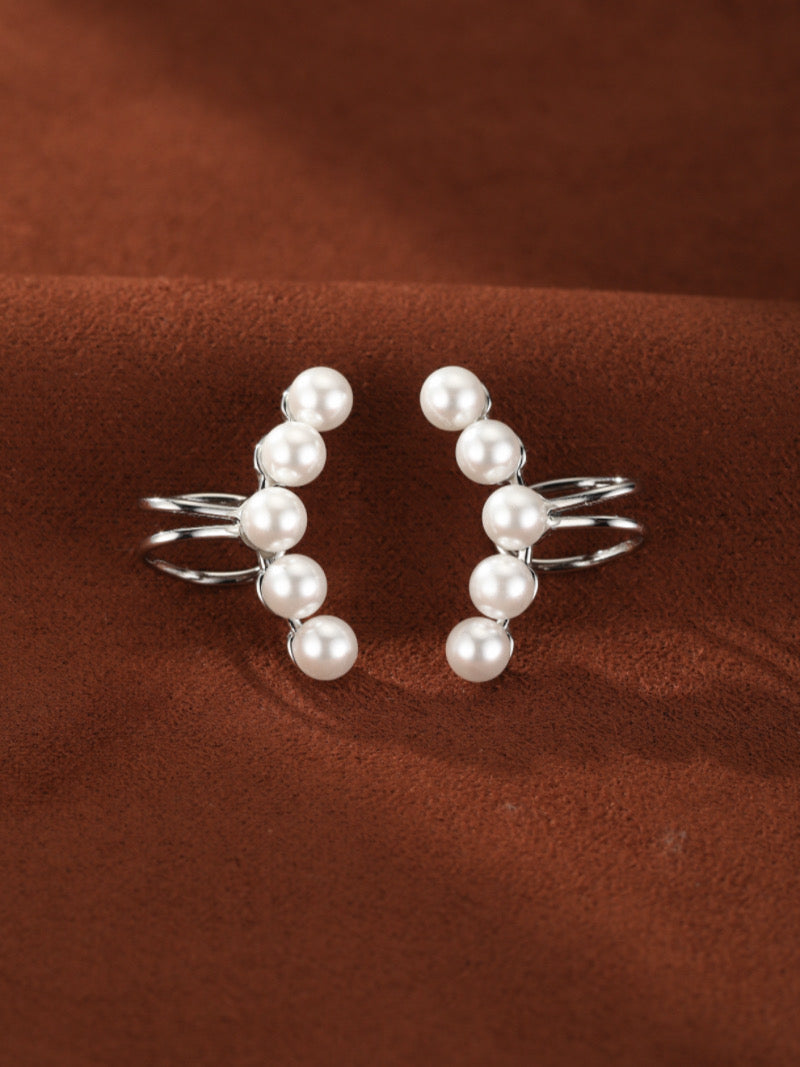
Because they are seen together, on either side of a face, from the same distance. A single round pearl on a pendant carries no matching premium at all. A pair does, because two pearls have to agree on size, shape, color and overtone.
That is why a pair of round pearl earrings costs more than twice a single pearl of the same quality. Most of the difference is sorting rather than material.
Which pearl types give the roundest pearls?
- Akoya — grown around a round shell bead in Japan, and the most consistently spherical cultured pearl there is.
- South Sea — also bead-nucleated, at much larger sizes, with a softer satin luster.
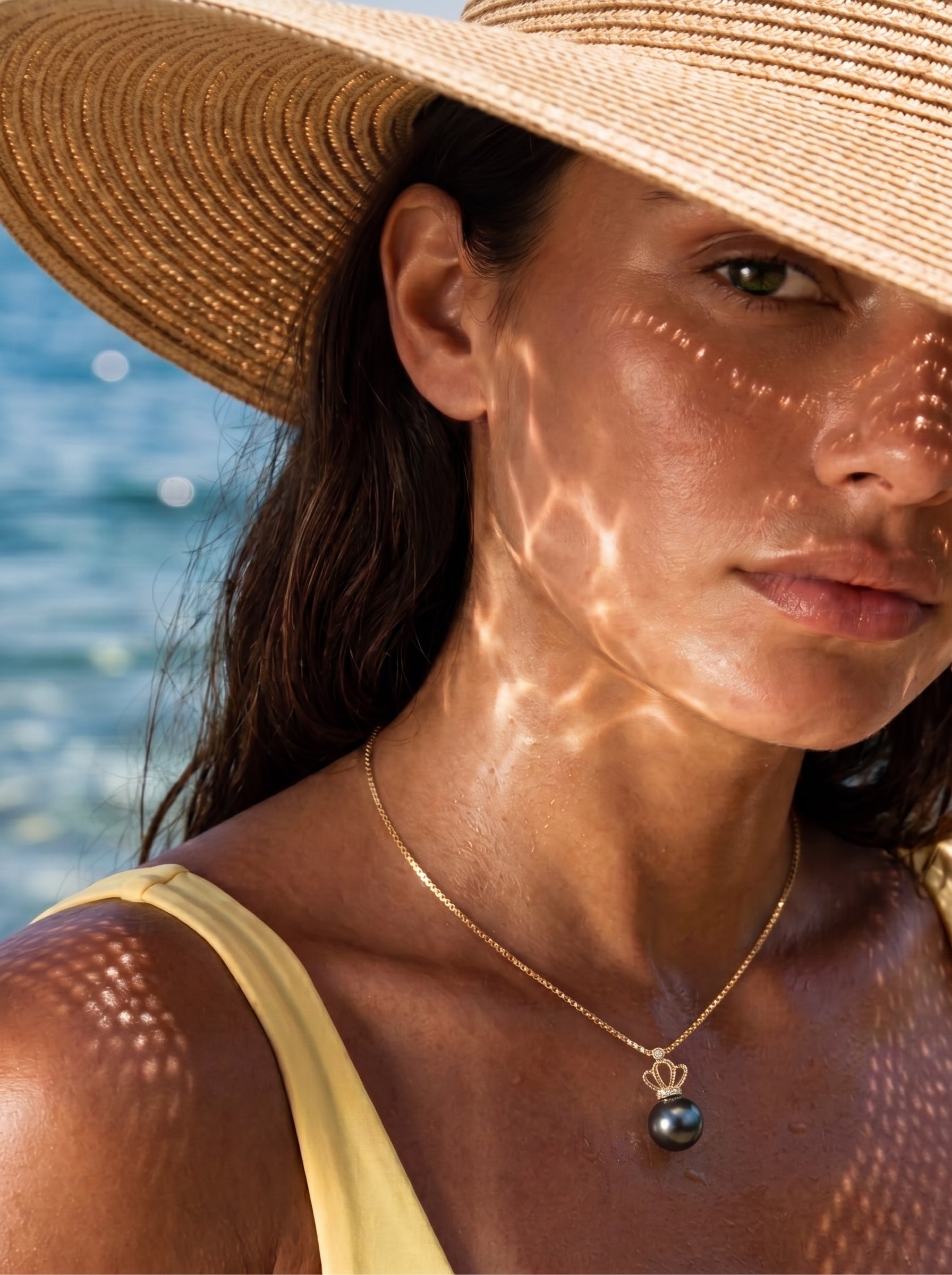
- Tahitian — bead-nucleated and dark, though a higher proportion come out baroque.
- Freshwater — usually grown without a bead, so genuinely round freshwater pearls are the exception rather than the rule.
Which round pearl earring style should you choose?
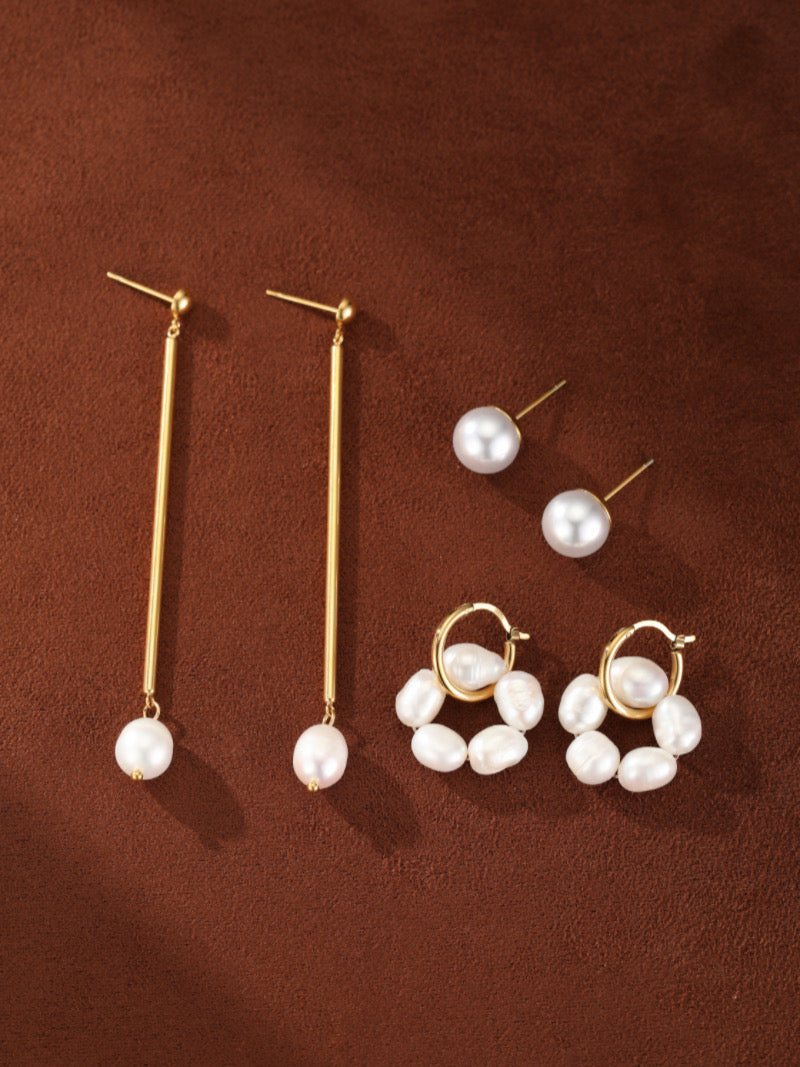
Studs
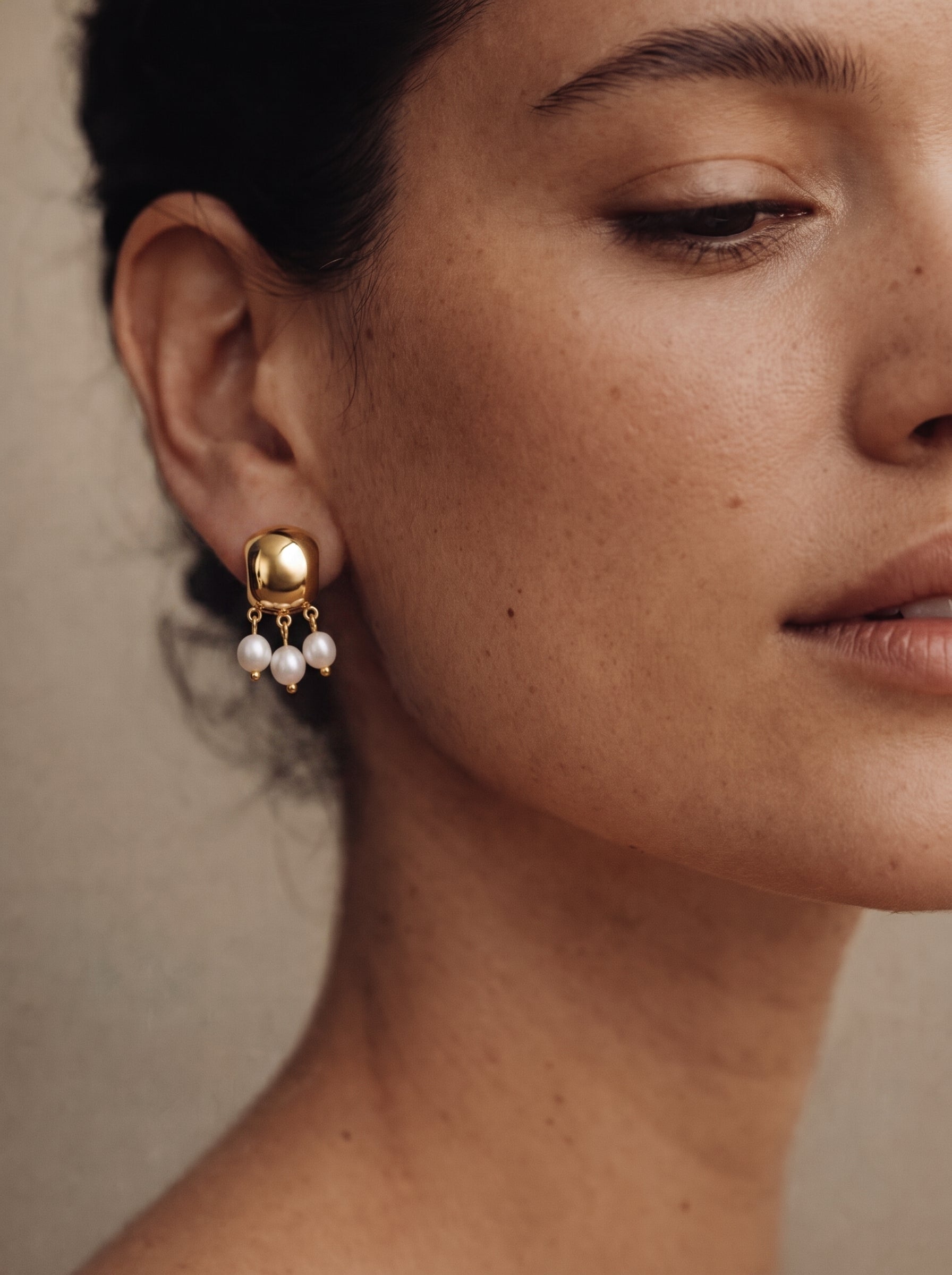
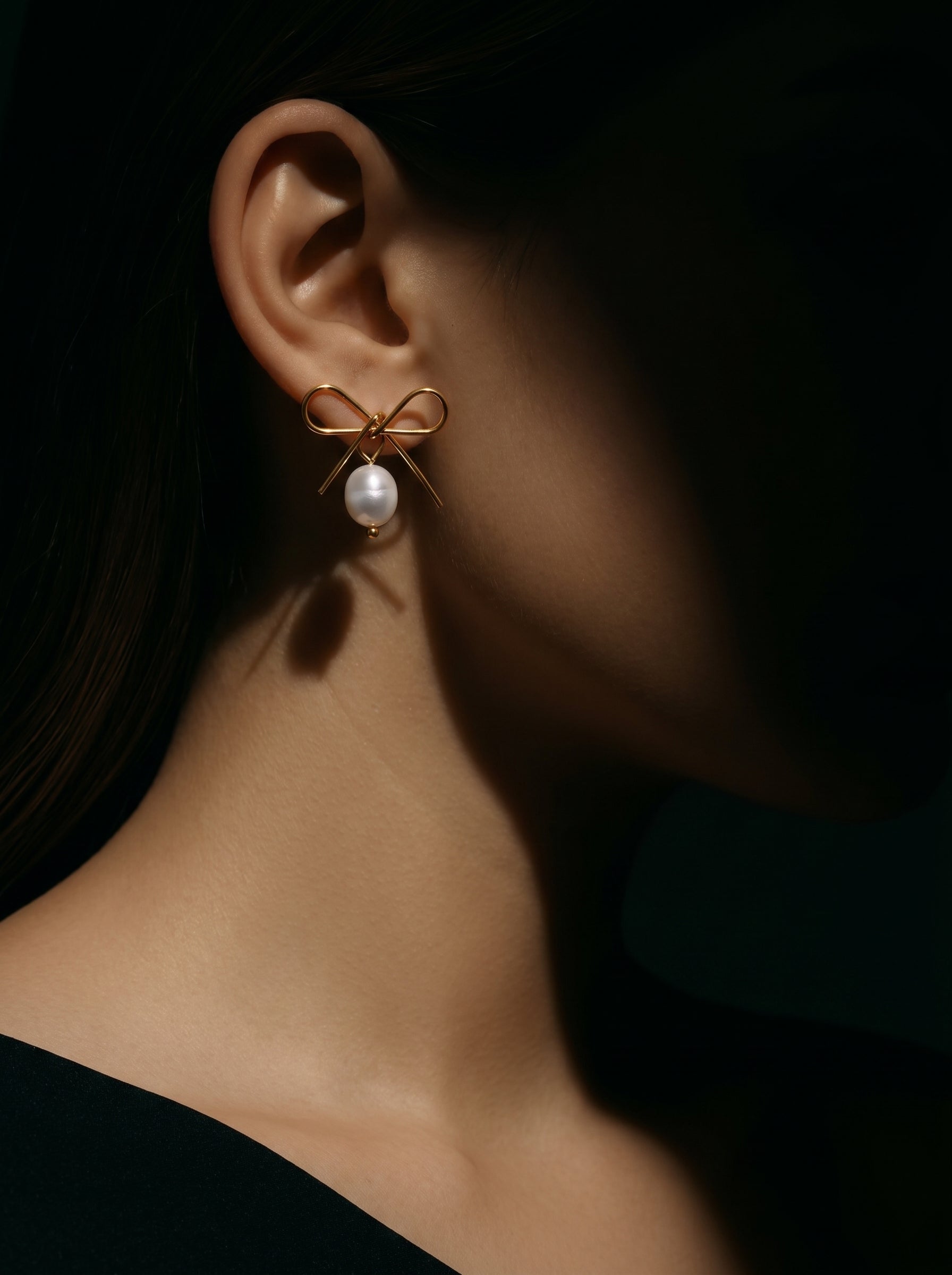
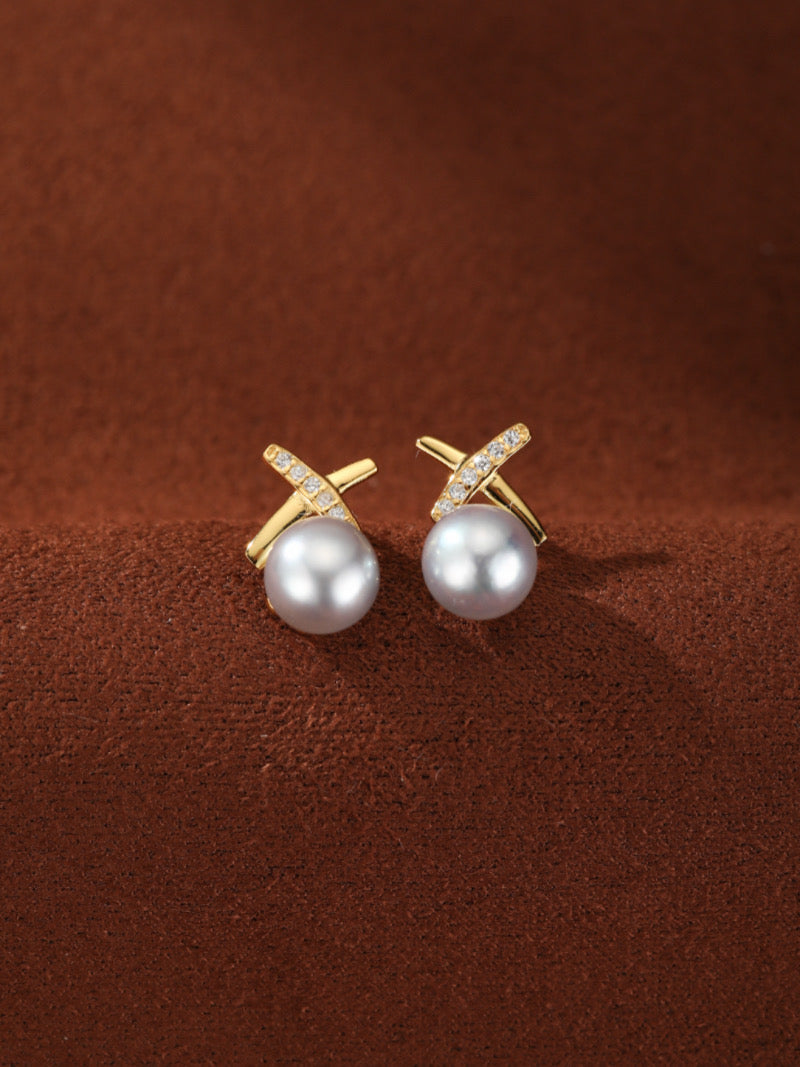
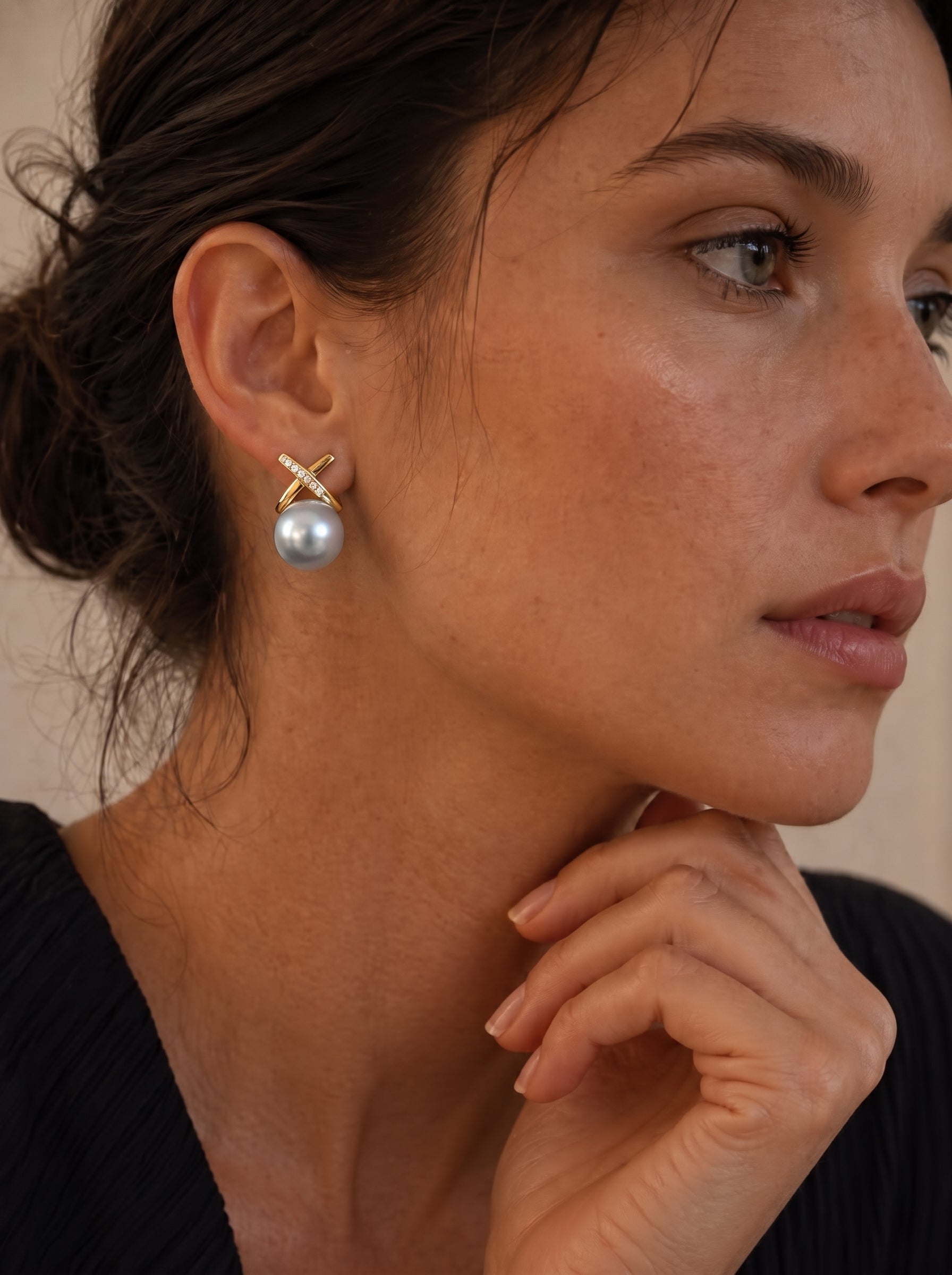
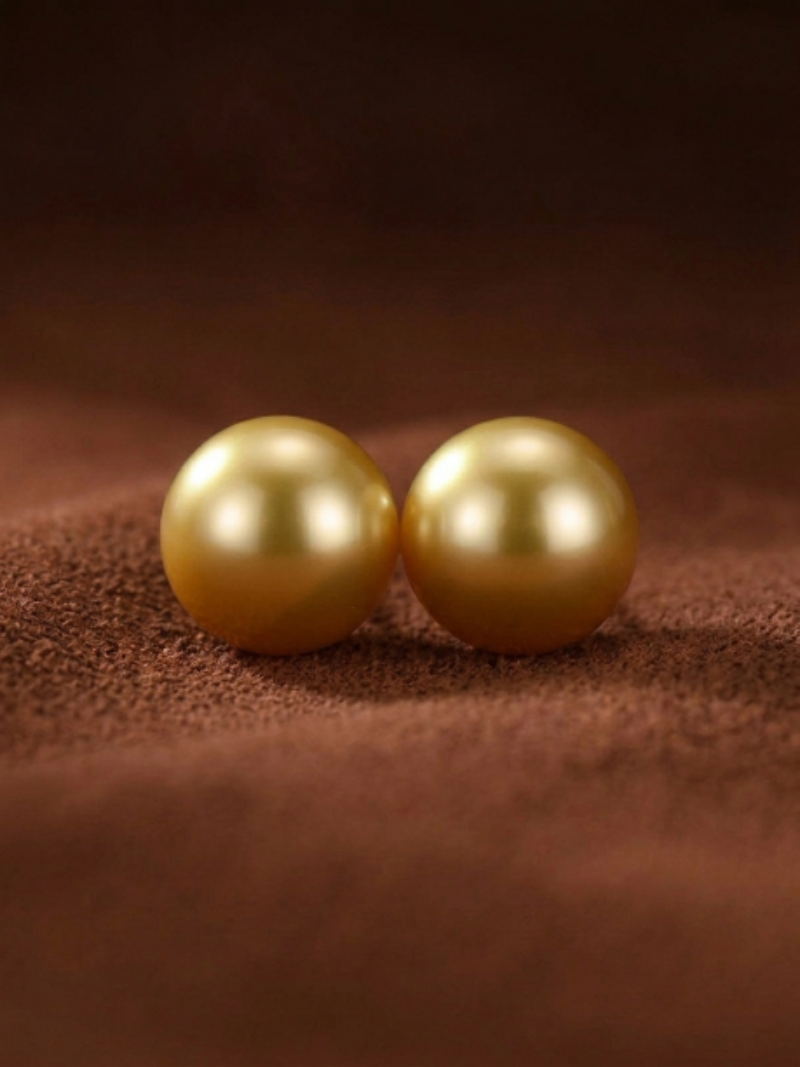
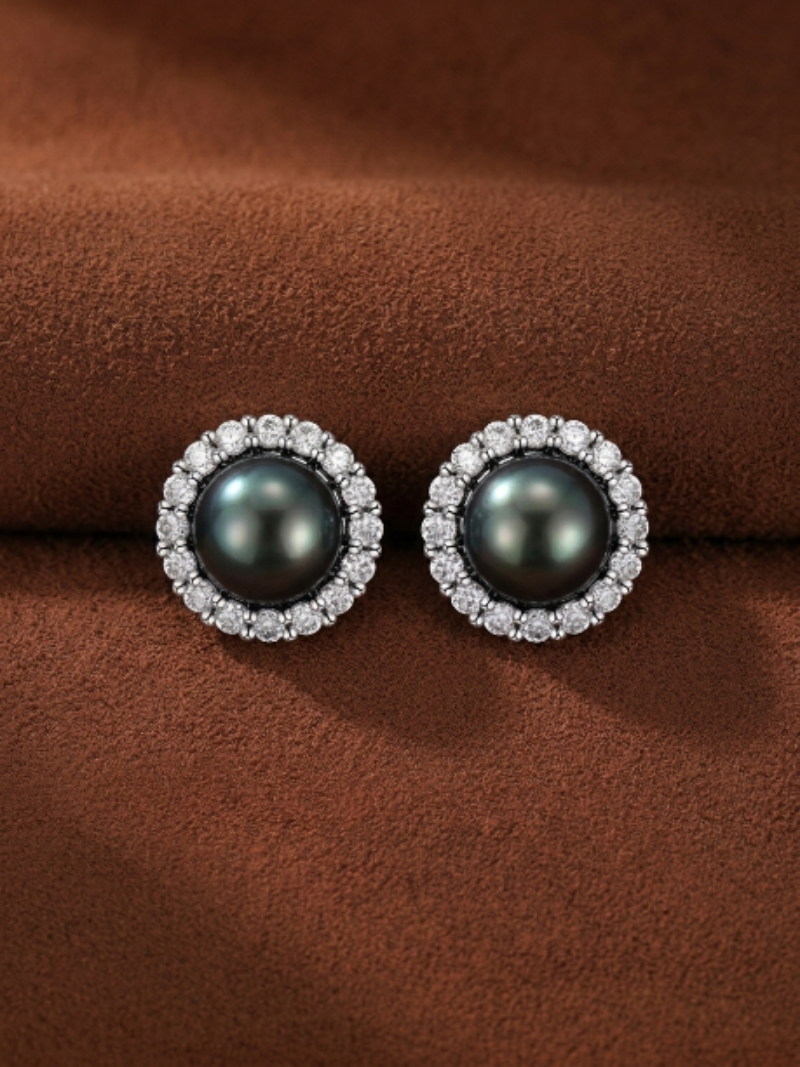
The most classic reading, and the pair most people mean by pearl earrings. A round pearl stands slightly proud of the lobe, which catches more light than a flatter shape.
Hoops
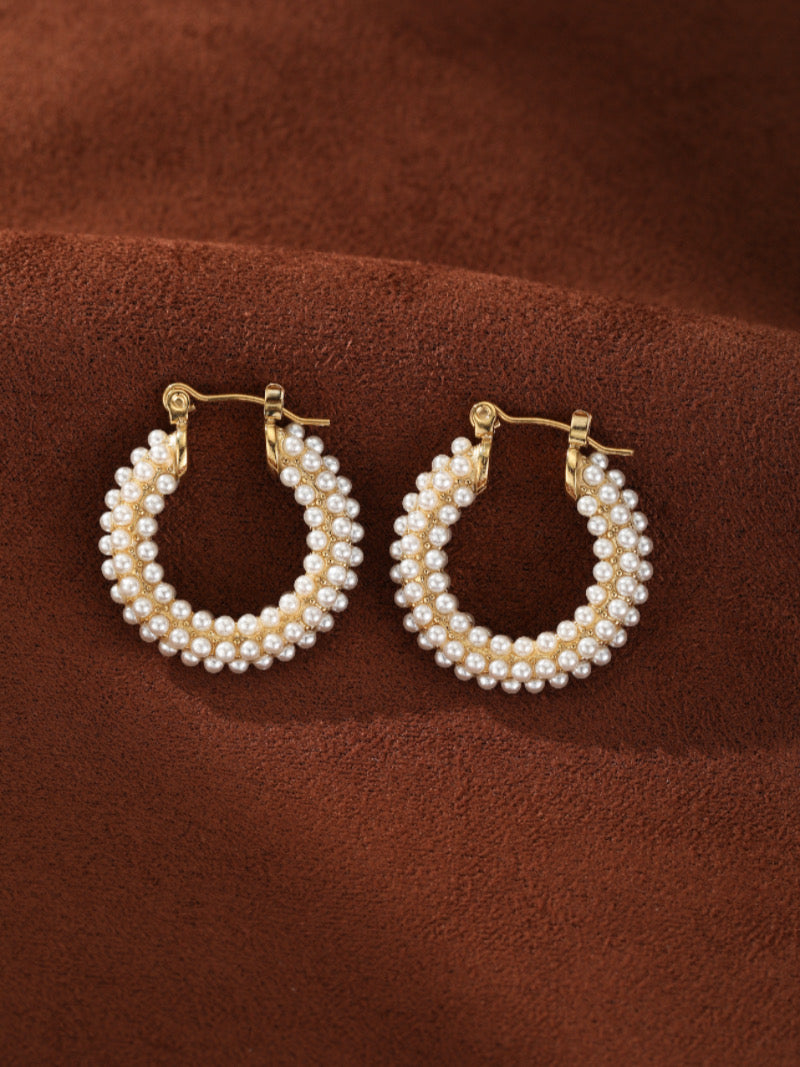
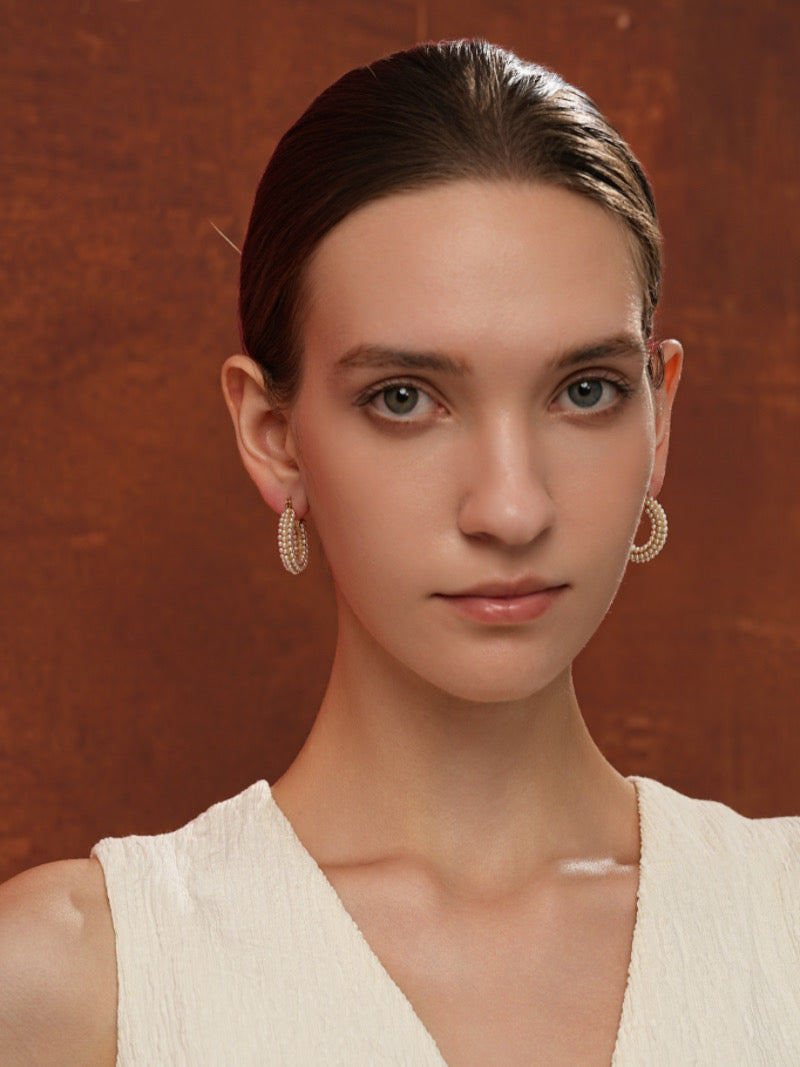
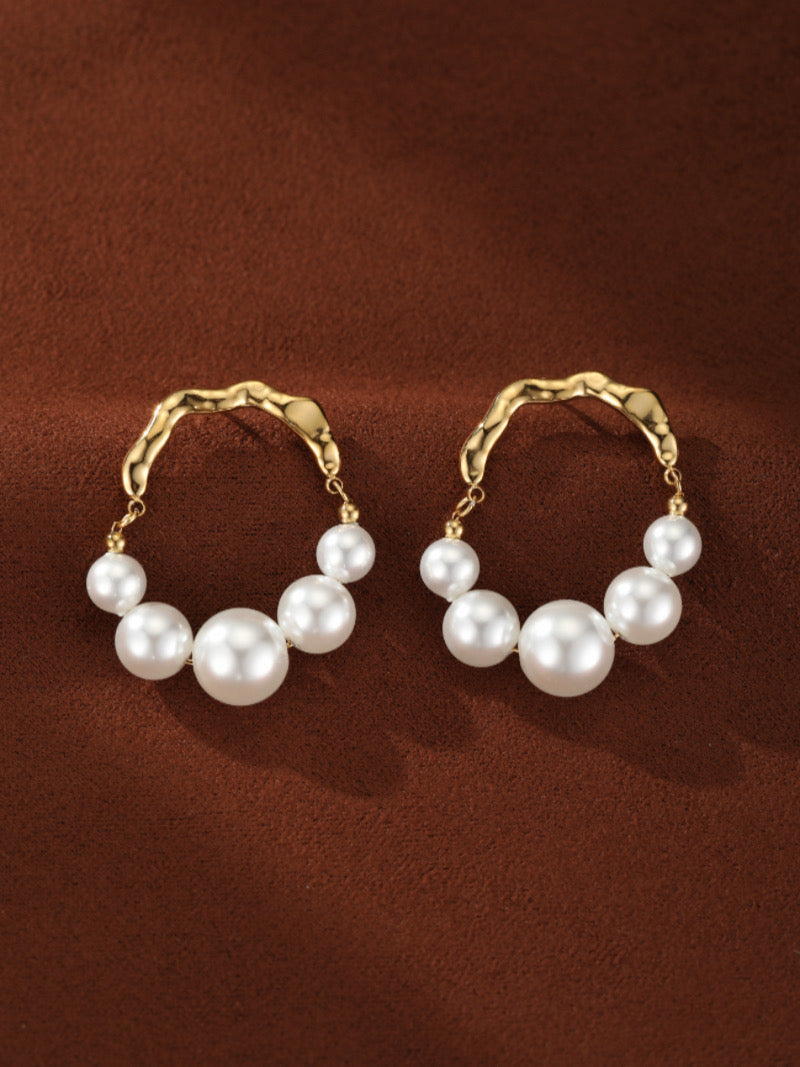
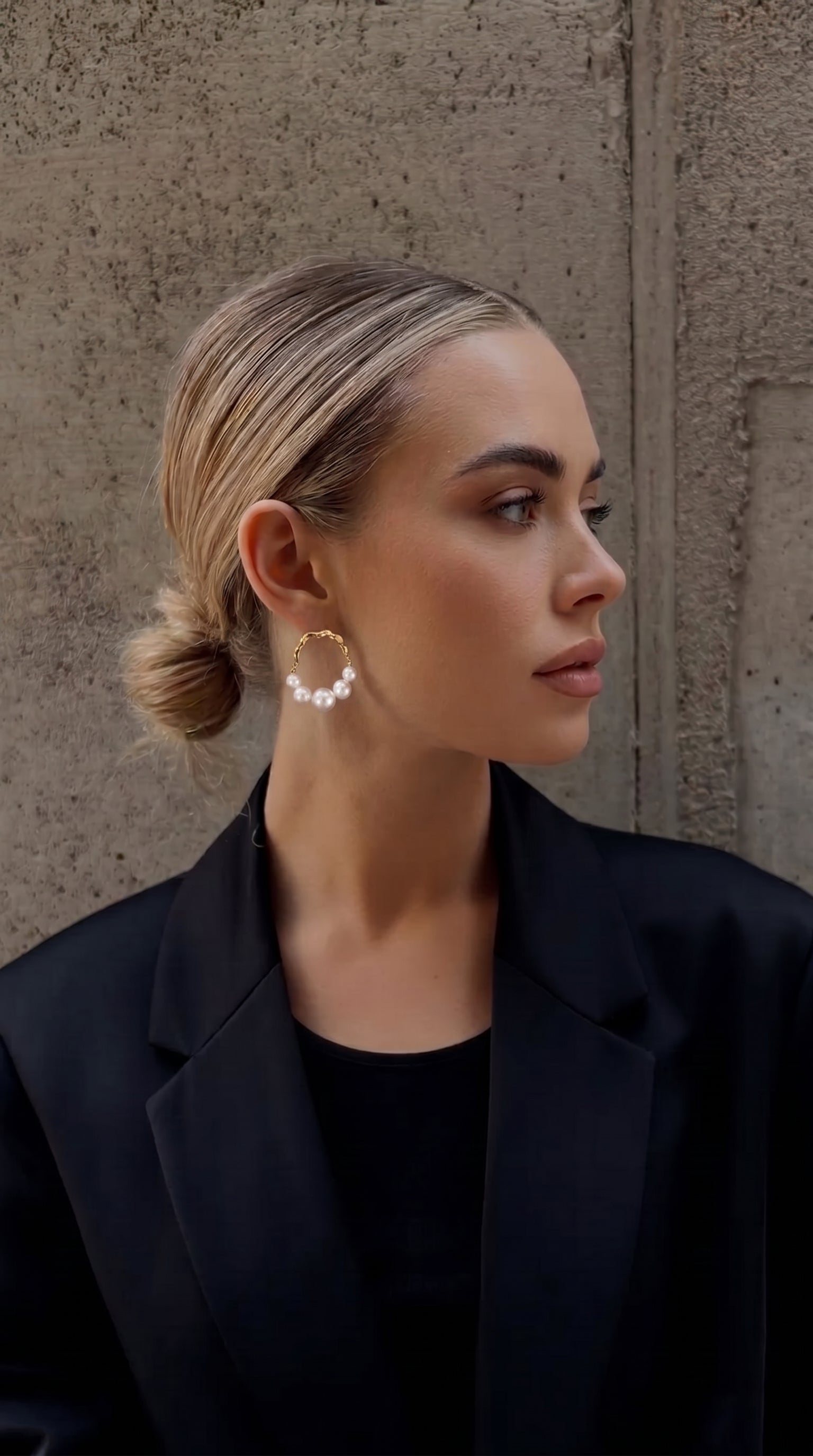
A sphere at the curve of a hoop. Round pearls suit this better than any other shape, because a sphere reads correctly from every angle and needs no particular orientation in the setting.
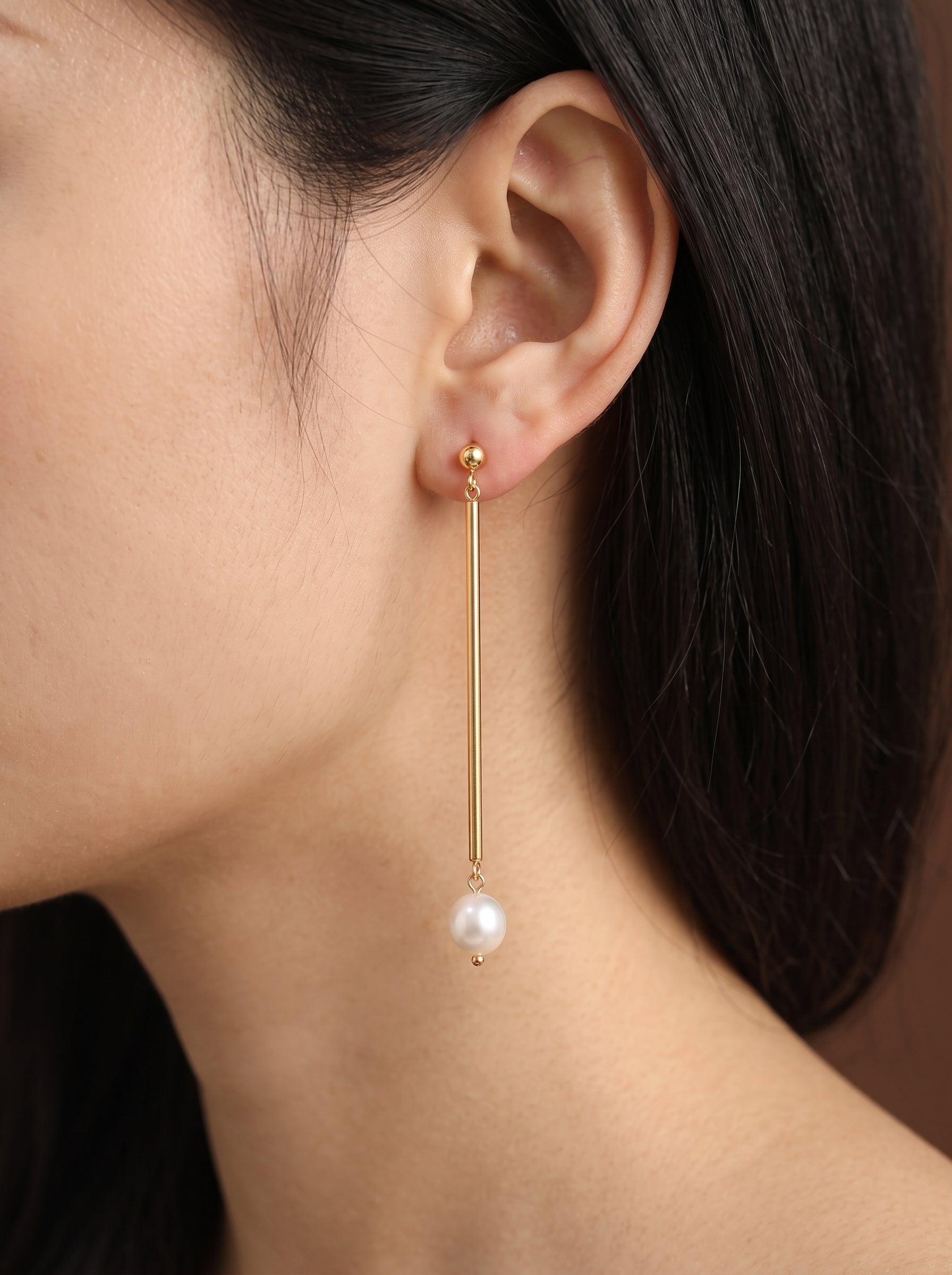
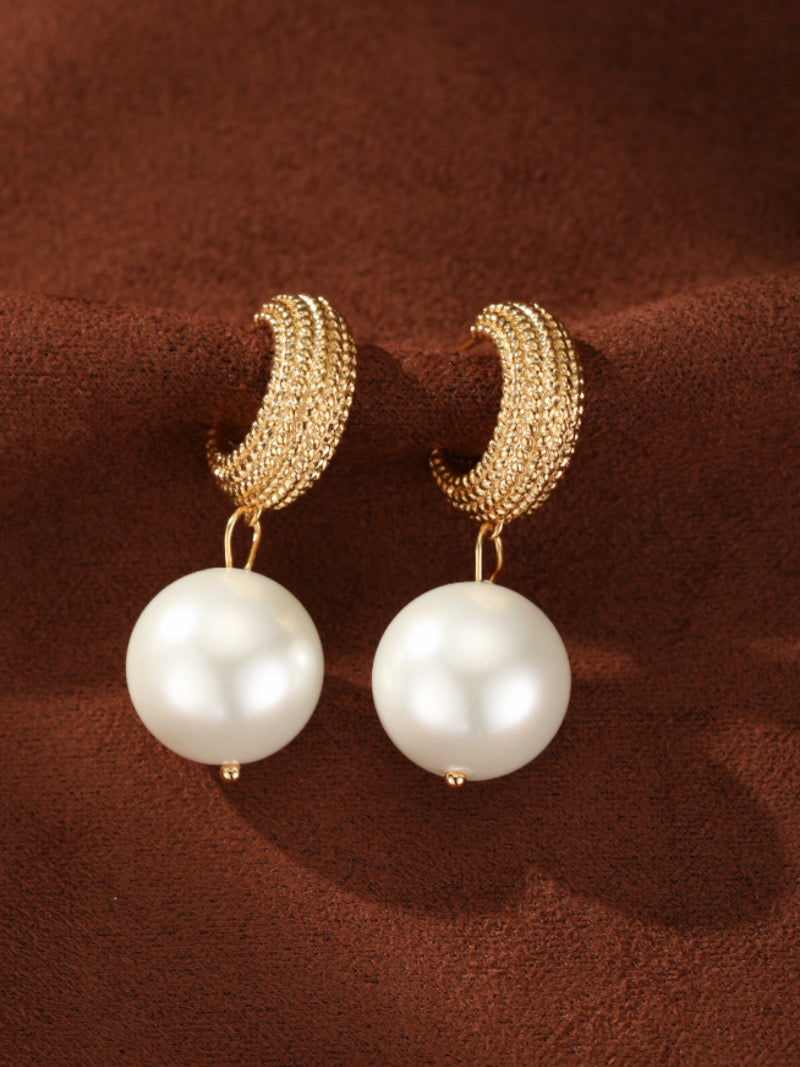
Drops
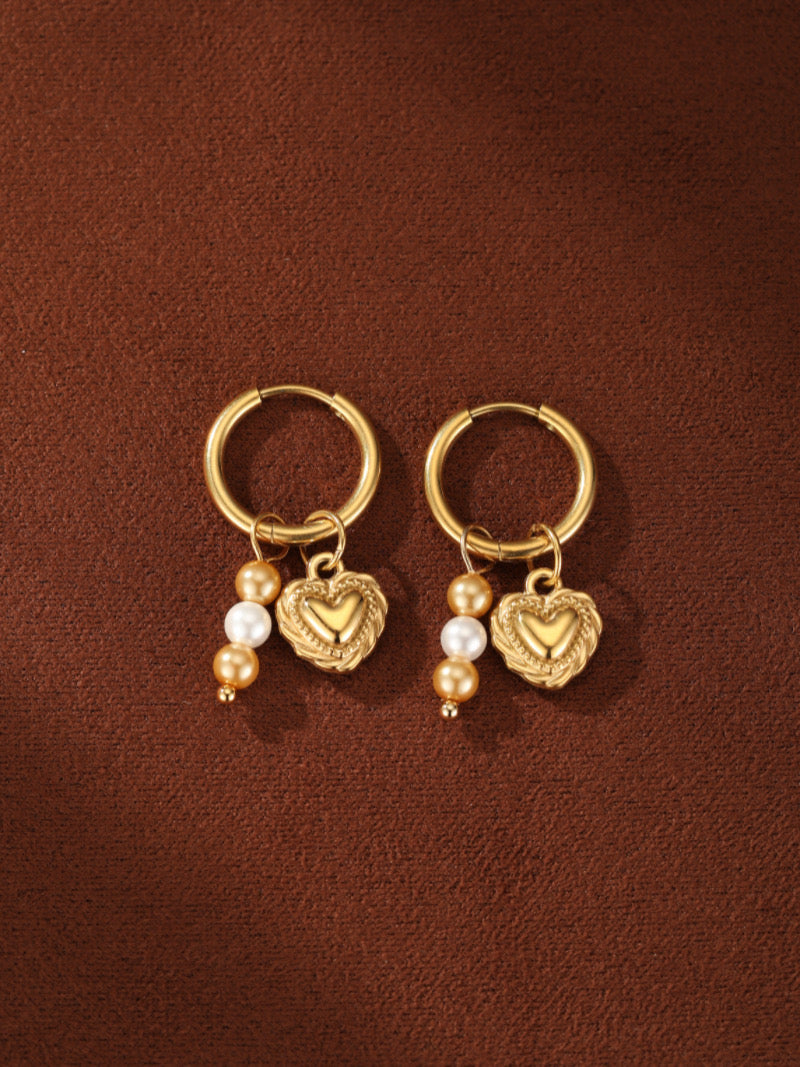
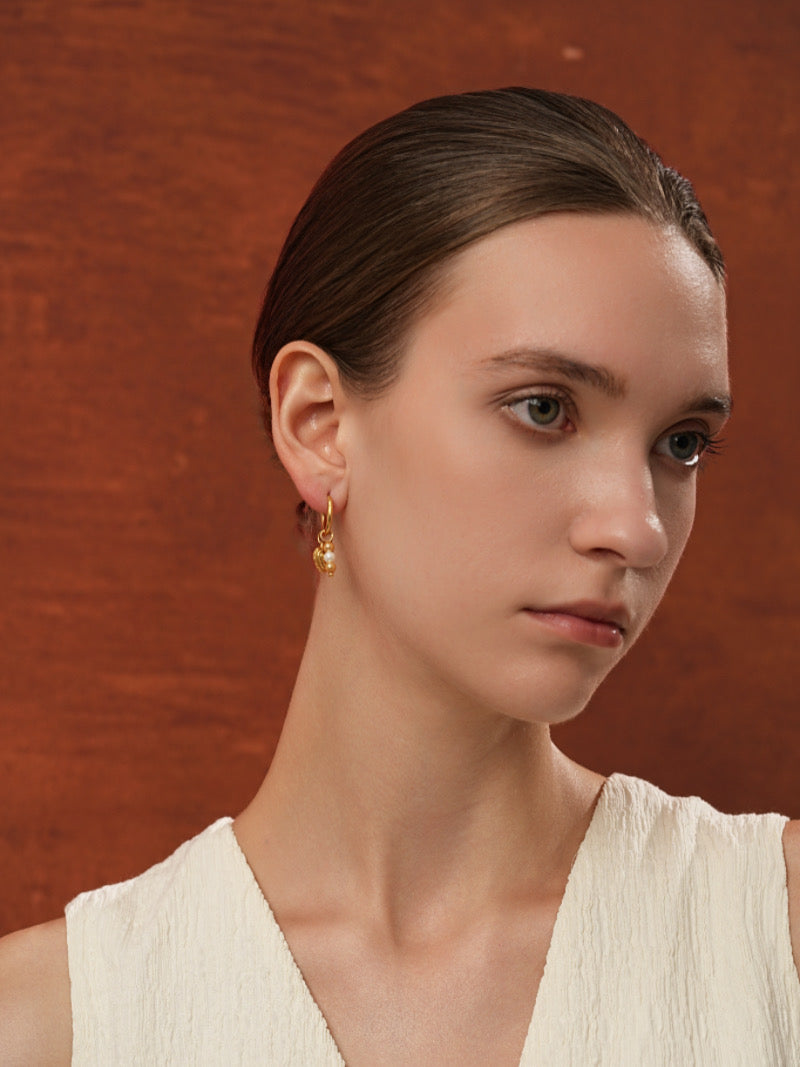
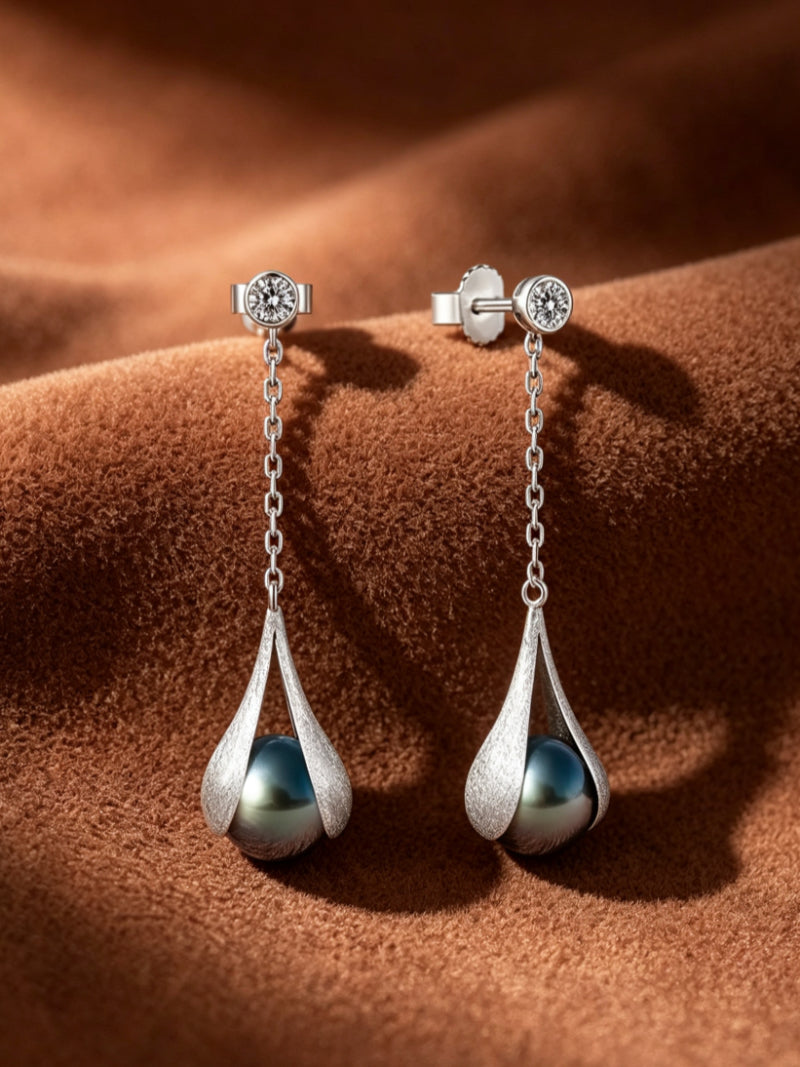
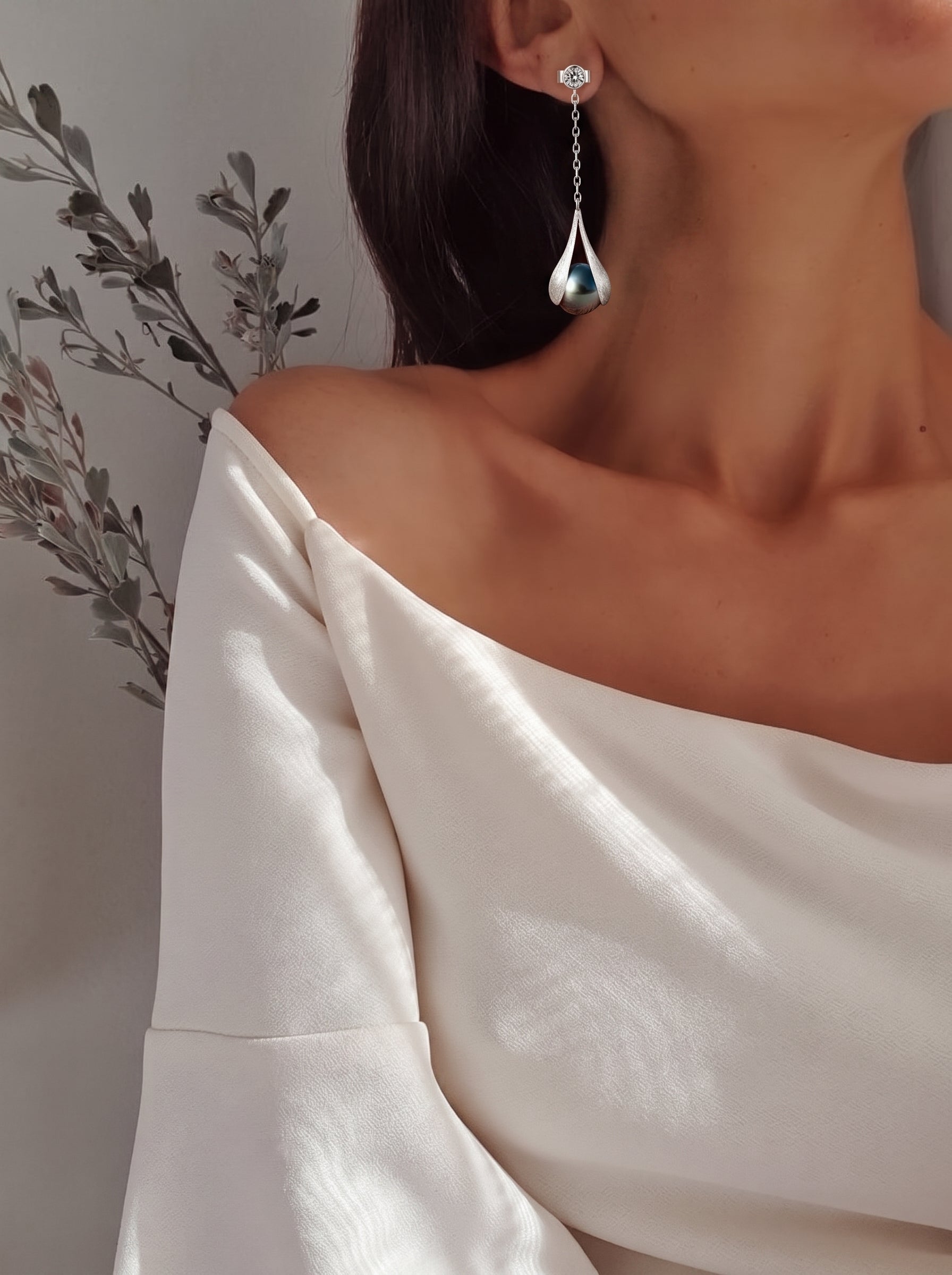
A round pearl suspended below the lobe. Cleaner and more formal than a baroque drop, since the eye reads a familiar shape rather than an unrepeatable one.
Why buy round pearl earrings from Grande Lilith
Round is the shape people pay a premium for, which makes it the shape most loosely described. Near-round is routinely sold as round.
- Shape stated as one of eight provenance markers on every product page, alongside grade rather than merged with it.
- Sourcing named to place: Zhuji, Japan, French Polynesia.
- Partners vetted by our GIA-certified pearl specialist, on working conditions as well as quality.
- Nickel-free, lead-free and cadmium-free posts and fastenings across every metal.
- Designed in Paris. Thirty days to change your mind, and every order arrives in a magnetic pouch.
Frequently asked questions
What is the difference between round and near-round?
Round means under two percent variation between the largest and smallest diameter. Near-round allows more. The difference is invisible to most people at normal viewing distance but significant in price.
Are round pearls better than button or baroque?
Rarer, not better. Quality is luster first, then surface cleanliness and nacre thickness. A button pearl with strong luster is a better pearl than a round one without it, and it sits more comfortably against the lobe.
What size round pearl earrings are most classic?
Seven to eight millimetres. That size has been standard for pearl studs for decades because it reads clearly without dominating the ear, and it suits almost every face and occasion.
How do you check that a pair is well matched?
Hold the two pearls side by side on a white surface and look along them rather than at them. Size steps and color differences become obvious from that angle in a way they are not in a photograph taken from the front.
Can you wear round pearl earrings every day?
Yes, and studs are made for it. Put them in after perfume and hairspray have dried, since alcohol dulls nacre faster than anything else in an ordinary routine.