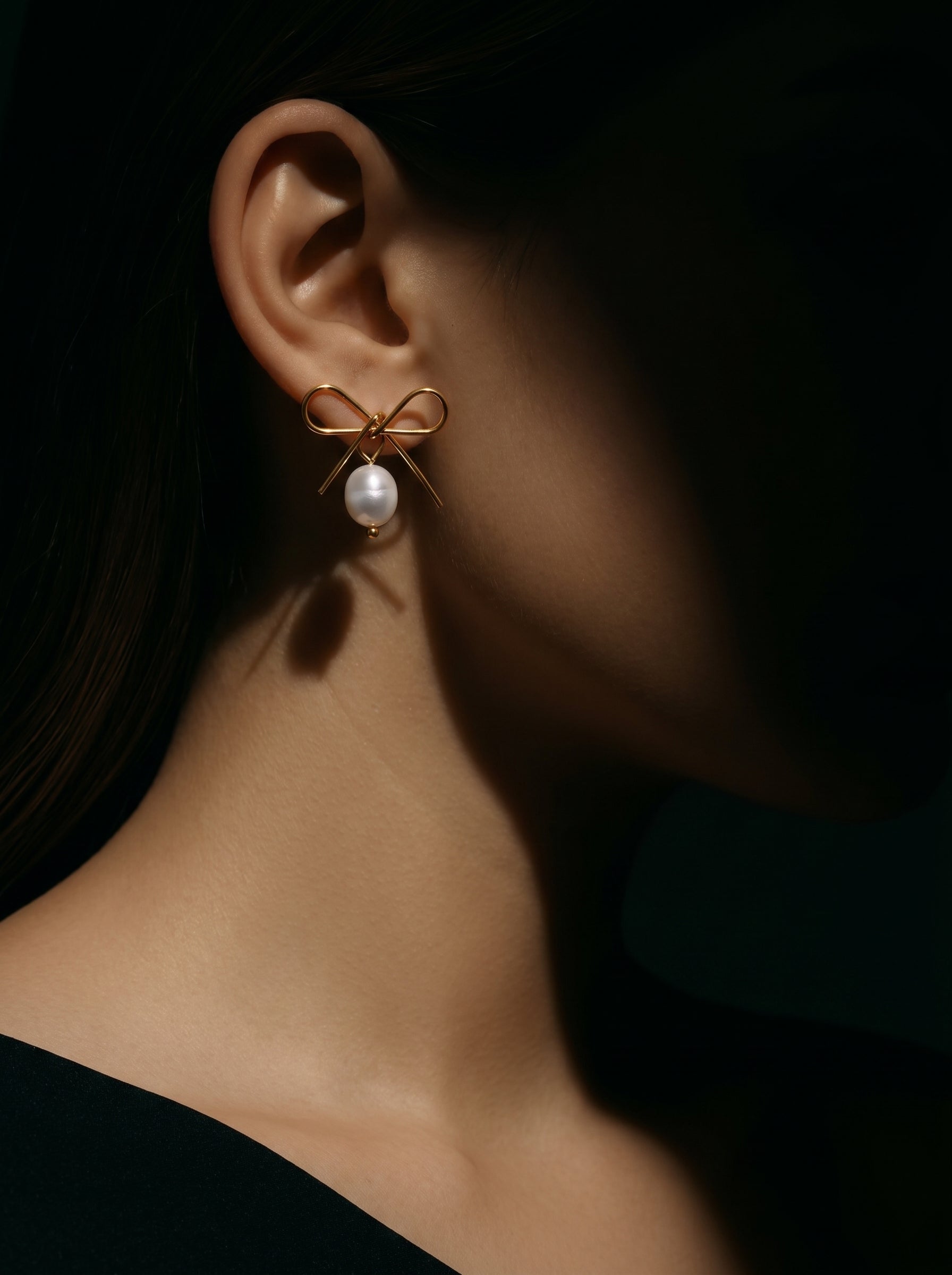
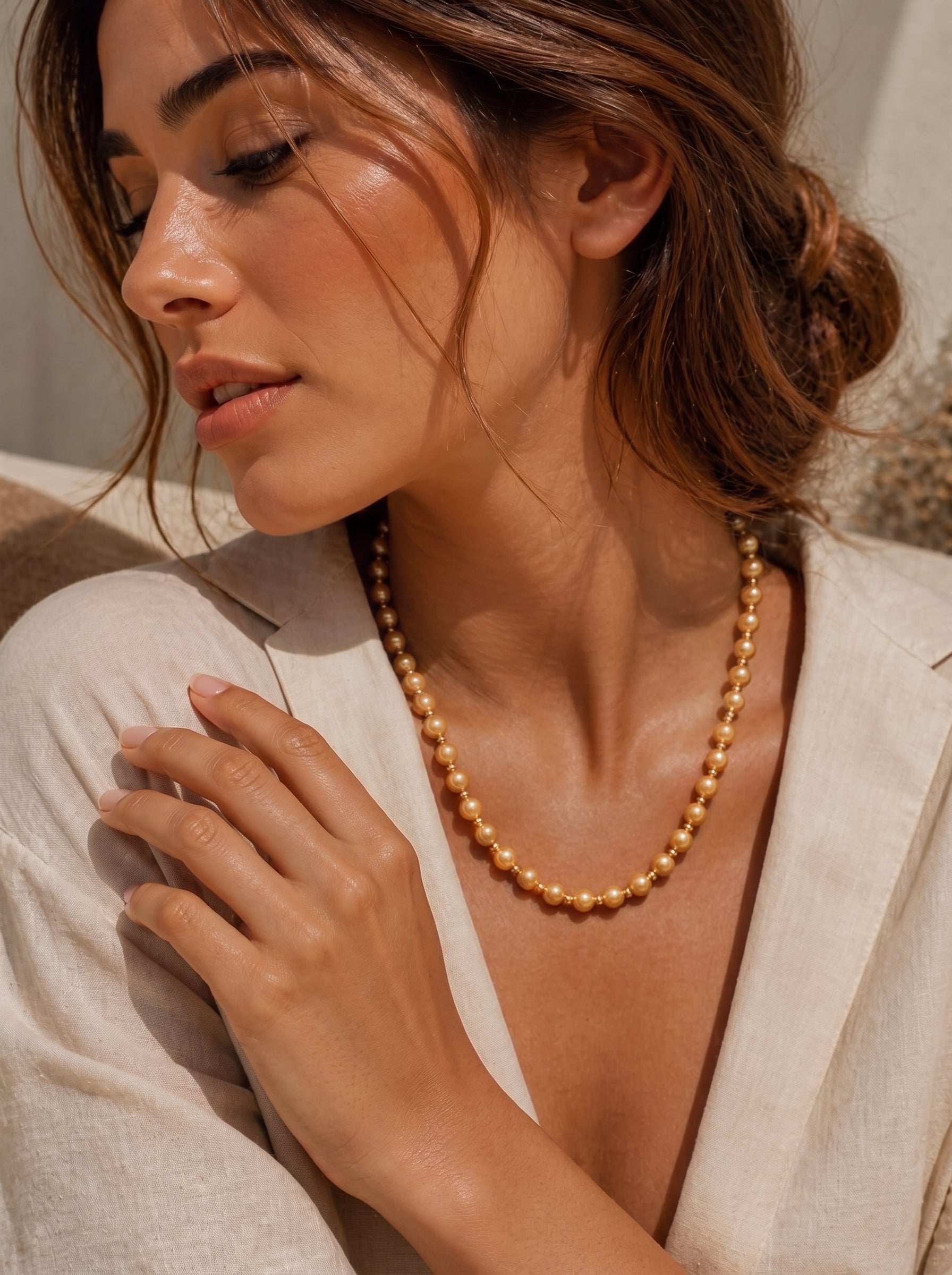
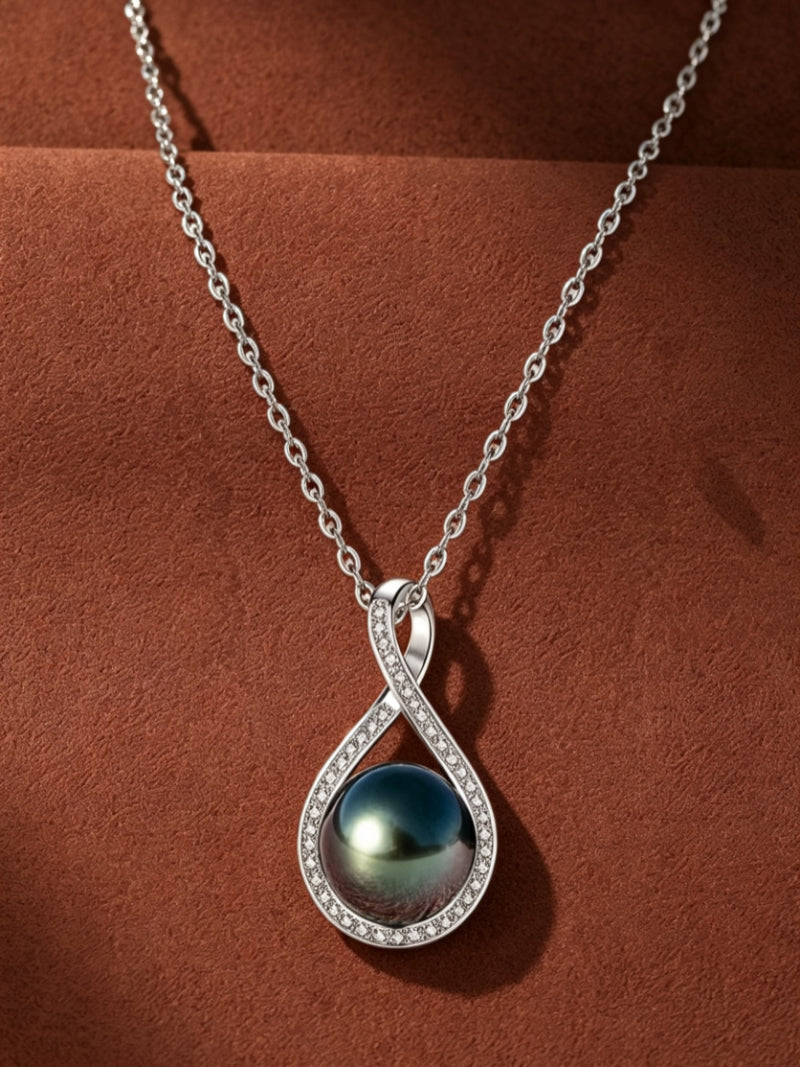
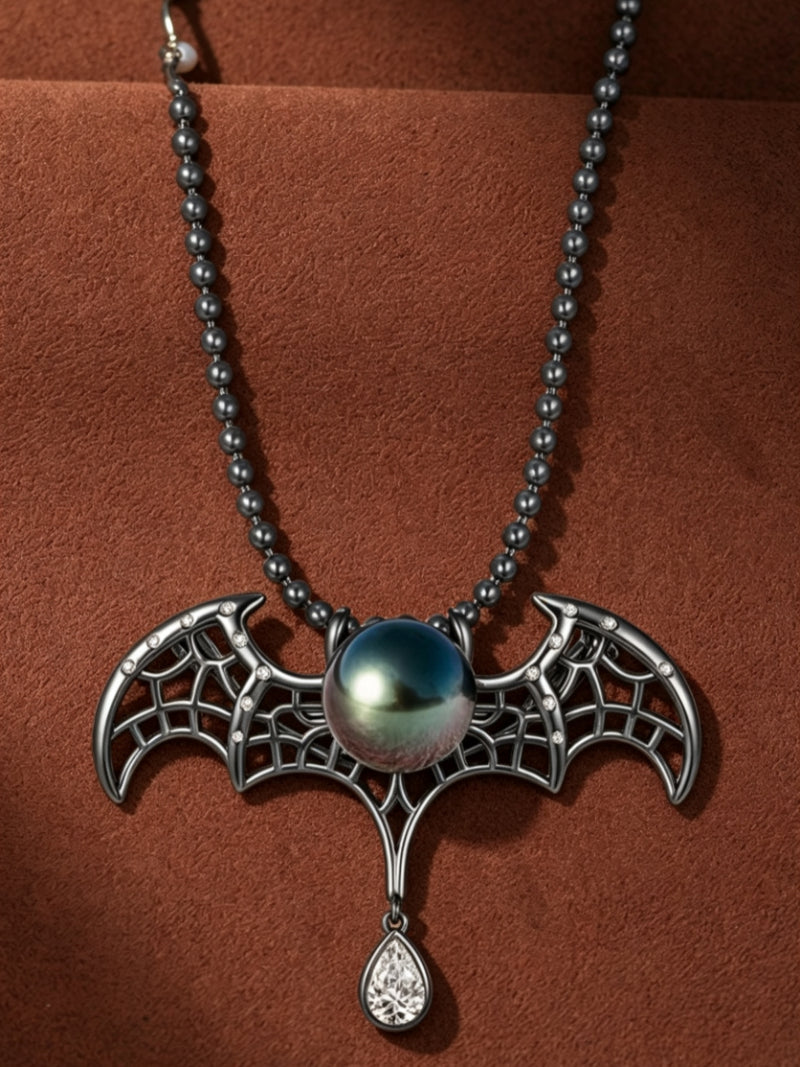
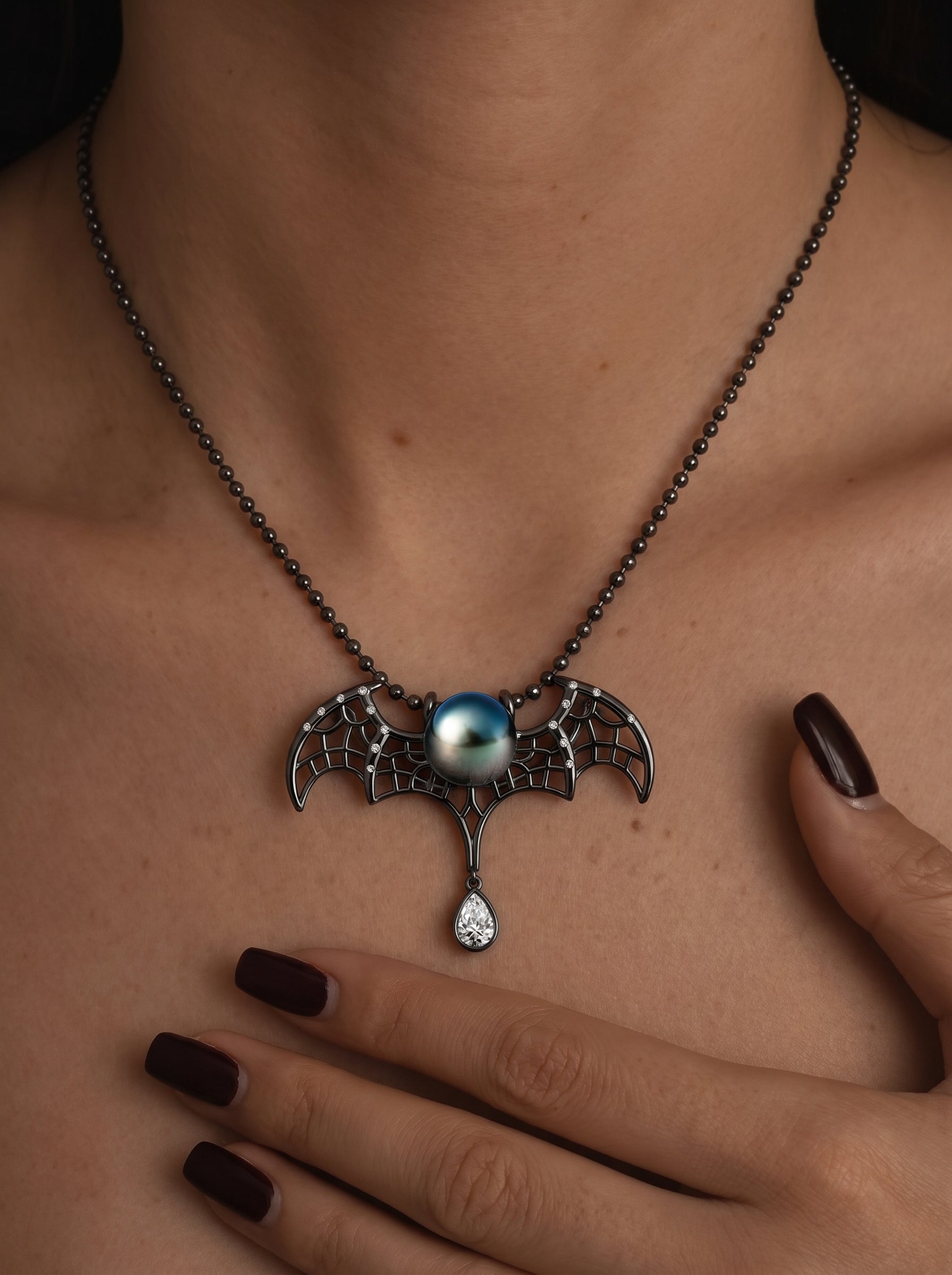
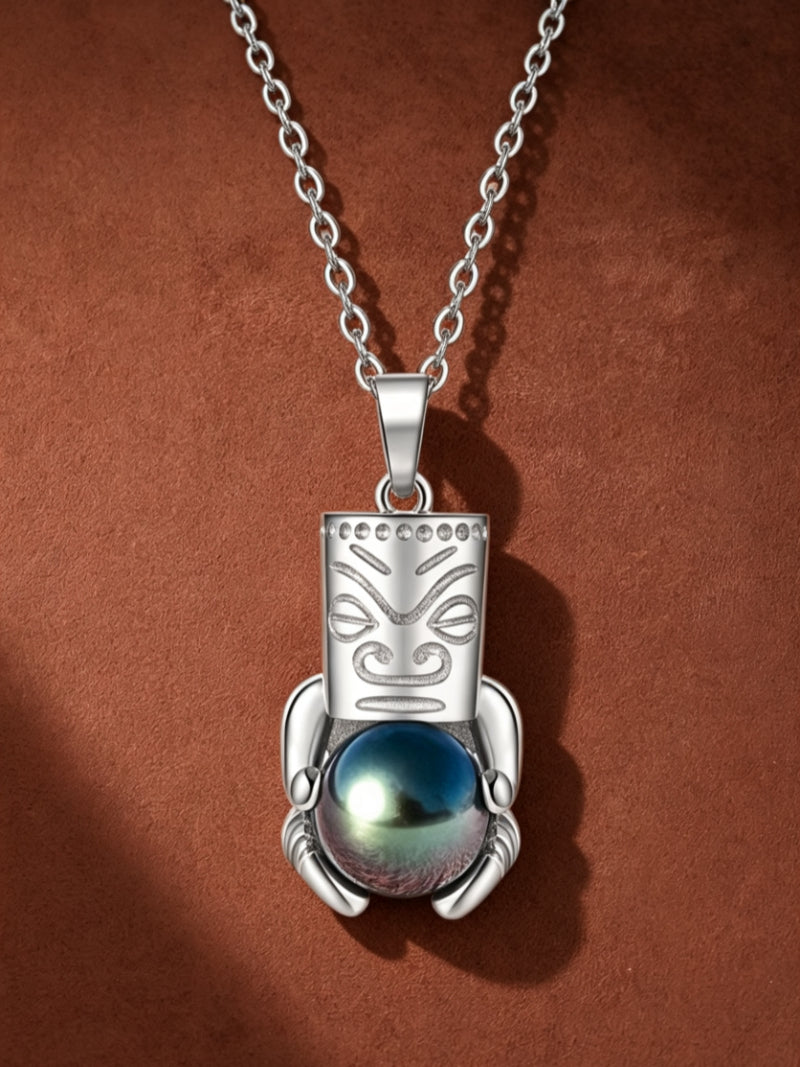
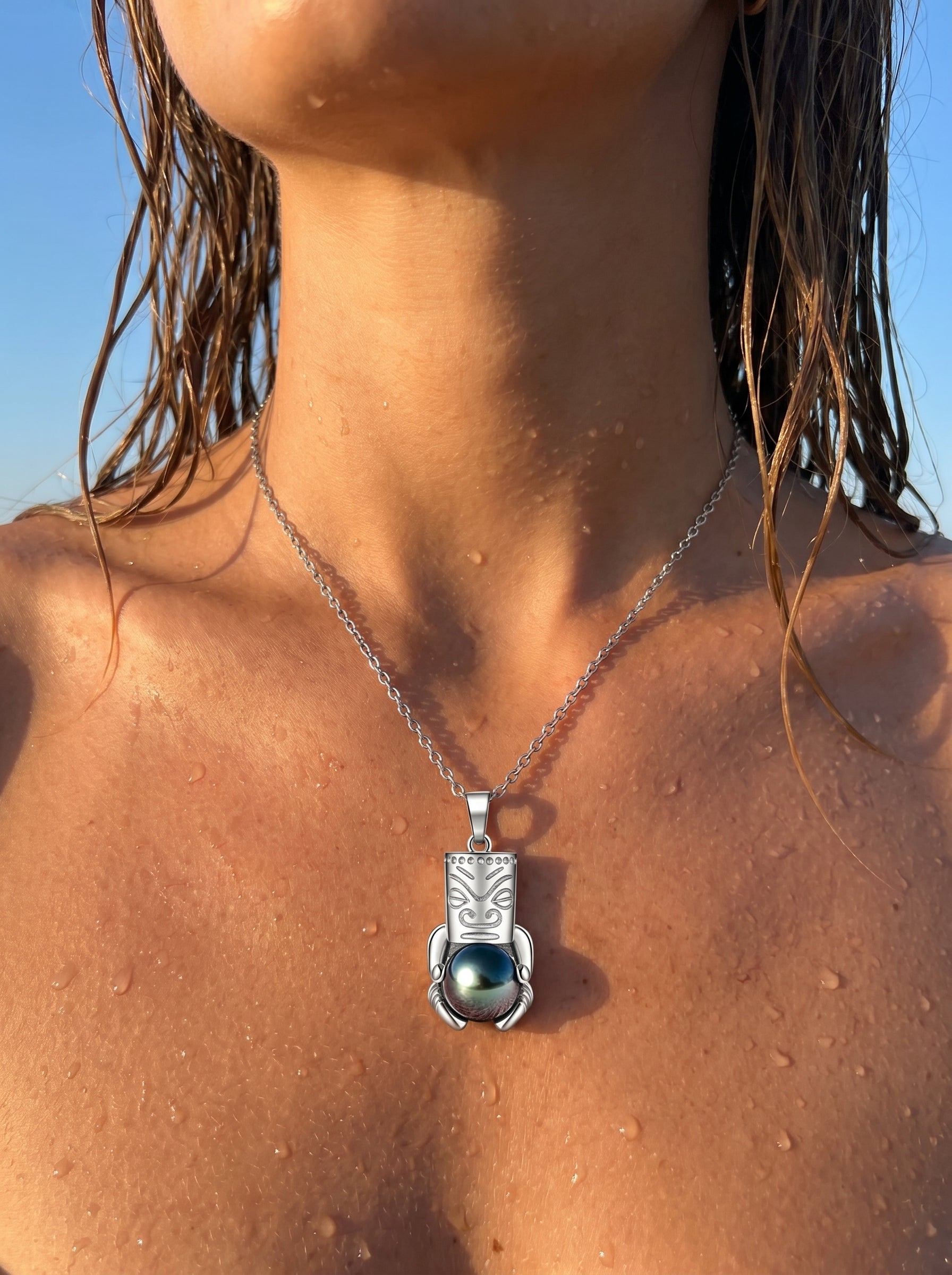
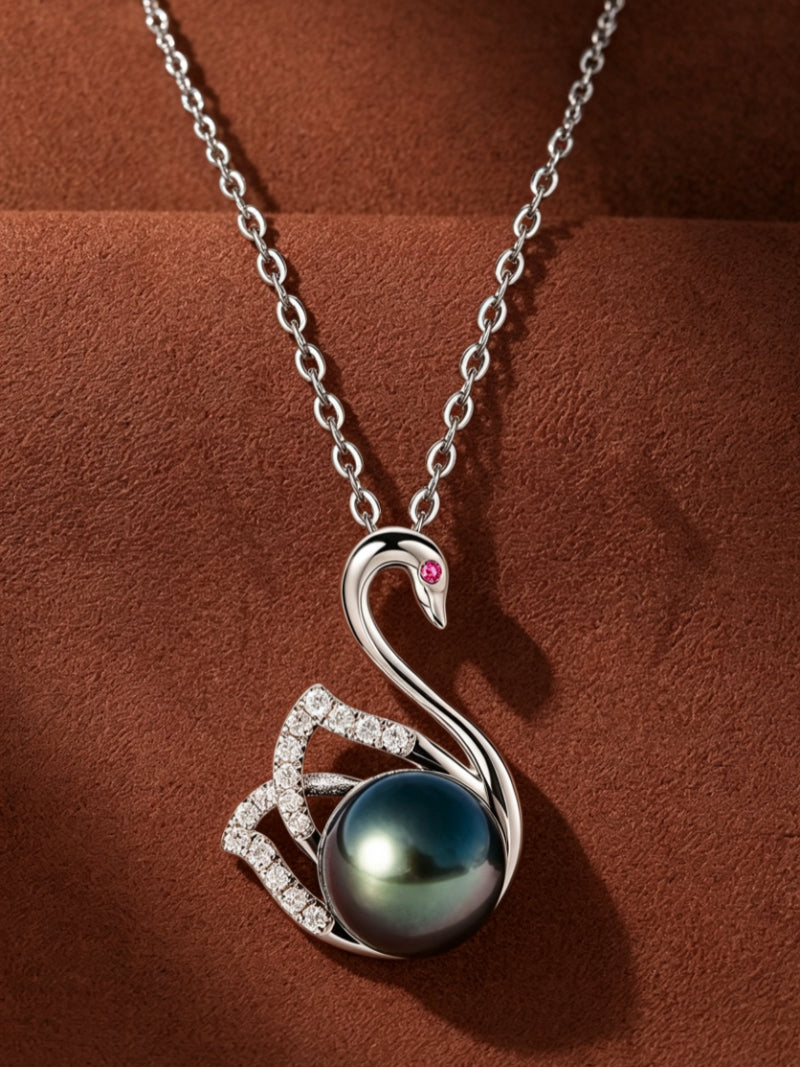
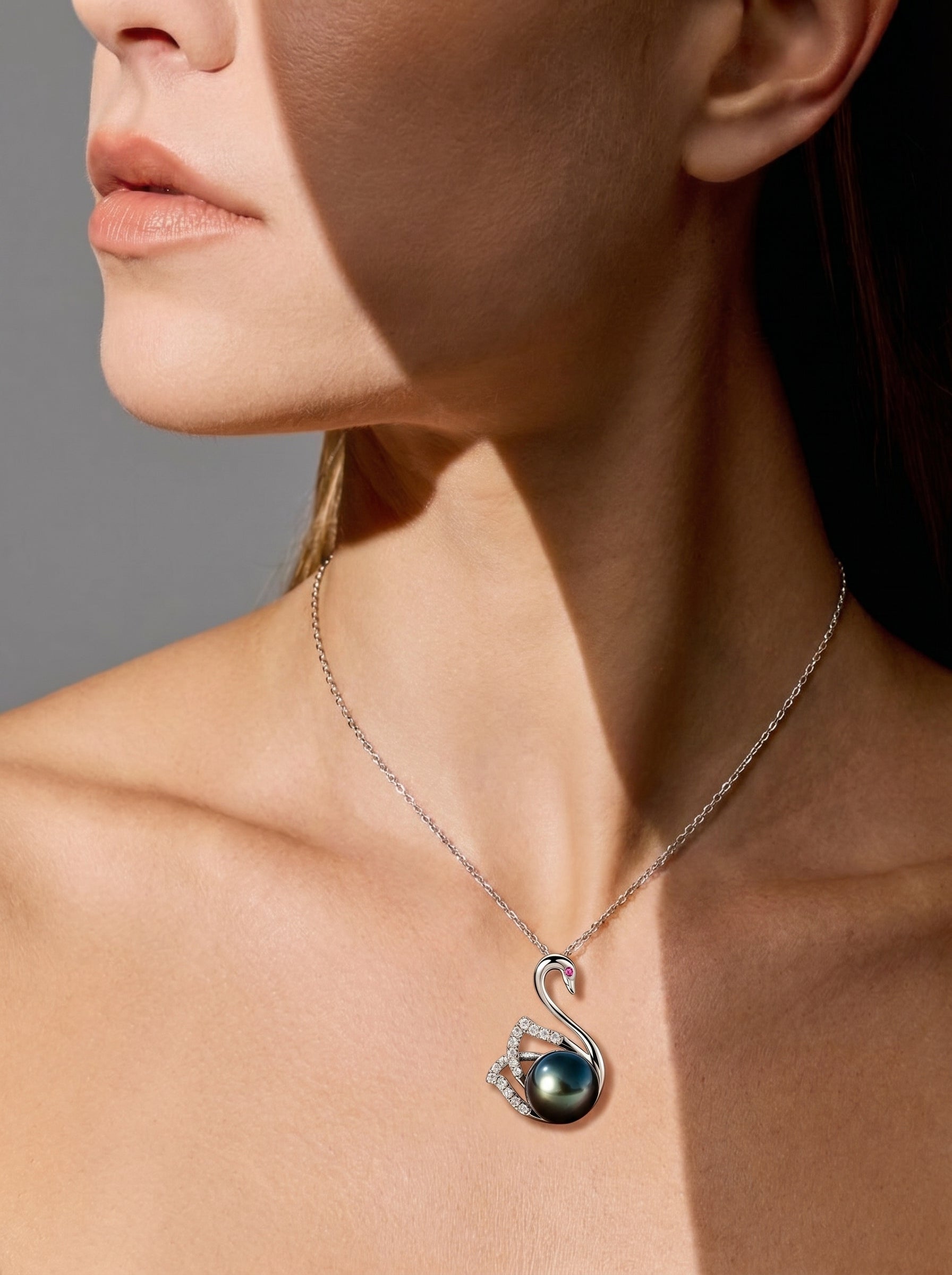
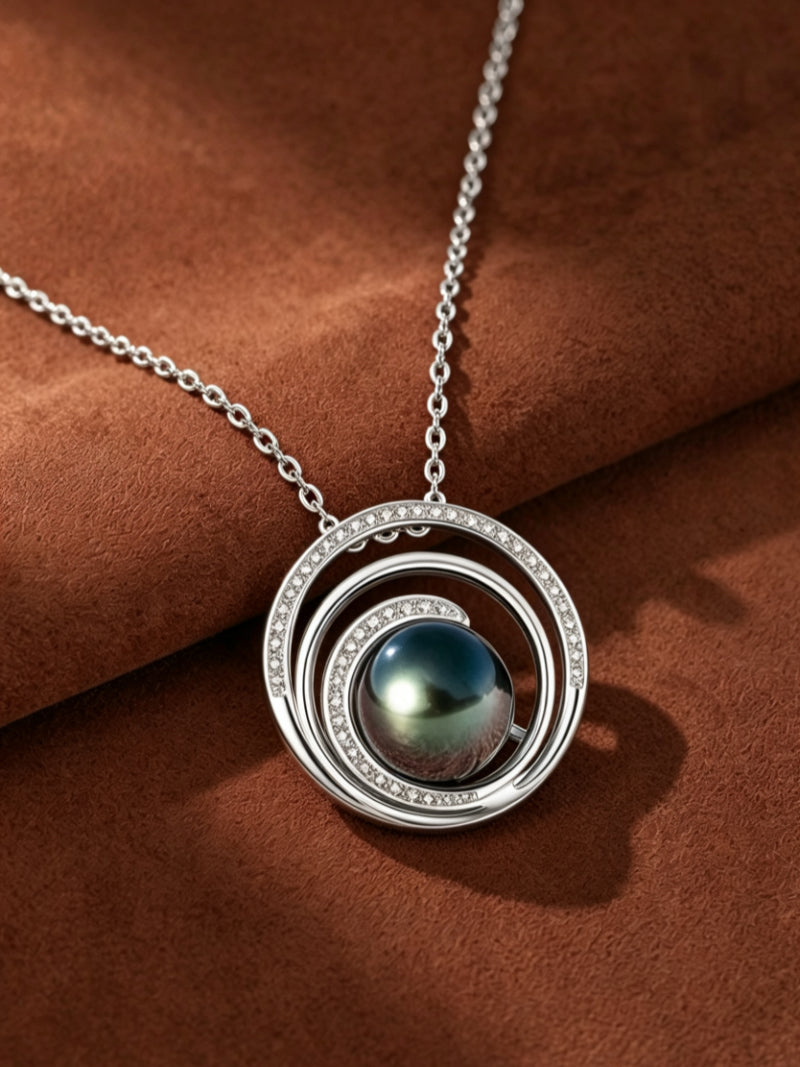
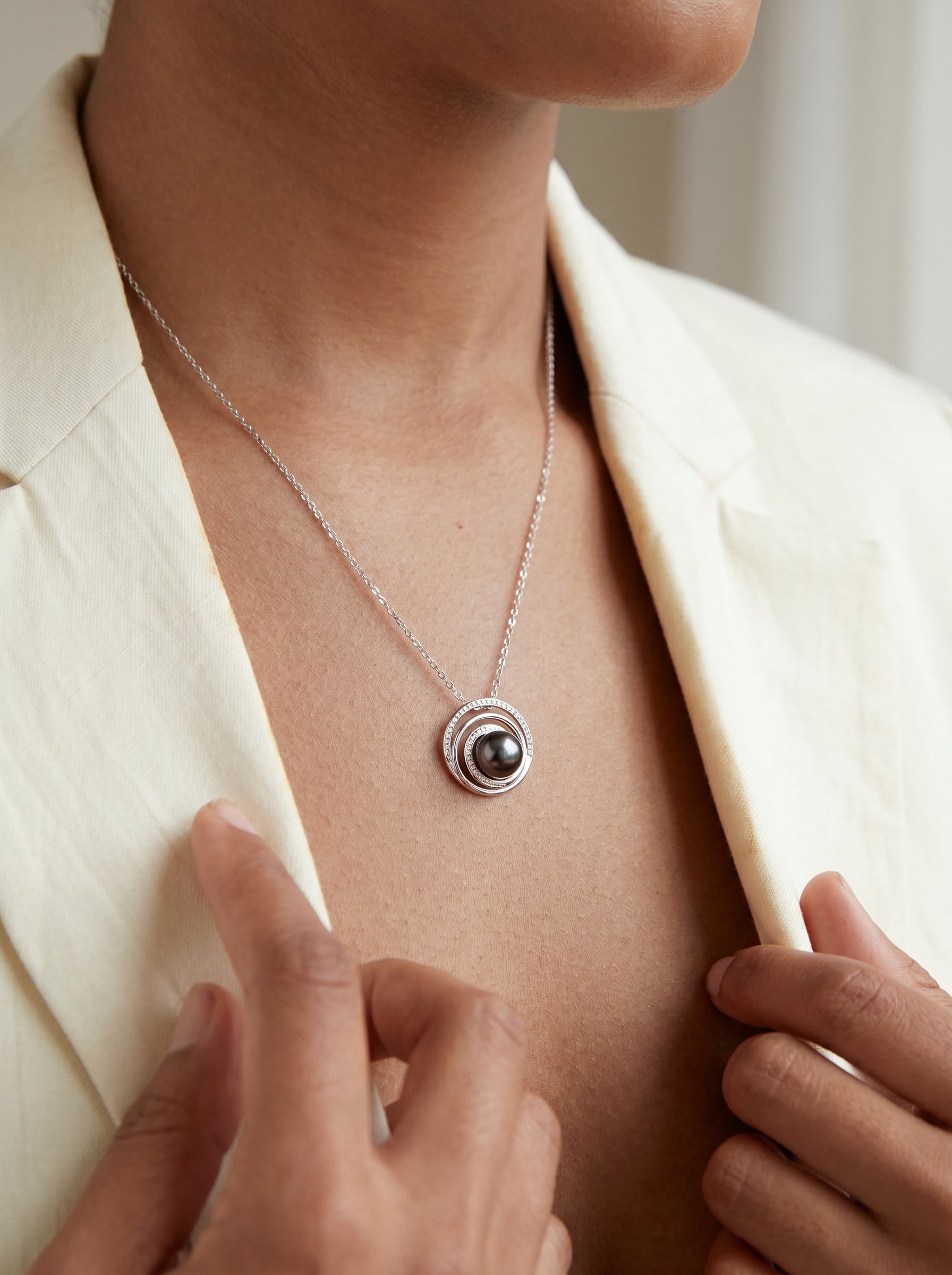
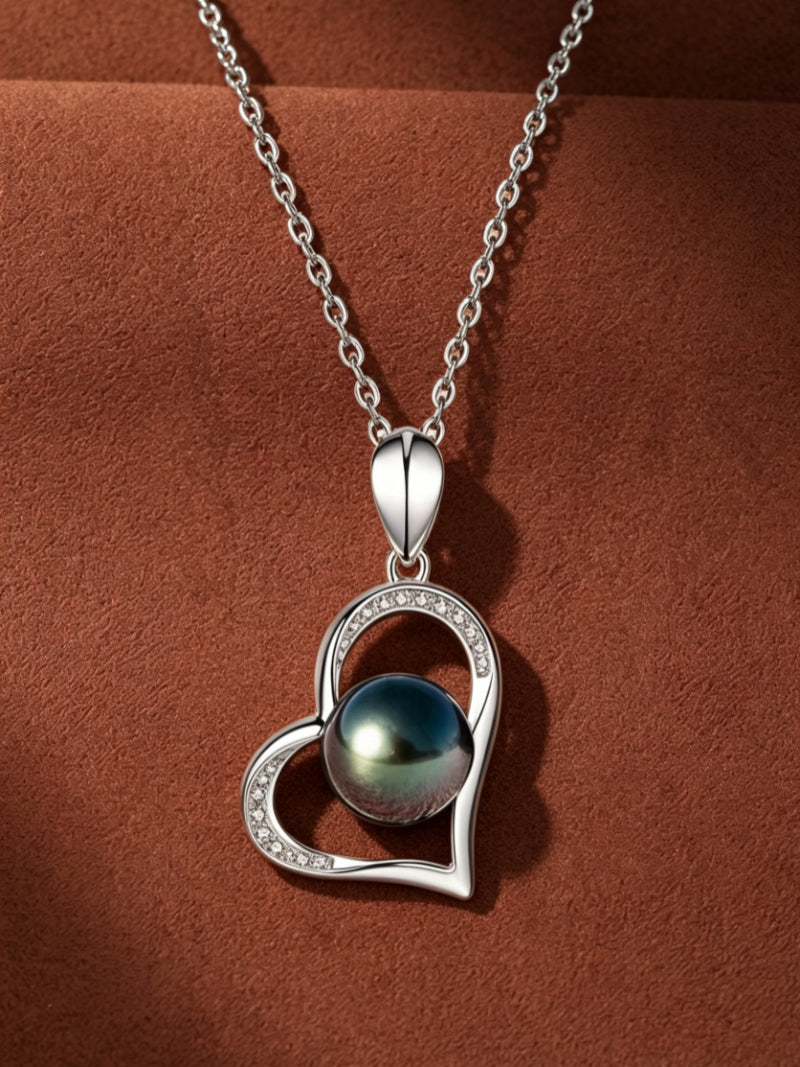
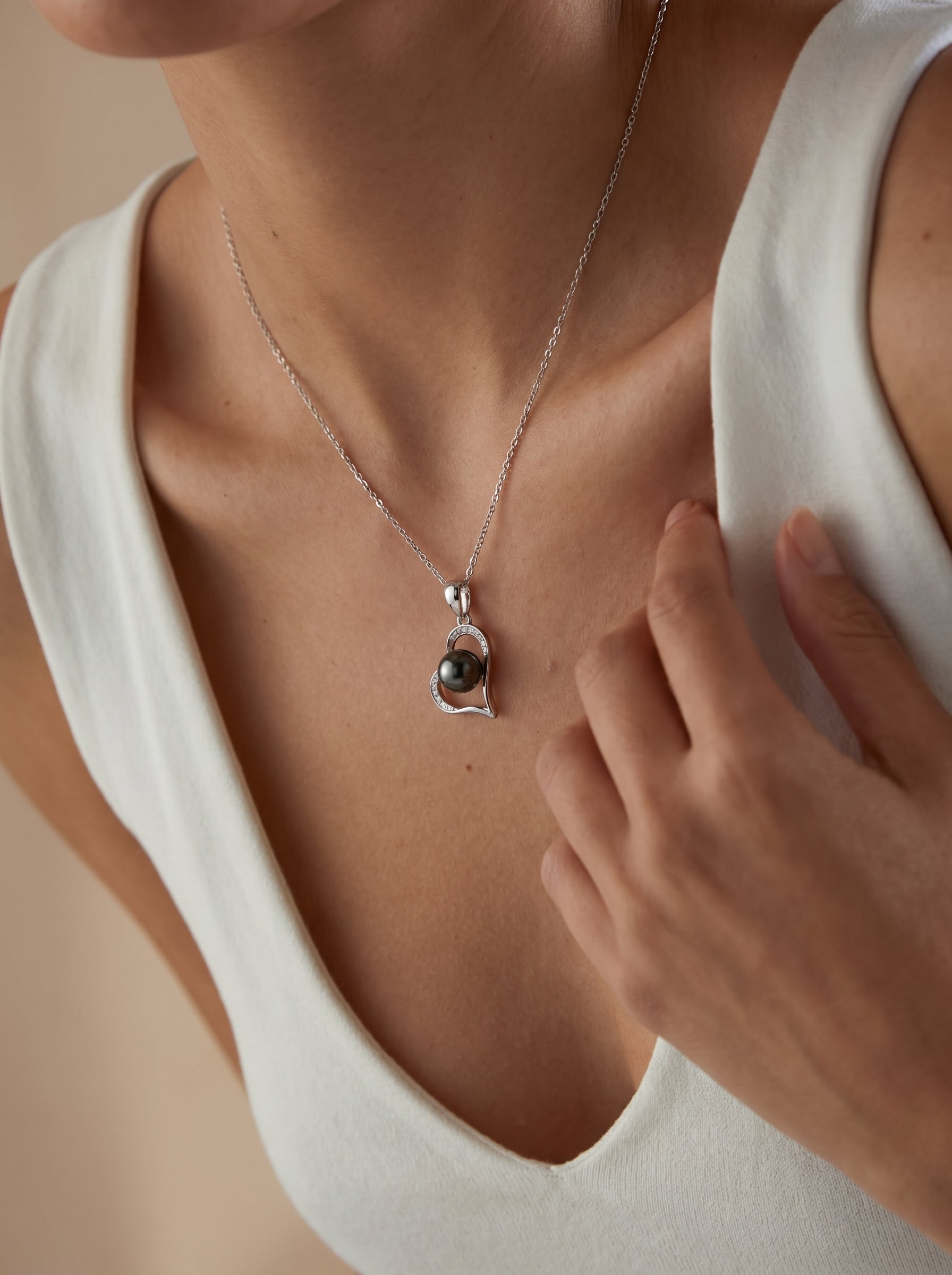
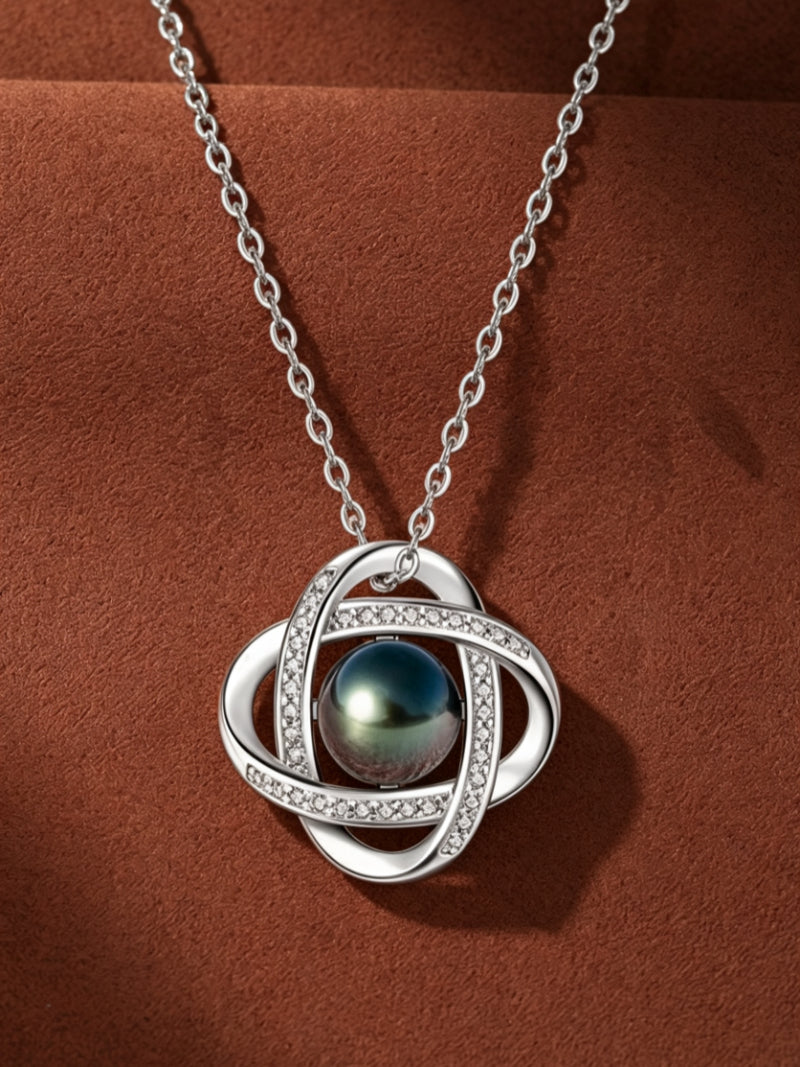
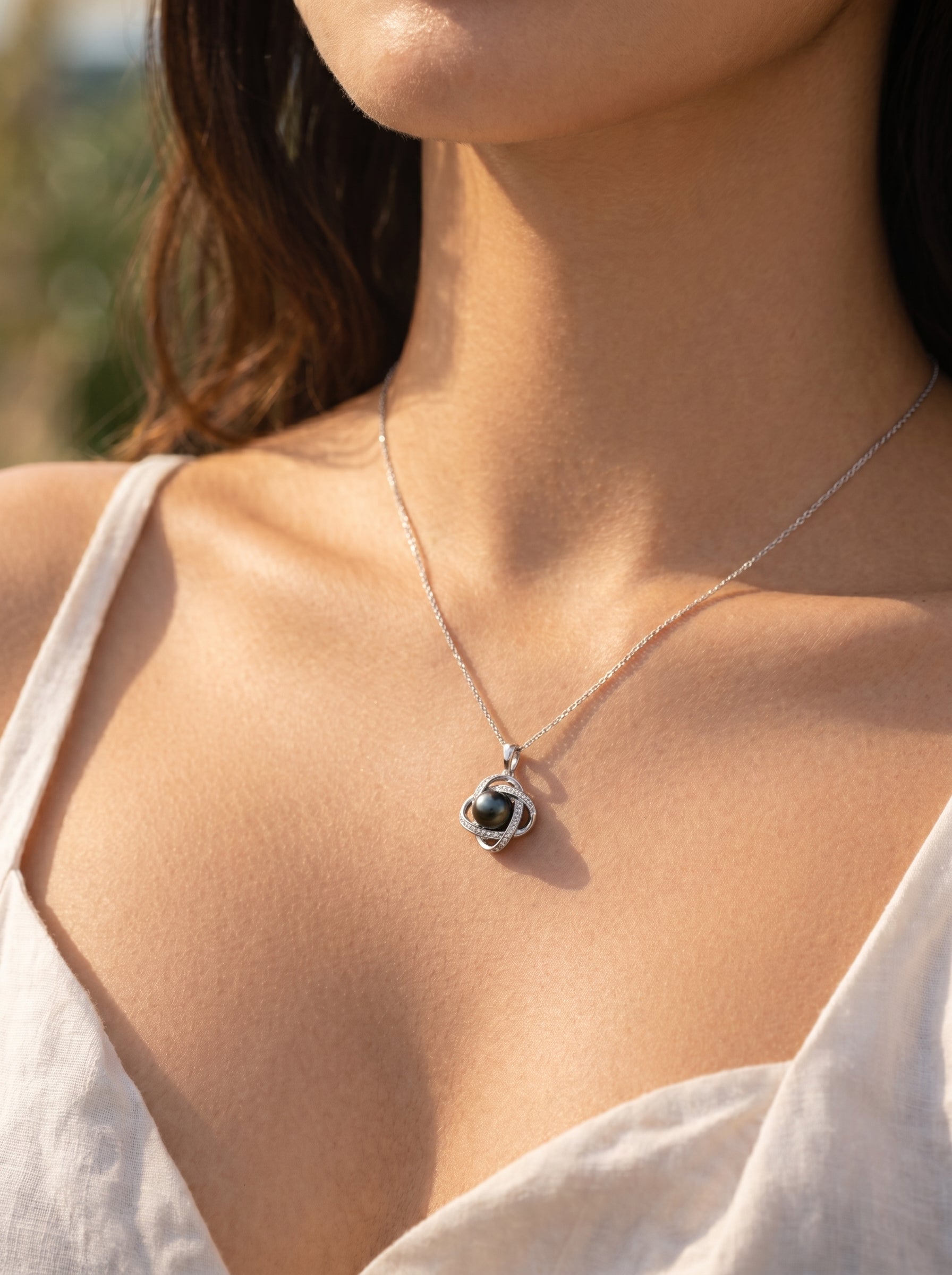
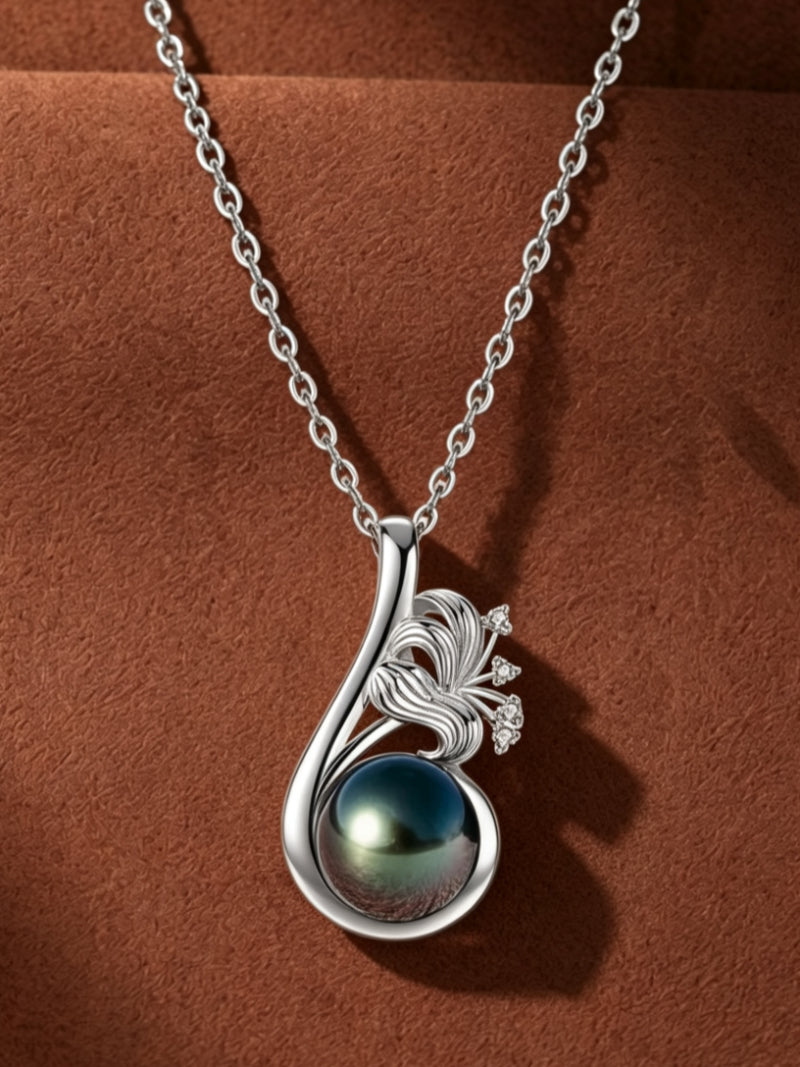
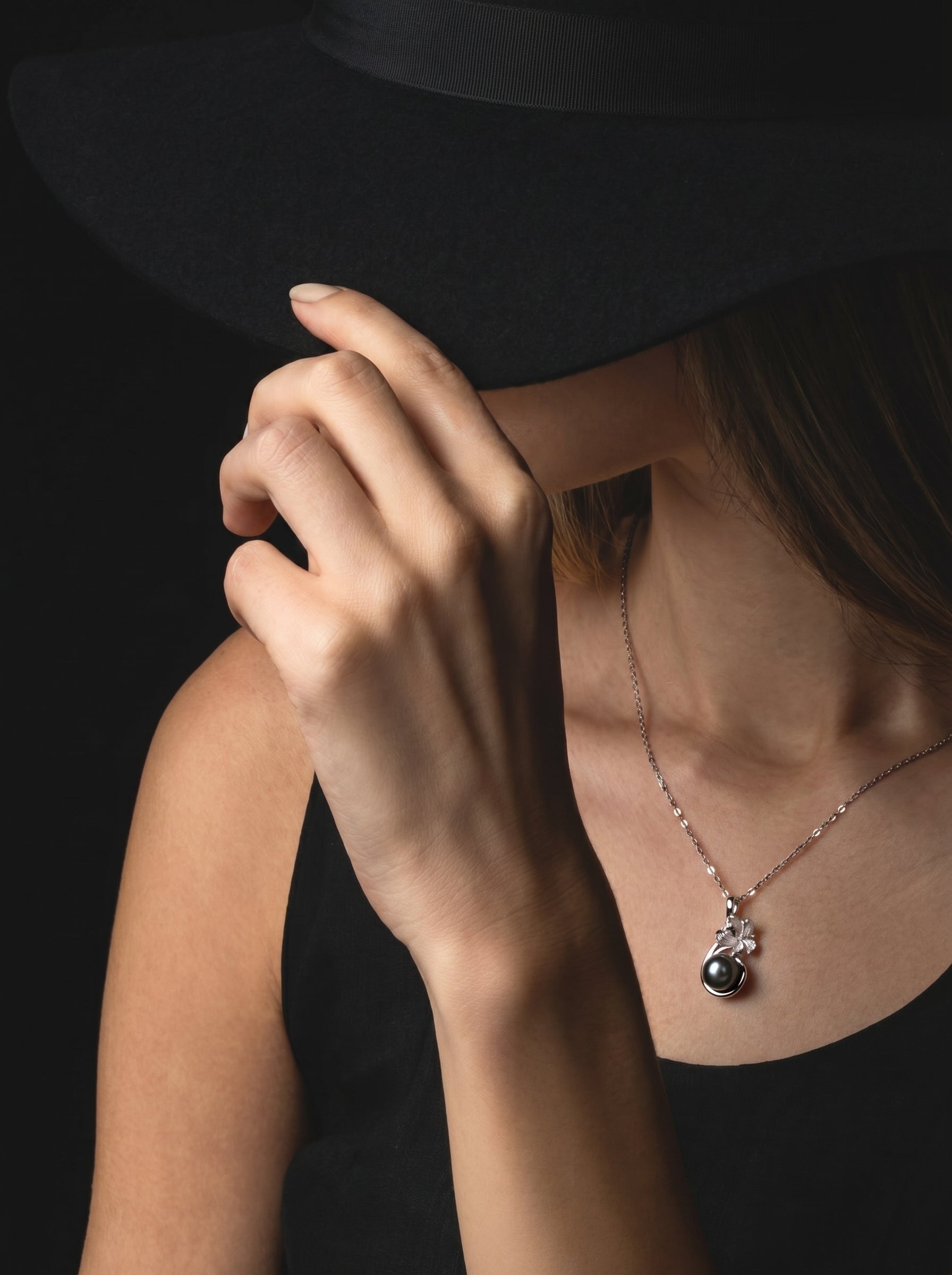
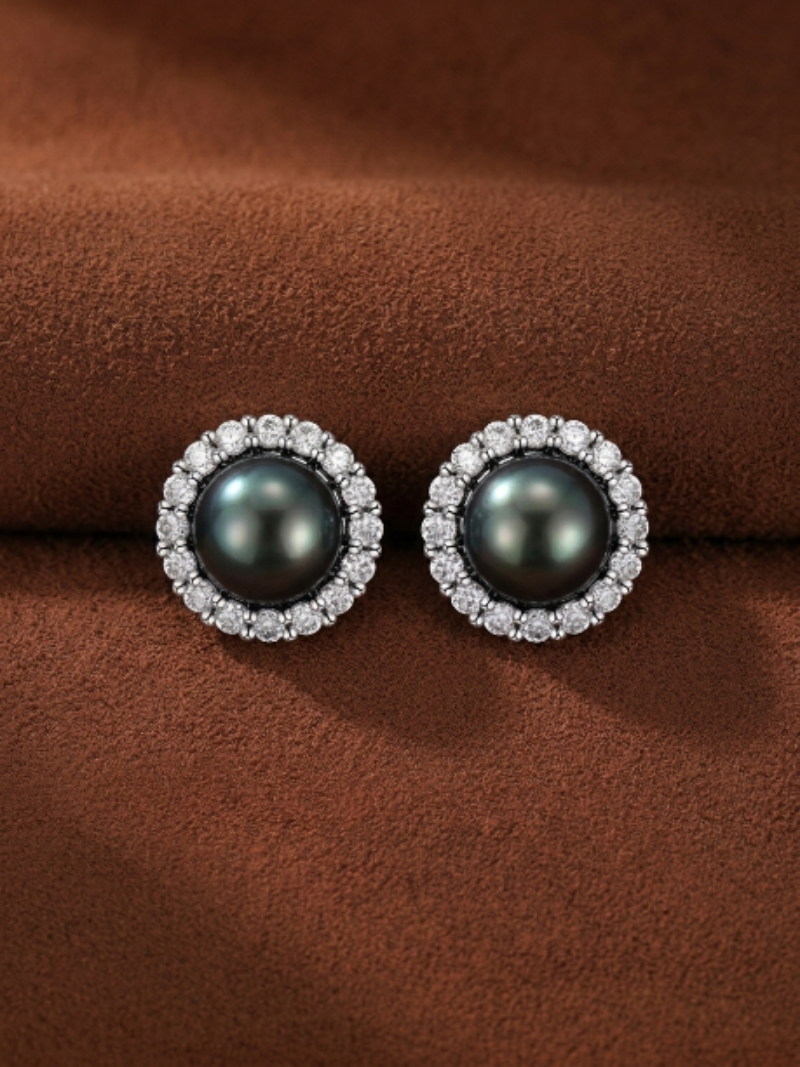
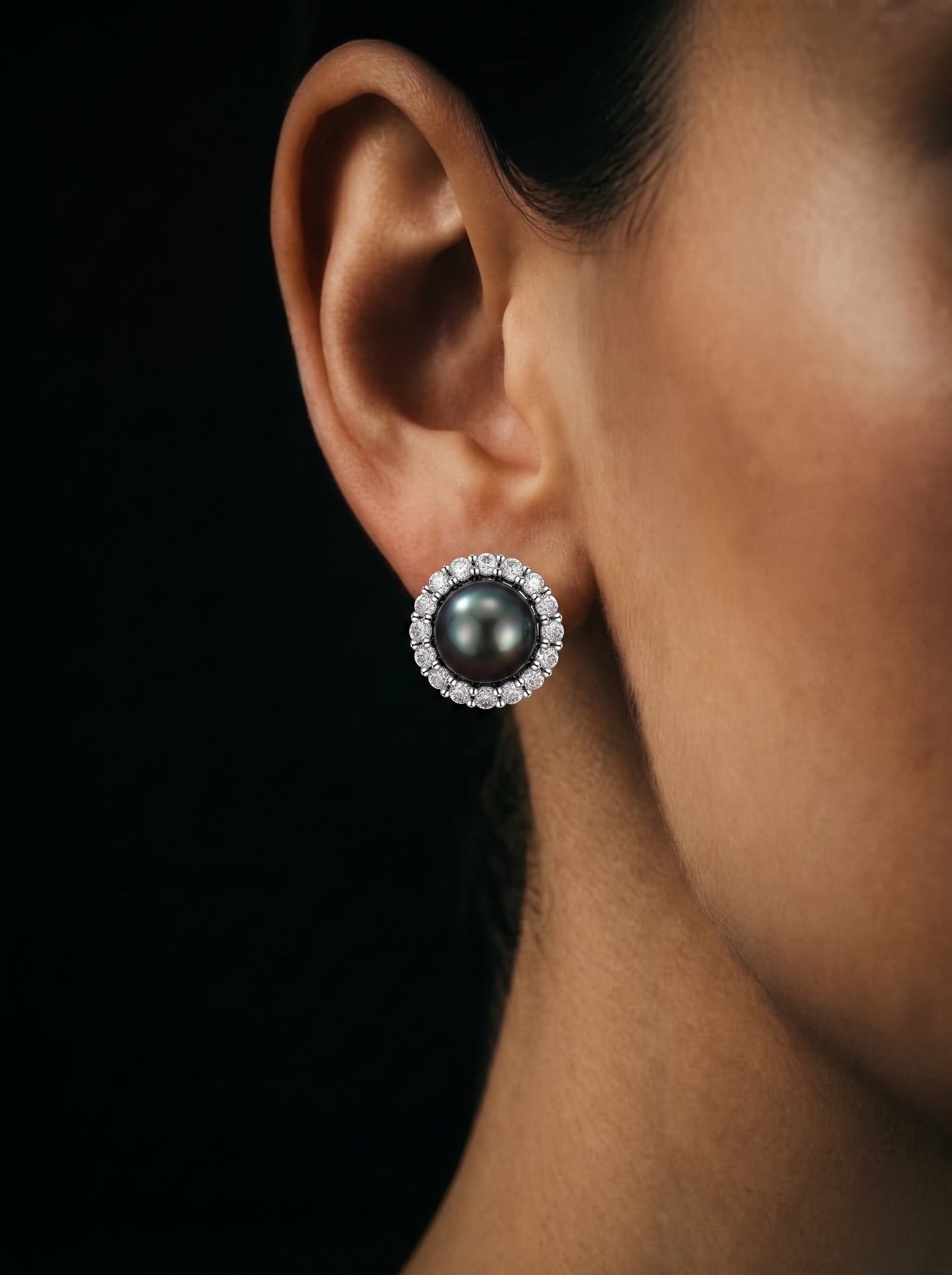
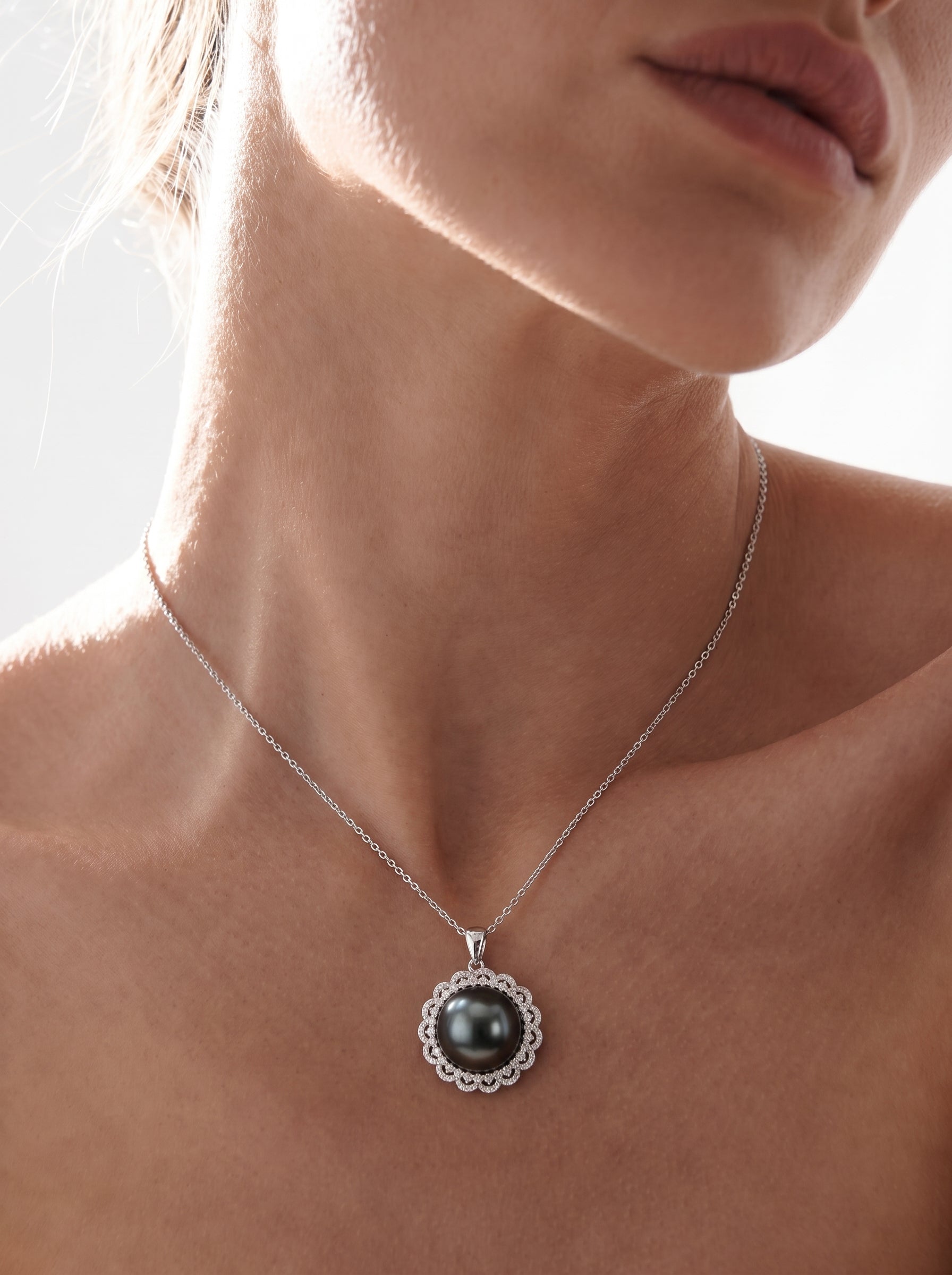
A Mabe pearl has a domed face and a flat back, which lets it be set at a size a fully round pearl could not reach at the same price. It sits close, it never spins, and it gives a plain ear or hand real presence.
What is a Mabe pearl?
A Mabe pearl is a blister pearl, grown against the inside of the shell rather than free within the mollusk. A dome-shaped nucleus is attached to the shell wall, and the animal coats it with nacre over months.
When harvested, the dome is cut from the shell, the nucleus is removed, and the hollow is filled and backed. The result is a half-pearl with a domed nacre face and a flat base.
Is a Mabe pearl a real pearl?
It is real cultured nacre, grown by a living mollusk, and it is correctly described as a Mabe or blister pearl rather than as a round cultured pearl. The distinction is in how it formed, not in whether it is genuine.
We use the term Mabe on every product page rather than letting it sit under the general word pearl, because a buyer should know that the back is flat and filled before it arrives.
Why choose a Mabe pearl?
Scale, for the money. A 15 mm Mabe pearl costs a fraction of a 15 mm round pearl, because it uses roughly half the nacre and takes less time to grow. If what you want is presence, this is the most efficient way to get it.
The flat back also solves a practical problem. A domed pearl sits flush against a lobe or a finger and cannot rotate in its setting, which round pearls sometimes do over years of wear.
What forms suit Mabe pearls?
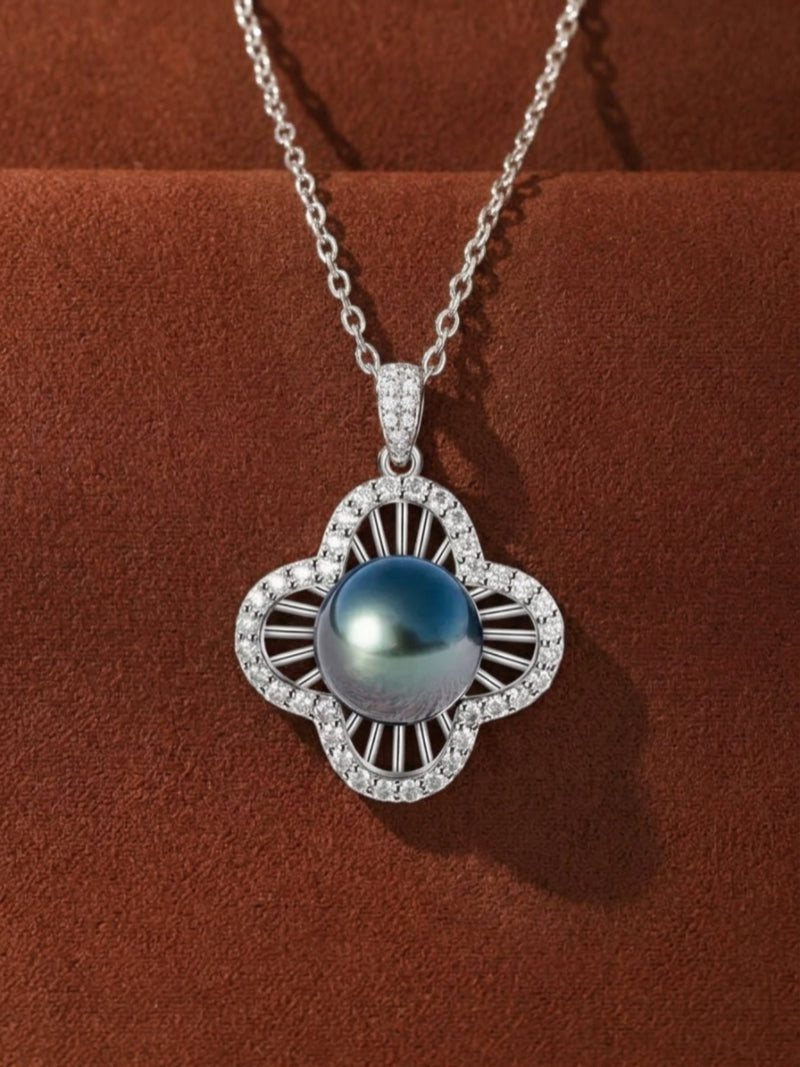
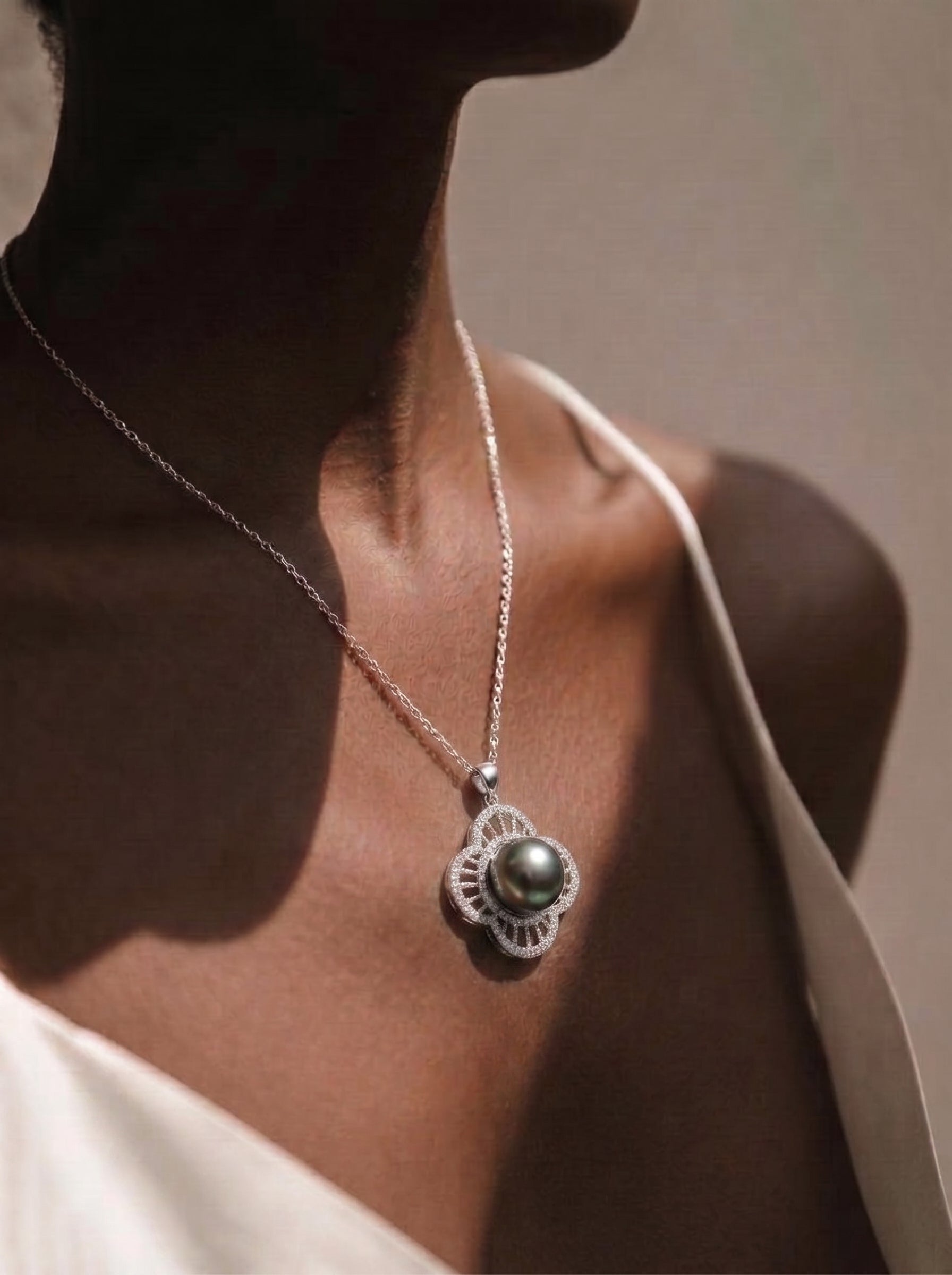
Anything that wants a broad face: suns, quatrefoils, halos and flowers. The wide dome gives a sculptor something to work around, which is why Mabe pieces read closer to objects than to classic pearl jewelry.
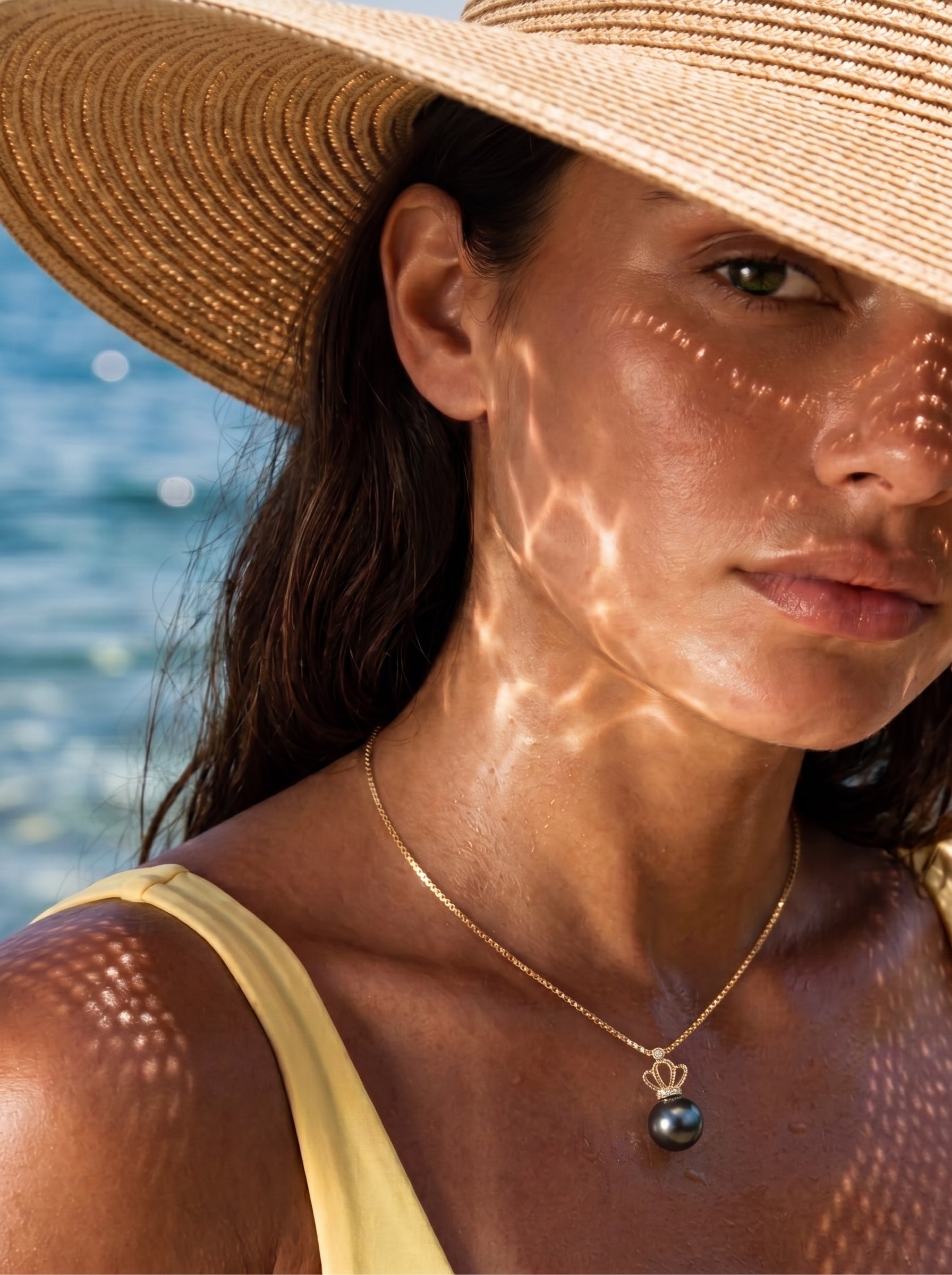
Tahitian Mabe pearls, grown in the black-lipped oyster of French Polynesia, carry the same dark bodycolors and overtones as round Tahitian pearls, at a considerably more accessible price for the size.
Do Mabe pearls need different care?
A little more, and the reason is the assembly rather than the nacre. Because a Mabe pearl is filled and backed, prolonged soaking can weaken the adhesive holding the assembly together.
Never submerge a Mabe piece. Wipe it with a soft, barely damp cloth, keep it away from steam, and take it off before showering or swimming. Ultrasonic cleaners are out for the same reason they are out for every pearl.
Why buy Mabe pearl jewelry from Grande Lilith
- Named as Mabe on every product page, so the construction is disclosed before purchase rather than discovered after.
- Eight provenance markers in total: type, origin, bodycolor, overtone, shape, size, grade and treatment.
- Origin named to place, including French Polynesia for Tahitian Mabe.
- Partners vetted by our GIA-certified pearl specialist, on working conditions as well as quality.
- Designed in Paris. Thirty days to change your mind, and every order arrives in a magnetic pouch.
Frequently asked questions
Are Mabe pearls worth buying?
If you want visible size, yes. You get the same nacre surface at a fraction of the cost of an equivalent round pearl. If you want something that reads as a classic round pearl, this is not the right choice.
Can Mabe pearls be used in rings?
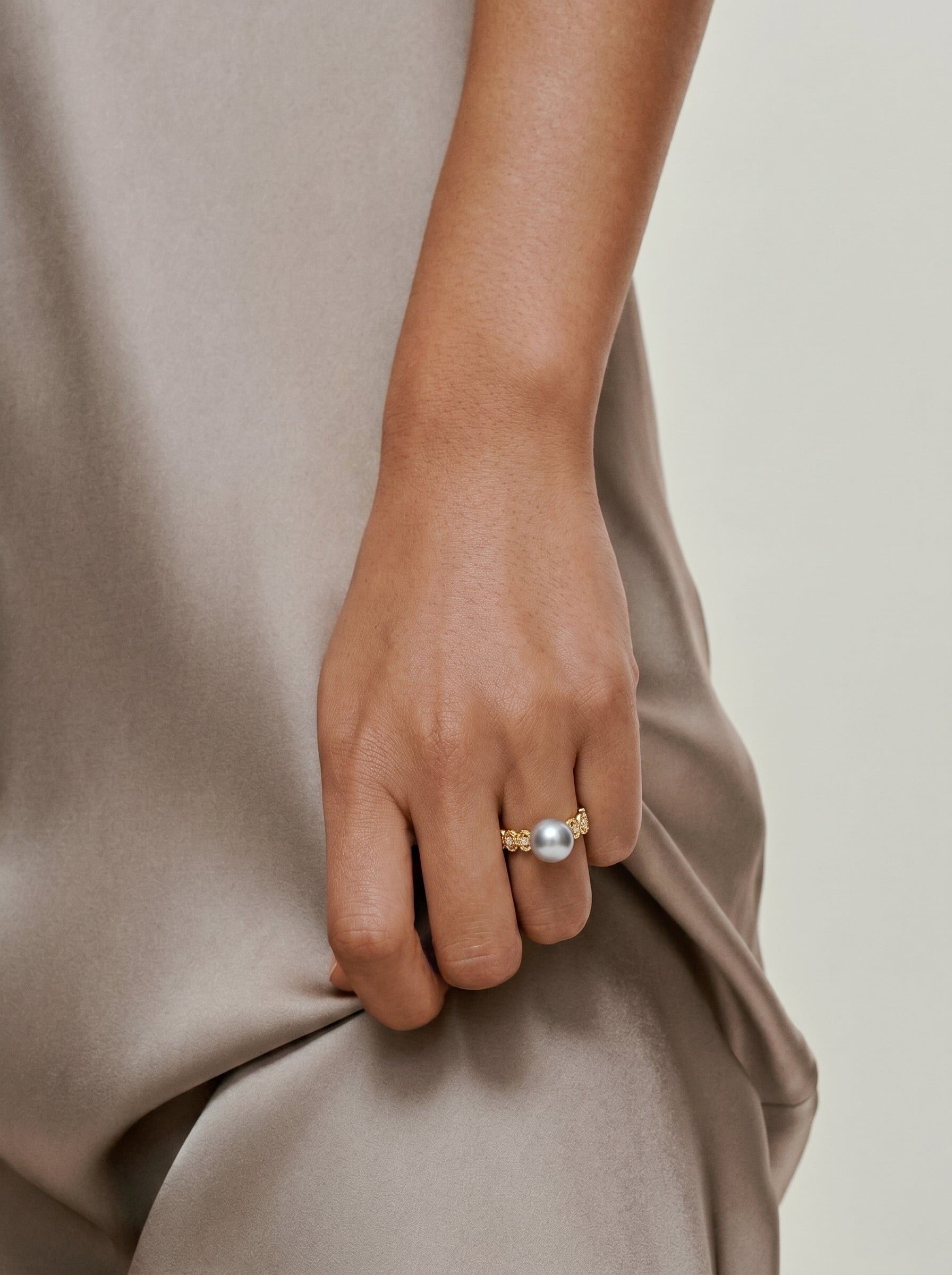
Yes, and the flat back is an advantage there. The pearl sits closer to the finger than a sphere of the same diameter would, so it clears more of daily life without losing scale.
Are Mabe pearls fragile?
The nacre is as durable as any pearl. The assembly is the sensitive part, which is why water and steam matter more here. Treat a Mabe piece as something to keep dry rather than as something delicate.
What is the difference between Mabe and blister pearls?
Mabe is the commercial term for a cultivated blister pearl that has been cut, cleaned and backed for use in jewelry. Blister pearl is the broader term, covering any pearl that formed attached to the shell.
Do Mabe pearls come in dark colors?
Yes. Tahitian Mabe pearls carry the same green, silver and aubergine overtones as round Tahitian pearls, since they grow in the same oyster in the same waters.