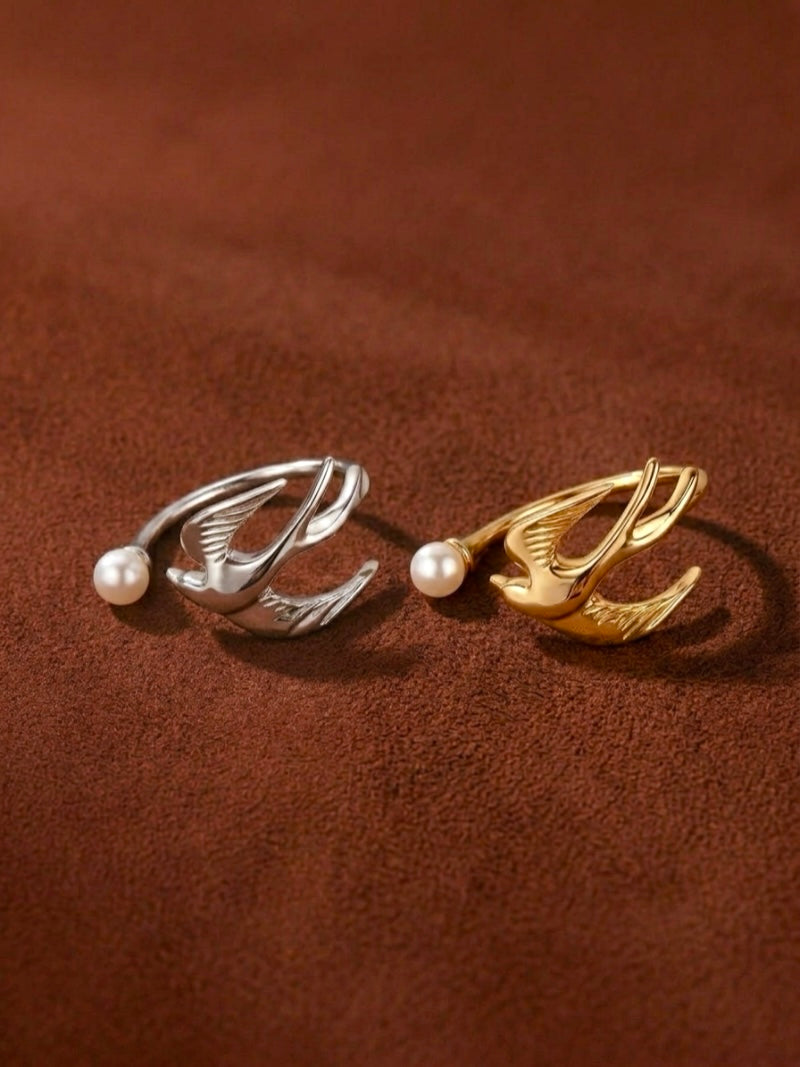
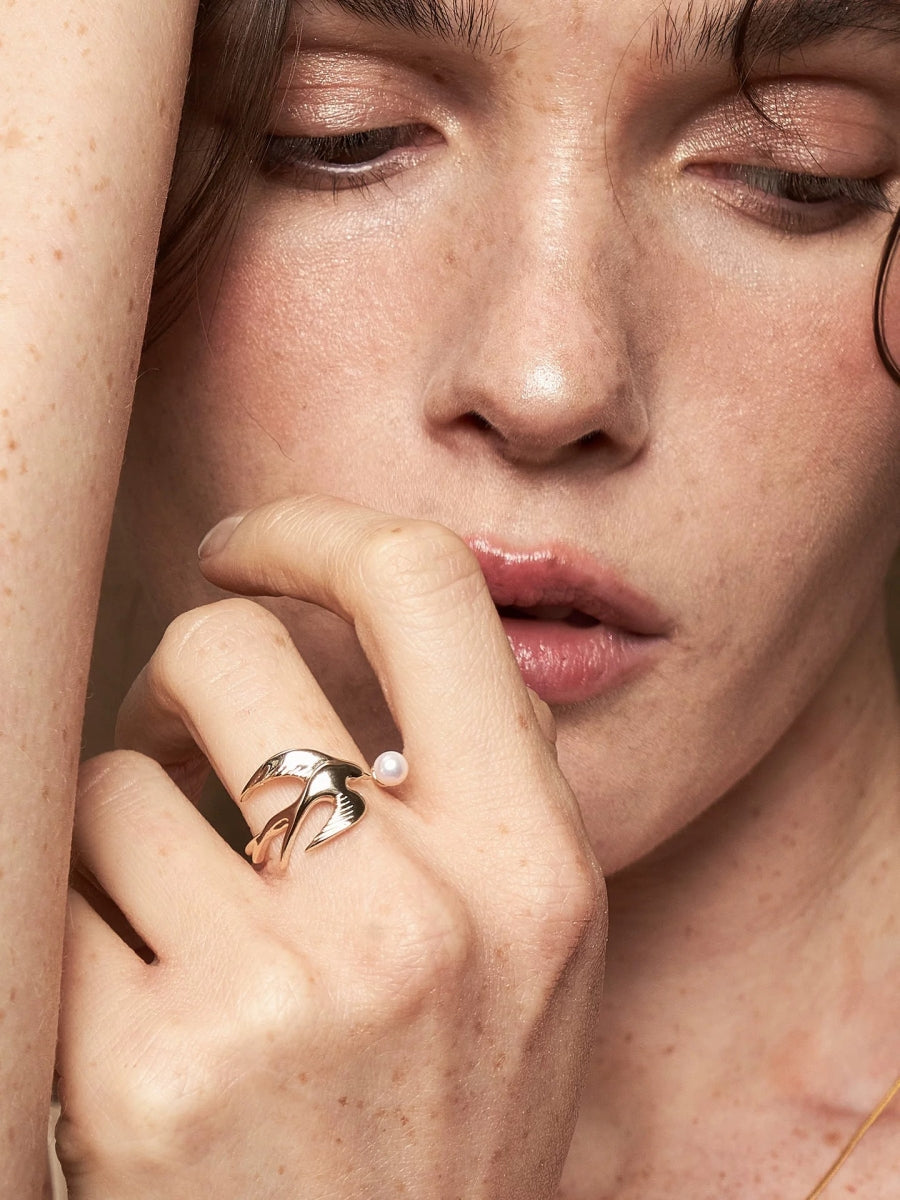
Freshwater pearls come in more shapes and colors than any other cultured pearl, and they cost less than all of them. That combination is why most people who own pearls own freshwater pearls, and why this is where a collection usually begins.
What is a freshwater pearl?
A freshwater pearl is a cultured pearl grown inside a freshwater mussel rather than a saltwater oyster. A technician inserts a small piece of mantle tissue into the mussel, and the animal deposits nacre around it for two to six years.
Ours come from Zhuji, China, which produces the majority of the world's freshwater pearls. We name the source because you should be able to check it rather than take our word for it.
Why are freshwater pearls solid nacre?
Because most are grown without a bead nucleus. Akoya and South Sea pearls are built around a round shell bead, so the pearl is a nacre layer over a core. Freshwater pearls are usually nacre all the way through.
That single fact explains almost everything else. It is why freshwater pearls come in so many shapes, why they cannot wear through to a core, and why their luster is deep rather than mirror-sharp.
Are freshwater pearls real pearls?
Yes. Freshwater pearls are real cultured pearls. The difference from a saltwater pearl is the mollusk and the water, not the authenticity. Under the FTC Jewelry Guides they may be described as cultured pearls without qualification, and we label every one that way.
A well-grown freshwater pearl with strong luster outperforms a poorly grown Akoya. Judge the pearl in front of you rather than the category it belongs to.
What shapes and colors do they come in?
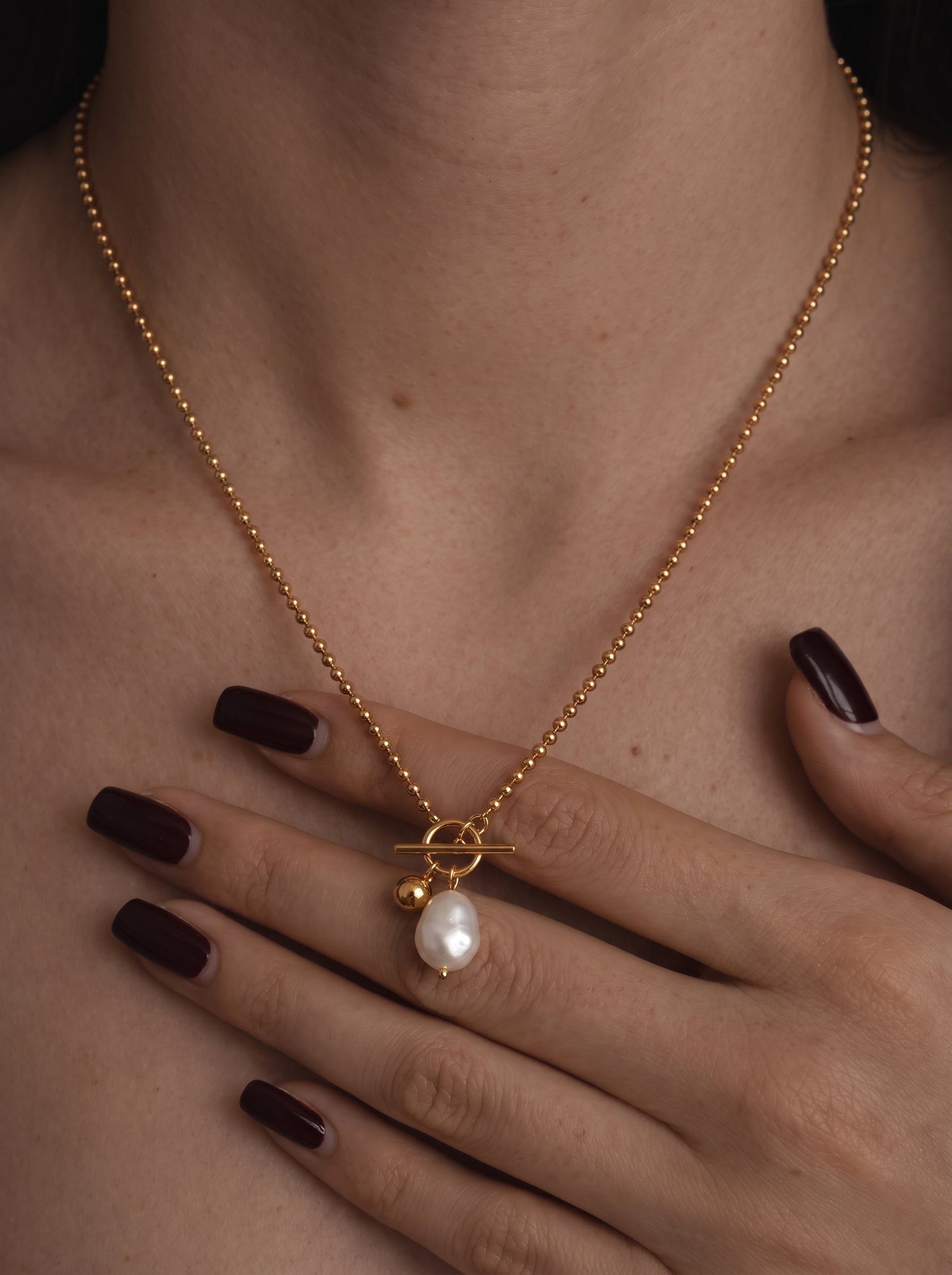
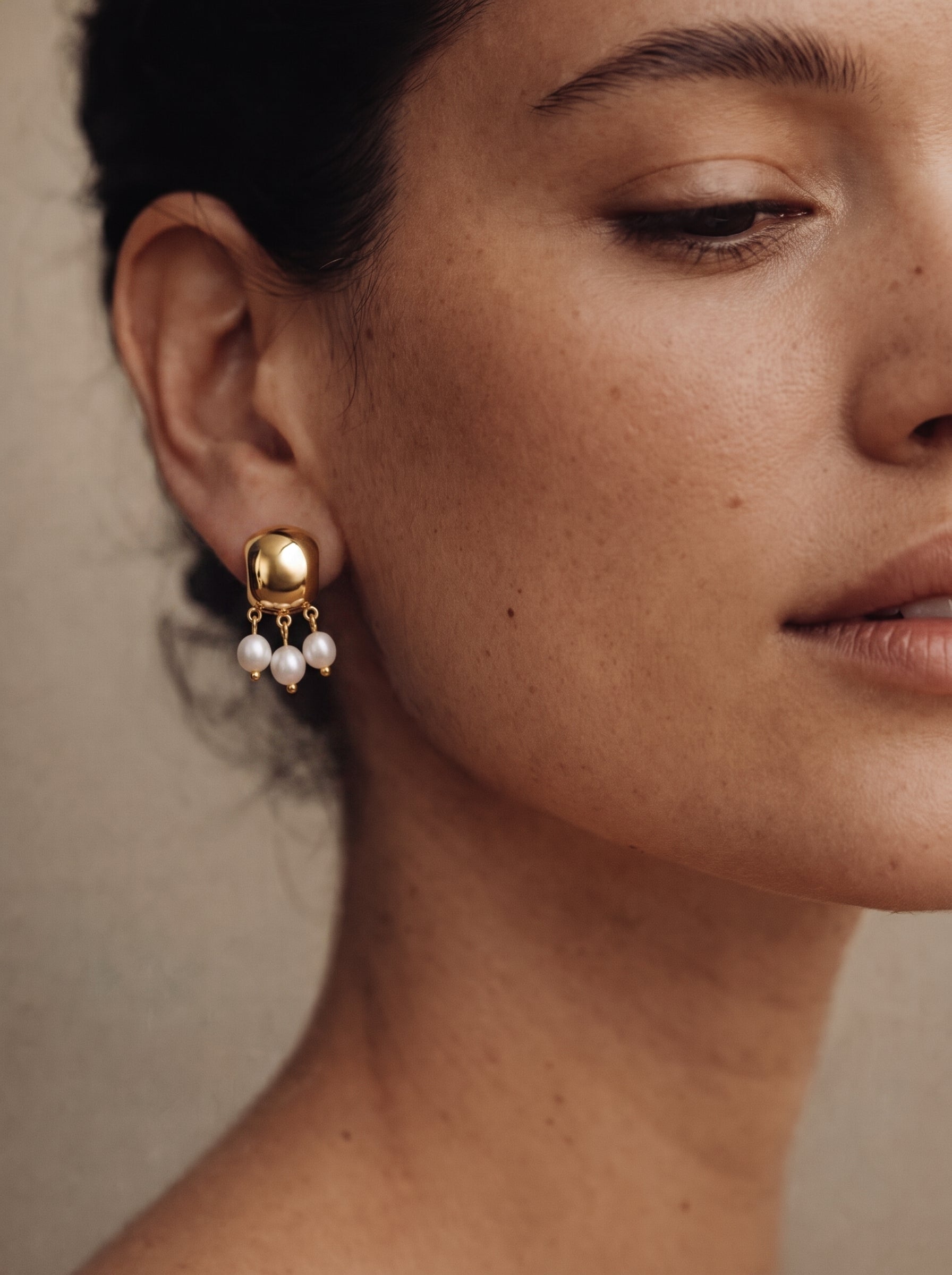
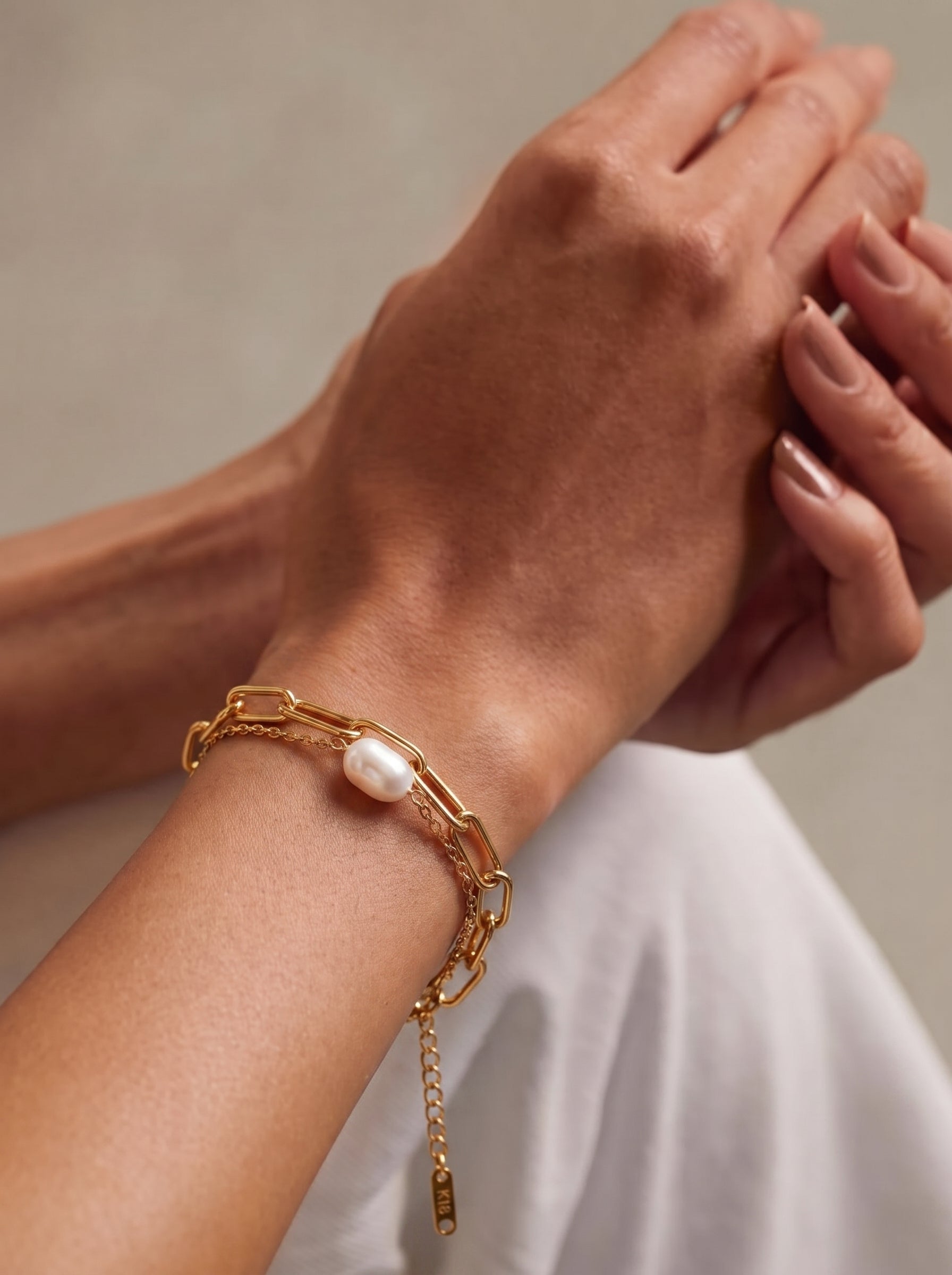
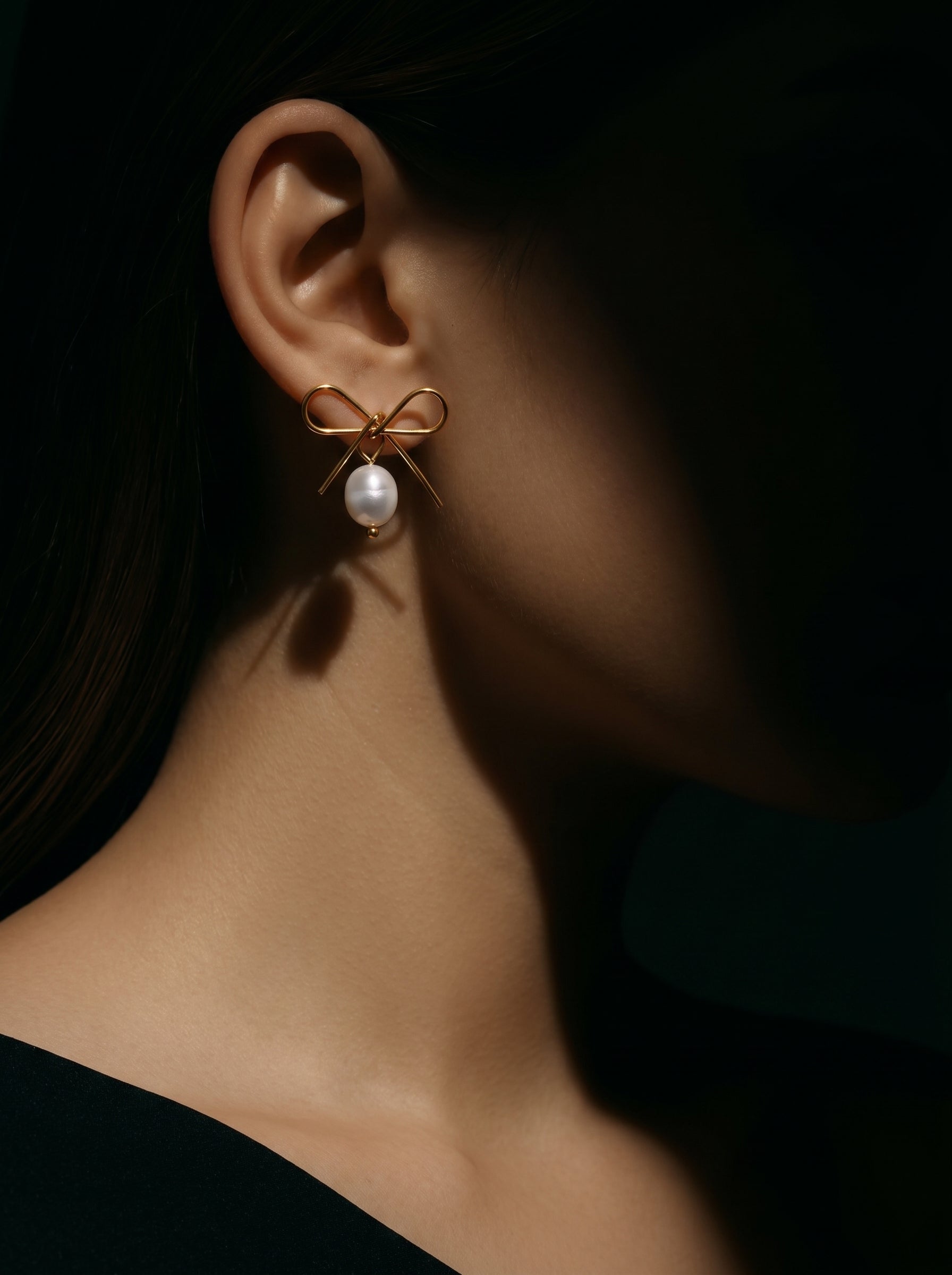
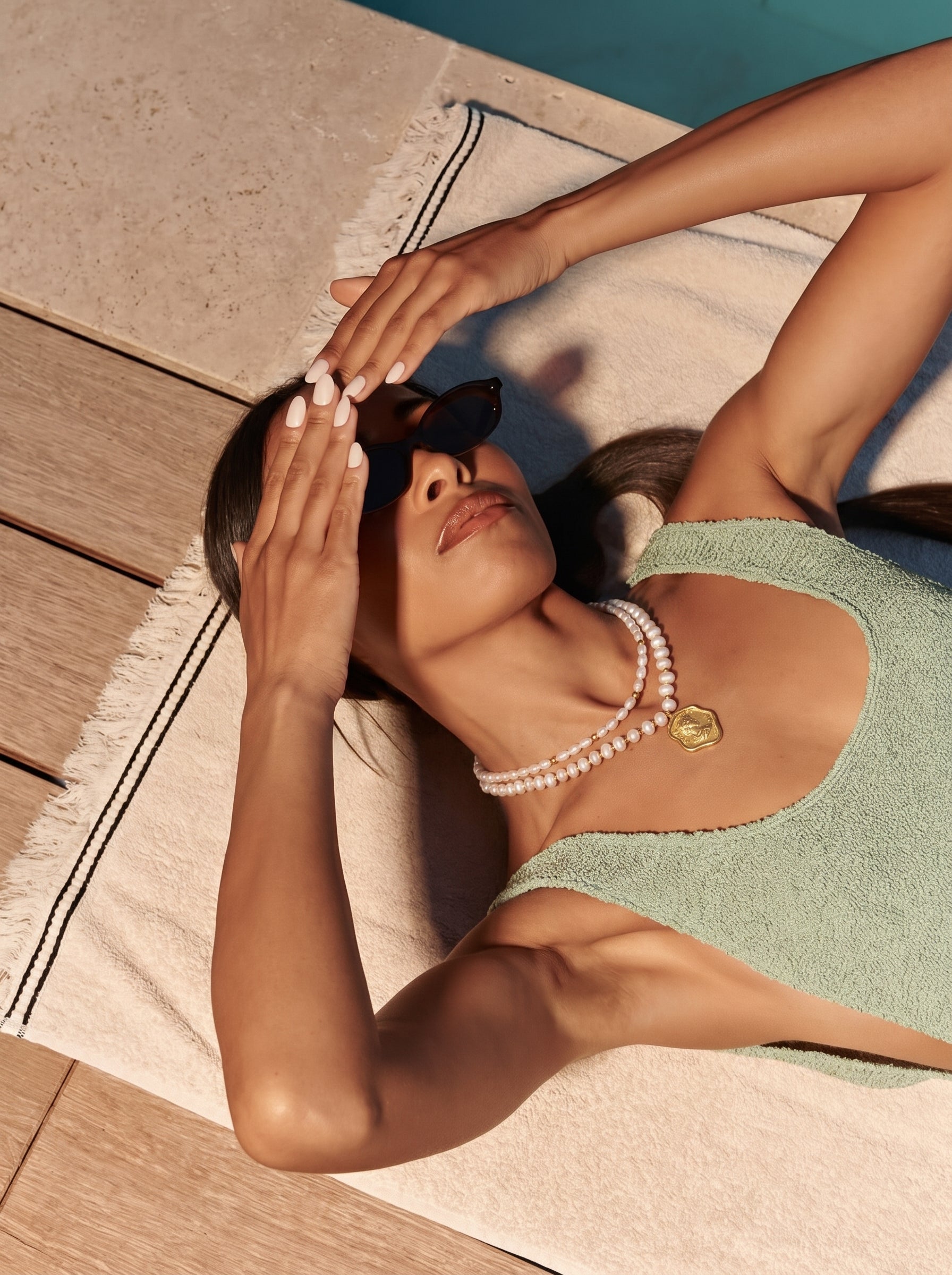
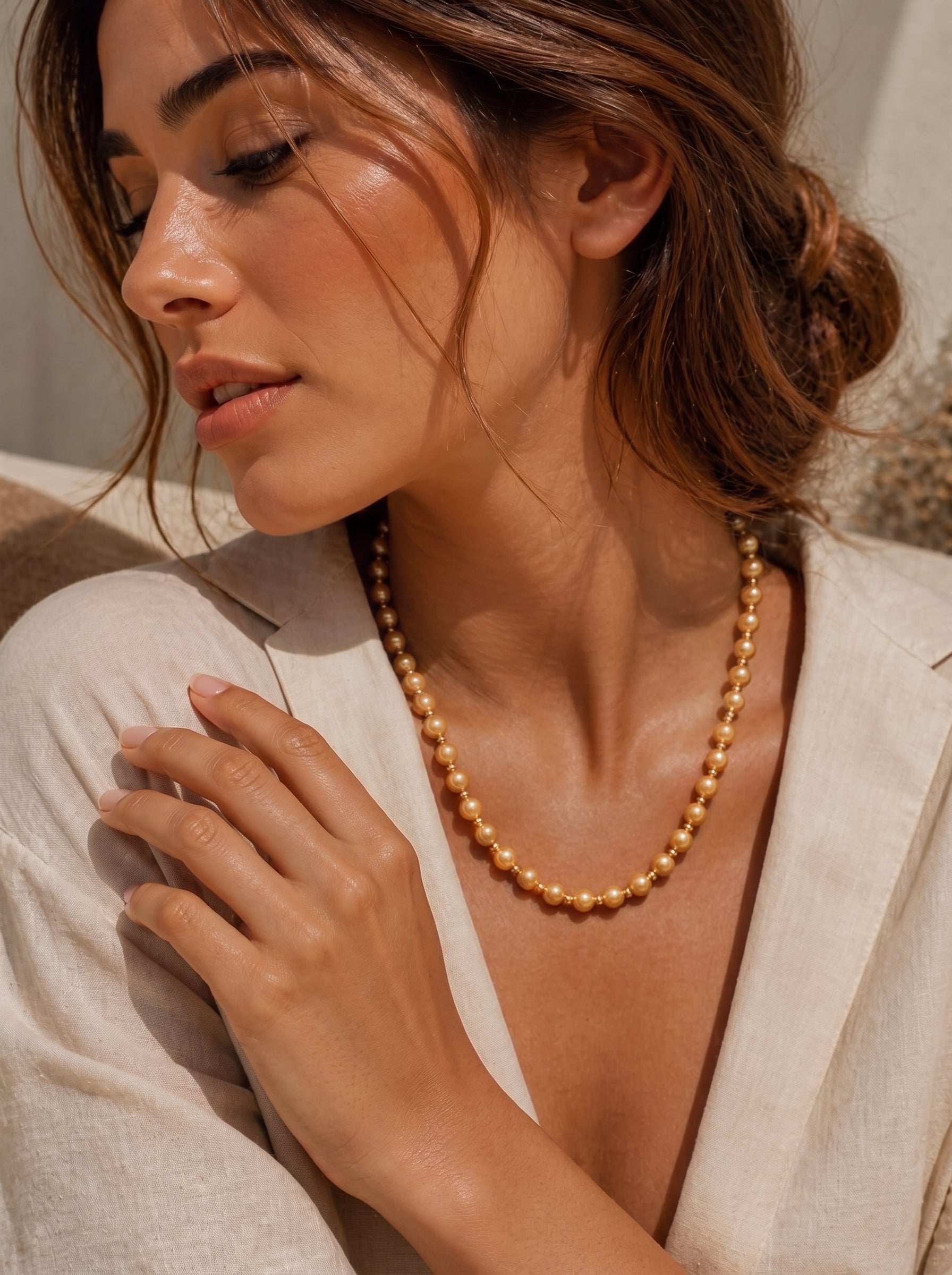
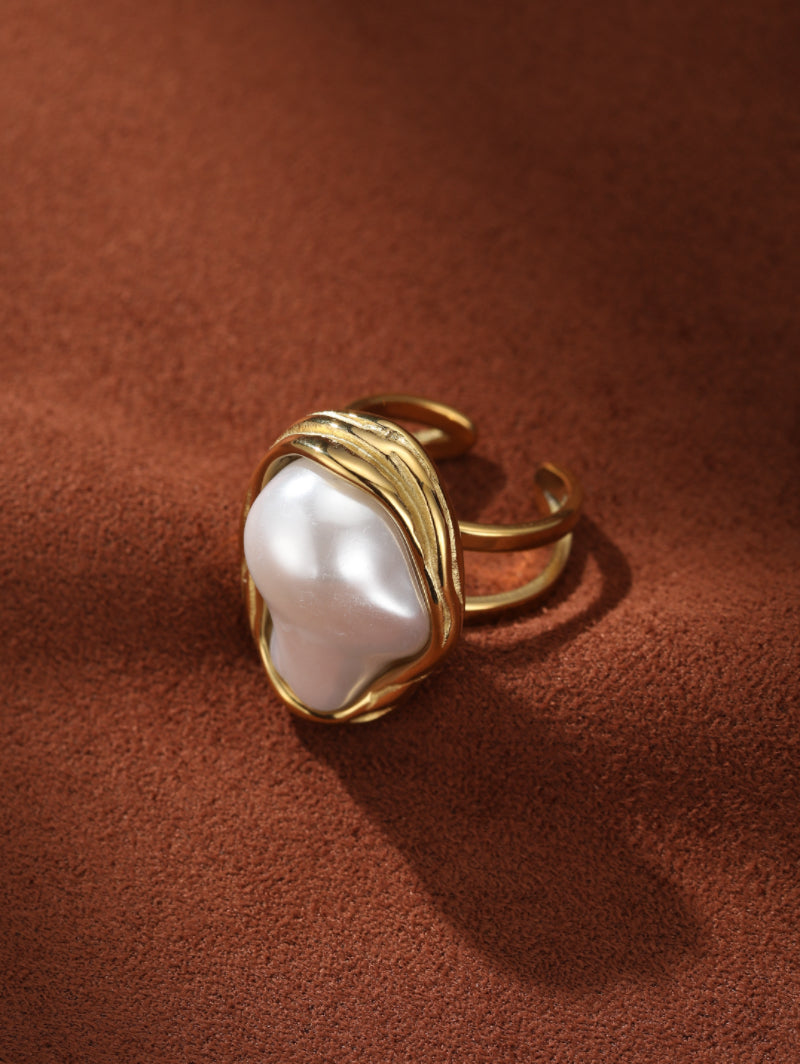
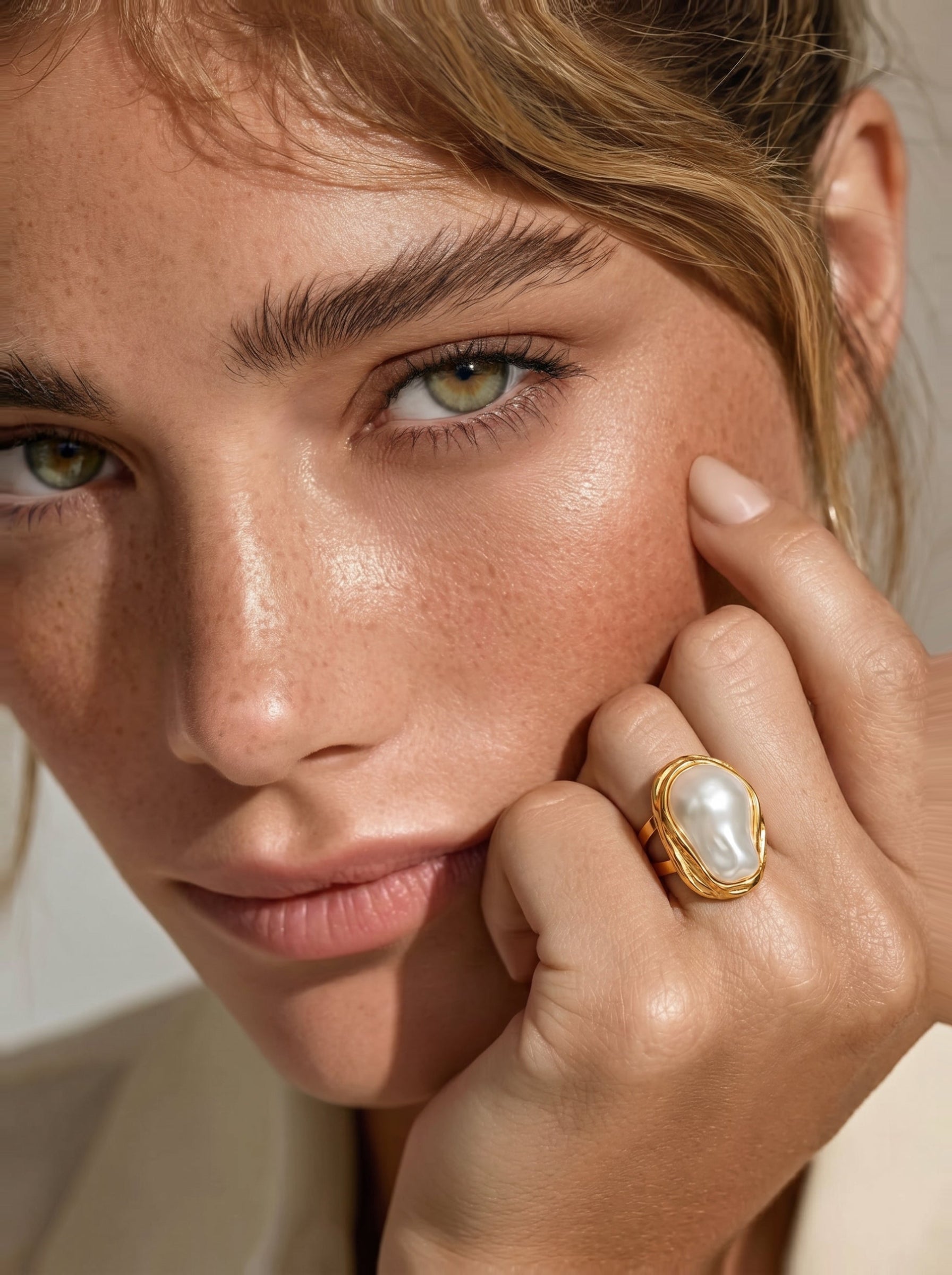
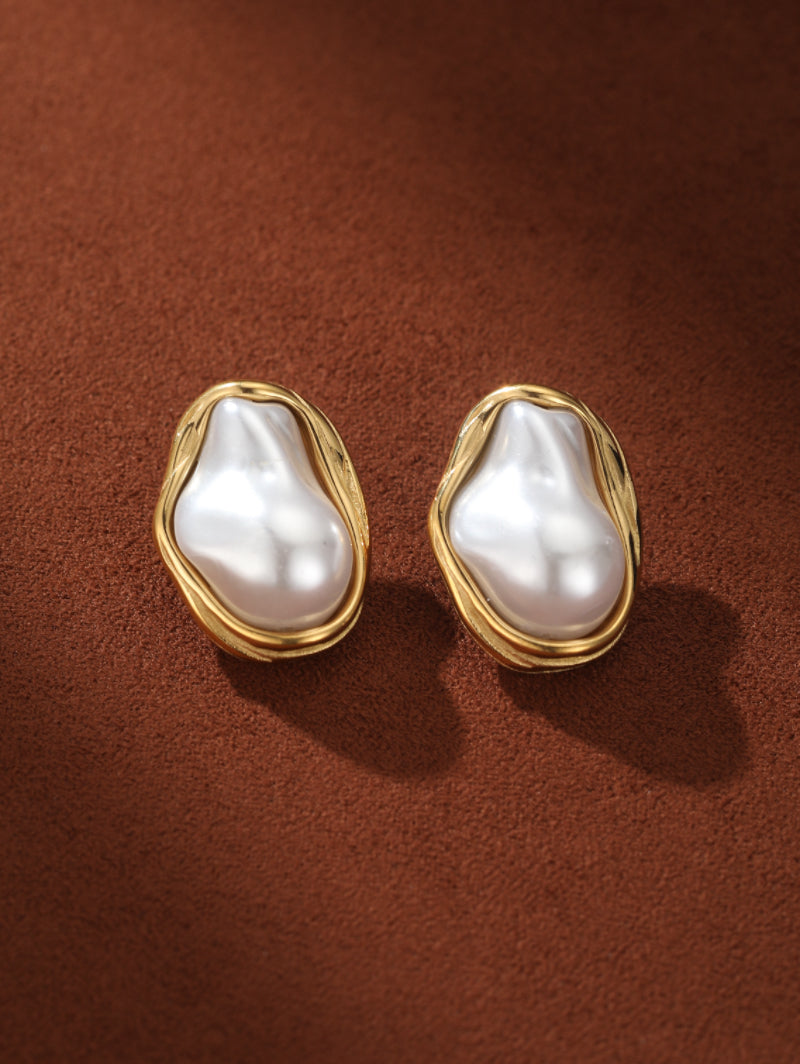
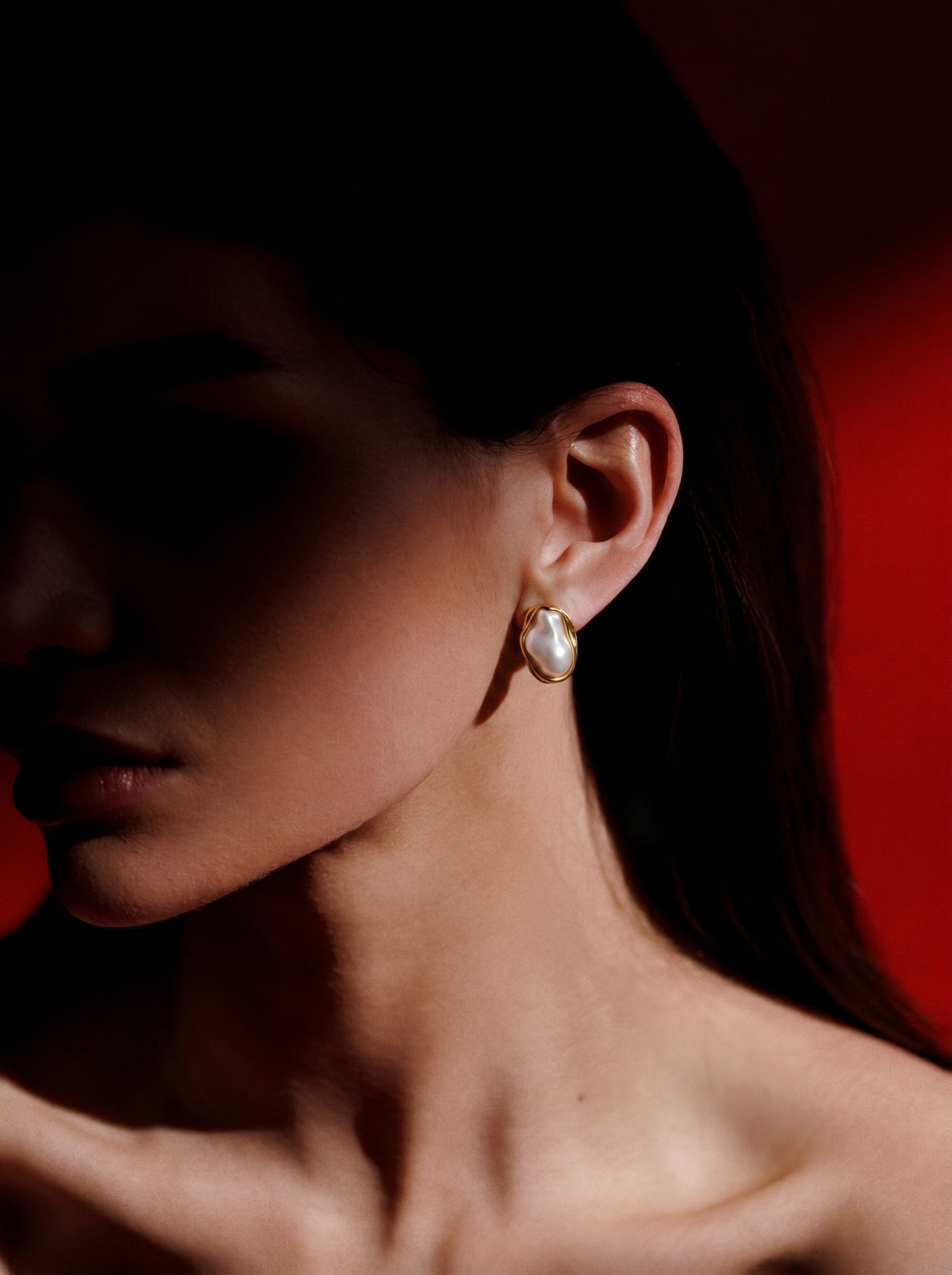
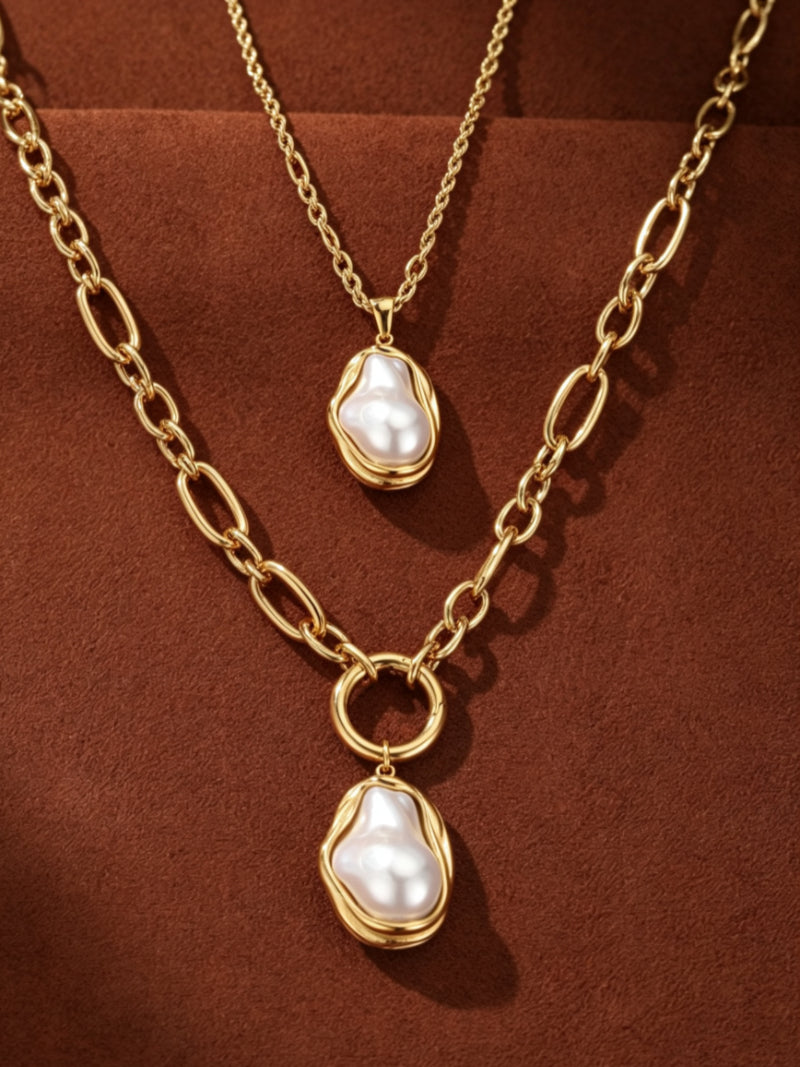
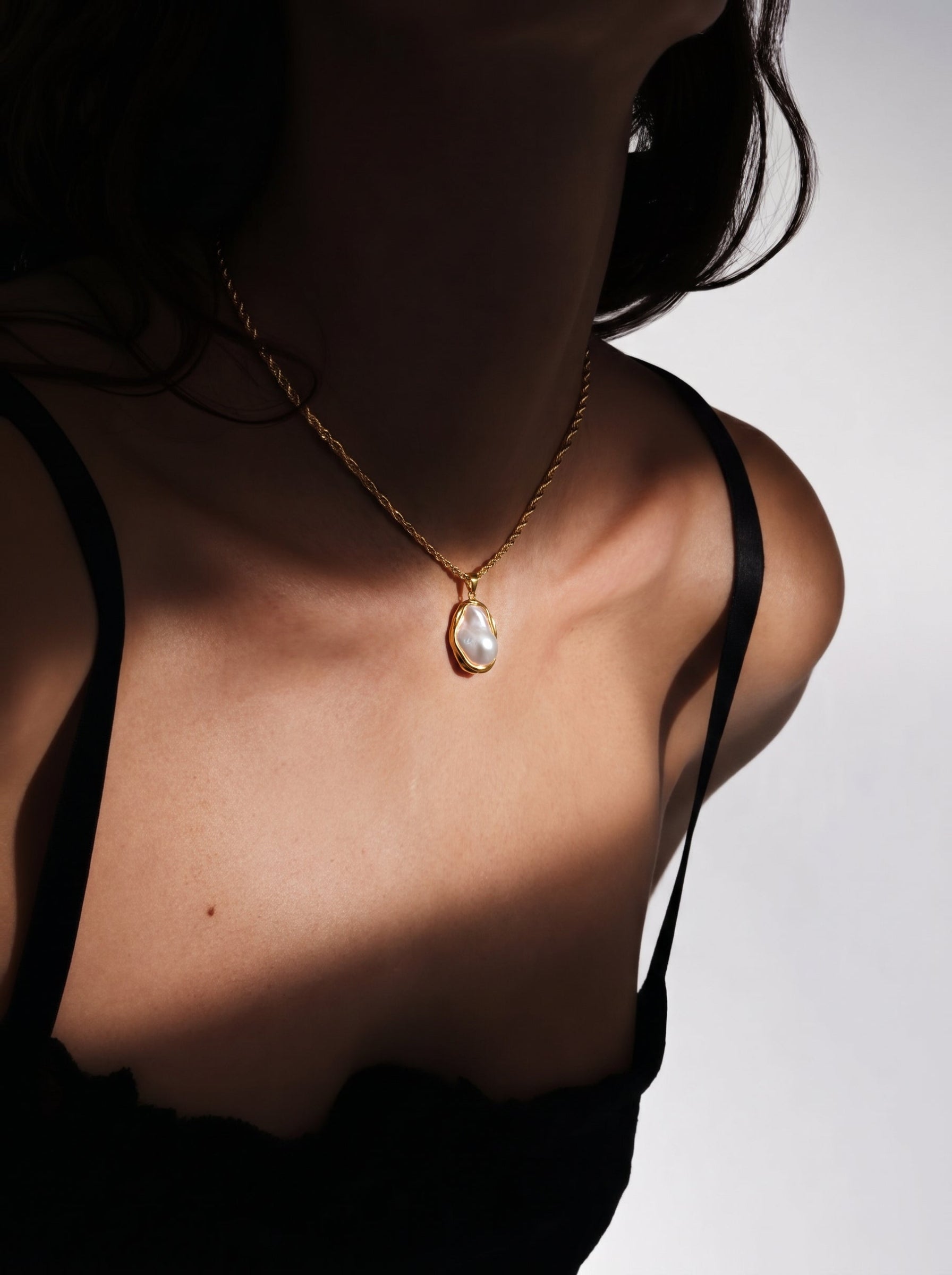
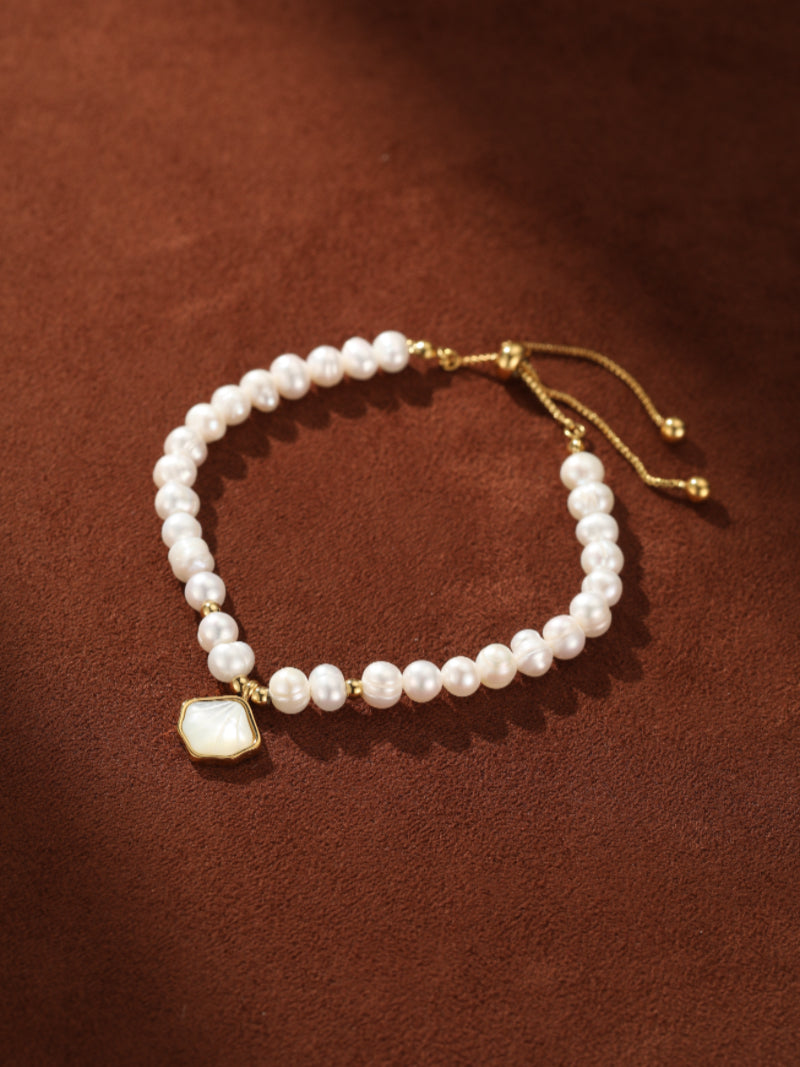
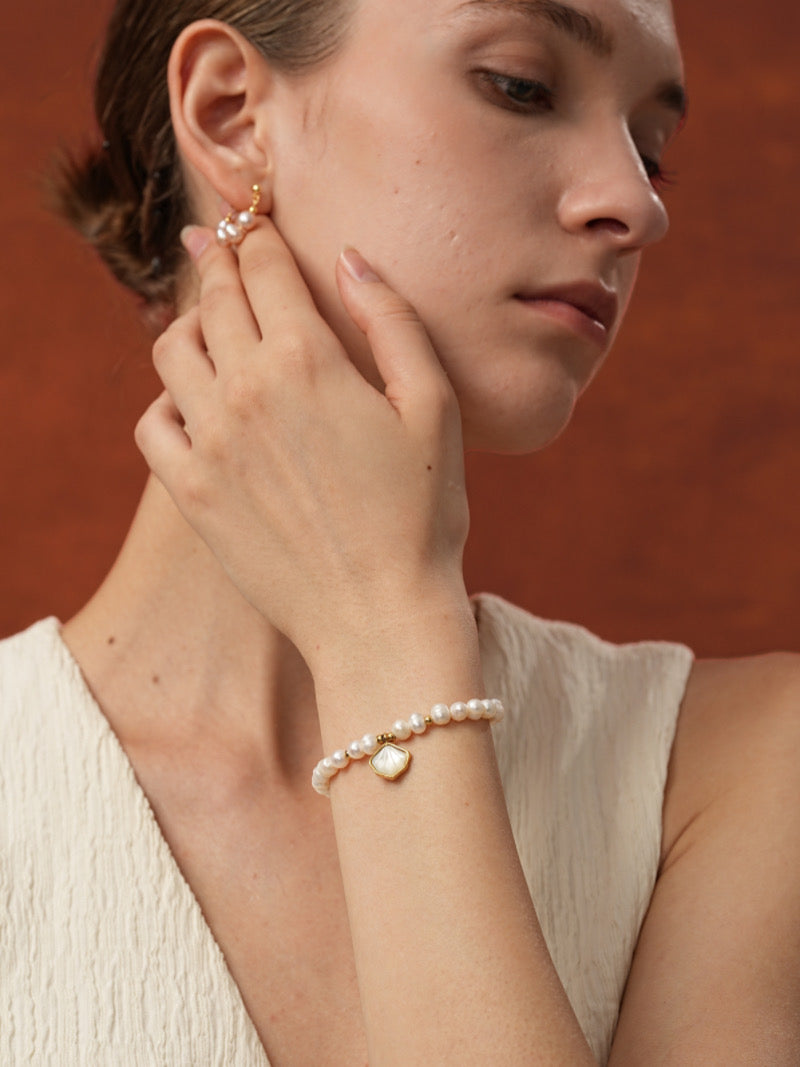
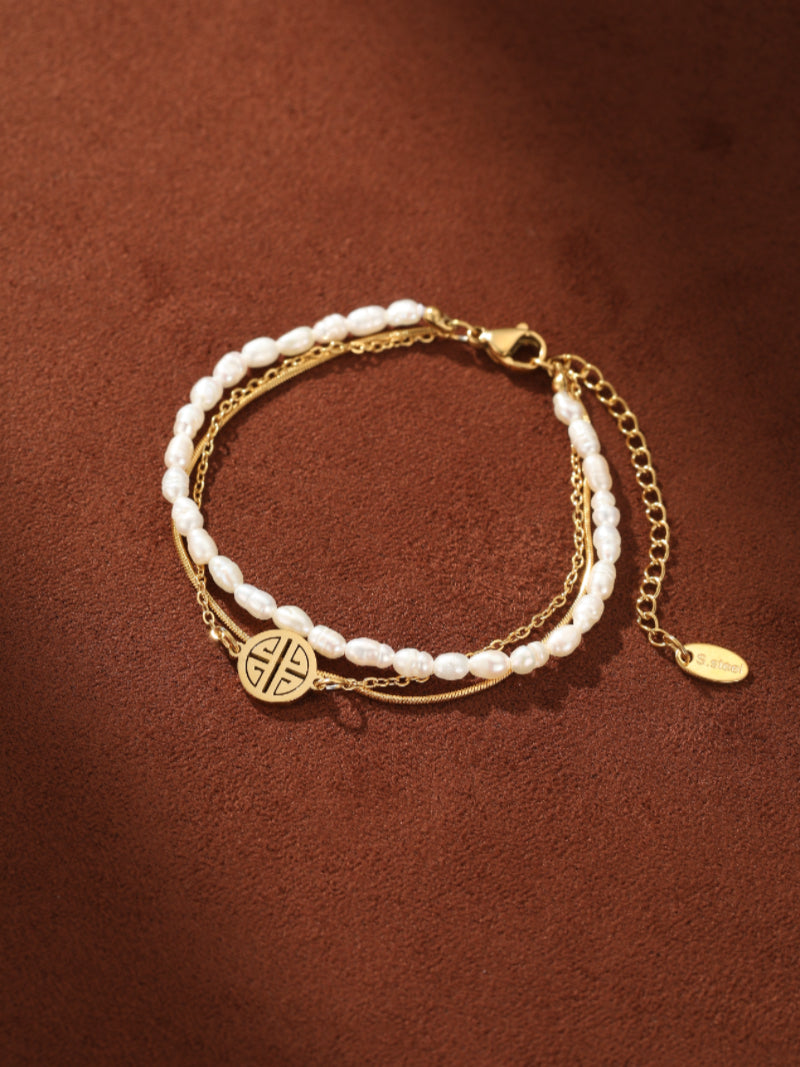
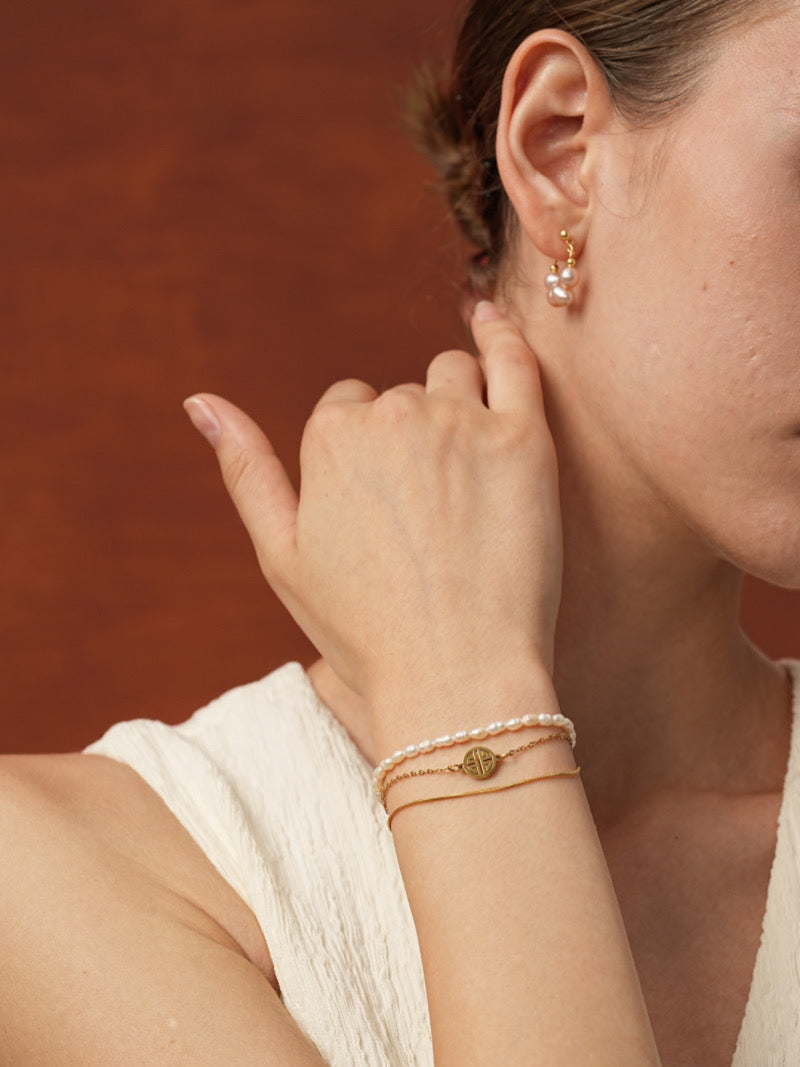
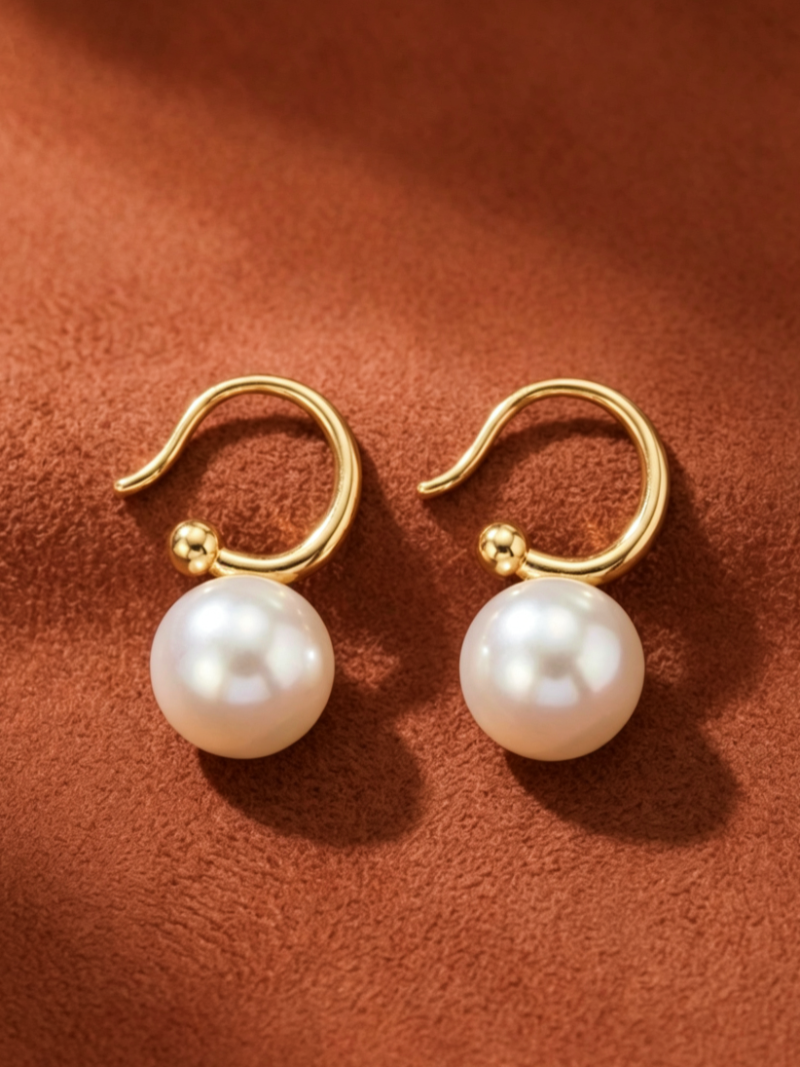
With no round nucleus at the core, the mussel produces round, baroque, button, drop, seed and keshi shapes. White, cream, pink, peach and lavender all occur without any treatment at all.
Freshwater pearls also take dye well, and that is precisely why treatment disclosure matters. We state treatment on every product page as one of eight provenance markers rather than leaving it unsaid.
Why are freshwater pearls less expensive?
Yield. A freshwater mussel can produce many pearls per cycle, while an Akoya or South Sea oyster produces one. Higher yield means a lower price, not lower quality.
What you give up is perfect roundness and the mirror luster that comes with a thin nacre layer over a bead. What you gain is thicker nacre, more shapes, more colors and the ability to own more than one piece.
Why buy freshwater pearls from Grande Lilith
Freshwater pearls are the most widely sold and most loosely described pearls on the market. That is where the disclosure gap sits, and where we do things differently.
- Origin named: Zhuji, China. Not "responsibly sourced" without a place attached.
- Eight provenance markers on every product page: type, origin, bodycolor, overtone, shape, size, grade and treatment.
- Partners vetted by our GIA-certified pearl specialist, on working conditions as well as quality.
- Nickel-free, lead-free and cadmium-free settings on solid 18k gold, 925 sterling silver and stainless steel.
- Designed in Paris. Thirty days to change your mind, and every order arrives in a magnetic pouch.
Frequently asked questions
Are freshwater pearls worth buying?
Yes. They are real cultured pearls with thick nacre, available in more shapes and colors than any other type, at a price that lets you own more than one. If you specifically want the classic round white strand, Akoya is the closer match.
How can you tell a freshwater pearl from an Akoya?
Akoya pearls are consistently round with a sharp mirror-like reflection. Freshwater pearls are rarely perfectly round and their luster is softer and deeper, because the pearl is solid nacre rather than a thin layer over a bead.
Do freshwater pearls last?
They last longer than most bead-nucleated pearls, because solid nacre cannot wear through to a shell core. Keep them away from perfume, hairspray and cleaning products, and wipe them with a soft damp cloth after wear.
Are dyed freshwater pearls still real pearls?
Yes. Dyeing changes color but not authenticity. What matters is that the treatment is disclosed. A dyed pearl sold as naturally colored is a misrepresentation, which is why treatment appears on every one of our product pages.
What is a keshi pearl?
A keshi pearl forms without any nucleus at all, making it entirely solid nacre. They are usually small and irregular, and they frequently show the highest luster of any pearl in a harvest because there is nothing but nacre to reflect light.