



Luxury-Brand Akoya Pearls: Are They Worth the Price?
Table of Contents
Luxury-brand Akoya pearls are worth the price if you value a famous name, in-store service and a strand selected to one house's standard. For the pearl itself, comparable unbranded Akoya pearls of the same size, grade and length cost less. Our own Akoya pieces, all listed as Japanese cultured Akoya pearls, cost $79 to $219 on 21 October 2026.
Key takeaways
- A luxury Akoya pearl is still an Akoya pearl: GIA states that true Akoya cultured pearls come from the saltwater mollusk Pinctada fucata, traditionally farmed in Japan and, to a lesser extent, China and Vietnam.
- The brand premium pays for selection, design, service and name, not for a different kind of pearl.
- You can measure the premium yourself: compare two pieces with the same pearl size, grade, length and metal, then divide the price difference by the lower price.
- Nacre is where quality shows: GIA research published in 2025 gives a typical Akoya nacre range of 0.15 to 0.50 mm.
- Beware "freshwater Akoya": GIA states plainly that these "are not akoya pearls."
Heritage pearl houses sell some of the most recognized Akoya jewelry in the world, and their prices reflect it. This guide explains what that price buys, how to compare like for like, and where the same quality of pearl costs less. We do not name or link to other brands; the method works for any luxury house you are considering. For the fundamentals of choosing a strand, start with our complete pearl necklace buyer's guide.
Are luxury-brand Akoya pearls worth the price?
Luxury-brand Akoya pearls are worth the price for buyers who want a recognized name, boutique service and the confidence of one house's selection standard. They are not worth it for buyers paying only for pearl quality, because Akoya pearls of matching size, grade and luster are available without the brand premium. The pearl species is the same either way.

The question is what you are paying for. A heritage house sells three things at once: a pearl, a design and a name. Only the first can be compared objectively, using GIA's 7 pearl value factors: size, shape, color, luster, surface, nacre and matching.
The table below sets out what each type of seller offers. We have not filled in luxury-house prices, because they vary by house, design and date, and we do not quote other brands.
| Factor | Luxury heritage house | Comparable unbranded Akoya | Grande Lilith equivalent |
|---|---|---|---|
| Pearl grade | House's own grading scale; top selections | Seller's scale, often A to AAA; quality varies by seller | 12 of 13 Akoya-only pieces listed AAA, 1 listed AA |
| Typical price | Typically higher; check the house's published price for your size, length and grade | Often lower for the same specification | $79 to $219 for Akoya-only pieces (21 Oct 2026) |
| Resale value | A recognized name can help resale; no published index of resale prices | Generally harder to resell than a known brand | Not sold as an investment |
| Warranty | Varies by house; ask for written terms | Varies by seller | See our store policies |
| What you pay for | Pearl, design, boutique service and brand name | Pearl and setting | Pearl and design, on sterling silver |
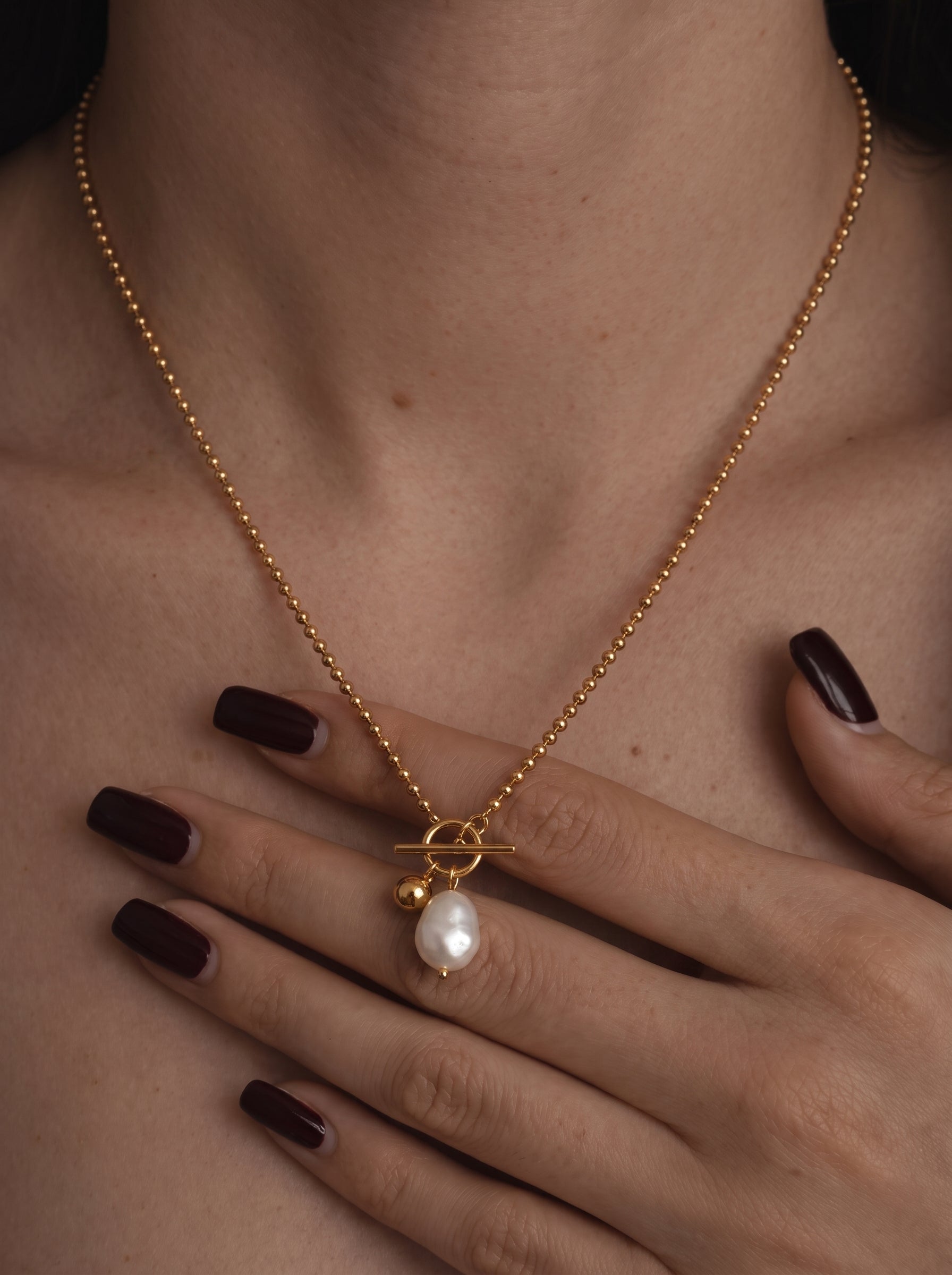
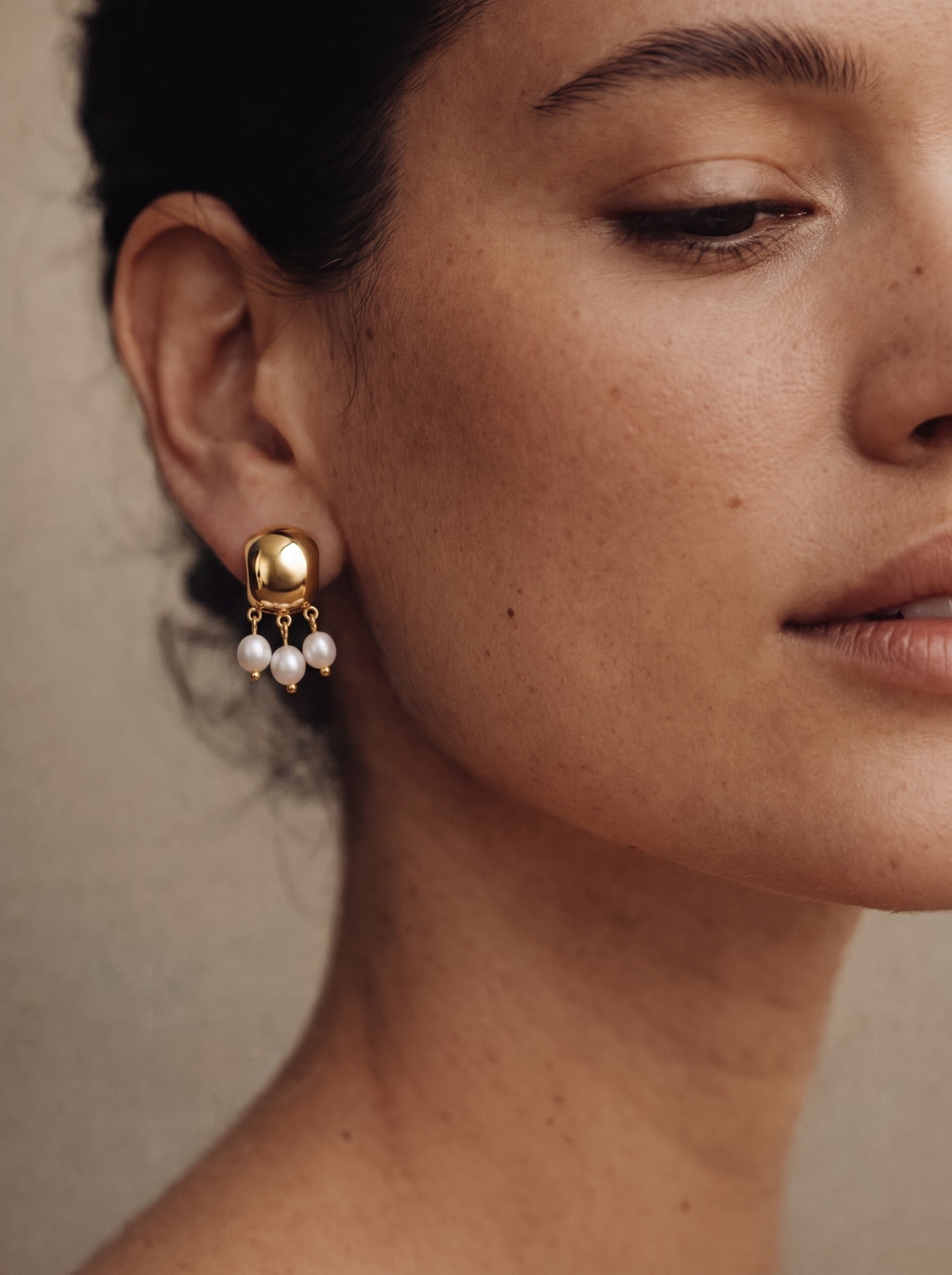
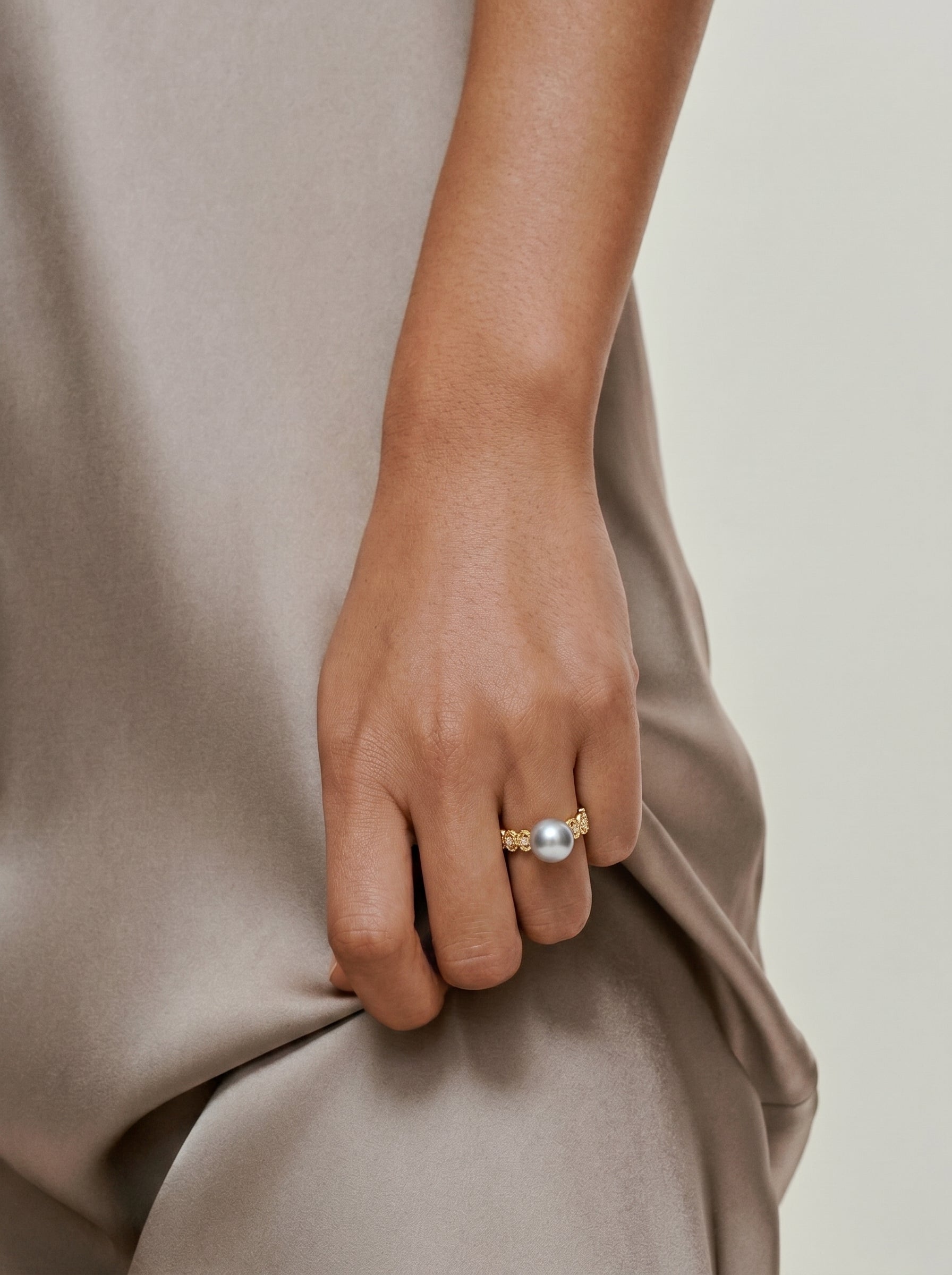
Grande Lilith data: 13 in-stock pieces list Akoya as their only pearl type on 21 October 2026, all with Japan as origin, sterling silver as base metal and "None" as treatment. Our Akoya range is pendants, drops and earrings rather than full graduated strands.
What makes heritage pearl houses different?
Heritage pearl houses differ in selection, design and service rather than in the pearl species. A long-established house sorts large volumes of Akoya pearls and sells only those that meet its own standard for luster, surface and matching. It adds signature designs, boutique service and a name recognized worldwide.
Selection matters most for strands. A matched strand needs dozens of pearls alike in size, color, overtone and luster, and GIA lists matching as one of its seven value factors. Houses that buy in volume can generally assemble closely matched strands more easily than small sellers.
Service is another difference. A boutique offers fitting, gift packaging, and often after-sale services such as cleaning, restringing or repairs, on terms that vary. These services have real value for a strand you will wear for decades. Ask for the terms in writing, because they differ from house to house and change over time.
Design is the last. Signature clasps, settings and motifs are part of what a house sells, and some buyers want that recognizable look. Others prefer a simpler setting where the pearl does the talking. Neither choice is wrong; it simply changes what the price is paying for.
Nacre is the factor buyers rarely see. GIA researchers Kwanreun Lawanwong, Ravenya Atchalak and Emiko Yazawa, writing in Gems & Gemology in 2025, give a typical Akoya nacre range of 0.15 to 0.50 mm. Thicker nacre supports luster and durability, so ask any seller, branded or not, whether they disclose nacre thickness.
What a brand cannot change is the pearl's origin. GIA states that true Akoya cultured pearls come from Pinctada fucata, traditionally farmed in Japan and, to a lesser extent, in China and Vietnam. Branded and unbranded Akoya pearls come from the same species; what differs is how each seller selects, sets and sells them.
How much do luxury Akoya pearls cost?
Luxury Akoya pearls cost more than comparable unbranded Akoya pearls, and the gap depends on the house, the design and the specification. Rather than quote other brands' prices, which change and vary by market, we recommend measuring the premium yourself on a like-for-like basis: same pearl size, grade, length and metal.

Here is the method:
- Write down the branded piece's specification: pearl size in millimeters, grade, strand length or pendant style, and metal.
- Find an unbranded piece that matches it on all four points.
- Subtract the lower price from the higher price.
- Divide the difference by the lower price and multiply by 100. That is the brand premium as a percentage.
A worked illustration, using round numbers rather than real prices: if a branded pendant costs $1,000 and a matching unbranded pendant costs $400, the difference is $600, and the premium is 150%. Run the same calculation with real prices for the exact pieces you are comparing.
Remember what the premium includes before you judge it. Part of it pays for the selection, service and design described above; part pays for the name. Only you can decide what share of the premium those are worth.
Match carefully. A comparison fails if one piece uses 7 mm pearls and the other 8 mm, or one is sterling silver and the other 18K gold. Size and metal change the price on their own, before any brand effect.
For reference, our own Akoya-only pieces range from the Alight Akoya hoop earrings at $79, with 9 mm pearls listed AAA, to the Haze Akoya floating chain necklace at $219.
Do branded pearls hold their value?
Branded pearls can be easier to resell than unbranded pearls because buyers recognize the name, but no published index tracks resale prices for branded pearl jewelry. Resale prices depend on condition, documentation, demand and the buyer, and secondhand jewelry generally sells for less than its original retail price. Buy pearls to wear, not as an investment.
A recognizable name, the original box and receipt, and any certificate all help when you sell. Condition matters as much as brand: a strand with worn drill holes, chalky patches or stretched silk will fetch less whatever the label says. Our guide to the signs your pearls are wearing out explains what buyers look for.
For a broader answer on pearls and value, read our guide to whether pearls hold their value.
What are good alternatives to luxury pearl brands?
Good alternatives to luxury pearl brands are specialist sellers who publish full specifications for each piece: pearl type, origin, size, grade, treatment and metal. These sellers let you compare like for like, and their Akoya pearls come from the same species as branded ones. The trade-off is less brand recognition and, often, no boutique to visit.
When you compare any seller, check five things on the listing:
- Pearl type and origin: "Akoya" should mean Pinctada fucata saltwater pearls.
- Size in millimeters, not "small" or "classic."
- Grade, remembering that letter grades are each seller's own scale.
- Treatment, which should be stated.
- Metal, including what sits under any plating.
Every Grande Lilith Akoya piece lists all five on its product page. The Lumière Akoya drop necklace, for example, lists an 8.5 mm Japanese Akoya pearl, AAA, snow body color with rosé overtone, treatment "None," on sterling silver with 18K gold plating, at $159. Our guide on where to buy real pearls online explains how to compare sellers.
How do you spot a fake luxury pearl piece?
Spot a fake luxury pearl piece by buying only from the house or its authorized sellers, asking for the original receipt and packaging on any secondhand piece, and checking that the pearls themselves are real. A counterfeit can carry a convincing logo on real but lower-grade pearls, or on imitation beads.
Watch for three warning signs:
- A price far below the house's own. A luxury piece sold at a fraction of its retail price, new, is a red flag.
- Misused terms. GIA warns that freshwater pearls marketed as "freshwater Akoya" are "not akoya pearls," and that the term "creates confusion for buyers and undermines transparency in the trade."
- Missing "cultured." Under the FTC Jewelry Guides, 16 CFR §23.20, a cultured pearl must be described with "cultured" or "cultivated" directly before "pearl," with equal prominence.
To check the pearls yourself, our guide to how to tell if pearls are real covers eight tests you can do at home. For a branded secondhand piece of significant value, an independent gemological report is worth its fee.
Our companion guide, designer pearl jewelry: what you are paying for, applies the same method to luxury jewelers' pearl collections.
Paying for the pearl, or for the name
Luxury Akoya pearls are a real product with real advantages: careful selection, signature design, service and a name that helps at resale. What they do not offer is a different pearl. Measure the premium on a like-for-like basis, decide what the name is worth to you, and buy accordingly.
If the pearl is what matters most, browse our Akoya pearl jewelry collection, where every piece lists its origin, size, grade, treatment and metal.
Grande Lilith is not affiliated with any other jewelry brand.
What would you pay extra for: the pearl, the design or the name?
Frequently Asked Questions
Are luxury-brand Akoya pearls better quality?
Luxury-brand Akoya pearls are typically selected to a high house standard, but they are the same species as unbranded Akoya pearls. GIA states that true Akoya cultured pearls come from Pinctada fucata, traditionally farmed in Japan. Compare size, luster, surface, nacre and matching, not the name, to judge quality.
How do you calculate the brand premium on pearls?
Find a branded piece and an unbranded piece with the same pearl size, grade, length and metal. Subtract the lower price from the higher price, divide the difference by the lower price and multiply by 100. The result is the brand premium as a percentage for that exact specification.
Do luxury pearl brands hold their value?
A recognized brand can make pearls easier to resell, but no published index tracks resale prices for branded pearl jewelry. Resale value depends on condition, documentation, demand and the buyer, and secondhand jewelry generally sells for less than original retail. Keep the receipt, box and any certificate if you may sell later.
What is a freshwater Akoya pearl?
A freshwater Akoya pearl is not an Akoya pearl. GIA warns that some sellers market freshwater pearls as freshwater Akoya, and states that these are not akoya pearls. True Akoya cultured pearls are saltwater pearls from the mollusk Pinctada fucata. The misleading term creates confusion for buyers.
How thick is Akoya pearl nacre?
Akoya pearl nacre is typically 0.15 to 0.50 mm thick, according to GIA researchers writing in Gems and Gemology in 2025. Thicker nacre supports luster and durability. Many listings do not state nacre thickness, so ask directly, and look for a visible bead or chalky surface, which GIA links to thin nacre.
How do you avoid counterfeit luxury pearls?
Buy only from the house or its authorized sellers, ask for the original receipt and packaging on any secondhand piece, and be wary of prices far below retail. Check that the listing describes the pearls as cultured, as the FTC Jewelry Guides require. For valuable secondhand pieces, an independent gemological report is worth the fee.
What should an Akoya pearl listing include?
An Akoya pearl listing should state the pearl type and origin, the size in millimeters, the grade, any treatment and the metal, including what sits under any plating. Every Grande Lilith Akoya piece lists all five, for example 8.5 mm Japanese Akoya, AAA, treatment none, on sterling silver.
Read more

Your first pearl piece, decided: studs versus pendant, strand and bracelet scored on a published rubric, plus the right pearl type, size, budget and what to buy second.
What a designer pearl necklace really buys you, and how to compare it fairly with an independent pearl specialist at the same price.
Leave a comment
All comments are moderated before being published.
This site is protected by hCaptcha and the hCaptcha Privacy Policy and Terms of Service apply.