


Do Pearls Hold Their Value? An Honest Answer About Pearls as Investments
Table des matières
-
The Ultimate Guide to Pearl Value: Do Pearls Hold Value at Resale?
- Understanding the Intrinsic Pearl Value: Beyond Aesthetics
- Which Pearls Appreciate and Which Do Not? Cultured vs. Natural Origin
- Historical Auction Benchmarks: The Most Expensive Pearl Necklace Sales
- What Affects Pearl Resale Price Most? The 5 Value Drivers
- Factors That Diminish Pearl Value Over Time
- How to Preserve and Maximize Your Pearl Value
- Where and How to Sell Pearls: Appraisals, Auctions, and Liquidation Channels
- Should You Buy Pearls as an Investment?
Unlocking the truth behind pearl value is crucial for buyers and sellers alike. This comprehensive guide delves into whether pearls hold value, comparing pre-owned market prices for cultured pearls against the exceptional worth of rare natural and signed luxury pieces. Discover what makes a pearl valuable and understand the factors driving pearl worth in today's market. Cultured pearl value generally depreciates upon initial retail purchase, and pre-owned commercial strands usually resell well below their original retail price. However, rare natural pearls and documented signed vintage pieces can hold their value far better, depending on rarity, condition and provenance.
Important Disclosure: Fine jewelry and luxury pearl strands should be acquired primarily for their aesthetic beauty, craftsmanship, and personal enjoyment. Pearl jewelry is classified as a non-yielding consumer discretionary asset and should not replace traditional financial investments such as stocks, bonds, or real estate. While certain rare natural pearls can demonstrate significant appreciation, this should be considered an exception rather than the norm for the vast majority of pearl purchases.
When consumers purchase a classic strand of pearls, they often view it as a lasting family heirloom that will maintain its financial pearl value across generations. Marketing narratives in the luxury jewelry industry frequently frame fine pearls alongside gold bullion and high-carat diamonds as enduring stores of wealth. However, when pre-owned pearl jewelry enters the secondary resale market, sellers quickly discover that financial liquidity varies dramatically depending on pearl origin, brand provenance, and market supply. Many wonder, "are pearl necklaces worth anything?" and the answer is nuanced, depending heavily on these critical factors.
Understanding true pre-owned pearl value requires dispelling common jewelry myths with transparent financial data. Unlike solid 24K gold coins or investment-grade bullion, which possess guaranteed commodity scrap floor values based on global spot prices, pearls are organic gemstones. Their secondary market performance is dictated by supply elasticity, retail keystone markups, maker hallmarks, and long-term nacre preservation.
Whether you are contemplating buying a fine pearl necklace, evaluating an inherited collection, or researching pre-owned jewelry liquidation, this guide breaks down the resale performance of pearls using gemological grading rules and historical auction records.
The Ultimate Guide to Pearl Value: Do Pearls Hold Value at Resale?
To answer whether pearls hold value honestly, it helps to look at how the secondary market works. Many seek to understand the true pearl price and what determines it on the secondary market. When buying new pearl jewelry from a traditional retail jeweler, the price tag includes a significant markup—to cover physical store overhead, marketing, labor, and dealer profit margins.
When an unbranded commercial pearl strand is liquidated on the pre-owned market, those retail markups evaporate immediately. Secondary buyers (such as pawnshops, estate jewelers, or auction bidders) bid strictly based on wholesale liquidation value, precious metal scrap, and pre-owned consumer demand.
The pattern is consistent across the secondary market: standard commercial cultured pearls behave like most consumer jewelry and resell well below their original retail price, while rare natural pearls and documented signed pieces hold their value far better. No public index tracks pearl resale prices, so treat any recovery figure as an estimate and get an independent appraisal.
Understanding the Intrinsic Pearl Value: Beyond Aesthetics
While pearls are undeniably beautiful, their intrinsic pearl value extends beyond mere aesthetics, encompassing rarity, historical significance, and the meticulous craftsmanship involved in their creation. The perception of pearl worth has evolved dramatically over centuries, from being exclusive treasures of royalty to becoming accessible luxury items. However, the fundamental principles governing a pearl's financial standing remain rooted in its origin, quality, and market demand. For instance, the discussion around "are pearl necklaces worth anything" often overlooks the distinction between mass-produced cultured varieties and exceptionally rare natural specimens.
The "most expensive pearl necklace" sales consistently highlight natural pearls with unique histories, underscoring that true appreciation in pearl value is largely tied to scarcity and provenance. This section will elaborate on these underlying factors, providing a clearer picture of what truly contributes to a pearl's enduring or diminishing pearl worth. We'll explore how different types of pearls impact overall pearl price and long-term investment potential.
Which Pearls Appreciate and Which Do Not? Cultured vs. Natural Origin
Understanding why different pearl categories behave so dissimilarly, impacting their pearl value, requires evaluating the economic fundamentals of pearl production: supply elasticity and natural rarity.

The Cultured Pearl Supply Dynamics (Akoya, Freshwater, South Sea, Tahitian)
Modern cultured pearls are farmed gems. Pearl farmers insert a shell bead nucleus or tissue graft into living oysters to induce nacre secretion. Because commercial pearl farming is a scalable agricultural process, global pearl farms produce metric tons of cultured pearls annually. This abundant, predictable global supply caps the resale upside and overall pearl value of standard commercial cultured strands.
The Natural Wild Pearl Rarity Factor
Conversely, natural wild pearls were formed entirely by chance without human intervention when a natural parasite entered a wild ocean mollusk. By the early 20th century, overfishing, ocean pollution, and industrialization severely depleted wild pearl beds. Today, wild natural pearl harvesting has virtually ceased worldwide. Consequently, the global supply of natural saltwater pearls is fixed and finite, contributing significantly to their exceptional pearl value.
To examine how general pearl grading standards apply across all varieties, consult our comprehensive guide on How Much Are Pearls Worth? Real 2026 Prices by Type and Quality.
Historical Auction Benchmarks: The Most Expensive Pearl Necklace Sales
Examining historic auction sales at major auction houses demonstrates the extreme top end of natural pearl value retention, showcasing the most expensive pearl necklace transactions. When historical provenance, natural wild origin, and royal ownership align, natural pearls fetch record-breaking multi-million dollar prices.
Multi-Million Dollar Record Holders
Queen Marie Antoinette’s Natural Pearl Pendant ($36.2 Million USD): Sold at auction in Geneva in November 2018. The natural saltwater pearl drop pendant set the world record for the most expensive pearl necklace asset ever sold at auction.
La Peregrina Pearl ($11.84 Million USD): Sold at auction in New York in December 2011 from Elizabeth Taylor's collection. Bought for $37,000 in 1969, this natural pearl rose more than 300-fold in value over 42 years of recorded sales history.
The Baroda Pearls ($7.1 Million USD): Sold at auction in New York in April 2007. Two-strand natural saltwater necklace composed of 68 large matched natural pearls.
The Cowdray Pearls ($5.3 Million USD): Sold at auction in 2015. A necklace of 42 natural pearls formerly owned by Viscountess Cowdray.
These record-breaking sales underscore that the "most expensive pearl necklace" titles are almost exclusively held by natural pearls, often with royal or celebrity provenance. This highlights a crucial aspect of pearl value: while cultured pearls offer accessible beauty, natural pearls, particularly those with a documented history, can achieve extraordinary pearl worth, making them unparalleled in terms of appreciation.
What Affects Pearl Resale Price Most? The 5 Value Drivers
When pre-owned jewelry appraisers evaluate pre-owned pearl worth, they analyze five physical and commercial variables that dictate secondary market liquidity and ultimately, the pearl value.
Driver 1: Natural vs. Cultured Origin
Verified wild natural pearls carry exponential price multipliers over cultured pearls. A 7mm cultured Akoya strand might sell pre-owned for $350, whereas a 7mm antique real pearl necklace of verified natural origin can command $25,000+, illustrating a vast difference in pearl price.
Driver 2: Brand Provenance & Signatures
Pre-owned pearls signed by well-known jewelry houses generally resell for more than unsigned equivalents, though how much more varies with the maker, the piece and its condition.
Driver 3: Pearl Variety & Size Thresholds
Larger South Sea and Tahitian pearls (>10mm) maintain higher secondary demand than small commercial freshwater pearls.
Driver 4: Nacre Thickness & Luster Preservation
Under CIBJO Gemstone Book Section 5.2 rules, pearls with retained AAA mirror luster fetch top resale prices, while chalky or peeling nacre loses much of its pearl value.
Driver 5: Clasp Precious Metal Content
Clasps stamped 14K, 18K, or PLAT provide an absolute financial scrap metal price floor.
For detailed steps on identifying vintage maker hallmarks, read our guide on What Are Vintage and Inherited Pearls Worth?
Factors That Diminish Pearl Value Over Time
While some pearls can retain or even increase their pearl value, several factors can significantly diminish their worth over time. Understanding these can help owners protect their investment and maintain the aesthetic appeal of their pieces.
Driver 6: Nacre Deterioration and Wear
Pearls are organic and delicate. Exposure to chemicals (perfumes, hairspray, lotions), excessive heat, or prolonged dryness can cause the nacre layers to dry out, crack, or peel. This "chalky" appearance dramatically reduces a pearl's luster and, consequently, its pearl worth on the secondary market. Pearls with significant nacre loss may only be worth their clasp's metal scrap value.
Driver 7: Poor Storage and Care
Storing pearls improperly, such as in airtight containers that prevent air circulation or alongside harder gemstones that can scratch their surface, accelerates deterioration. Lack of regular restringing for necklaces can also lead to breakage and potential loss of pearls, further impacting the overall pearl value of a strand.
Driver 8: Fashion Trends and Market Saturation
While classic pearl styles are timeless, certain designs or commercial-grade pearls can be subject to fluctuating fashion trends and market saturation. An oversupply of lower-quality freshwater pearls, for instance, can depress the pearl price for these varieties, making it harder for them to hold pearl value compared to rare or high-quality counterparts.
How to Preserve and Maximize Your Pearl Value
For those who cherish their pearl jewelry and wish to maintain its pearl worth for generations, proper care and understanding of its characteristics are paramount.
Regular Cleaning and Storage
Always wipe pearls with a soft, damp cloth after wearing to remove any oils, perfumes, or cosmetics. Store them separately in a soft pouch or fabric-lined jewelry box to prevent scratching. Avoid exposing pearls to harsh chemicals or extreme temperatures.
Professional Inspection and Restringing
Have pearl necklaces and bracelets professionally inspected and restrung every few years, especially if worn frequently. This prevents strand breakage and ensures the integrity of the piece, helping to preserve its aesthetic and financial pearl value.
Understanding Provenance and Documentation
For valuable natural or signed luxury pearls, maintaining documentation of their origin, previous appraisals, and any GIA or other gemological certifications is crucial. This provenance significantly enhances their pearl worth and aids in achieving a higher pearl price on the secondary market.
Where and How to Sell Pearls: Appraisals, Auctions, and Liquidation Channels
When estate heirs or pre-owned owners ask, "are pearl necklaces worth anything on the secondary market?", the net cash realized and the ultimate pearl value depends heavily on selecting the correct liquidation channel.

Appraisal Standards: Insurance Replacement Value vs. IRS Fair Market Value
When obtaining a professional appraisal from members of NAJA or ASA, specify whether you need Retail Replacement Value (RRV for insurance) or Fair Market Value (FMV under IRS Treasury Reg § 20.2031-1 for liquidation, typically well below RRV).
Liquidation Outlets Comparison
Major Auction Houses: Best for rare natural pearls and documented signed pieces. Seller commissions and fees vary by house and lot value, so ask for the full fee schedule.
Online Pre-Owned Resale Platforms: Best for mid-range cultured strands. Fees and payouts vary by platform, so compare them before listing.
Local Pawnshops & Estate Dealers: Immediate cash, but cash offers are usually a small fraction of retail replacement value.
For complete details on strand length pricing dynamics, read our breakdown on How Much Is a Real Pearl Necklace Worth? Prices by Type, Length and Grade.
Should You Buy Pearls as an Investment?
Commercial cultured pearls should be purchased as wearable luxury assets: timeless, elegant jewelry pieces designed to bring joy, confidence, and sophistication to your wardrobe for decades. When evaluated as a personal luxury purchase, high-quality pearls offer exceptional value per wear compared to fashion clothing or electronics.
To learn more about how different pearl varieties compare in physical properties and grading standards, explore our foundational reference on Types of Pearls: The Complete Guide to Every Pearl Variety.
Timeless Elegance, Enduring Craftsmanship
We stand by the exceptional quality and enduring beauty of our hand-selected AAA-grade cultured pearls. Each piece is crafted with mirror-like luster, designed to be cherished for generations, ensuring lasting pearl value and personal enjoyment. Your satisfaction and trust are our highest priorities. Invest in lasting beauty with cultured pearls listed with their full specifications. Crafted with mirror-like luster designed to be cherished for generations.
Explore Heirloom Pearl Necklaces
Frequently Asked Questions (FAQ)
Do pearls hold their value?
Cultured pearls generally lose value after the initial retail purchase, and pre-owned commercial strands usually resell well below their original price. Rare natural pearls and documented signed vintage pieces can hold their value far better, depending on rarity, condition and provenance.
Which pearls appreciate and which do not?
Verified wild natural pearls (harvested without human intervention) appreciate over time due to fixed global supply, fetching multi-million dollar auction prices. Conversely, mass-produced commercial cultured pearls (Akoya, Freshwater) depreciate at resale because annual pearl farming maintains abundant global supply.
How much do pearls lose at resale?
Unbranded commercial cultured pearls usually resell well below their original retail price, because the retail markup does not carry over to the pre-owned market. Signed pieces from well-known jewelry houses generally do better, but no public index tracks pearl resale prices, so get an independent appraisal.
Are natural pearls a better store of value?
Yes. Antique natural saltwater pearls act as finite tangible assets similar to fine art. Major auction record sales, such as Marie Antoinette’s natural pearl pendant ($36.2M) and La Peregrina ($11.84M), demonstrate that natural wild pearls appreciate substantially over multi-decade holding periods.
What affects pearl resale price most?
Pearl resale price is governed by five primary factors: natural versus cultured origin, documented maker hallmarks, pearl size and type, retained luster and nacre thickness, and the precious metal content of the clasp.
Should you buy pearls as an investment?
No. Commercial cultured pearls should be purchased as wearable luxury jewelry rather than speculative financial investments. Buying high-luster pearls in a durable setting maximizes personal enjoyment and long-term wear.
Read more
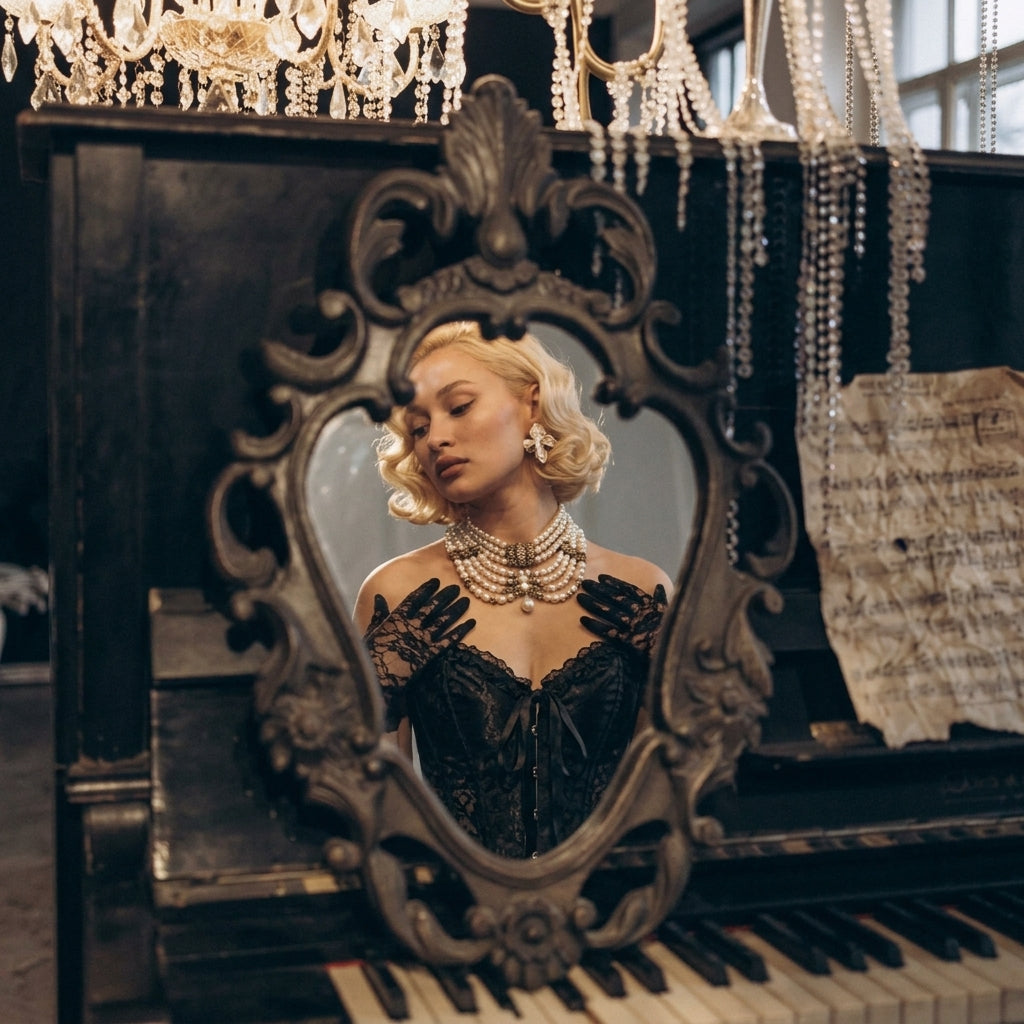
Inherited a vintage pearl necklace? Discover indicative market values by era, what a maker's signature can add, how natural pearls are confirmed through laboratory testing, and where to sell them.
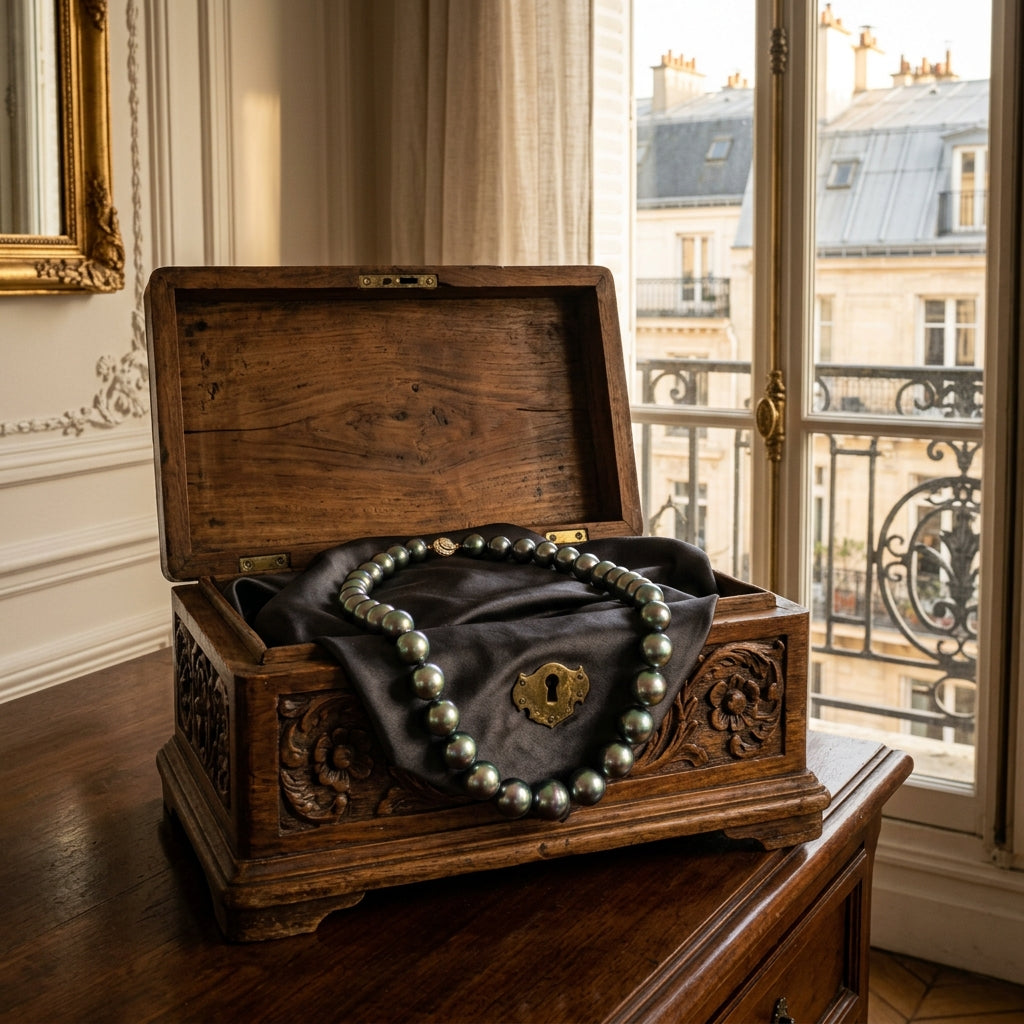
Discover the true market value of Tahitian black pearls broken down by millimeter diameter (8mm to 16mm+) and rare overtones (Peacock, Aubergine, Pistachio) using a 40-item retailer pricing sample ...
Leave a comment
All comments are moderated before being published.
This site is protected by hCaptcha and the hCaptcha Privacy Policy and Terms of Service apply.