

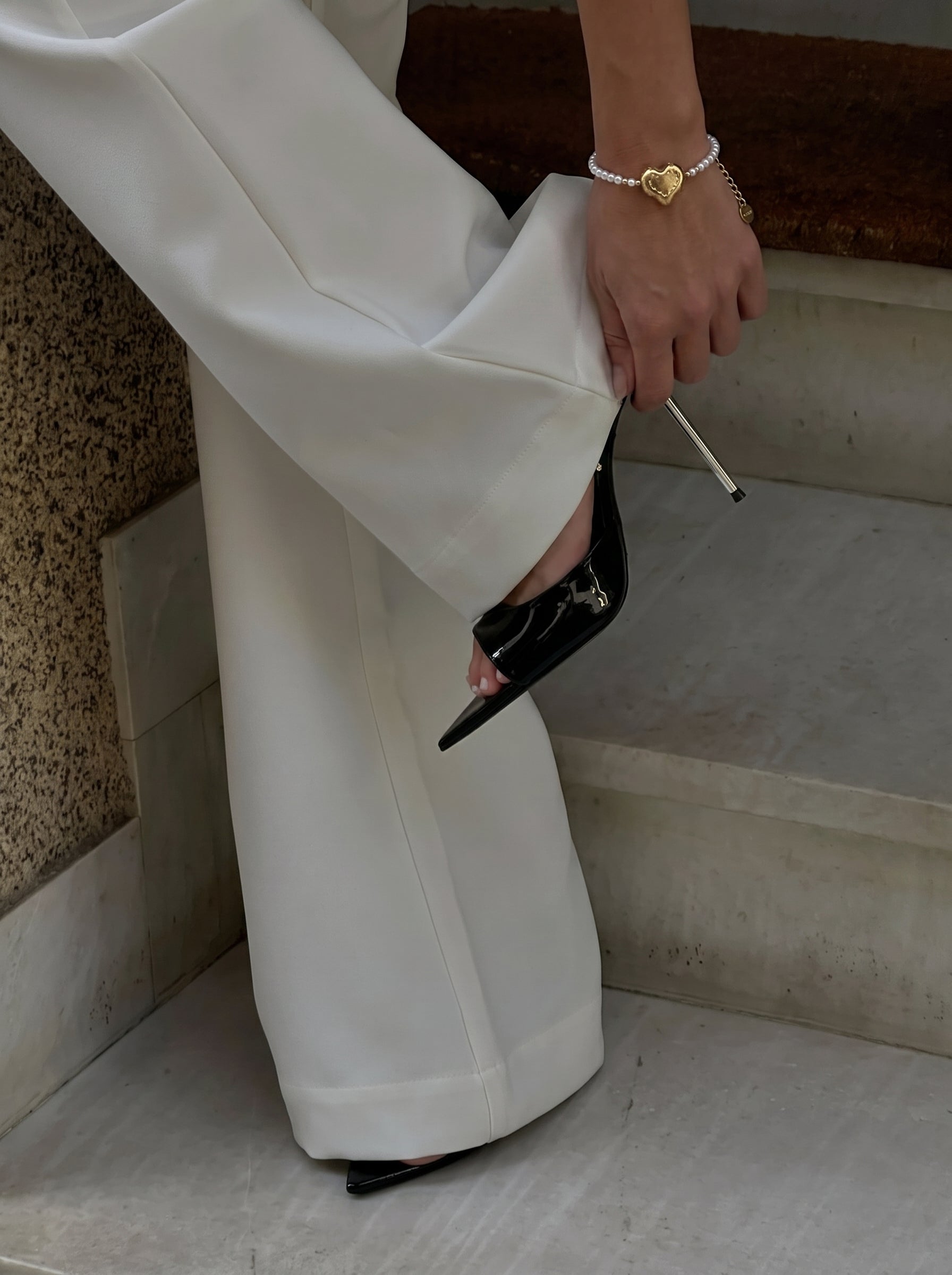

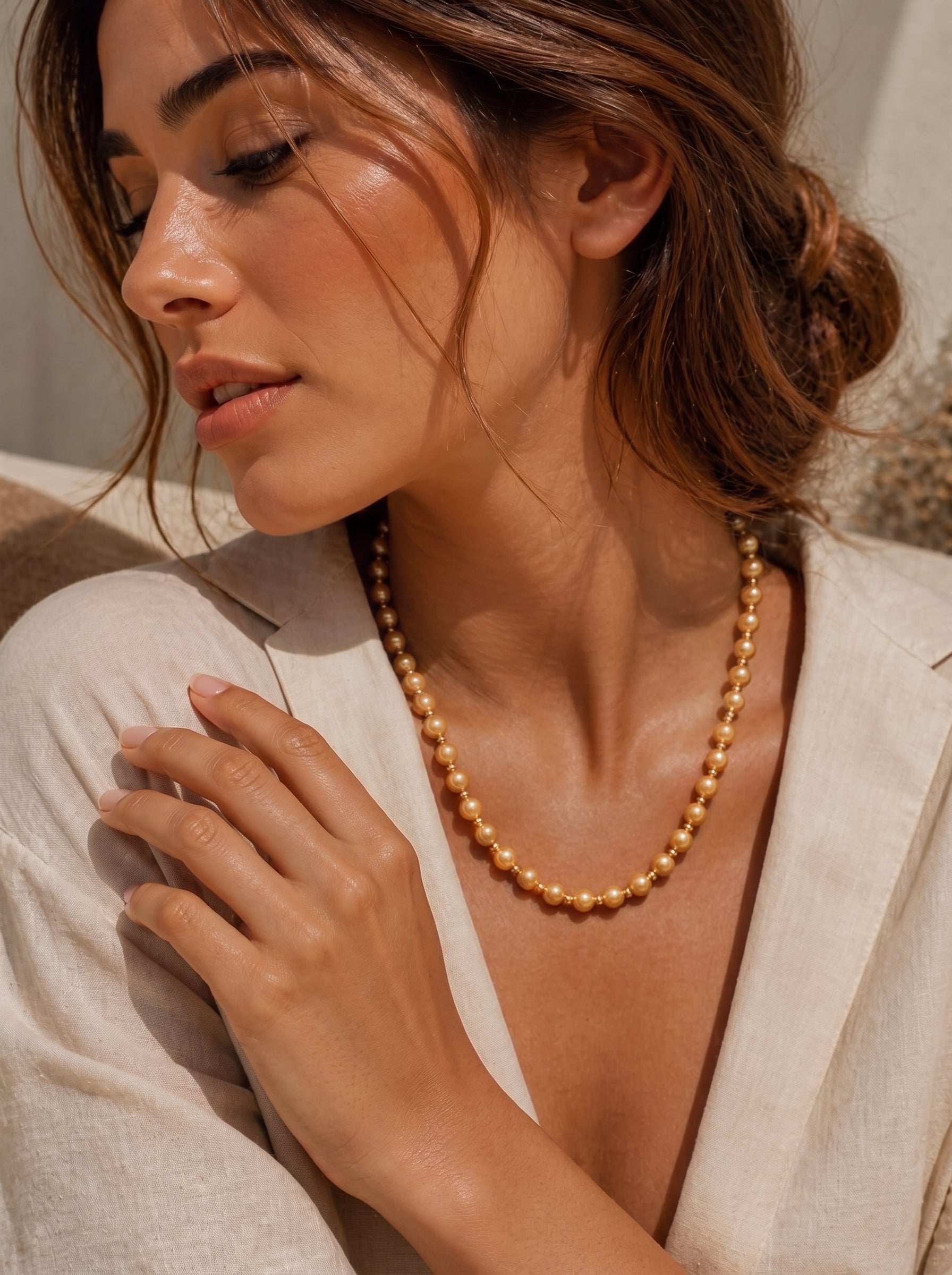
Pearl Types & Origins
The Grande LiLith collection is built on four cultured pearls, each grown in the water that suits it — alongside a small set of forms and materials chosen by the same eye. For every cultured pearl, its type, origin, and oyster are recorded.
The Everyday Pearl
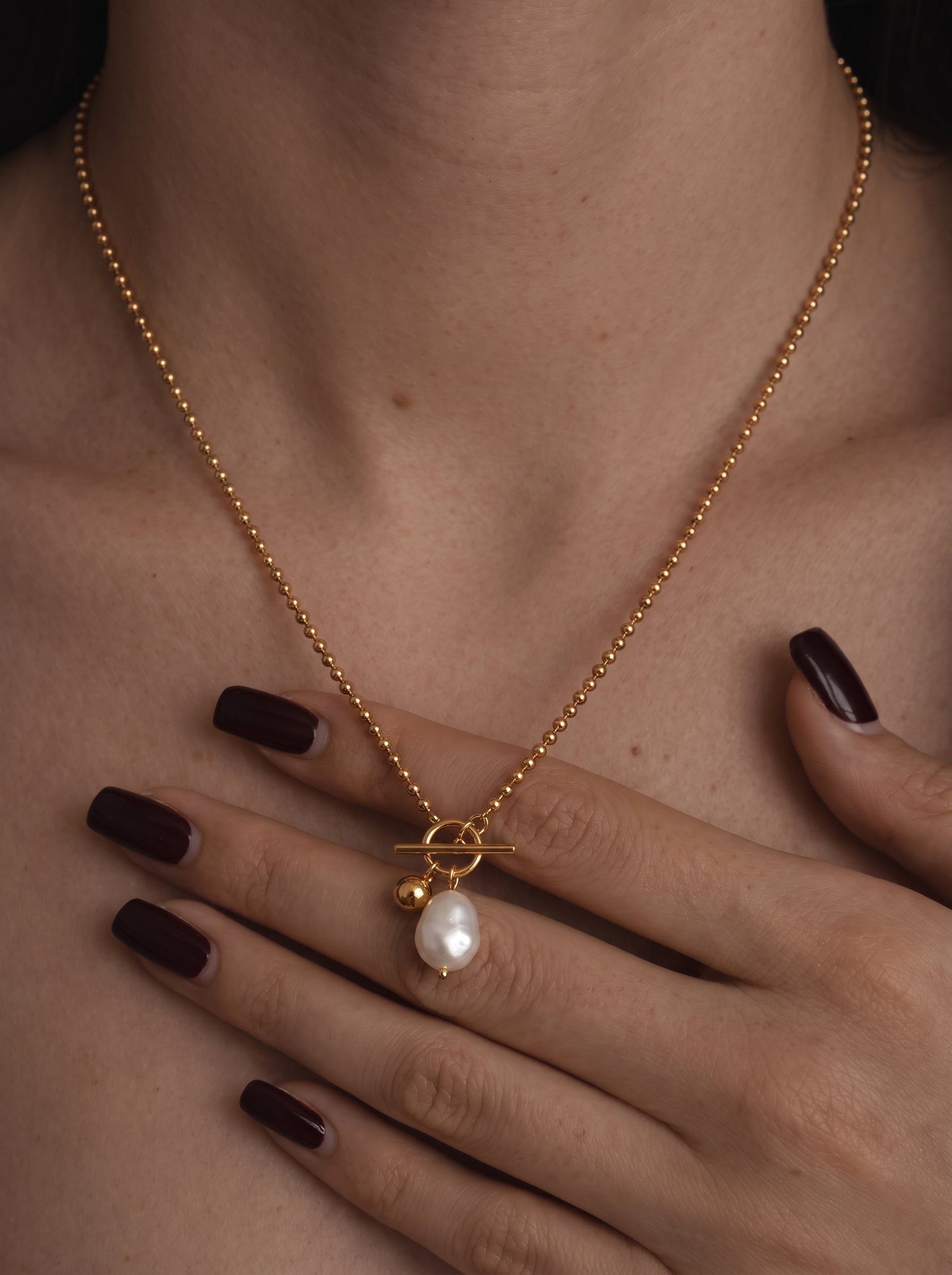
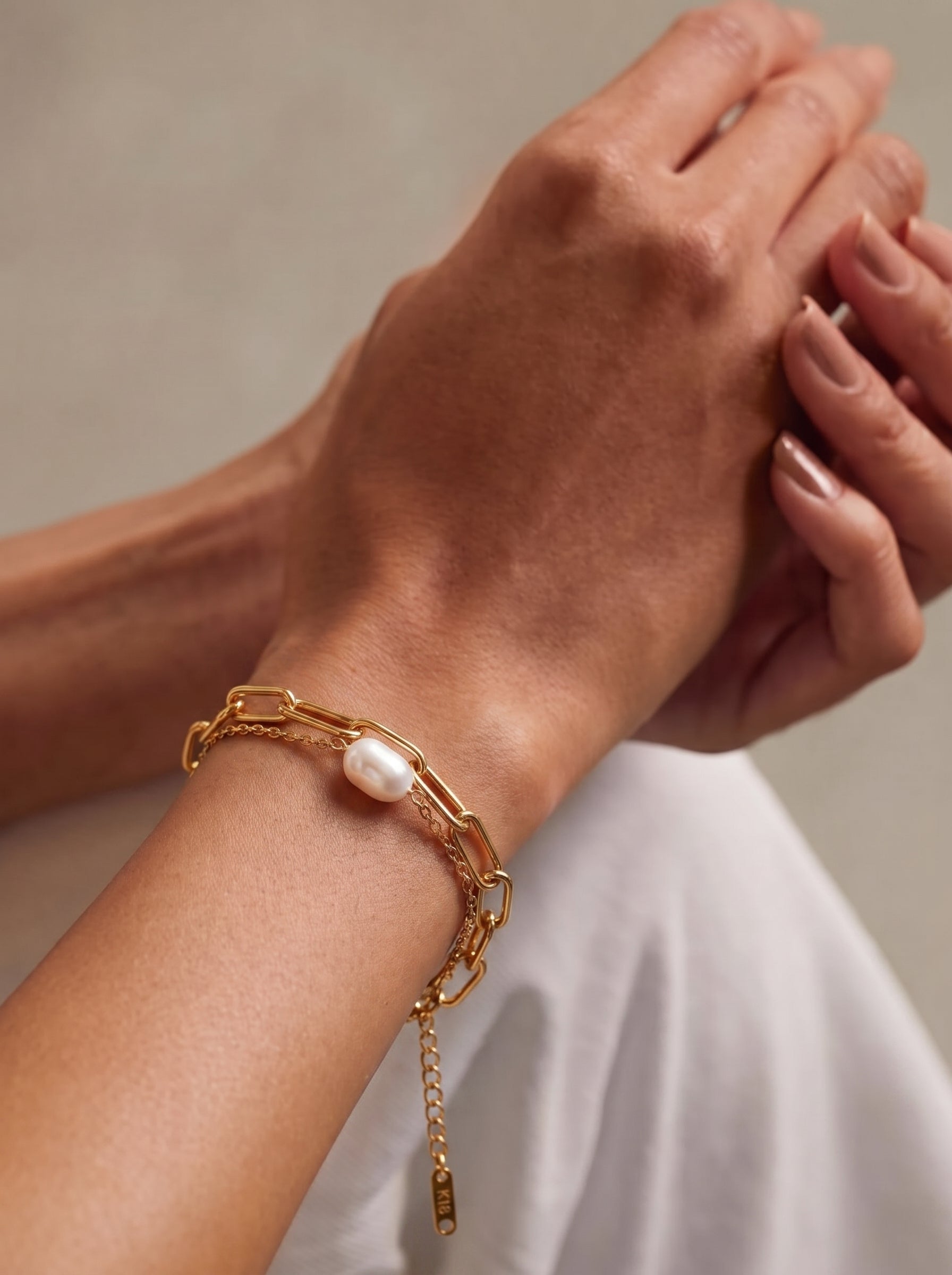
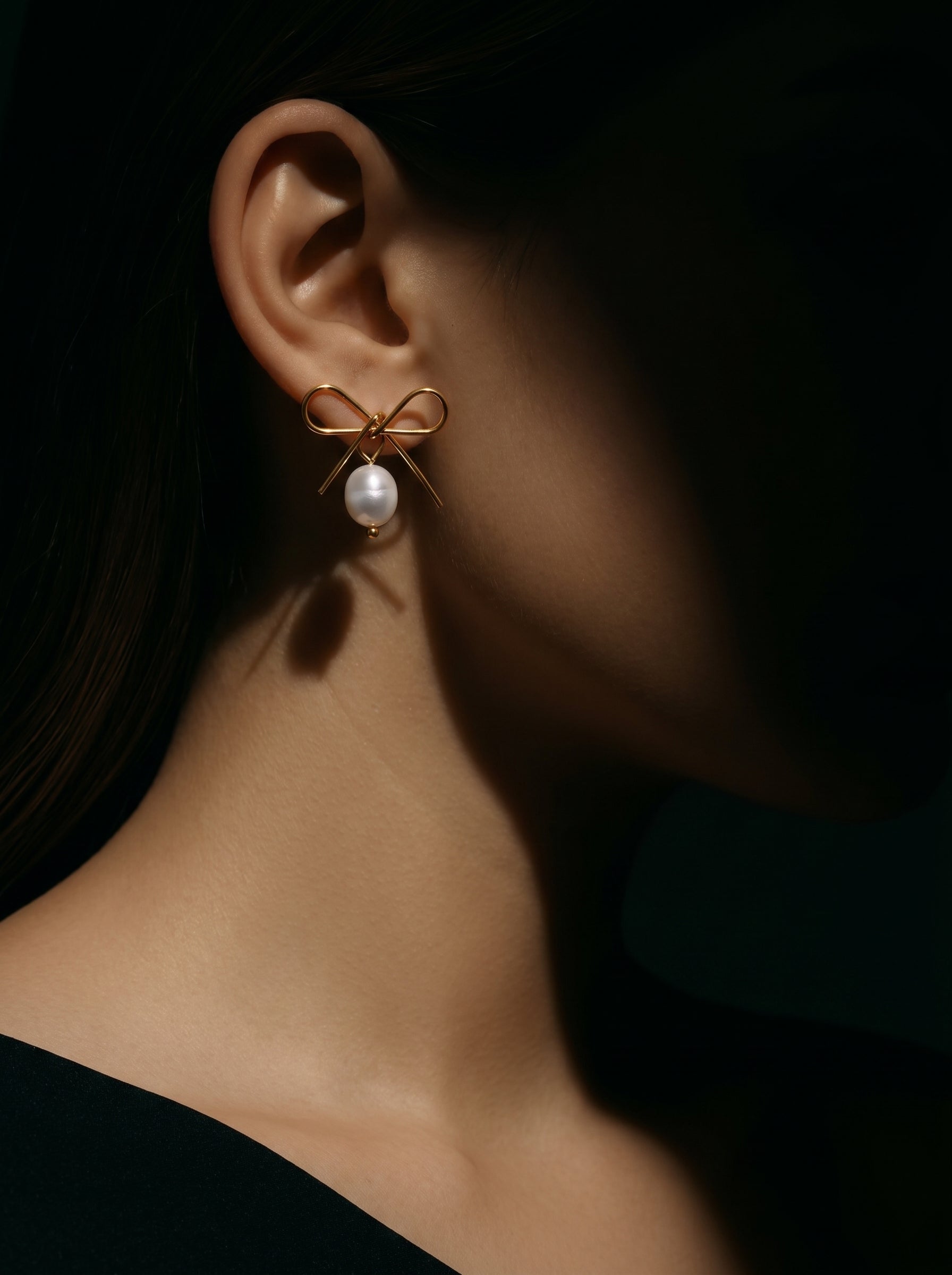
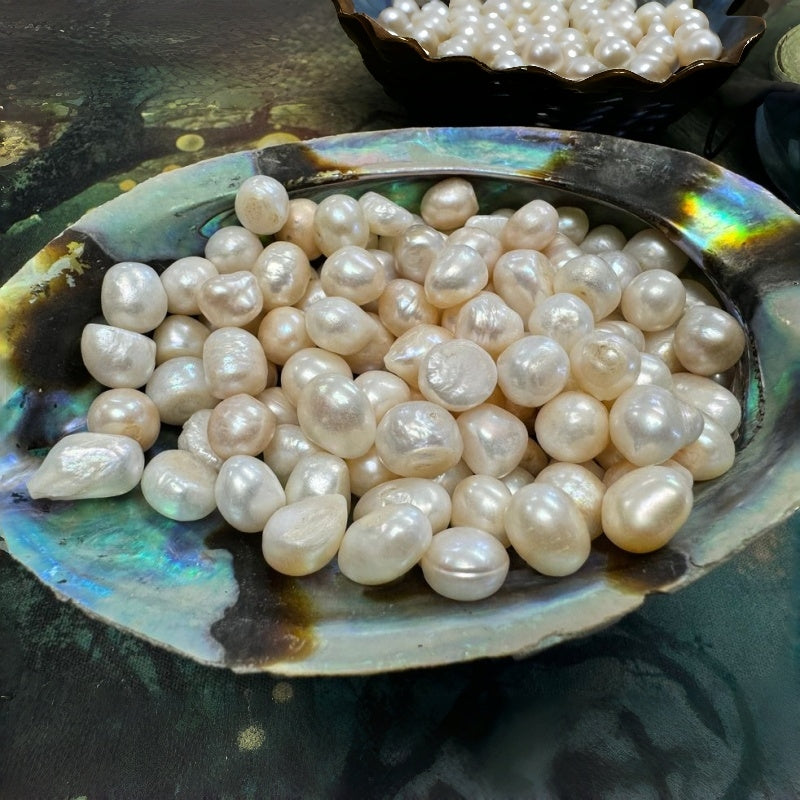
Zhuji, ChinaCultured in the rivers and lakes around Zhuji, the center of the world's freshwater pearl craft. Freshwater pearls carry a soft, satin luster and a natural palette that runs from white through blush, peach, and lavender. This is the pearl she reaches for without thinking — the one she leaves on through the week.
- Oyster: Freshwater mussel
- Size: 6 – 11 mm
- Color: White, blush, peach, lavender
- Luster: Soft, satin
The Everyday Pearl
Zhuji, ChinaCultured in the rivers and lakes around Zhuji, the center of the world's freshwater pearl craft. Freshwater pearls carry a soft, satin luster and a natural palette that runs from white through blush, peach, and lavender. This is the pearl she reaches for without thinking — the one she leaves on through the week.
- Oyster: Freshwater mussel
- Size: 6 – 11 mm
- Color: White, blush, peach, lavender
- Luster: Soft, satin
The Precise Pearl
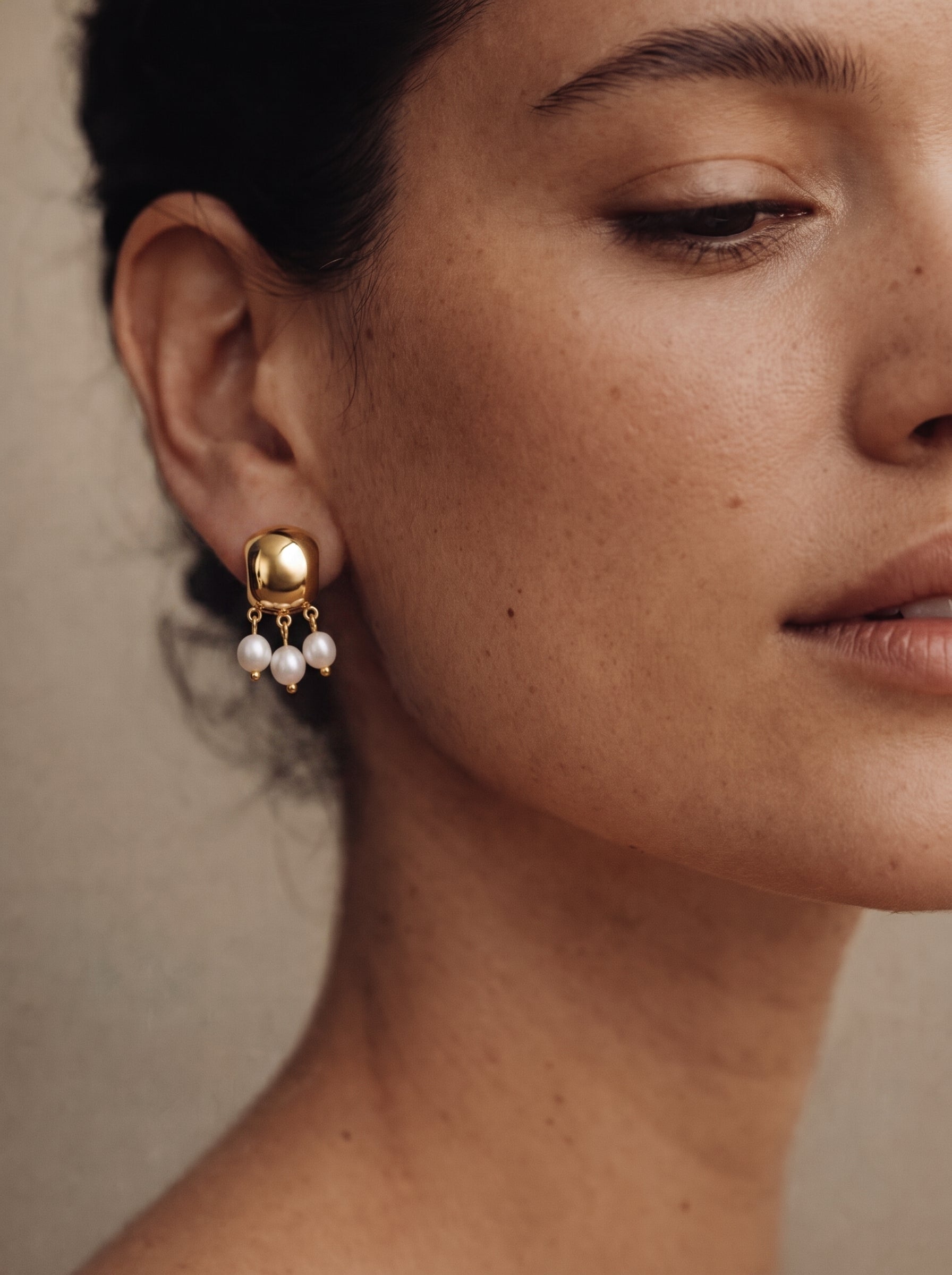
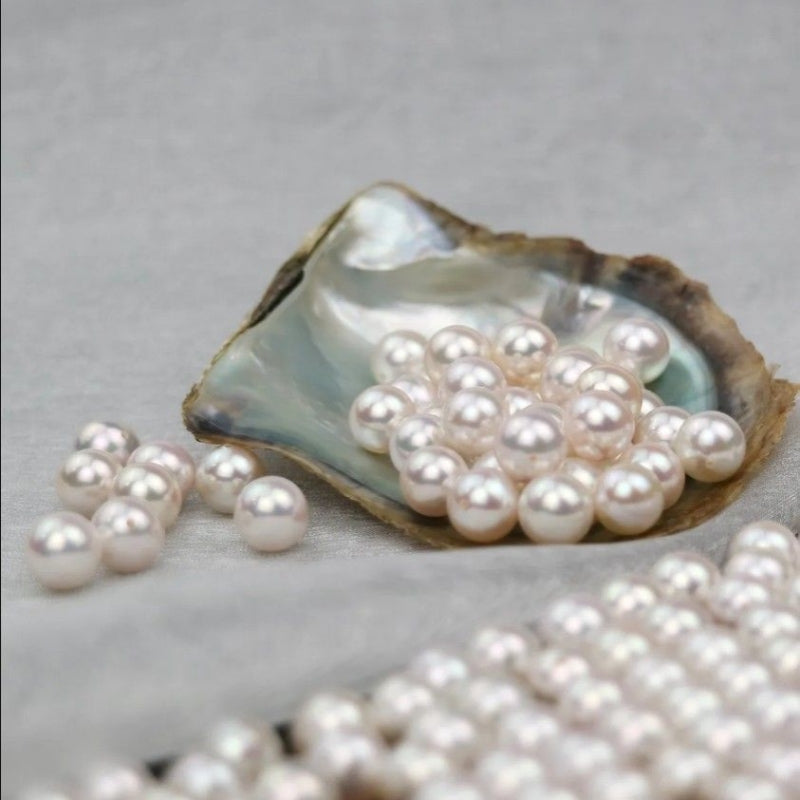
JapanGrown by the Akoya oyster in the cool saltwater bays of Japan. Akoya is the classic round pearl, holding the sharpest, most mirror-like luster of the four — a cool white touched with rose or silver. It reads as deliberate. The pearl that turns a plain morning into an intentional one.
- Oyster: Pinctada fucata
- Size: 6 – 9 mm
- Color: White, rose & silver overtone
- Luster: High, mirror-bright
The Precise Pearl
JapanGrown by the Akoya oyster in the cool saltwater bays of Japan. Akoya is the classic round pearl, holding the sharpest, most mirror-like luster of the four — a cool white touched with rose or silver. It reads as deliberate. The pearl that turns a plain morning into an intentional one.
- Oyster: Pinctada fucata
- Size: 6 – 9 mm
- Color: White, rose & silver overtone
- Luster: High, mirror-bright
The Grand Pearl
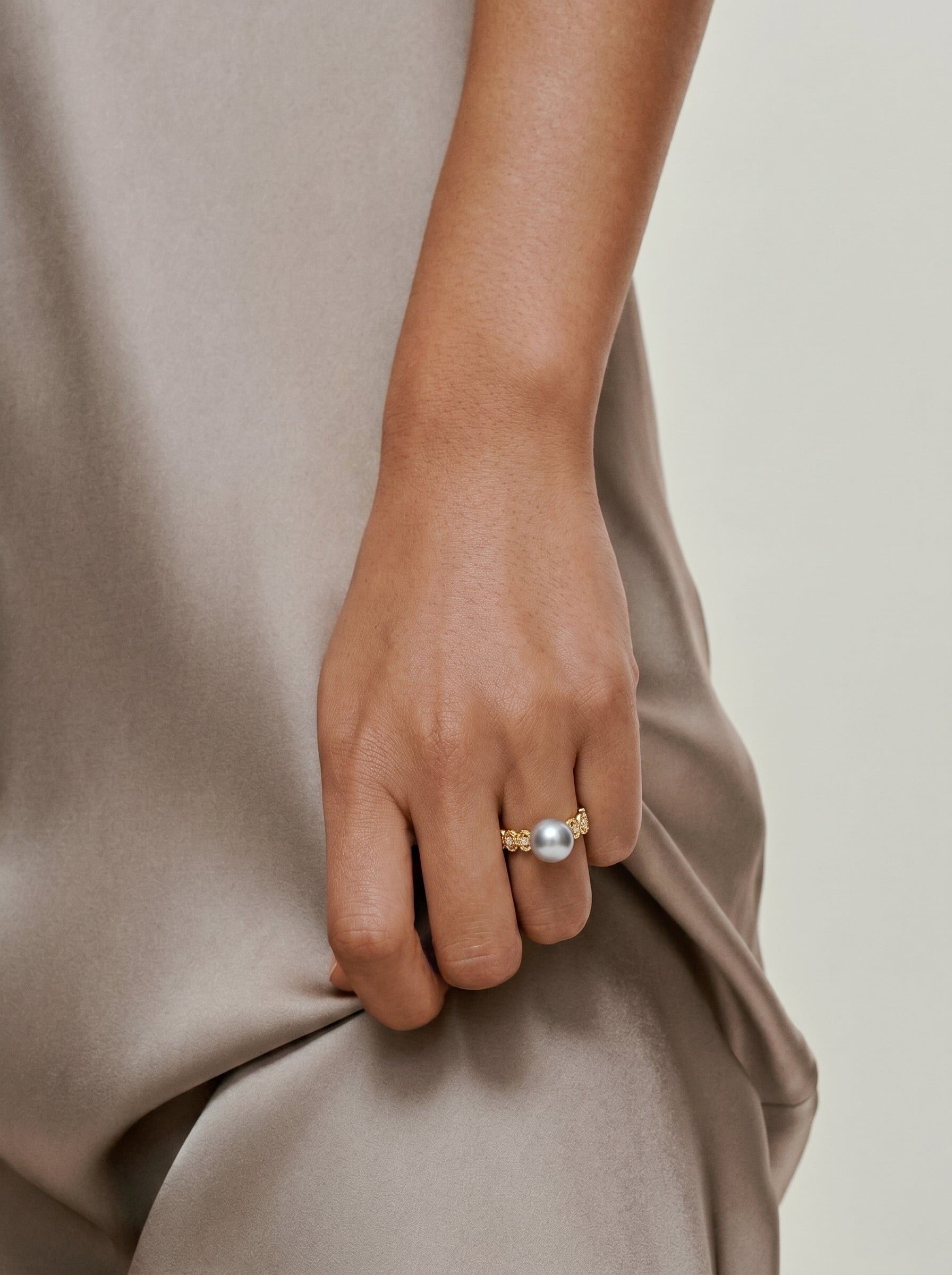
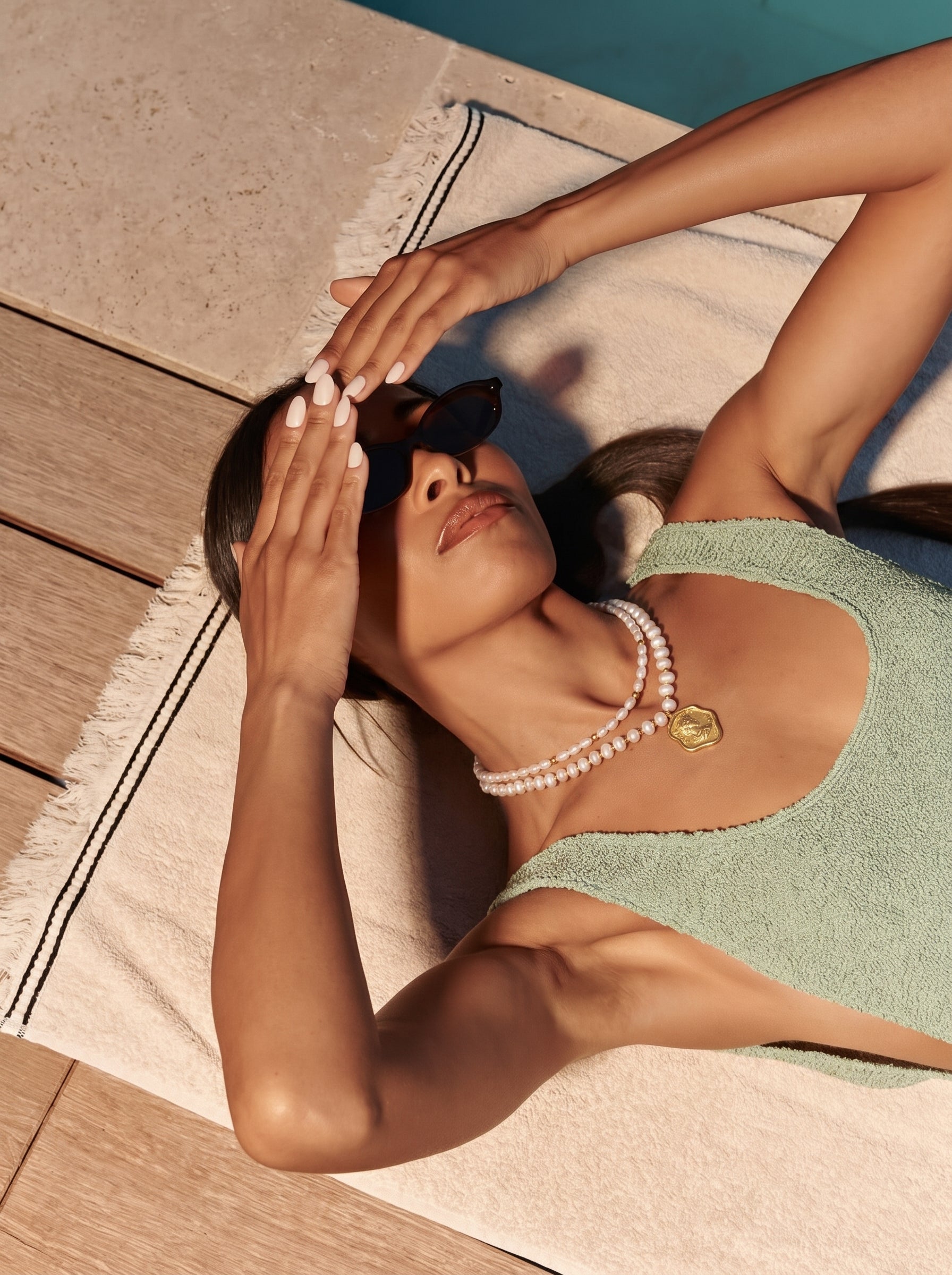
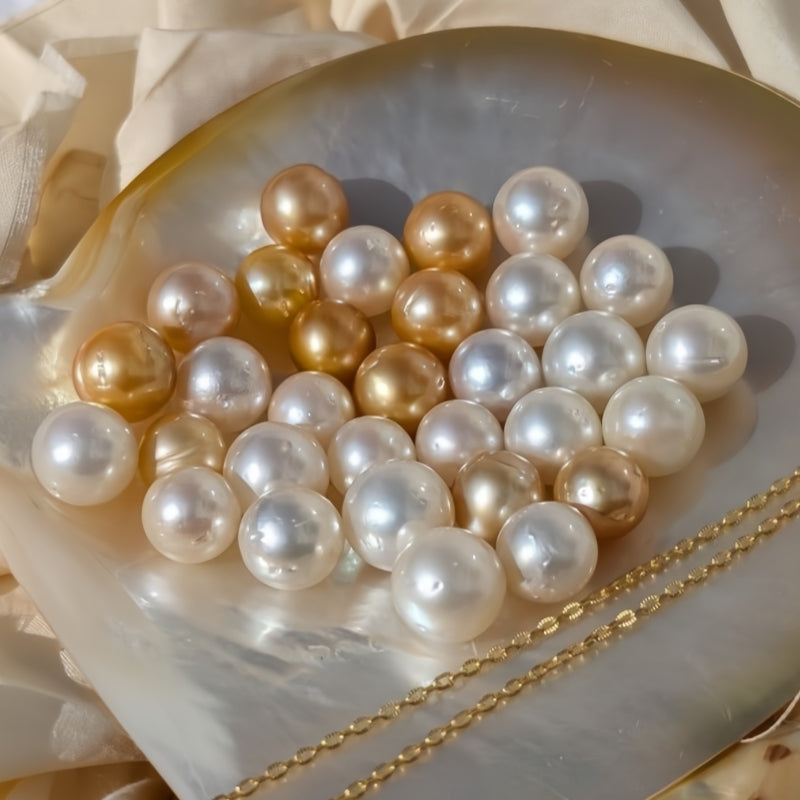
Australia & the PhilippinesGrown by the large silver-lipped and gold-lipped oysters of Australia and the Philippines. The biggest of the cultured pearls, with a soft, lit-from-within glow rather than a sharp shine — cool white and silver from Australian waters, deep gold from the Philippines. Quietly grand, and sure of it.
- Oyster: Pinctada maxima
- Size: 9 – 16 mm
- Color: White, silver, gold
- Luster: Soft, satin glow
The Grand Pearl
Australia & the PhilippinesGrown by the large silver-lipped and gold-lipped oysters of Australia and the Philippines. The biggest of the cultured pearls, with a soft, lit-from-within glow rather than a sharp shine — cool white and silver from Australian waters, deep gold from the Philippines. Quietly grand, and sure of it.
- Oyster: Pinctada maxima
- Size: 9 – 16 mm
- Color: White, silver, gold
- Luster: Soft, satin glow
The Dark Pearl
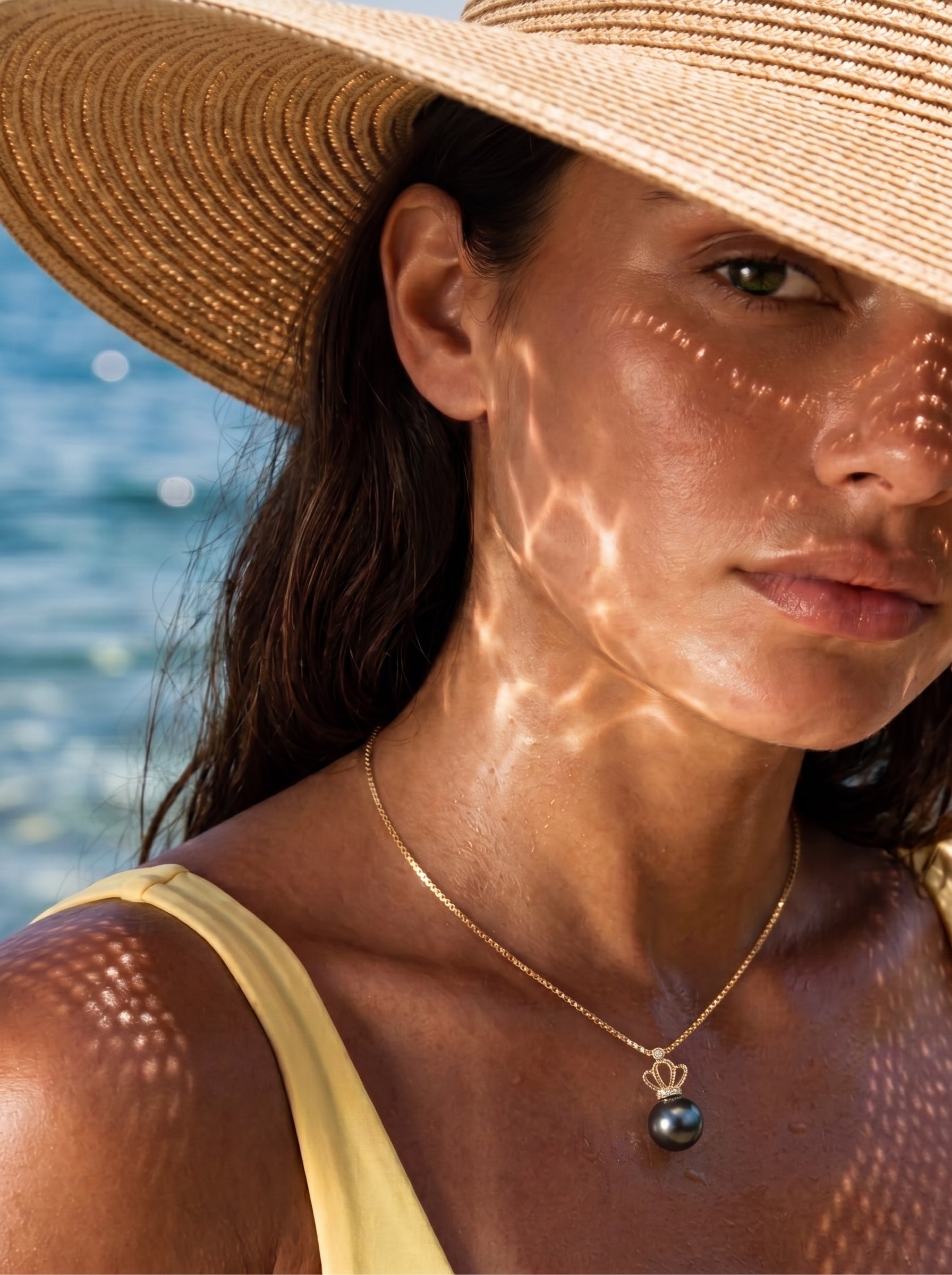
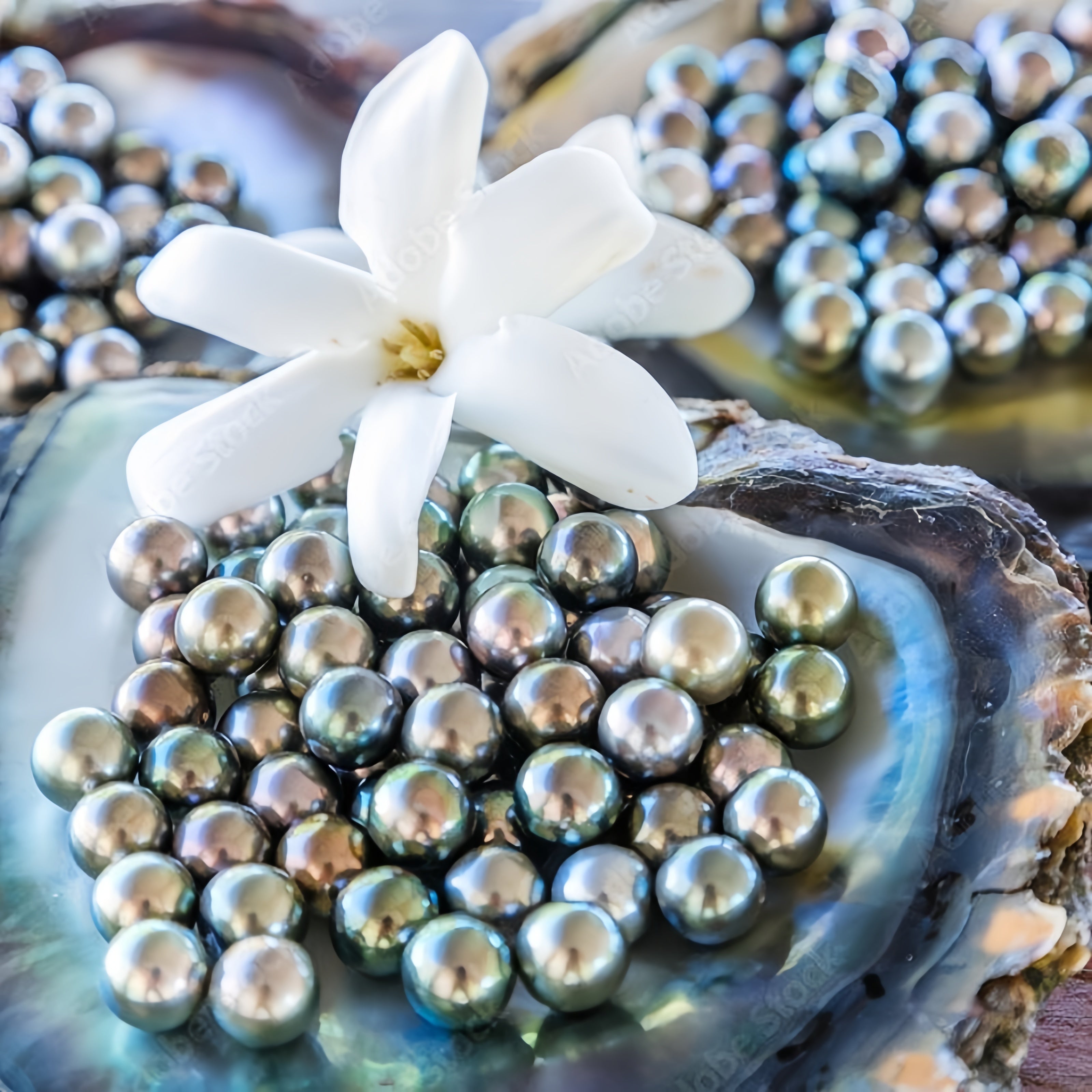
TahitiRaised in the lagoons of French Polynesia by the black-lipped oyster. Naturally dark — grey, charcoal, peacock green, aubergine — and larger, with a deep, metallic shine no other pearl carries. Character, not hierarchy. The piece she wears to a dinner, a date, the night she has something to mark.
- Oyster: Pinctada margaritifera
- Size: 9 – 14 mm
- Color: Grey, peacock, aubergine
- Luster: Deep, metallic
The Dark Pearl
TahitiRaised in the lagoons of French Polynesia by the black-lipped oyster. Naturally dark — grey, charcoal, peacock green, aubergine — and larger, with a deep, metallic shine no other pearl carries. Character, not hierarchy. The piece she wears to a dinner, a date, the night she has something to mark.
- Oyster: Pinctada margaritifera
- Size: 9 – 14 mm
- Color: Grey, peacock, aubergine
- Luster: Deep, metallic
Beyond the grown pearl
Not every piece begins inside an oyster. These belong to the collection on their own terms — each named for exactly what it is.
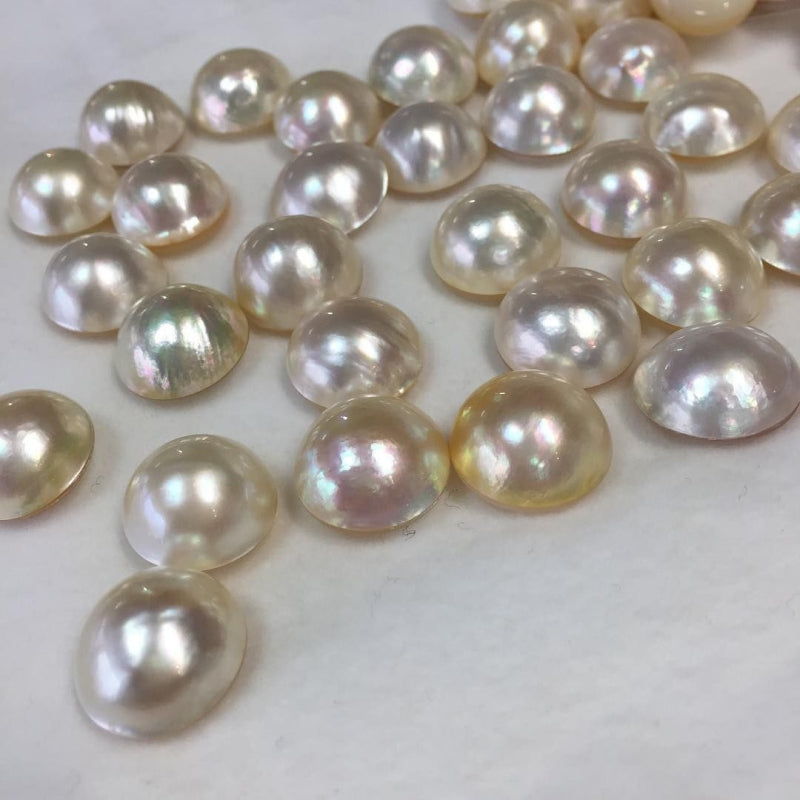
A cultured pearl grown against the shell rather than within the oyster, giving it a flat back and a domed face. Its shape suits rings and earrings, where one clean curve sits close to the skin.
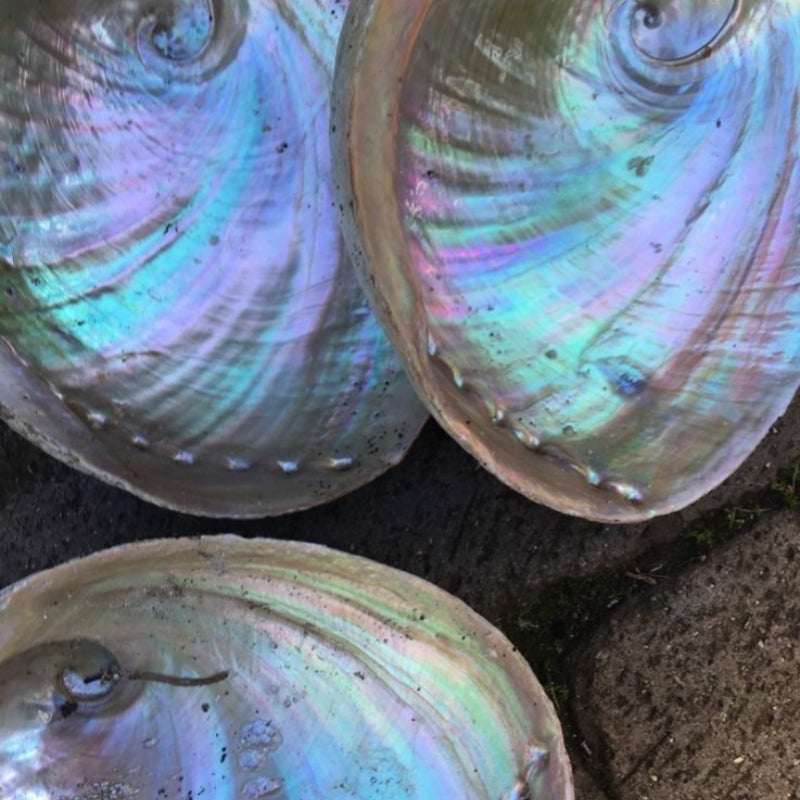
Not a pearl but the nacre itself — the iridescent inner shell an oyster lays down layer by layer. The same material the pearl is made of, worked flat: carved, inlaid, cut to shape.
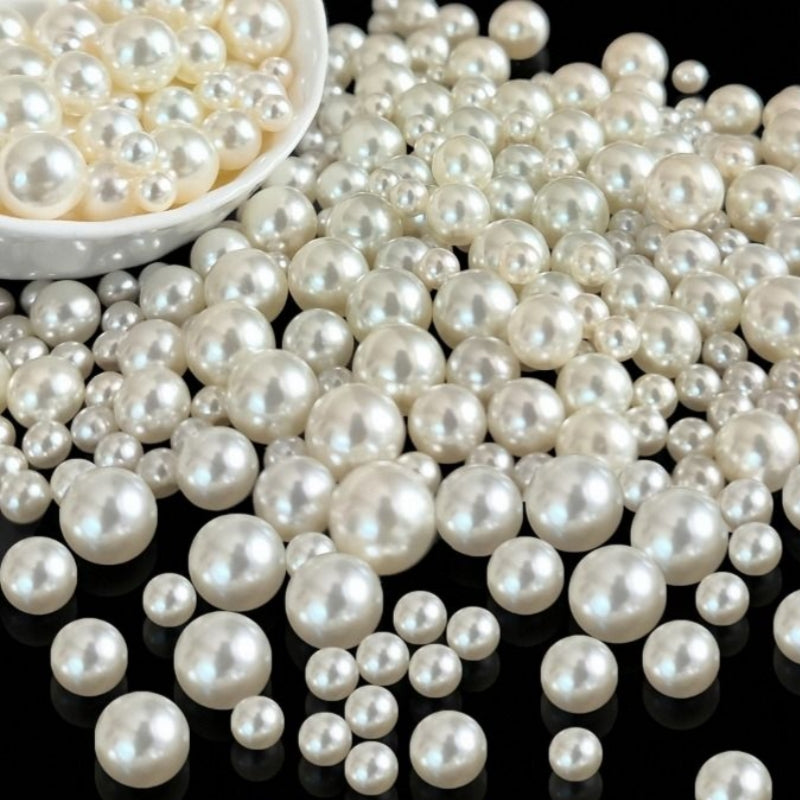
Made, not grown. A glass or shell core finished to read like nacre. Honest about what it is — designed for the look, at a price that asks less of her.
Recorded, not assumed
Type and origin are two of the six attributes documented for every Grande LiLith pearl. Read how each one is graded, traced, and held to a single standard.