


White Pearls: Which Type Should You Actually Buy?
Table des matières
- The 4 Types of White Pearls Explained
- Bodycolor vs. Overtones: White, Rose, Silver, and Cream
- Are White Pearls Bleached? (The Science of "Maes-shori" Processing)
- Master 4-Tier Budget Comparison Table
- Care, Yellowing & Maintenance: Do White Pearls Turn Yellow?
- Buyer Recommendations per Budget & Occasion
- Finding Your Ideal White Pearl
A white pearl counts as any pearl featuring a white calcium carbonate bodycolor, but selecting the ideal white pearl necklace depends on understanding four distinct categories: Freshwater ($150–$600), Japanese Akoya ($800–$3,500), Australian White South Sea ($3,500–$35,000+), and manufactured Shell Pearls ($20–$60). Under 5500K studio testing, each category exhibits unique overtone physics and luster characteristics matching specific budgets.
White is universally recognized as the iconic, default color for fine pearl jewelry. From bridal attire and executive boardroom suits to anniversary gifts and heirloom necklaces passed down through generations, a classic white pearl necklace remains the ultimate symbol of timeless elegance.
However, behind this familiar classic appearance lies a complex reality that surprises most jewelry buyers.
"White" is not a single, uniform gemstone category. In today's market, four completely different types of pearls are sold under the label "white"—Freshwater pearls, Japanese Akoya pearls, Australian White South Sea pearls, and manufactured Shell pearls. While two strands may look similar from a distance, their marine origins, nacre composition, optical luster, and price tags differ by orders of magnitude.
A buyer can acquire a manufactured white shell strand for $40, a genuine freshwater strand for $300, a certified Japanese Hanadama Akoya strand for $2,000, or an Australian South Sea strand for $20,000.
This comprehensive guide demystifies white pearls. We will analyze the four white pearl categories, explain bodycolor versus overtone nuances, reveal how post-harvest bleaching and pinking work, provide care guidelines to prevent yellowing, and help you select the perfect white pearl necklace for your personal budget and style.
For a comprehensive overview of how marine biology and trace minerals create every natural pearl hue across the globe, consult our master guide: Pearl Colors: Every Natural Shade, What Causes It, and What It Costs.
The 4 Types of White Pearls Explained
To choose the right white pearl necklace, you must first understand the four primary gemological options available in fine jewelry boutiques:

1. White Freshwater Cultured Pearls (Hyriopsis cumingii)
Cultivated in lakes and rivers across China, freshwater pearls are tissue-nucleated, meaning the mussel secretes 100% solid organic nacre without an inner shell bead core.
Visual Personality: Soft, warm, satiny glow.
Shapes: Round, near-round, button, and baroque.
Size Range: 6mm to 10mm (with rare Edison specimens reaching 12mm+).
Price: $150 to $600 for an 18-inch strand.
Best For: Everyday modern wear, durable fashion, and accessible gifting.
2. Japanese White Akoya Pearls (Pinctada fucata martensii)
Farmed in the cold coastal waters of Japan and Vietnam, Akoya pearls are the world's benchmark for classic white pearl jewelry.
Visual Personality: Specular mirror-like luster with razor-sharp reflection lines.
Shapes: 99% perfectly spherical due to round shell bead nucleation.
Size Range: 6mm to 9.5mm (specimens over 9mm are rare).
Price: $800 to $3,500 for fine grade; $2,500 to $6,000+ for certified Hanadama grade.
Best For: Traditional bridal wear, classic single-strand elegance, and formal events.
3. Australian White South Sea Pearls (Pinctada maxima silver-lip)
Farmed along the wild Kimberley Coast of Western Australia, White South Sea pearls are the undisputed "Queens of Cultured Pearls."
Visual Personality: Deep, luxurious silky satin glow with extraordinary optical depth.
Shapes: Round, drop, and freeform baroque.
Size Range: 11mm to 18mm+ (massive scale unmatched by Akoya).
Price: $3,500 to $35,000+ for a matched strand.
Best For: High-jewelry statement pieces, executive luxury, and heirloom investment.
4. Manufactured White Shell Pearls (Imitation)
Shell pearls are non-organic fashion items crafted in factories by carving giant clam shells into round beads and dipping them in pulverized mother-of-pearl enamel.
Visual Personality: Flawless, perfectly uniform, high-reflective glaze.
Price: $20 to $60 for an 18-inch white pearl necklace.
Best For: Destination travel, costume design, and water exposure.
Bodycolor vs. Overtones: White, Rose, Silver, and Cream
When evaluating a white pearl necklace, gemologists separate color into two distinct optical layers:
Bodycolor: The dominant background color of the pearl's aragonite calcium carbonate matrix (Pure White, Alabaster, or Ivory).
Overtone: One or more translucent, shimmering colors that float over the pearl's surface when light reflects through the top crystalline layers.
The 4 Primary White Overtones
Understanding overtones helps buyers match a white pearl necklace to their personal complexion and wardrobe:
1. Rose-White (Pinkish Glow)
A delicate, warm pink overtone floating over crisp white nacre. Rose is the most popular Akoya overtone because it imparts an unhealthy pale skin tone with a healthy, youthful flush.
2. Silver-White (Cool Ice Glow)
A clean, bright white bodycolor illuminated by cool silvery-blue overtones. Silver-white is highly sought after in South Sea pearls and complements fair, cool skin tones or white gold settings.
3. Cream-White (Warm Ivory)
A warm, rich bodycolor with golden or honey undertones. Cream pearls offer a vintage, antique aesthetic that looks stunning against olive, tan, or warm skin complexions.
4. Ice-Blue White
A rare Akoya overtone featuring subtle oceanic blue reflections. Highly prized by collectors for its icy brilliance.

Are White Pearls Bleached? (The Science of "Maes-shori" Processing)
A common point of confusion for consumers buying a white pearl necklace is whether white pearls undergo chemical processing.
The short answer: Yes, 99% of commercial white cultured pearls undergo routine post-harvest treatment.
The Standard 2-Step Processing Pipeline
Step 1: Hydrogen Peroxide Bleaching
When cultured pearls are harvested from oysters or mussels, the nacre contains minor organic debris, mud particles, and dark brown conchiolin spots. To achieve a uniform white bodycolor, processors submerge harvested strands in a mild hydrogen peroxide solution under constant fluorescent light for 3 to 7 days. This process safely bleaches dark organic spots without damaging the aragonite crystal structure.
Step 2: Pinking (Maes-shori 処理)
Originating in Kobe, Japan, Maes-shori is a specialized finishing technique. Bleached Akoya pearls are immersed in warm methyl alcohol solutions infused with organic eosin red dye. The subtle pink dye penetrates the top microscopic layers of nacre, imparting the famous Rose overtone that consumers love in a fine white pearl necklace.
The South Sea Exception: Usually Unbleached Whiteness
Unlike most Akoya and freshwater pearls, Australian White South Sea pearls are generally not bleached, although they may be cleaned and polished. The silver-lip Pinctada maxima oyster naturally secretes thick, pristine white nacre, allowing South Sea pearls to go directly from the ocean to fine jewelry designs with zero chemical treatment.
To explore how natural pink hues compare to dye treatments, read our guide on Pink Pearls: Natural Rosé, Conch Pink, and How to Spot a Dye Job.
Master 4-Tier Budget Comparison Table
To help you compare your options when shopping for a white pearl necklace, review our gemological comparison framework below:
Care, Yellowing & Maintenance: Do White Pearls Turn Yellow?
A frequent concern among collectors purchasing a fine white pearl necklace is whether organic white nacre will yellow over time.
Why White Pearls Can Yellow Over Decades
Cultured pearls are organic gemstones containing approximately 2% to 4% bound structural water held within the conchiolin protein matrix. Over decades of wear, three primary environmental factors can cause white pearls to shift toward a yellowish-cream shade:
Oxidation of Conchiolin: Exposure to atmospheric oxygen and heat oxidizes the organic protein binder.
Dehydration: Storing pearls in airtight plastic ziplock bags or dry safes strips structural water from the nacre, causing micro-cracking and yellowing.
Ultraviolet (UV) Exposure: Prolonged exposure to intense sunlight breaks down organic pigments.
4 Rules to Prevent Yellowing
Wear Your Pearls Frequently: Pearls absorb natural ambient humidity and subtle skin oils, keeping the organic conchiolin hydrated.
Never Store in Plastic Bags: Always store your white pearl necklace in breathable cloth pouches or velvet-lined wooden jewelry boxes.
Avoid Chemical Cleaners: Never submerge pearls in steam cleaners, ultrasonic machines, or harsh household chemicals like vinegar or bleach.
Wipe After Wearing: Gently wipe gems with a soft, damp microfiber cloth after wearing to remove sweat and cosmetics.
For step-by-step home authenticity tests, explore How to Tell If Pearls Are Real: 8 Tests You Can Do at Home.
Buyer Recommendations per Budget & Occasion
Choosing the right white pearl necklace comes down to aligning your budget with your desired luster style and occasion:
Budget Tier 1 ($20 – $100): The Travel & Style Option
Recommendation: Manufactured White Shell Pearls.
Why: Delivers flawless 10mm+ white pearl aesthetics for vacation travel, costume parties, or media productions without loss anxiety.
Budget Tier 2 ($200 – $600): The Everyday Modern Option
Recommendation: White Freshwater Cultured Pearl Strand (7.5mm–8.5mm).
Why: Offers 100% solid organic nacre, excellent durability, and a soft warm glow perfect for daily office wear and casual outfits.
Budget Tier 3 ($1,200 – $3,500): The Classic Bridal & Formal Option
Recommendation: Japanese Akoya Pearl Strand (7.5mm–8.5mm AAA or Hanadama grade).
Why: Provides world-renowned mirror luster, razor-sharp reflections, and iconic round symmetry for weddings, galas, and formal milestones.
Budget Tier 4 ($4,000 – $30,000+): The High Jewelry Heirloom Option
Recommendation: Australian White South Sea Pearl Strand (12mm–15mm).
Why: Unsurpassed giant scale, deep silky satin luster, usually untreated color, and lasting investment value for heirloom collections.
To explore how warm gold accents compare to classic white, read our guide on Golden South Sea Pearls: Why the Deepest Gold Costs the Most.
Finding Your Ideal White Pearl
A classic white pearl necklace remains the ultimate cornerstone of any fine jewelry collection. By understanding the distinct characteristics of Freshwater, Akoya, South Sea, and Shell pearls, you can choose the perfect white gem that matches your wardrobe, budget, and personal aesthetic.
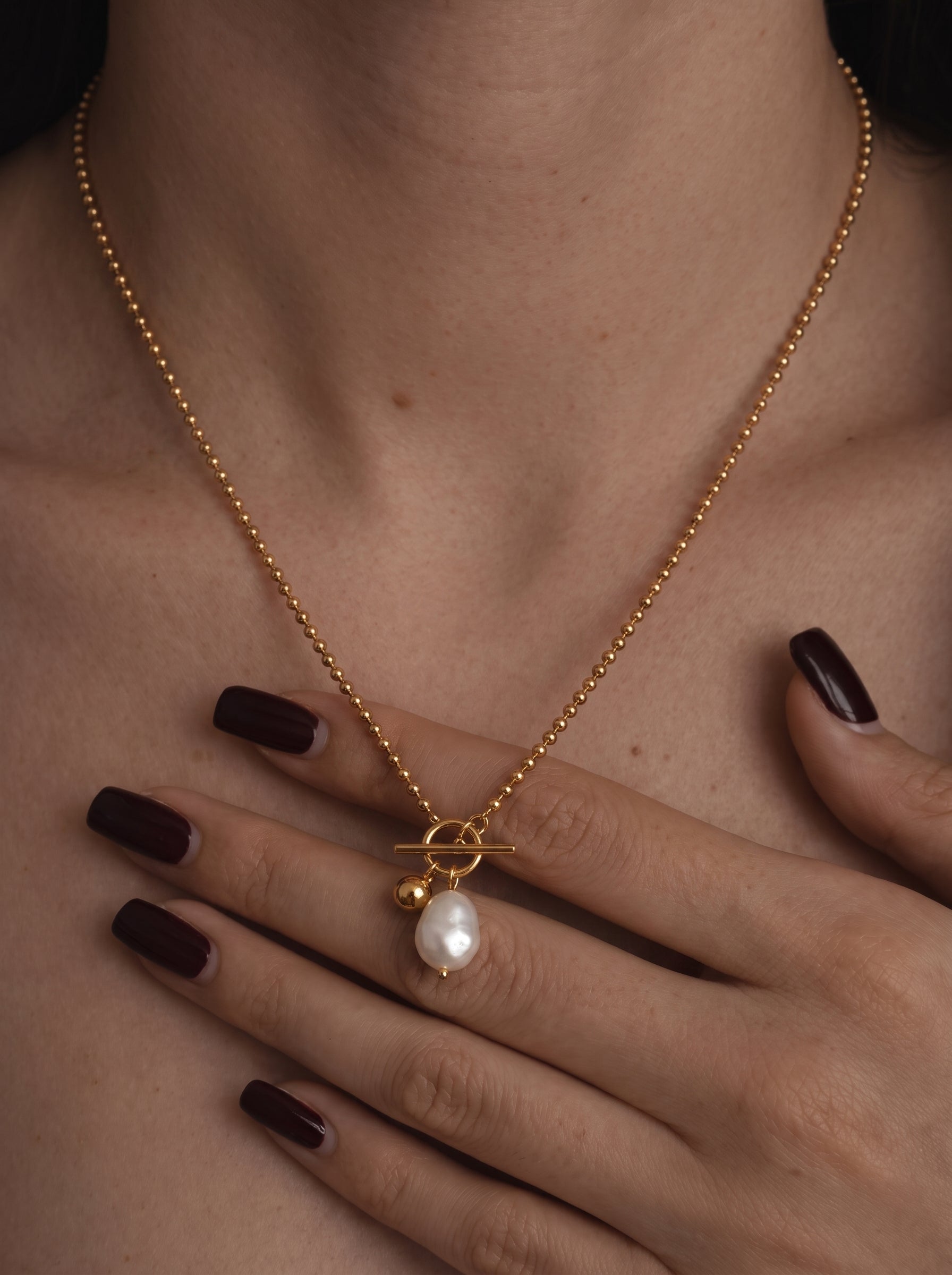
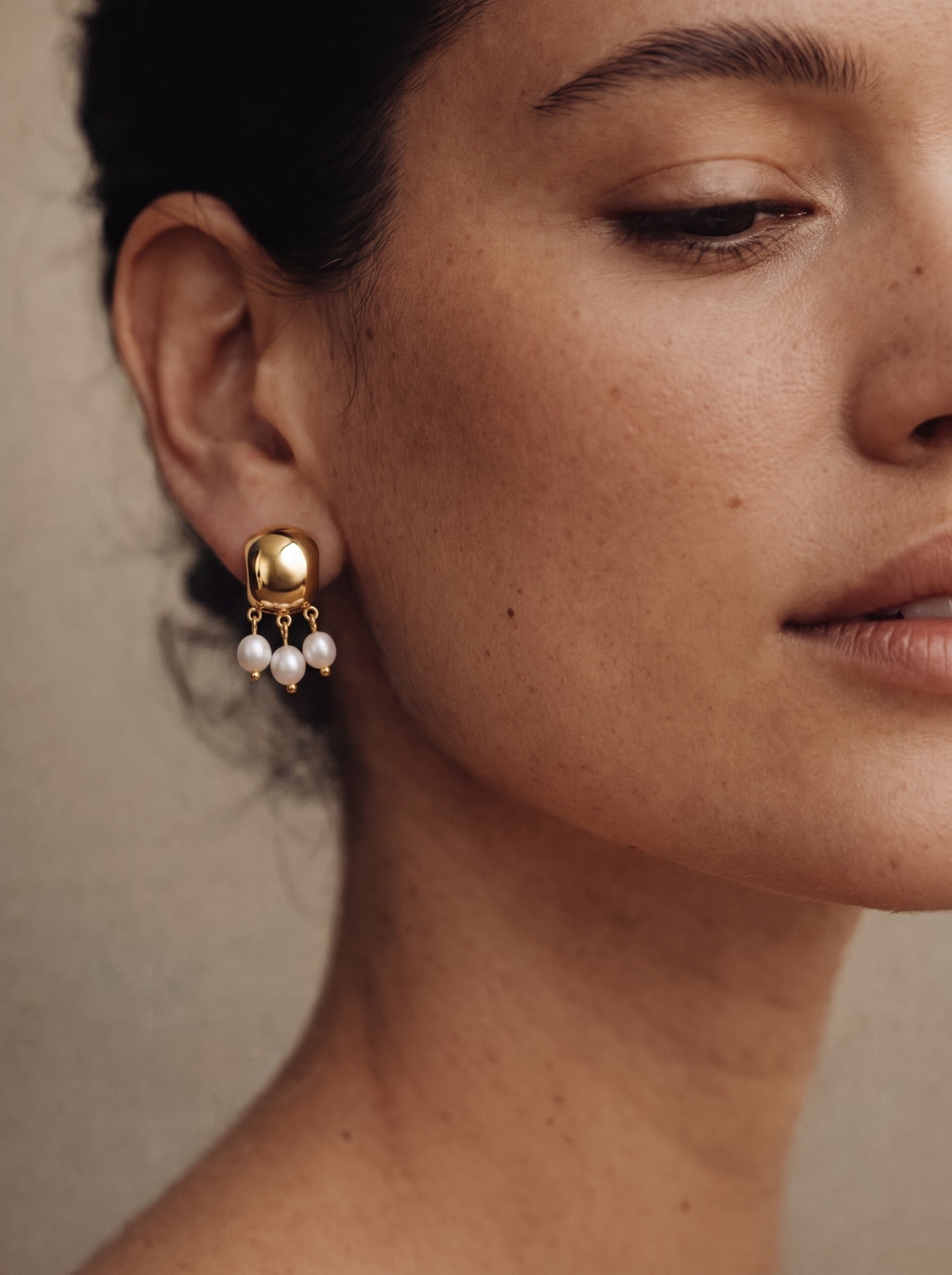
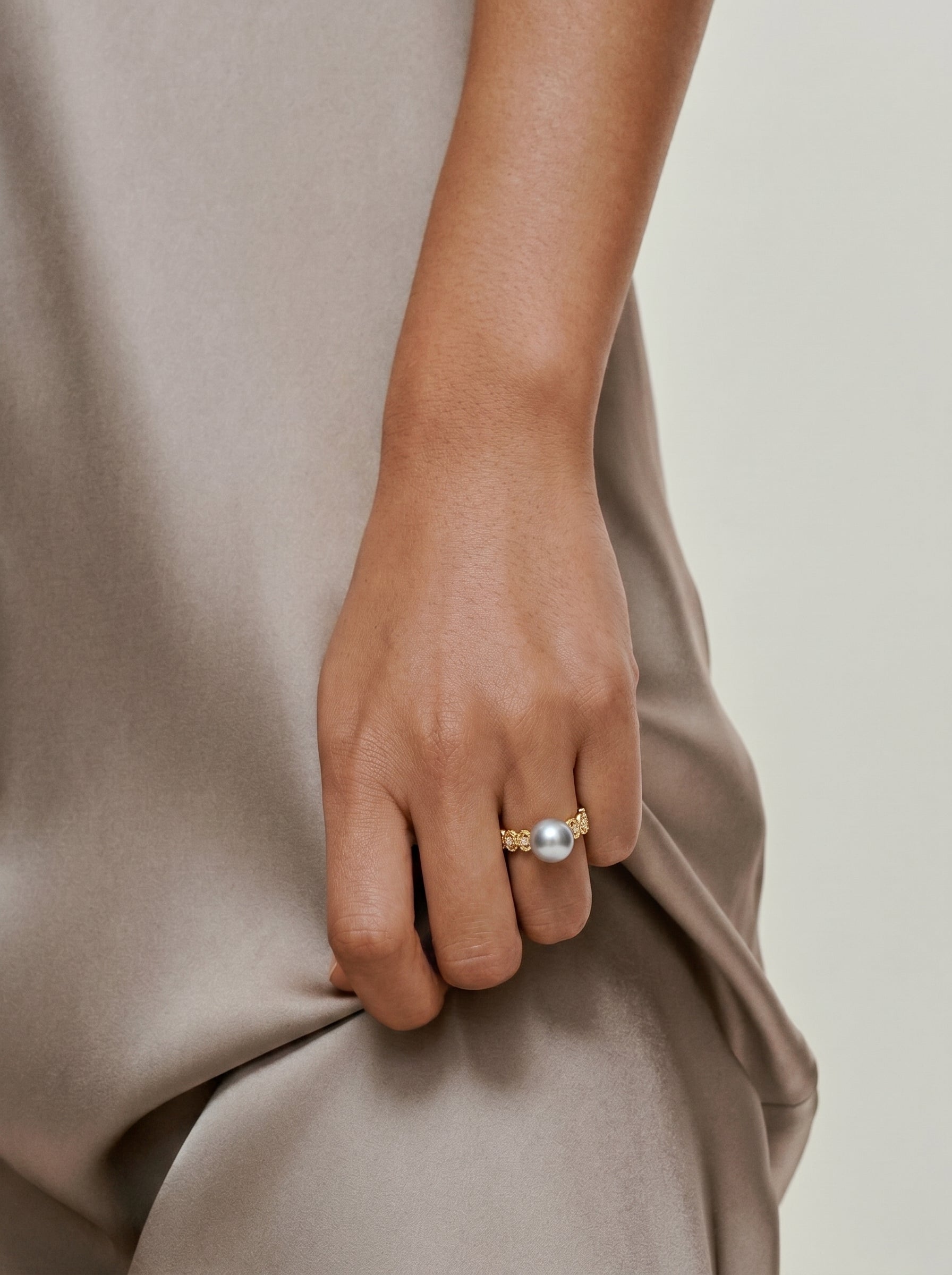
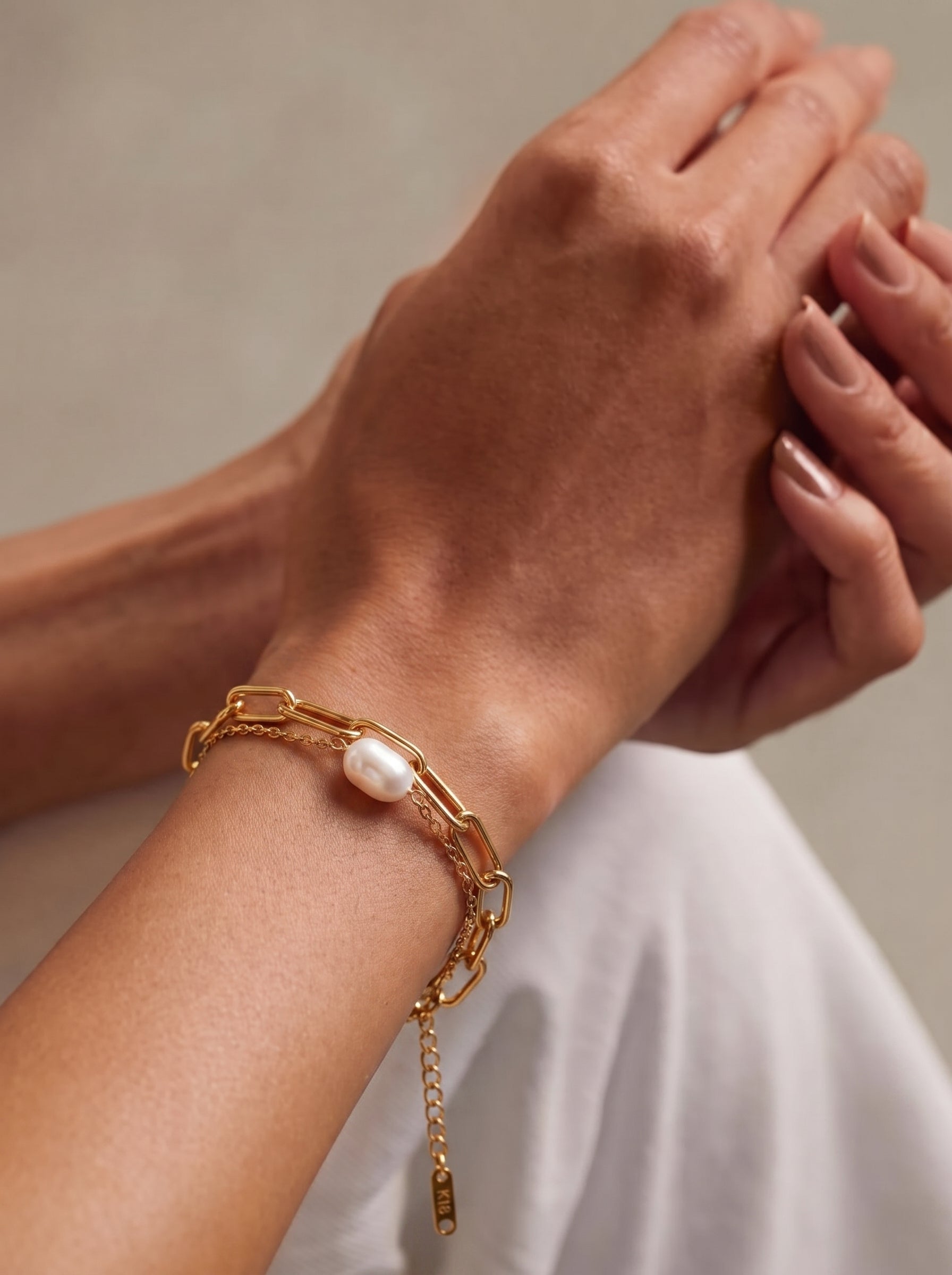
Explore our white pearl jewelry in the Grande Lilith Fine White Pearl Collection.
Frequently Asked Questions (FAQ)
What counts as a white pearl?
A white pearl is any cultured or manufactured pearl featuring a white calcium carbonate bodycolor, spanning Freshwater, Akoya, White South Sea, and Shell pearl categories.
Which pearl types come in white?
White is produced naturally or through standard processing in Freshwater mussels, Japanese Akoya oysters (Pinctada fucata), Australian White South Sea oysters (Pinctada maxima), and manufactured Shell pearls.
Are white pearls bleached?
Most commercial Freshwater and Akoya white pearls undergo hydrogen peroxide bleaching to remove dark organic spots. However, Australian White South Sea pearls are generally not bleached, although they may be cleaned and polished.
What is the difference between white and cream pearls?
White pearls feature a bright alabaster or silvery bodycolor. Cream pearls feature a warmer ivory bodycolor with yellow or golden undertones, often favored for vintage aesthetic appeal.
Which white pearl suits which budget?
Shell pearls suit $20–$60 budgets; Freshwater pearls suit $150–$600 budgets; Akoya pearls suit $800–$3,500 budgets; and White South Sea pearls suit $3,500–$35,000+ high-jewelry budgets.
Do white pearls yellow over time?
If stored properly in breathable pouches and worn regularly, white pearls will maintain their white brilliance for decades. Yellowing only occurs if pearls are dehydrated in plastic bags or exposed to harsh UV light over long periods.
Read more

Resolve the ultimate saltwater pearl debate. Compare Tahitian vs South Sea pearls across 9 gemological factors, mollusk biology (Pinctada margaritifera vs Pinctada maxima), 2026 market pricing data...

Learn how to tell if pearls are real with 8 non-destructive home tests: tooth friction, 10x loupe drill hole inspection, weight, UV light and more, plus the destructive myths (vinegar and flames) t...
Leave a comment
All comments are moderated before being published.
This site is protected by hCaptcha and the hCaptcha Privacy Policy and Terms of Service apply.