



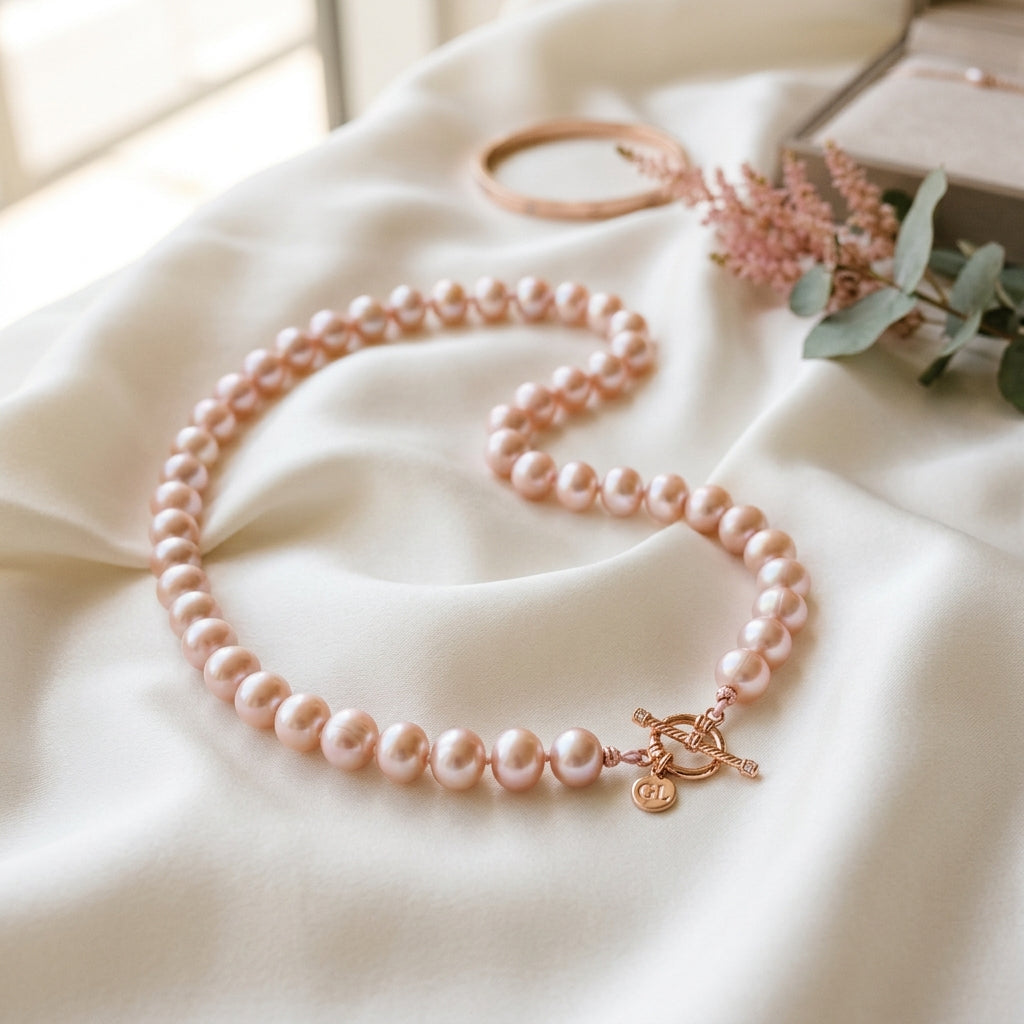
Pink Pearls: Natural Rosé, Conch Pink, and How to Spot a Dye Job
Table des matières
- The Three Types of Pink Pearls: Bodycolor, Overtone, and Non-Nacreous
- How to Spot a Dyed Pink Pearl: 4 At-Home Gemological Tests
- Pink Pearl Value & Price Guide: What Should You Pay in 2026?
- FTC Disclosure Rules for Pink Pearls: What Jewelers Must Tell You
- How to Style Pink Pearl Jewelry: Skin Tones & Metal Pairings
- Caring for Your Pink Pearls
Prized for their captivating hues, natural pink pearls occur organically in freshwater mussels (Hyriopsis cumingii) and rare Caribbean queen conch sea snails (Strombus gigas). Saltwater Akoya pearls also exhibit natural translucent rosé overtones over white nacre. However, hyper-uniform, magenta pink pearls sold at low price points are almost always artificially color-treated or dyed freshwater pearls.
Understanding pink pearls requires separating bodycolor, optical overtones, and non-nacreous gem structures. The jewelry market frequently uses the term "pink pearl" indiscriminately, leading to consumer confusion between accessible $150 natural freshwater strands, $2,000 saltwater Akoya necklaces, and $50,000 collector-grade conch pearls. This guide aims to demystify these exquisite gems, helping you identify genuine articles and understand their true value.
The Three Types of Pink Pearls: Bodycolor, Overtone, and Non-Nacreous
Pink pearls fall into three distinct gemological categories: natural freshwater bodycolor pearls, saltwater Akoya pearls with rosé overtones, and non-nacreous conch pearls. Natural bodycolor arises from organic carotenoid pigments deposited throughout the nacre. Overtones are translucent optical glows floating above white nacre, while conch pearls are non-nacreous calcitic gems with flame structures. Each type offers unique beauty and value, making it crucial to understand their distinct characteristics when considering a purchase.
1. Natural Pink Freshwater Pearls (Bodycolor)
Natural pink freshwater pearls are cultured in the triangular sail mussel (Hyriopsis cumingii) and its hybrids across freshwater lakes in Zhejiang Province, China. Unlike saltwater pearls which grow around a bead nucleus, these pearls are typically solid nacre, formed around a small piece of mantle tissue. This unique cultivation method allows for a wide variety of shapes and sizes, making them highly versatile for jewelry design. Unlike dyed alternatives, natural freshwater pink pearls derive their color from natural organic pigments—specifically carotenoids, secreted by the mussel's mantle tissue during nacre deposition.
Because the color is integrated into every layer of aragonite platelets throughout the pearl's structure, natural pink freshwater pearls exhibit soft, luminous pastel shades. Colors range from delicate blush pink and salmon-peach to warm rosé and deep mauve-lavender. Natural pink freshwater pearls are solid nacre (mantle-tissue nucleated), making them remarkably durable and resistant to peeling or chipping. They offer exceptional value and beauty, making them a popular choice for natural pink pearls and pink pearl necklaces alike.
2. Rosé Akoya Pearls (Translucent Overtone)
Saltwater Akoya pearls, cultured in the Pinctada fucata martensii oyster in Japan and China, do not produce pink nacre bodycolor. Instead, an Akoya pearl described as "pink" or "rosé" features a pure white nacre bodycolor accompanied by a secondary translucent pink optical overtone. This subtle, shimmering glow is highly sought after and distinguishes them from other pearl types.
This rosé phenomenon occurs when light penetrates dense, highly organized layers of aragonite crystals and reflects back through the surface, creating a floating pink glow. Highly prized in classic fine jewelry, a strong rosé overtone adds warmth and visual depth to white pearl strands, complementing fair to medium skin tones. Japanese Akoya pearls, in particular, are renowned for their exceptional luster and perfectly round shapes, often making them the ideal choice for traditional pearl jewelry.
3. Conch Pearls (Non-Nacreous Porcelain Pink)
The rarest and most valuable pink pearls are not nacreous at all. Conch pearls are natural calcitic concretions produced by the Queen Conch (Strombus gigas), a large wild sea snail inhabiting the warm waters of the Caribbean and Bahamas. Because queen conch snails cannot be reliably cultured, every conch pearl is a wild, natural gem. Their formation is an exceedingly rare natural phenomenon, with only one pearl found in every 10,000 to 15,000 conchs, making them true treasures of the sea.
Conch pearls possess a porcelain-like ceramic luster rather than traditional pearlescent nacre. Their color spectrum spans soft powder pink, intense flamingo pink, and deep reddish-salmon. The hallmark of a top-tier conch pearl is its flame structure, a striking optical phenomenon (chatoyancy) where micro-lamellar aragonite crystallites create a shimmering, fire-like pattern across the surface. Gem-quality pink conch pearls with vivid flame structures command prices between $2,000 and $15,000+ per carat. Understanding conch pearl value is crucial for collectors, as their rarity and unique characteristics place them in a league of their own within the gem world.

How to Spot a Dyed Pink Pearl: 4 At-Home Gemological Tests
To spot a dyed pink pearl, inspect the drill hole under 10x magnification for concentrated dye lines and dark color rings. Dyed pearls also display unnatural color pooling inside surface pits and cracks. Furthermore, artificially dyed strands exhibit flat, hyper-uniform color across every bead, lacking the natural multi-tonal variation of genuine nacre. Protecting yourself from misrepresentation is paramount when investing in fine pearls, as dyed pearls can fade and lose their appeal over time.
The commercial market is flooded with artificially color-treated freshwater pearls sold to unsuspecting buyers. Lower-grade white or off-color freshwater pearls are routinely soaked in organic dye solutions or subjected to gamma irradiation to produce vivid pink hues. Fortunately, gemological science provides four reliable tests to spot a dye job.
Test 1: Magnified Drill Hole Inspection
The most definitive evidence of artificial coloring resides inside the drill hole. When a pearl is drilled prior to dyeing, the liquid chemical dye penetrates the porous organic conchiolin layer exposed within the drill channel.
Using a 10x jeweler's loupe or magnifying lens under bright white light, examine the drill hole opening. A natural pink pearl will show clean, white-to-light-pink aragonite walls identical in tone to its exterior surface. A dyed pink pearl will reveal telltale dark pink concentration rings, dried dye crusts, or intense pink staining along the inner rim of the drill channel. This is often the clearest indicator of artificial treatment.
Test 2: Color Pooling in Surface Pits & Blemishes
Natural nacre growth results in uniform pigment distribution across smooth and irregular surfaces alike. When an intact pearl is submerged in a dye bath, liquid dye pools preferentially in microscopic surface pits, growth lines, pinpricks, and surface blemishes.
Inspect the pearl's surface under magnification. If small surface indentations or growth rings display significantly darker, more saturated pink coloring than the surrounding smooth areas, the pearl has been dyed. Natural pearls will show consistent color saturation across their entire surface, regardless of minor imperfections.
Test 3: Unnatural Color Uniformity Across Strands
Nature rarely produces absolute uniformity. A strand of natural pink freshwater pearls exhibits subtle variations in tone, overtone, and color saturation from one pearl to the next. Some pearls will lean toward peach-pink, while others show blush or lavender-rosé tones. This natural variation is part of their charm and a hallmark of authenticity.
Conversely, mass-produced dyed pearl strands exhibit unnatural, monotonous color consistency. If every single pearl on a strand displays the exact same electric magenta, hot pink, or flat bubblegum shade without tonal variation, artificial color treatment is virtually guaranteed. This "too perfect" consistency is a red flag for savvy buyers.
Test 4: Gentle Acetone Swab Test
For suspected surface-dyed pearls, a gentle chemical spot test can provide fast verification. Dampen a clean cotton swab with pure acetone (not oil-infused nail polish remover). Gently wipe an inconspicuous area near the drill hole for 5 to 10 seconds.
Natural Pink Pearl: The cotton swab remains pristine white. Acetone does not react with or remove natural carotenoid pigments locked inside aragonite nacre.
Dyed Pink Pearl: The swab absorbs pink dye residue, turning pink. This test should be performed carefully and is a strong indicator of surface dyeing.

Pink Pearl Value & Price Guide: What Should You Pay in 2026?
Pink pearl prices range from $50 for commercial dyed strands to over $50,000 for fine wild conch pearl jewelry. Natural pink freshwater strands average $150 to $1,200 depending on luster and roundness. Rosé Akoya strands range from $800 to $4,500, while gem-quality conch pearls command $2,000 to $15,000 per carat.
Valuation depends on four key gemological factors: natural color origin, nacre quality, size, and species rarity. Beyond these, factors such as provenance, certification from reputable gemological laboratories, and current market demand can also significantly influence a pink pearl's ultimate price. Investing in natural, untreated pink pearls often offers better long-term value and appreciation. The table below outlines 2026 retail price benchmarks across all pink pearl categories.
FTC Disclosure Rules for Pink Pearls: What Jewelers Must Tell You
Under Federal Trade Commission guidelines (FTC 16 CFR §23.20 and §23.23), jewelers are legally required to disclose all color treatments, dyes, and irradiation prior to sale. Furthermore, the term "cultured" must accompany any cultured pearl description with equal prominence to prevent misleading consumers about wild natural origin. These regulations are crucial for maintaining transparency and trust in the pearl market, ensuring consumers make informed decisions.
Consumers purchasing fine pink pearl jewelry are protected by strict federal consumer protection regulations. Reputable jewelers adhere to full transparency regarding treatments and origin.
Equal Prominence for Cultured Pearls (§23.20): It is illegal to market cultured pink pearls simply as "pearls" or "natural pearls" without stating "cultured" with equal optical prominence in print and digital listings.
Mandatory Dye Disclosure (§23.23): Any artificial color treatment, organic dye bath, or irradiation applied to alter a pearl's natural color must be explicitly disclosed in product descriptions and sales documentation. Always look for clear disclosures to confirm the authenticity and origin of your pink pearls.
How to Style Pink Pearl Jewelry: Skin Tones & Metal Pairings
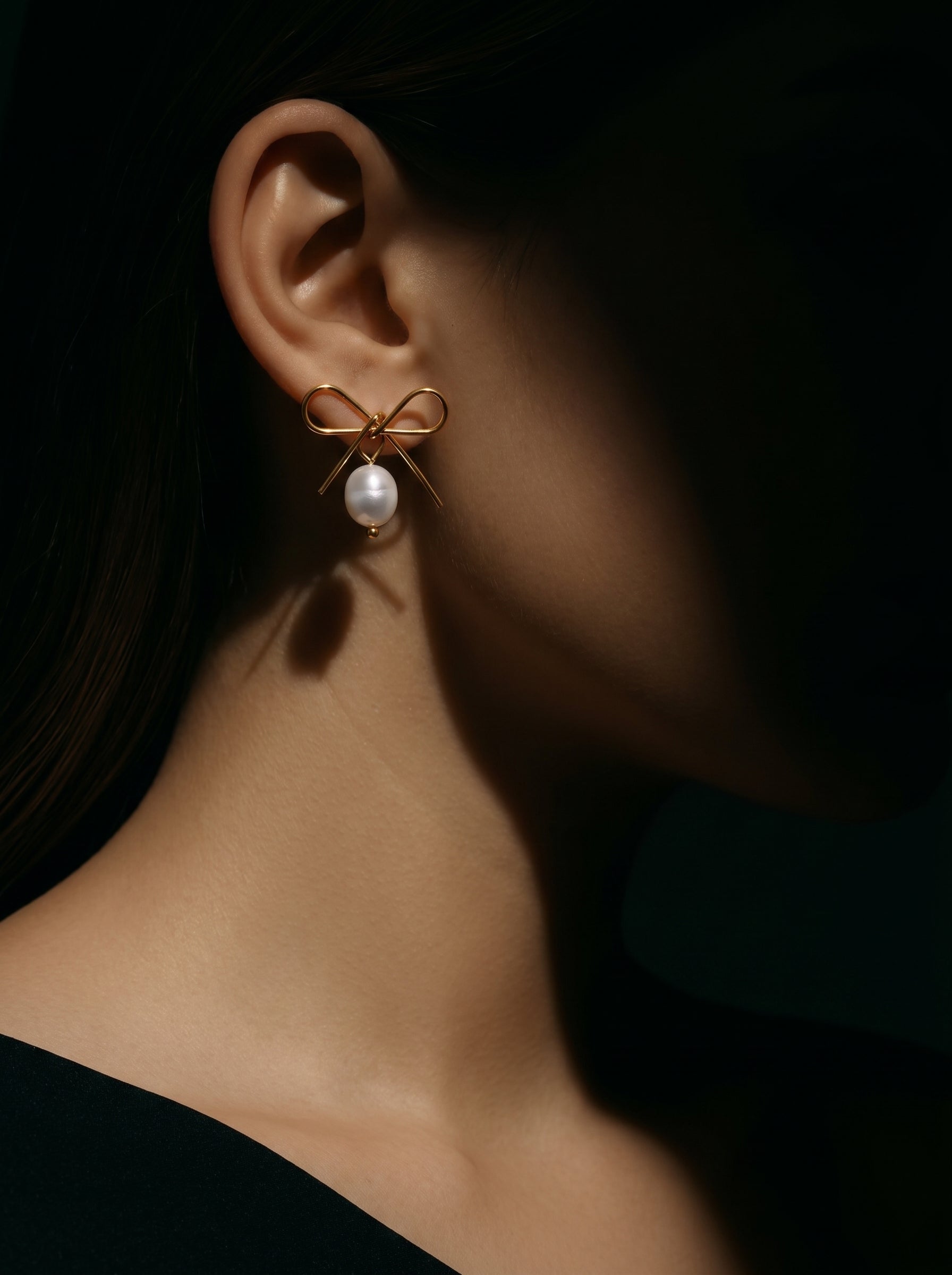
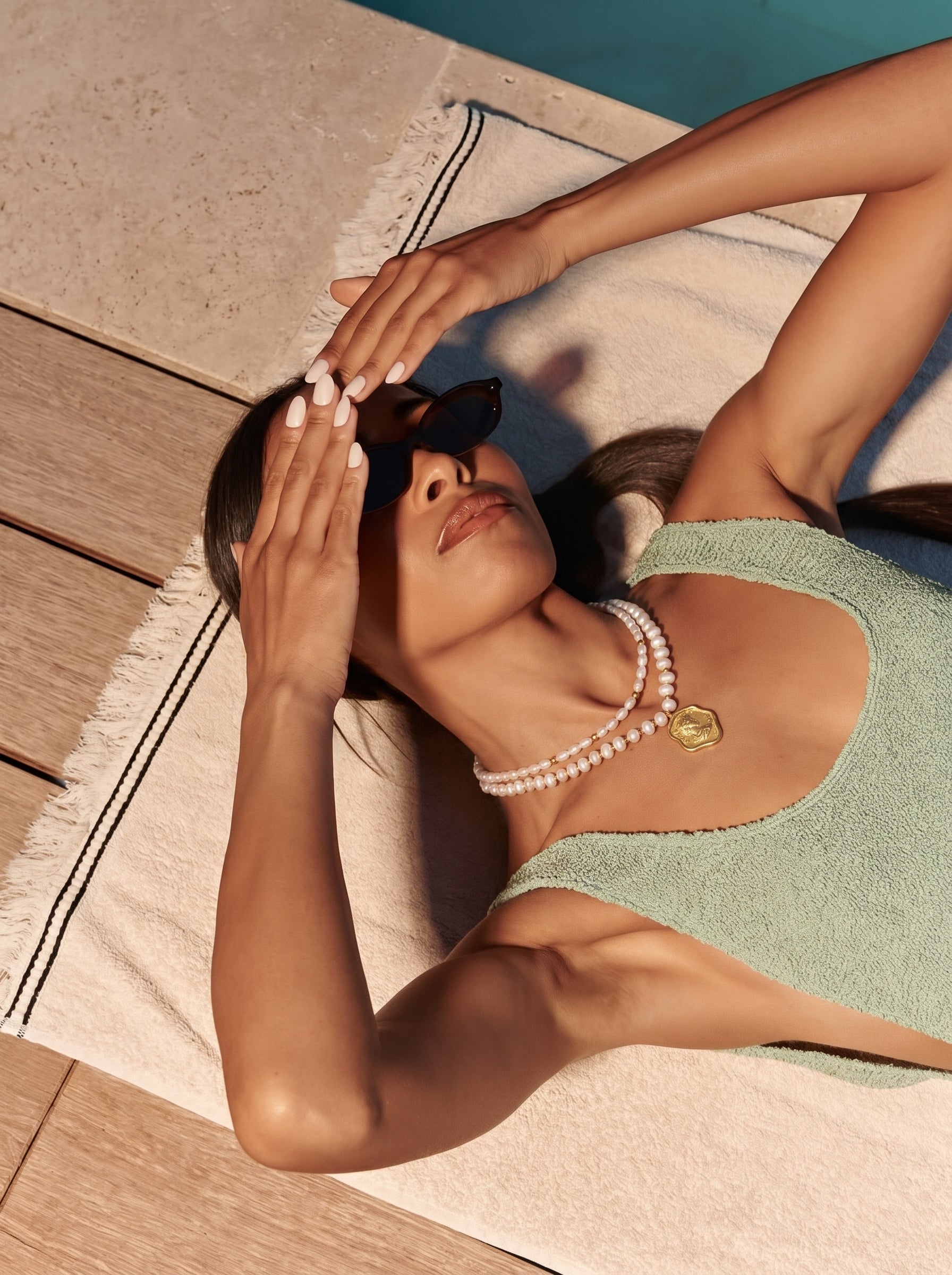
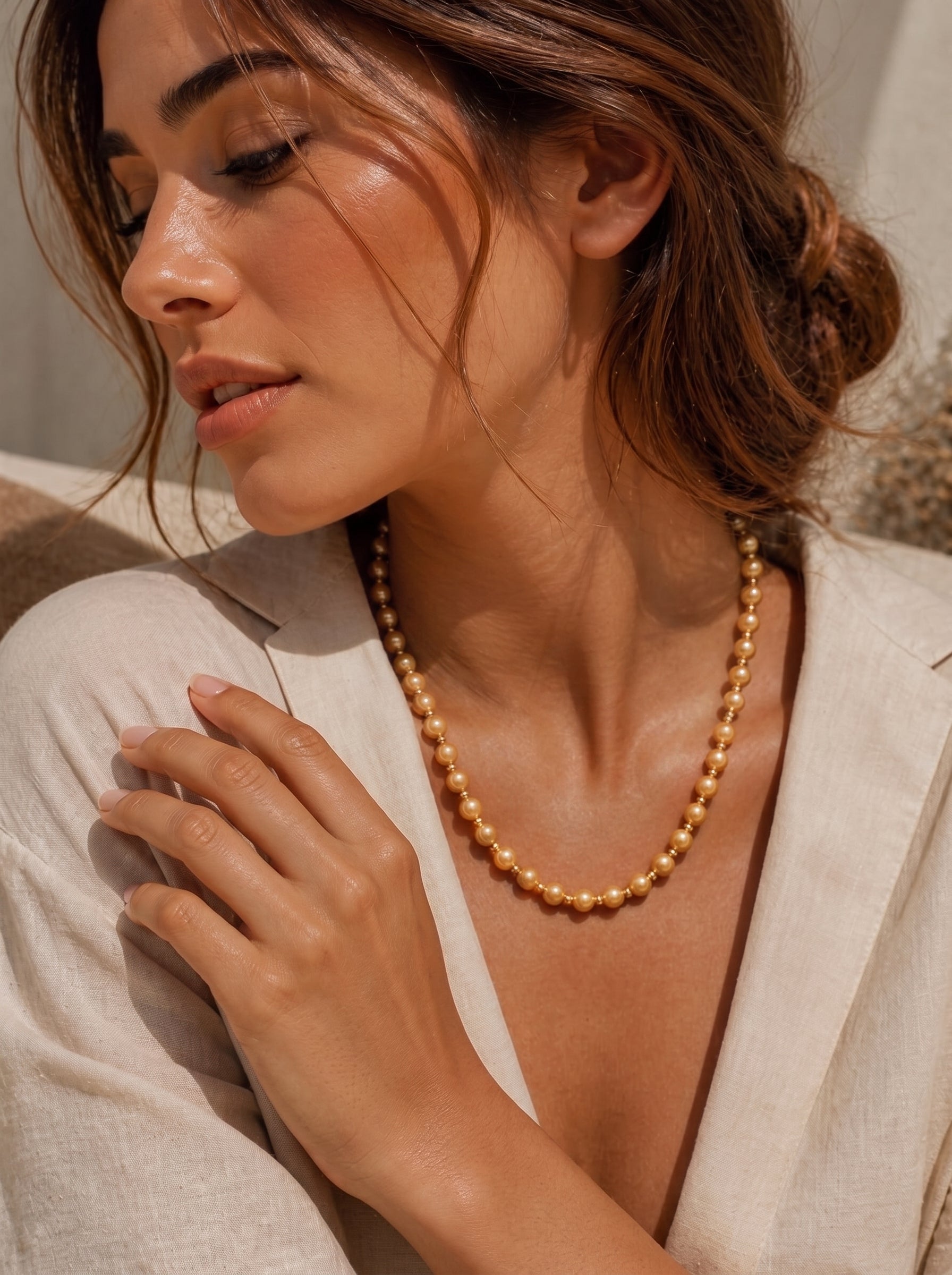
Style pink pearls by pairing warm salmon-peach tones with 18k yellow gold for warm skin undertones, and blush-rosé pearls with 18k white gold or platinum for cool undertones. Rose gold settings harmoniously accentuate natural pink freshwater pearls across all complexions. From elegant pink pearl necklaces to delicate pink pearl earrings, the right metal can truly elevate the pearl's natural beauty.
Matching Pink Shades to Skin Undertones
Warm Undertones (Golden/Olive Skin): Opt for natural peach-pink, salmon, or warm champagne-pink freshwater pearls. Pair them with 18k yellow gold to highlight golden skin tones. Consider statement necklaces or intricate pendants to draw attention to the warm glow.
Cool Undertones (Fair/Pink-Blue Skin): Choose crisp rosé Akoya pearls or blush-pink Edison freshwater pearls set in 18k white gold, platinum, or sterling silver. These combinations create a sophisticated and harmonious look, perfect for classic stud earrings or elegant bracelets.
Caring for Your Pink Pearls
To ensure the lasting beauty and luster of your pink pearls, proper care and maintenance are essential. Pearls are organic gemstones and are susceptible to damage from chemicals, extreme temperatures, and abrasion.
General Care Tips
"Last On, First Off": Always put on your pearl jewelry after applying makeup, perfume, hairspray, and lotions. These products contain chemicals that can dull the pearl's luster or even damage the nacre. Similarly, remove your pearls before applying any cosmetics or getting ready for bed.
Avoid Harsh Chemicals: Never expose pearls to household cleaning products, chlorine from swimming pools, or strong acids. Even mild acids like vinegar can dissolve the calcium carbonate that forms the pearl's nacre.
Storage: Store your pearls separately from other jewelry to prevent scratching. A soft cloth pouch or a lined jewelry box is ideal. Pearls need a little moisture, so avoid storing them in airtight bags or extremely dry environments, which can lead to dehydration and cracking.
Wear Them Regularly: Believe it or not, wearing your pearls regularly helps maintain their luster. The natural oils from your skin contribute to their sheen.
Cleaning Pink Pearls
Gentle Wipe: After each wear, gently wipe your pearls with a soft, damp cloth to remove any body oils or residue. This simple step goes a long way in preserving their radiance.
Mild Soap Solution: For a deeper clean, occasionally wipe your pearls with a cloth dampened in a solution of lukewarm water and a very mild, additive-free soap (like baby shampoo). Rinse the cloth and wipe again to remove any soap residue, then lay them flat on a clean, dry towel to air dry completely before storing. Never submerge pearls in water.
Avoid Ultrasonic Cleaners: Ultrasonic cleaners can damage pearls by vibrating the nacre layers, leading to cracking or separation. Steam cleaners can also be too harsh.
At Grande Lilith, every listing states the pearl type, color, size and treatment, so you know whether a pink pearl's color is natural. We believe in transparency and stand by the integrity of our collections, ensuring every pearl tells a story of natural beauty and lasting value.
Ready to discover the perfect shade of pink? Explore Our Exquisite Pink Pearl Collection Today and Find Your Unique Treasure!
Frequently Asked Questions About Pink Pearls
Do natural pink pearls fade over time?
No. Natural pink pearls colored by organic carotenoid pigments locked within aragonite nacre will not fade under normal wear. However, dyed pink pearls exposed to direct sunlight, harsh chemicals, or swimming pool chlorine can rapidly fade or discolor.
Are pink pearls more expensive than white pearls?
Natural pink freshwater pearls are priced similarly to high-grade white freshwater pearls ($150 to $1,200). However, saltwater rosé Akoya pearls command a 15% to 30% premium over plain white Akoya strands due to high consumer demand for strong rosé overtones. Rare wild conch pearls are dramatically more expensive than white cultured pearls.
What oyster produces pink pearls?
Natural pink cultured pearls are produced primarily by the freshwater mussel Hyriopsis cumingii in lakes and rivers. Rosé overtones occur in saltwater Akoya oysters (Pinctada fucata). Wild non-nacreous pink pearls come from the Queen Conch sea snail (Strombus gigas).
Can you wear pink pearls every day?
Yes. Natural pink freshwater pearls are solid nacre and extremely durable (ranking 2.5 to 4.5 on the Mohs hardness scale). With basic care, putting them on after applying perfume and cosmetics, they are ideal for daily wear.
How do you clean natural pink pearls safely?
Clean pink pearls using a soft microfiber cloth dampened with lukewarm water and a drop of mild, additive-free soap. Never submerge pearls in water, and avoid ultrasonic cleaners, steam cleaners, vinegar, or harsh chemical solvents.
Read more

Most black pearl necklaces under $150 are color-treated freshwater pearls. Discover how to identify genuine Polynesian Tahitian cultured pearls, decode overtone spectrums like peacock and aubergine...
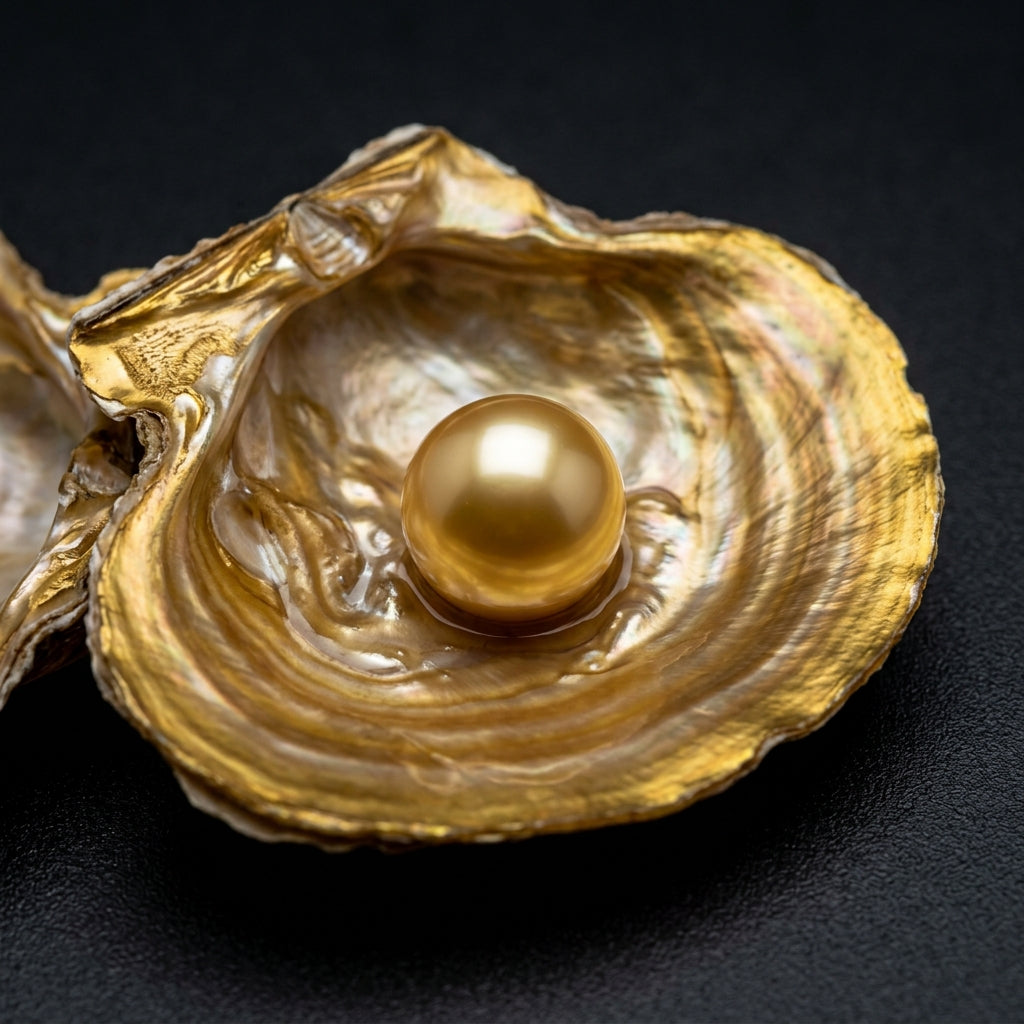
Golden South Sea pearls are the ocean's most regal gem. Explore how Palawan pearl farms produce natural 24K gold nacre, what champagne vs deep gold strands are worth in 2026, and how to spot dyed i...
Leave a comment
All comments are moderated before being published.
This site is protected by hCaptcha and the hCaptcha Privacy Policy and Terms of Service apply.