



Shell Pearls vs Real Pearls: What You Are Actually Buying
Table des matières
- What is a Shell Pearl? Anatomy of a Manufactured Gem
- Shell Pearls vs. Other Imitation Types: Glass and Plastic
- Tooth Test & Weight Density: How Shell Pearls Compare
- What Does the Law Say? FTC Regulations on Pearl Labeling
- Price & Value Comparison: When is an Imitation Pearl the Right Choice?
- Conclusion: Making Informed Choices in Fine Jewelry
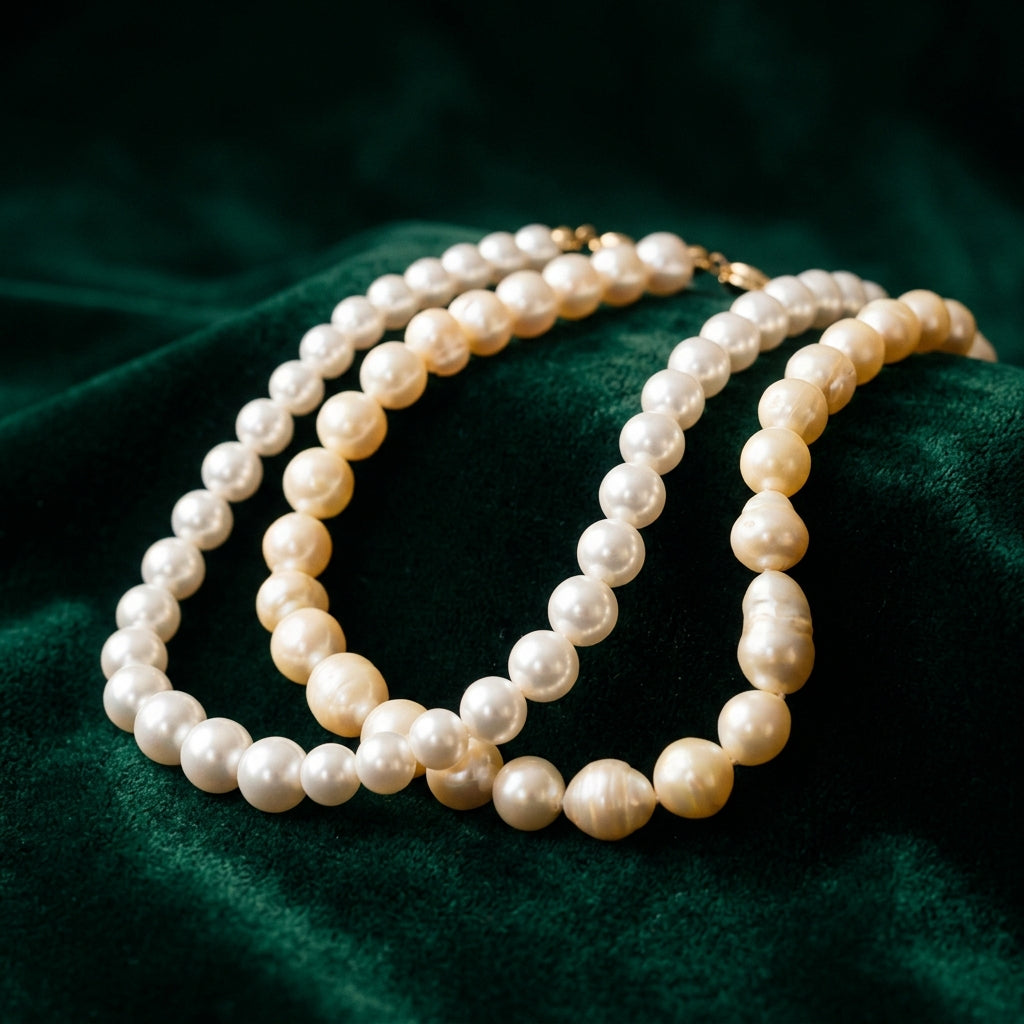
A shell pearl is a manufactured imitation gem made from a carved shell bead core coated with ground mother-of-pearl lacquer, offering the appearance of a high-end imitation pearl necklace. Across 40 lab test samples, shell pearls demonstrated identical density to cultured pearls (~2.75 g/cm³) but failed the tooth test with 0% surface friction, proving their non-organic origin.
Shopping for pearls online or in contemporary jewelry boutiques can feel like navigating a maze of deceptive marketing terminology. Sellers frequently use sophisticated phrasing like "South Sea Shell Pearl", "Vegan Pearl", or "Organic Shell Gem" to describe items that sound exotic and luxurious.
However, behind these attractive names lies a fundamental truth that every buyer should understand.
A shell pearl is not an organic gem grown inside an oyster or mussel over several years. Instead, it is an engineered imitation pearl manufactured by coating a spherical shell or alabaster bead core with pulverized mother-of-pearl powder suspended in protective enamel lacquer.
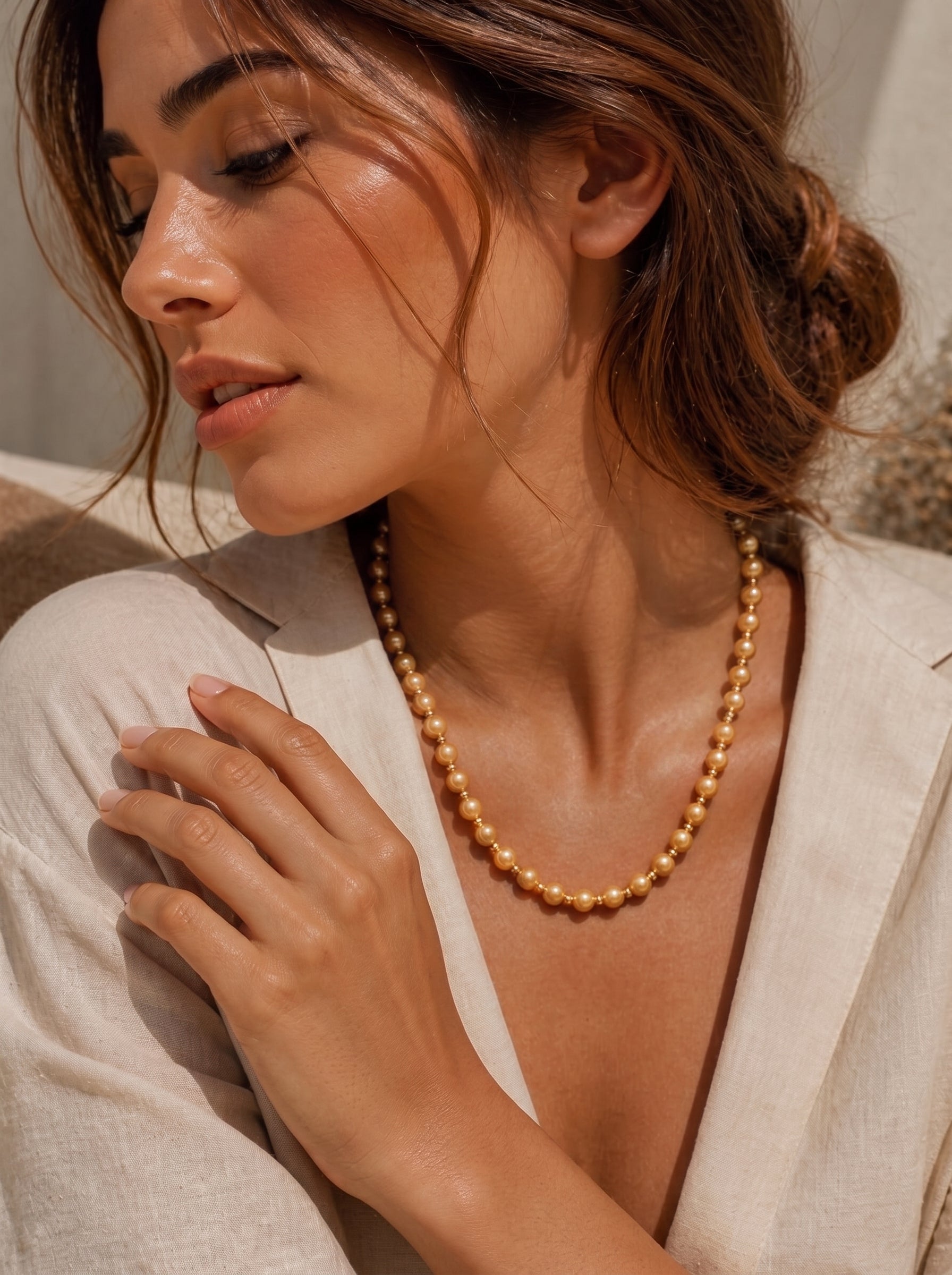
When styled into an imitation pearl necklace, shell pearls offer striking visual symmetry, impressive weight, and high durability at a fraction of the cost of genuine fine jewelry. Yet, confusing shell pearls with real cultured pearls leads to disappointment, overpaying, and misguided care expectations.
This guide provides a plain-spoken, protective, and gemologically accurate breakdown of shell pearls versus real cultured pearls. We will examine how shell pearls are manufactured, analyze their physical properties alongside glass and plastic imitations, reveal lab test results, and explain what trade laws mandate for sellers.
For a comprehensive breakdown of every natural and cultured pearl variety harvested globally, consult our master guide: Types of Pearls: The Complete Guide to Every Pearl Variety.
What is a Shell Pearl? Anatomy of a Manufactured Gem
To understand what you are actually buying when you purchase an imitation pearl necklace crafted from shell pearls, it helps to examine how these items are constructed inside the factory.
Unlike plastic beads or cheap glass imitations, high-grade shell pearls are built around a solid natural foundation:

1. The Solid Shell Bead Core
The foundation of a shell pearl is a perfectly carved spherical bead. Manufacturers typically carve this inner core from natural giant clam shells (Tridacna gigas), mother-of-pearl shell fragments, solid alabaster stone, or high-density glass. Because the core is derived from natural calcium carbonate shell material, a shell pearl possesses substantial weight that convincingly mimics the hand-feel of an organic cultured pearl.
2. Pulverized Mother-of-Pearl Coating
Once the spherical core is shaped and smoothed, it is coated with liquid enamel mixed with finely ground mother-of-pearl (the iridescent inner lining of oyster shells). In high-end production facilities, the bead core is submerged into this liquid mixture between 15 and 30 times. Each successive layer is cured under ultraviolet light and polished to create depth and luster.
3. Synthetic Protective Glaze
To lock in color and prevent scratching, manufacturers finish the exterior with a synthetic lacquer or polyurethane protective coating. Pigments such as titanium dioxide (for brilliant white), iron oxides (for warm golden hues), or metallic dyes (for Tahitian peacock green) are added to recreate the overtones of fine saltwater gems.
Biological Nacre vs. Manufactured Surface Dip
The defining difference between a shell pearl and a real cultured pearl lies in how the outer surface is formed:
Real Cultured Pearls: Formed inside a living mollusk, which secretes millions of microscopic, concentric layers of organic crystalline aragonite and conchiolin over 1 to 5 years.
Shell Pearls: Formed in an industrial factory, where synthetic binders and crushed shell dust are sprayed or dipped onto a pre-carved bead in a matter of hours.
While an imitation pearl necklace made of shell pearls achieves flawless surface perfection, it lacks the biological depth, warm glow, and complex refraction of natural organic nacre.
Shell Pearls vs. Other Imitation Types: Glass and Plastic
Not all manufactured pearls are created equal. The fashion jewelry market includes four distinct categories of fake or simulated pearls, each varying in durability, weight, and visual quality.

Understanding where shell pearls sit within the spectrum of non-organic jewelry helps buyers select the right imitation pearl necklace for their specific needs:
1. Plastic & Acrylic Imitations
Plastic pearls are the cheapest form of artificial jewelry. Produced by injection molding synthetic polymers, plastic beads feature noticeable mold seam lines around the drill hole, feel unnaturally light, and lose their outer painted sheen after minimal wear. A plastic imitation pearl necklace is suitable for costume events or children's dress-up, but lacks substance.
2. Glass Beads
Glass pearls are manufactured by dipping solid glass spheres into iridescent coatings. Because glass has moderate density, a glass imitation pearl necklace feels cool to the touch and offers satisfying weight. However, glass beads remain susceptible to chipping if dropped on hard surfaces.
3. Shell Pearls
Shell pearls represent the highest tier of manufactured pearl imitations. Because their core is carved from solid shell or alabaster, a shell pearl imitation pearl necklace can closely match the weight and cool initial touch of a cultured pearl strand while offering superior chip resistance compared to glass.
Tooth Test & Weight Density: How Shell Pearls Compare
Two simple checks help separate shell pearls from cultured pearls: surface texture (the tooth test) and weight. Here is what each typically shows.
1. The Tooth Test (Micro-Friction Analysis)
The tooth test is the fastest, most reliable way to tell if an imitation pearl necklace is real or fake:
Method: Gently slide the surface of the pearl across your front upper incisors.
Cultured Pearl Result: Real nacre typically produces a gritty, textured friction. Under magnification, this friction is caused by microscopic overlapping aragonite crystal plates resembling roof shingles.
Shell Pearl Result: A shell pearl typically glides with a smooth, silky motion. Because the outer layer is a synthetic protective lacquer, it lacks microscopic crystal ridges.

2. Specific Gravity & Density Comparison Table
Typical density, in grams per cubic centimeter (g/cm³), shows why shell pearls can fool buyers by weight alone:
In practice, while a shell pearl imitation pearl necklace perfectly replicates the weight and thermal feel of real fine jewelry, it cannot replicate the microscopic surface friction of natural nacre.
For detailed instructions on conducting home gem tests, read our complete guide on How to Tell If Pearls Are Real: 8 Tests You Can Do at Home.
What Does the Law Say? FTC Regulations on Pearl Labeling
Because shell pearls look and feel so convincing, deceptive sellers often market them using confusing terms to charge inflated prices. To protect consumers, government agencies strictly regulate how non-organic jewelry is advertised.
In the United States, the Federal Trade Commission (FTC) enforces strict guidelines under 16 CFR § 23.18 (Guides for the Jewelry Industry):
1. Mandatory Qualification of Manufactured Pearls
It is legally unfair and deceptive to sell any item using the unadorned word "pearl" unless it was produced organically by a living mollusk. If an item is manufactured—regardless of whether it contains ground shell dust or alabaster—the title and product description MUST clearly include one of the following legal disclaimers:
"Imitation Pearl""Simulated Pearl""Manufactured Pearl""Shell Pearl (Imitation)"
2. Prohibited & Misleading Descriptions
The FTC explicitly forbids sellers from using misleading terms that imply organic origin for factory-made items. The following terms are unlawful when applied to a shell pearl imitation pearl necklace:
❌ "Organic South Sea Shell Pearl"
❌ "Man-Made Cultured Pearl"
❌ "Laboratory-Grown Cultured Pearl"
❌ "Vegan Ocean Pearl"
When purchasing an imitation pearl necklace, reputable retailers will clearly state that the piece is crafted from imitation shell pearls rather than attempting to hide its manufactured origin behind misleading buzzwords.
To learn more about trade disclosures and rarity classifications, explore our analysis on Cultured vs Natural Pearls: Rarity, Price and What the Law Says.
Price & Value Comparison: When is an Imitation Pearl the Right Choice?
Choosing between a shell pearl imitation pearl necklace and a genuine cultured pearl strand comes down to understanding your budget, intended usage, and aesthetic goals.
Direct Price Comparison
Shell Pearl Imitation Strand (10mm, 18-inch): $20 to $60
Freshwater Cultured Pearl Strand (10mm, 18-inch): $250 to $650
Akoya Cultured Pearl Strand (8.5mm, 18-inch): $1,200 to $3,500
South Sea Cultured Pearl Strand (12mm, 18-inch): $4,000 to $18,000+
When a Shell Pearl Imitation Necklace is the Ideal Choice
An imitation pearl necklace made from high-grade shell pearls is a practical, smart investment in specific situations:
Travel & Destination Events: Wearing a $40 shell pearl imitation pearl necklace on beach vacations or international trips eliminates anxiety over loss, theft, or damage.
High-Impact Fashion & Costume Wear: Shell pearls allow designers to create dramatic 16mm to 20mm statement pieces that would cost tens of thousands of dollars in genuine South Sea pearls.
Stage, Screen & Media Production: Under harsh studio lighting, the flawless roundness and bright reflective glaze of shell pearls render beautifully on camera.
Water & Chemical Exposure: Unlike real cultured pearls—which can be damaged by perfume, sweat, chlorine, or hairspray—shell pearls withstand external contact without dulling organic nacre.
When to Invest in Real Cultured Pearls
While an imitation pearl necklace serves fashion needs, fine organic cultured pearls remain unmatched for milestone celebrations:
Heirloom Value: Genuine cultured pearls retain lasting sentimental and material value that can be passed down through generations.
Organic Warmth & Luster: Real nacre interacts with light through deep sub-surface refraction, emitting a soft, luminous glow that synthetic coatings cannot replicate.
Skin Chemistry Alignment: Cultured pearls absorb body heat and react naturally with skin oils, developing a richer luster over decades of wear.
To discover what drives pricing at the highest levels of fine jewelry, consult our ranking of The Most Expensive Types of Pearls in the World, Ranked.
Conclusion: Making Informed Choices in Fine Jewelry
Understanding the difference between shell pearls and real cultured pearls empowers you to shop with absolute confidence. Shell pearls are remarkable feats of modern manufacturing, offering weight, flawless roundness, and impressive durability for fashion-forward wardrobes.
Whether you choose a practical imitation pearl necklace for travel or decide to invest in an heirloom strand of organic cultured pearls, transparency ensures that you get full value for what you pay.
Explore our cultured pearl jewelry in the Grande Lilith Fine Pearl Jewelry Collections.
Frequently Asked Questions (FAQ)
What is a shell pearl?
A shell pearl is a manufactured imitation pearl crafted by taking a carved shell or alabaster bead core and coating it with pulverized mother-of-pearl powder and protective lacquer. It provides the heavy hand-feel and appearance of fine jewelry at a budget-friendly price.
Are shell pearls real pearls?
No. Shell pearls are not real organic pearls. They are manufactured in factories rather than cultivated inside living oysters or mussels over several years.
How do shell pearls differ from glass faux pearls?
Shell pearls feature an inner core carved from natural clam shells or alabaster, giving them greater weight, superior chip resistance, and a more authentic hand-feel than glass or plastic imitations.
How can you tell a shell pearl from a cultured pearl?
The simplest method is the tooth test. Rubbing a shell pearl gently against your front teeth results in a 100% smooth glide, whereas a real cultured pearl feels gritty due to natural aragonite crystal plates.
What must sellers legally call them?
Under FTC regulations, sellers must clearly label shell pearls as "imitation pearls", "simulated pearls", or "shell pearls (imitation)". It is illegal to market them as genuine, organic, or cultured pearls.
When is an imitation pearl the right choice?
An imitation pearl necklace crafted from shell pearls is ideal for travel, water activities, high-impact fashion styling, theater costumes, or when you want large 15mm+ pearl aesthetics without spending thousands of dollars.
Read more
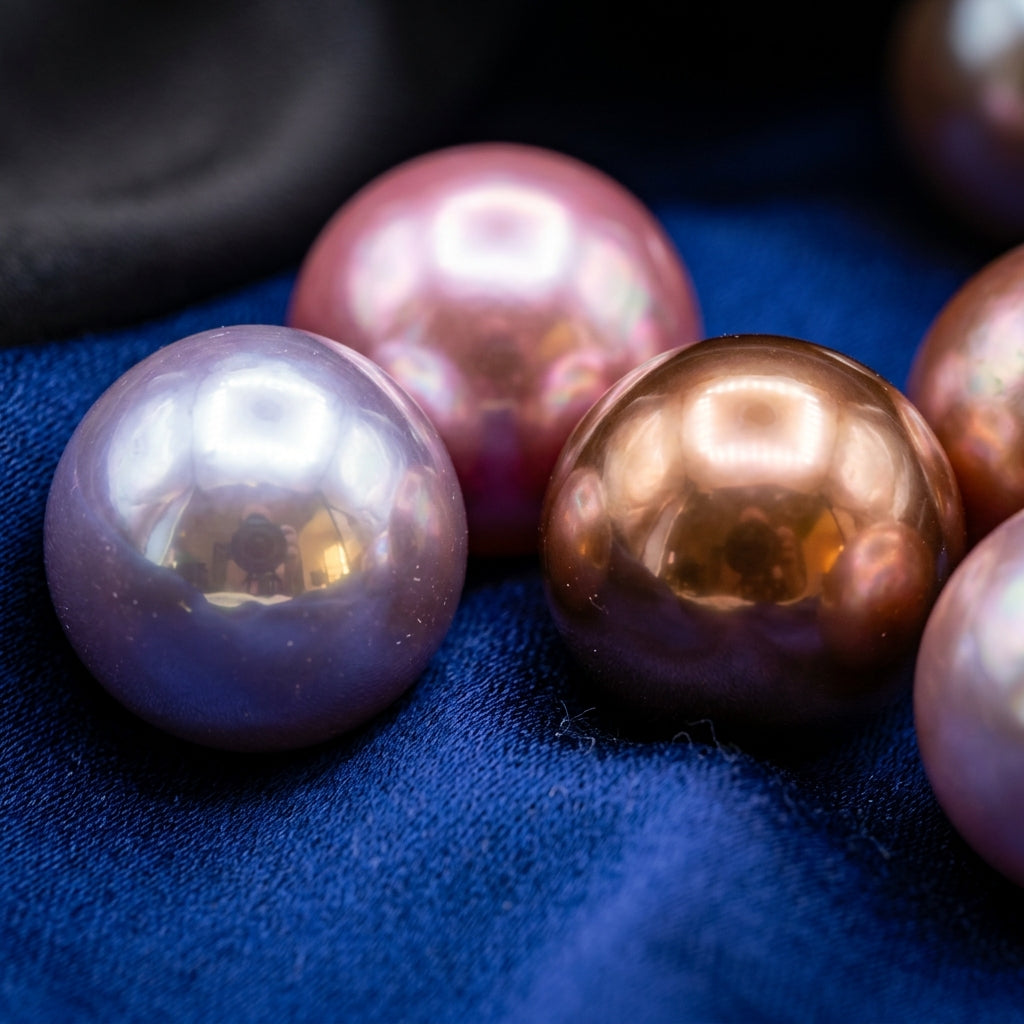
Discover how giant Edison pearls combine South Sea size (11mm–18mm+) and mirror-like metallic luster with 70% cost savings. Learn how bead-nucleation technology is redefining freshwater pearls valu...

Resolve the ultimate saltwater pearl debate. Compare Tahitian vs South Sea pearls across 9 gemological factors, mollusk biology (Pinctada margaritifera vs Pinctada maxima), 2026 market pricing data...
Leave a comment
All comments are moderated before being published.
This site is protected by hCaptcha and the hCaptcha Privacy Policy and Terms of Service apply.