







Pearl Surface Quality: How to Read Blemishes Before You Buy
Table des matières
- Understanding the 7 Value Factors of Pearl Quality
- What Counts as a Pearl Blemish? (Organic Growth Marks vs. Damage)
- The 6 Major Types of Pearl Blemishes Explained
- Cosmetic vs. Structural Flaws: Which Blemishes Threaten Pearl Lifespan?
- Strategic Placement: How Jewelers Hide Blemishes in Mountings & Strands
- How Blemishes Impact Pearl Price (The Discount Scale)
- At-Home Pearl Surface Inspection Protocols
- Finding the Sweet Spot Between Perfection & Value
The Ultimate Guide to Pearl Quality: Understanding Pearl Grades, Luster, and Surface Blemishes
When it comes to selecting the perfect pearl jewelry, understanding true pearl quality is paramount. In gemology, evaluating overall pearl quality requires assessing surface purity alongside luster and size. This comprehensive guide will teach you how to choose pearls by deciphering the nuances of pearl grades, examining pearl luster, and distinguishing harmless pearl surface characteristics from significant pearl blemishes. Surface blemishes are categorized into natural organic growth marks (such as microscopic pinpoints or concentric growth rings) and structural defects (such as cracks or drill-hole chips). While minor organic pinpoints are cosmetic and prove natural origin, structural cracks reduce durability; accepting minor hidden surface marks can save buyers 30% to 50% without compromising visual appearance.
Many first-time pearl buyers feel anxious about discovering minor imperfections, wondering, "Is this pearl defective? Did I pay for damaged goods?" This guide aims to demystify pearl quality, empowering you with the knowledge to make informed purchasing decisions.
To understand pearl surface evaluation, one must first recognize a fundamental biological truth: pearls are organic gemstones grown inside living mollusks, not factory-molded glass or plastic beads.
Unlike synthetic imitations manufactured in sterile factories, cultured ocean pearls take years to form beneath changing marine conditions. As a host oyster deposits thousands of microscopic aragonite nacre layers, natural shifts in water temperature, nutrition, and organic debris leave subtle fingerprints on the pearl surface.
Far from being defects, minor surface features prove authentic organic origin. However, knowing which blemishes are harmless cosmetic traits and which represent structural hazards is essential for any smart buyer.
For a comprehensive guide on how surface purity fits into the broader grading landscape, read our hub article: Pearl Grading Explained: The 7 Value Factors.
Understanding the 7 Value Factors of Pearl Quality
While this article delves deep into pearl surface characteristics and pearl blemishes, it's crucial to remember that overall pearl quality is determined by a combination of seven key factors. Learning these factors is essential for anyone wanting to truly understand how to choose pearls that offer lasting beauty and value. These primary criteria, established by gemological institutes like the GIA, include:
Luster: The intensity and sharpness of light reflected from the pearl's surface. High pearl luster is a hallmark of top pearl grades.
Nacre Thickness: The depth of the pearlescent layers. Thicker nacre generally means better durability and luster, contributing significantly to pearl quality.
Surface Quality: The presence or absence of pearl blemishes, as discussed in detail below. This is a critical component of pearl grades.
Shape: How round or symmetrical the pearl is. Perfectly round pearls are the rarest and often command the highest prices within their respective pearl grades.
Size: Measured in millimeters, larger pearls are generally rarer and more valuable, assuming other pearl quality factors are equal.
Color: The body color, overtone, and orient of the pearl. This is largely a matter of personal preference but can influence value based on rarity and demand.
Matching: For strands or pairs, how well the pearls harmonize in terms of all the above factors. Excellent matching significantly elevates the perceived pearl quality of a piece.
By considering all seven factors, you gain a holistic perspective on pearl quality, moving beyond just surface imperfections to appreciate the full spectrum of what makes a pearl truly exceptional. This knowledge is invaluable when learning how to choose pearls that align with your aesthetic preferences and budget.
What Counts as a Pearl Blemish? (Organic Growth Marks vs. Damage)
Understanding pearl blemishes is a critical aspect of assessing overall pearl quality. In gemology, a blemish is defined as any irregularity, spot, protrusion, or indentation that interrupts the smooth exterior curvature of a pearl.
The Gemological Institute of America (GIA) evaluates pearl surface quality across four official rating tiers:
Clean: ≥ 95% Flawless surface area to the naked eye.
Lightly Spotted: Minor surface marks covering less than 10% of the pearl body.
Moderately Spotted: Noticeable spots or ridges covering 10% to 30% of the pearl body.
Heavily Spotted: Prominent inclusions covering more than 30% of the pearl body.
When evaluating overall pearl quality, gemologists separate surface features into two distinct categories:
Natural Organic Growth Features: Harmless biogenic marks created naturally during nacre deposition inside the host mollusk.
Mechanical Damage & Post-Harvest Defects: Structural flaws caused by harsh drilling, physical impacts, or chemical over-processing after harvest.

The 6 Major Types of Pearl Blemishes Explained
To confidently evaluate pearl quality and understand how to choose pearls, it's essential to recognize the most common types of pearl blemishes. Understanding the six most common surface features allows you to read any pearl like a gemologist:
1. Pinpoints & Micro-Pits
Appearance: Tiny dimples or microscopic prick marks on the nacre surface, resembling a needle prick.
Cause: Formed when a microscopic organic particle becomes temporarily trapped between nacre layers during growth.
Verdict: 100% Harmless Cosmetic Feature. Pinpoints do not compromise structural integrity.
2. Growth Rings & Concentric Bands (Circles)
Appearance: Parallel ridges or grooved rings circling the circumference of the pearl.
Cause: Resulting from rotation of the pearl inside the mollusk's pearl sac during growth (characteristic of circle baroque pearls).
Verdict: Harmless Structural Feature. In fact, circle ridges often display spectacular, iridescent luster over the grooves.
3. Spots & Color Inclusions
Appearance: Flat dark, brown, or pale spots on the surface.
Cause: Concentrations of conchiolin (the organic protein glue that binds aragonite calcium crystals together).
Verdict: Harmless Cosmetic Trait. Unless covering a large percentage of the pearl, spots do not weaken the gem.
4. Wrinkles & Dragon-Skin Texture
Appearance: Fine creasing or satin-like surface folds across large pearls.
Cause: Common in extra-thick nacre South Sea, Tahitian, and Edison freshwater pearls that have spent 3 to 5 years inside giant host oysters.
Verdict: Sign of Heavy Nacre. Wrinkling often indicates substantial nacre depth, a key indicator of high pearl quality, rather than poor quality.
5. Drill-Hole Chips
Appearance: Sharp flaking or jagged edges where the drill bit entered or exited the pearl.
Cause: High-speed drilling damage during jewelry manufacturing.
Verdict: Moderate Risk. Severe drill chips can cause surrounding nacre to chip further over time.
6. Cracks & Crazing
Appearance: Hairline fissures or cobweb-like micro-fractures extending through the nacre layer.
Cause: Thermal shock, severe dehydration, or physical drop impact.
Verdict: SEVERE STRUCTURAL HAZARD. Cracks compromise the structural stability of the pearl and can cause the nacre shell to split or peel. Always avoid pearls with cracks.
Cosmetic vs. Structural Flaws: Which Blemishes Threaten Pearl Lifespan?
Distinguishing between cosmetic and structural pearl blemishes is fundamental to understanding true pearl quality and ensuring the longevity of your investment. The table below summarizes the key differences between harmless cosmetic traits and high-risk structural flaws:
To learn how nacre depth prevents surface cracking and peeling, consult our detailed analysis: Mother of Pearl Nacre Thickness.
Strategic Placement: How Jewelers Hide Blemishes in Mountings & Strands
For those learning how to choose pearls, understanding strategic placement is a valuable tip. High-end jewelry designers understand that 100% flawless pearls are vanishingly rare (representing less than 1% of any harvest). Master jewelers utilize smart mounting techniques to create "face-up clean" jewelry while offering buyers exceptional value.
For instance, a South Sea pearl with a single noticeable pinpoint on one side can be set into a solitaire ring cup so that the pinpoint is completely enclosed inside the gold setting. From the top and sides, the ring displays an unblemished, AAA-quality surface while costing 30% to 40% less than a standalone flawless sphere.
To understand how retail letter grades account for surface purity, read our guide on What Does AAA Pearl Grade Actually Mean?.
How Blemishes Impact Pearl Price (The Discount Scale)
The presence and visibility of pearl blemishes significantly influence the overall pearl quality assessment and, consequently, the price. Surface purity is one of the strongest price levers in fine jewelry. Evaluating how surface marks affect retail prices allows smart shoppers to find sweet-spot values:
Clean Surface (AAA / Grade A): 100% Baseline Market Value. Pristine mirror surfaces command top luxury prices. These represent the highest pearl grades in terms of surface perfection.
Lightly Spotted (AA+ / Grade B+): 25% to 35% Discount. Minor inclusions are invisible at a conversational distance (12 inches away).
Moderately Spotted (AA / Grade B): 45% to 55% Discount. Visible inclusions upon close inspection; ideal for everyday fashion jewelry.
Heavily Spotted (A / Grade D): 65% to 80% Discount. Prominent ridges or spots throughout; budget tier.

At-Home Pearl Surface Inspection Protocols
For those serious about learning how to choose pearls with confidence, mastering at-home inspection techniques is crucial for evaluating pearl quality. When inspecting your new pearl jewelry, follow these professional gemological steps:
Perform the 12-Inch Conversational Test: Place the pearl necklace or earrings on your neck or wrist and stand 12 inches away from a mirror under normal daylight. If surface marks are completely invisible at this distance, the jewelry is functionally flawless for social wear.
Inspect Under Diffused Light: Avoid harsh spotlighting, which creates overpowering glare. Instead, view your pearls beside a daylight-balanced window. Rotate each pearl slowly between your fingers to examine nacre reflection continuity.
Use a 10x Jeweler's Loupe Around Drill Holes: Focus your lens on the drill holes where thread enters the pearl. Check for sharp cracking, chipping, or white shell bead exposure ("blinking").
To verify that your pearls are genuine cultured gems rather than glass or plastic imitations, follow our guide on How to Tell If Pearls Are Real.
Finding the Sweet Spot Between Perfection & Value
Ultimately, the art of how to choose pearls lies in balancing the desire for perfection with an appreciation for natural beauty and value. Embracing the natural organic origin of pearls allows you to shop with confidence. By learning to distinguish harmless growth marks from structural threats, you can leverage "face-up clean" gems to acquire breathtaking luxury jewelry at accessible prices.
Discover our pearl jewelry in the pearl necklace collection.
Our commitment to exceptional pearl quality is reflected in the trust our customers place in us. "I was so impressed with the luster and the minimal blemishes on my pearl necklace," shares Sarah L., a recent customer. "This guide truly helped me understand what to look for." We adhere to strict grading standards, ensuring every pearl meets our high benchmarks for beauty and durability, backed by GIA-trained gemologists.
Frequently Asked Questions (FAQ)
What counts as a pearl blemish?
A pearl blemish is any natural growth mark, pinpoint, spot, ridge, or mechanical pit that interrupts the smooth surface of a pearl.
Do blemishes on pearls get worse over time?
Natural organic growth marks (such as pinpoints, rings, and color spots) are permanently set inside the nacre and <strong>will never grow or spread</strong>. However, mechanical cracks or drill-hole chips can expand if the jewelry is dropped or exposed to harsh chemicals.
Are 100% flawless pearls real?
Virtually all real cultured pearls possess microscopic growth features when examined under 10x magnification. Perfectly flawless pearls represent less than 1% of global harvests and command extreme luxury prices. Completely smooth, featureless spheres under magnification are usually glass or plastic imitations.
Can a pearl blemish be buffed out or polished?
No. Because a pearl's radiance is created by microscopic layers of aragonite nacre, attempting to buff or sand away a surface blemish will destroy the nacre layer and ruin the pearl's luster.
How much should blemishes reduce the price of a pearl strand?
Lightly spotted strands (85%-94% clean) typically cost 25% to 35% less than 95%+ clean strands, offering an excellent balance of visual beauty and value.
Read more
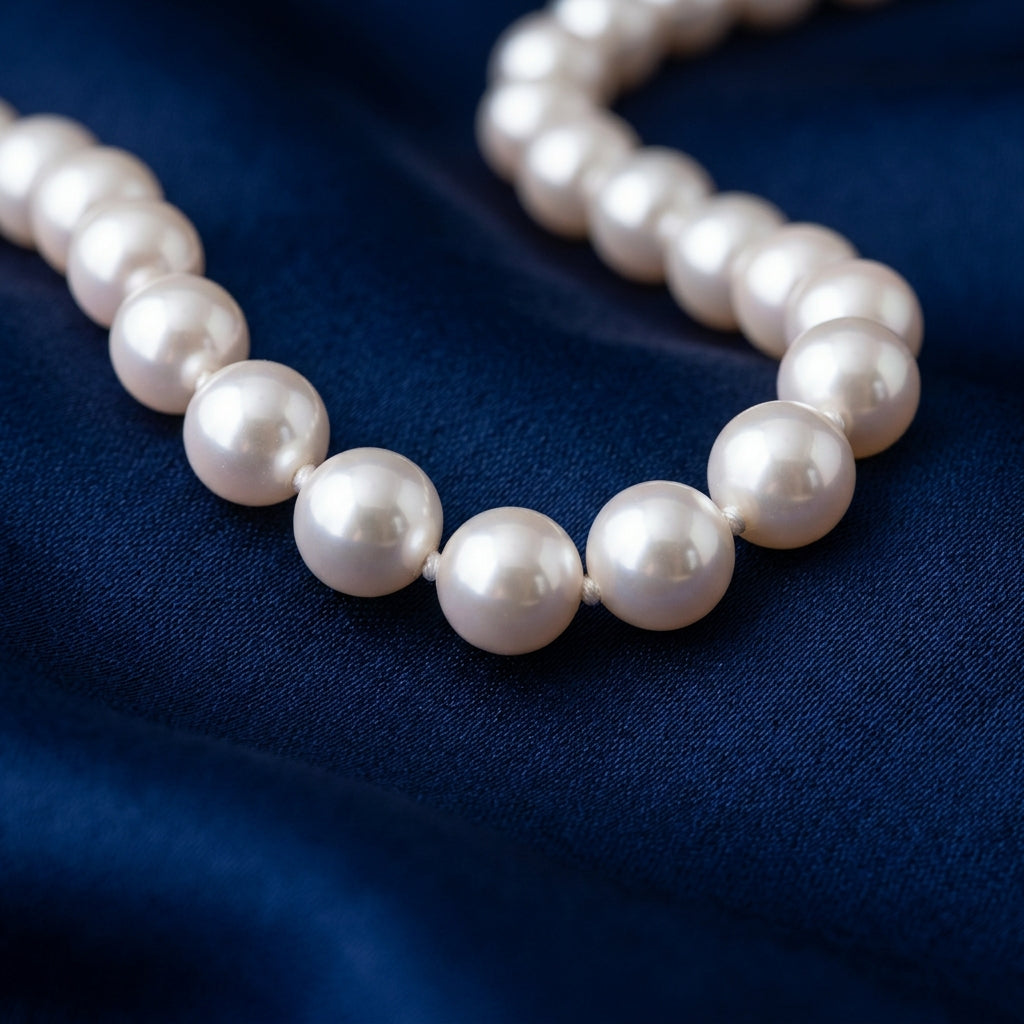
What does "AAA" actually mean on a pearl grades chart? Discover why letter grades aren't federally regulated, how 70% of retailers manipulate grading terms, and why the GIA rejects letter grades in...
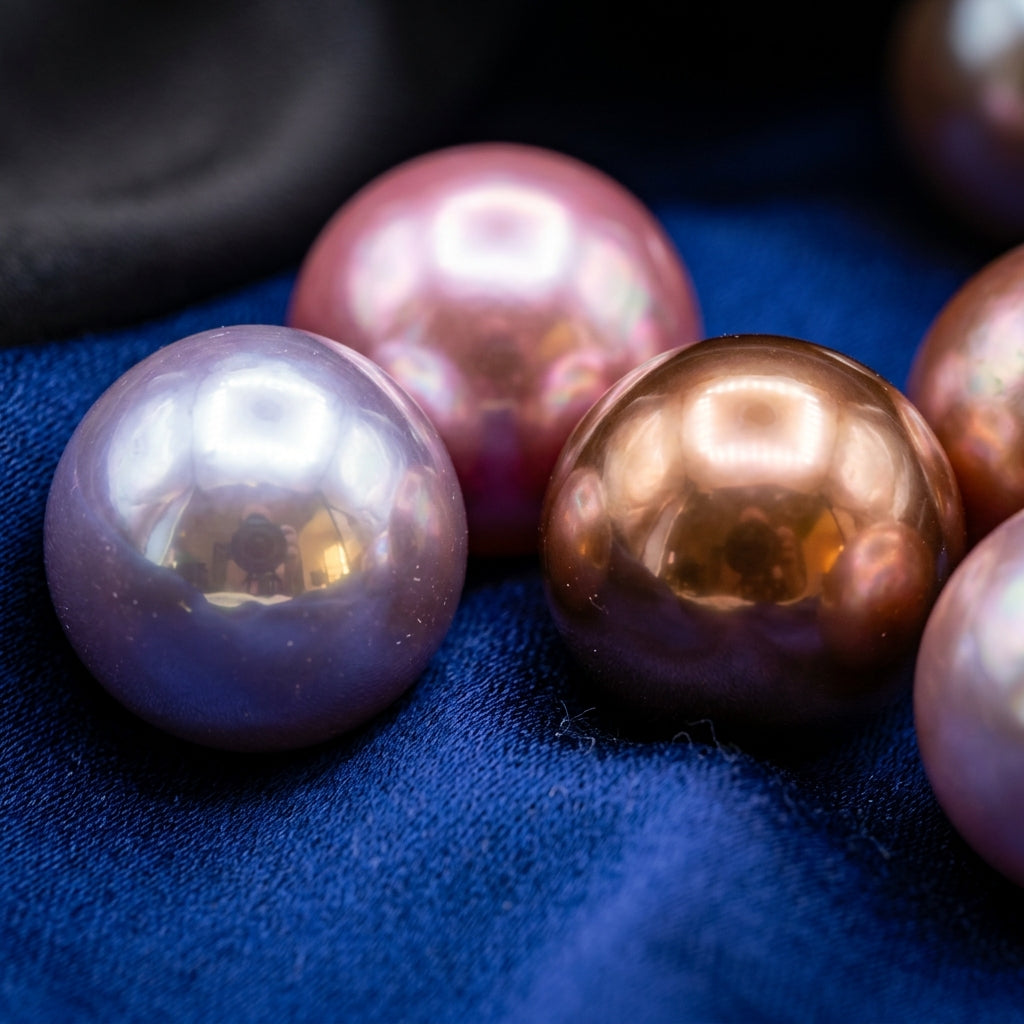
Discover how giant Edison pearls combine South Sea size (11mm–18mm+) and mirror-like metallic luster with 70% cost savings. Learn how bead-nucleation technology is redefining freshwater pearls valu...
Leave a comment
All comments are moderated before being published.
This site is protected by hCaptcha and the hCaptcha Privacy Policy and Terms of Service apply.