


How Much Is a Real Pearl Necklace Worth? Prices by Type, Length and Grade
Table des matières
- The 2026 Master Pearl Necklace Price Matrix
-
Variable 1: How Pearl Variety Defines Baseline Value
- What is a good price for a freshwater pearl necklace?
- How much should an Akoya strand cost?
- 1. Freshwater Pearl Necklaces ($100 – $1,200)
- 2. Japanese Akoya Pearl Necklaces ($800 – $8,000+)
- 3. Tahitian Black Pearl Necklaces ($1,200 – $18,000+)
- 4. White & Golden South Sea Necklaces ($2,500 – $35,000+)
- Variable 2: How Strand Length Multiplies Price
- Variable 3: How Gemological Quality & Grading Impact Worth
- Clasp Precious Metals, Silk Stringing & Hand-Knitting Value
- How Much Are Inherited or Vintage Pearl Necklaces Worth?
- Buying an Authenticated Pearl Necklace in 2026
A real pearl necklace is worth between $100 for a commercial freshwater strand and $35,000+ for a gem-grade South Sea necklace. Valuation depends on pearl variety, millimeter diameter, aragonite nacre thickness, strand matching, and clasp metal purity.
The 2026 Master Pearl Necklace Price Matrix
How much is a real pearl necklace worth?
Understanding how much is a real pearl necklace worth across today's retail market requires analyzing three core physical variables: biological pearl variety, strand length in inches, and gemological grade.
Because a single necklace combines between 40 and 100+ individually matched pearls, real pearl necklace price scales non-linearly with quality. Below is an indicative valuation matrix; actual prices vary by seller and quality.
2026 Retail Pearl Necklace Valuation Matrix (Type x Length x Grade)
To explore foundational loose pearl valuation formulas, read our parent guide on how much is a pearl worth.
Variable 1: How Pearl Variety Defines Baseline Value
What is a good price for a freshwater pearl necklace?
How much should an Akoya strand cost?
The biological species of mollusk determines the baseline cost of real pearl necklace production. Cultivation environment, ocean salinity, and mollusk mortality rates create four primary value brackets recognized by the World Jewellery Confederation (CIBJO).
1. Freshwater Pearl Necklaces ($100 – $1,200)
Cultivated in freshwater lakes and ponds primarily in China (Hyriopsis cumingii), freshwater mussels produce up to 32 pearls per shell. Because they lack a solid bead nucleus, freshwater pearls consist of solid aragonite nacre.
Standard Commercial Strands (7–8mm, 18"): $100 – $250. Exceptional affordability makes them ideal for everyday wear.
Edison & Metallic Freshwater Strands (9–11mm): $550 – $1,200. Nucleated single-pearl cultivation techniques produce metallic mirror lusters rivaling ocean Akoyas.
2. Japanese Akoya Pearl Necklaces ($800 – $8,000+)
Cultivated in the cold marine waters of Japan (Pinctada fucata), Akoya oysters yield only 1 to 2 pearls per harvest after 18 to 24 months of ocean care.
Classic Princess Strand (7.5–8.0mm): $1,800 – $3,500. Known globally for intense, glass-like metallic mirror luster and subtle rose overtones.
Certified Hanadama Strands: $3,500 – $8,000+. Evaluated by the Pearl Science Laboratory (PSL) in Tokyo, Japan, Hanadama strands represent the top 1% of the annual Akoya harvest.
3. Tahitian Black Pearl Necklaces ($1,200 – $18,000+)
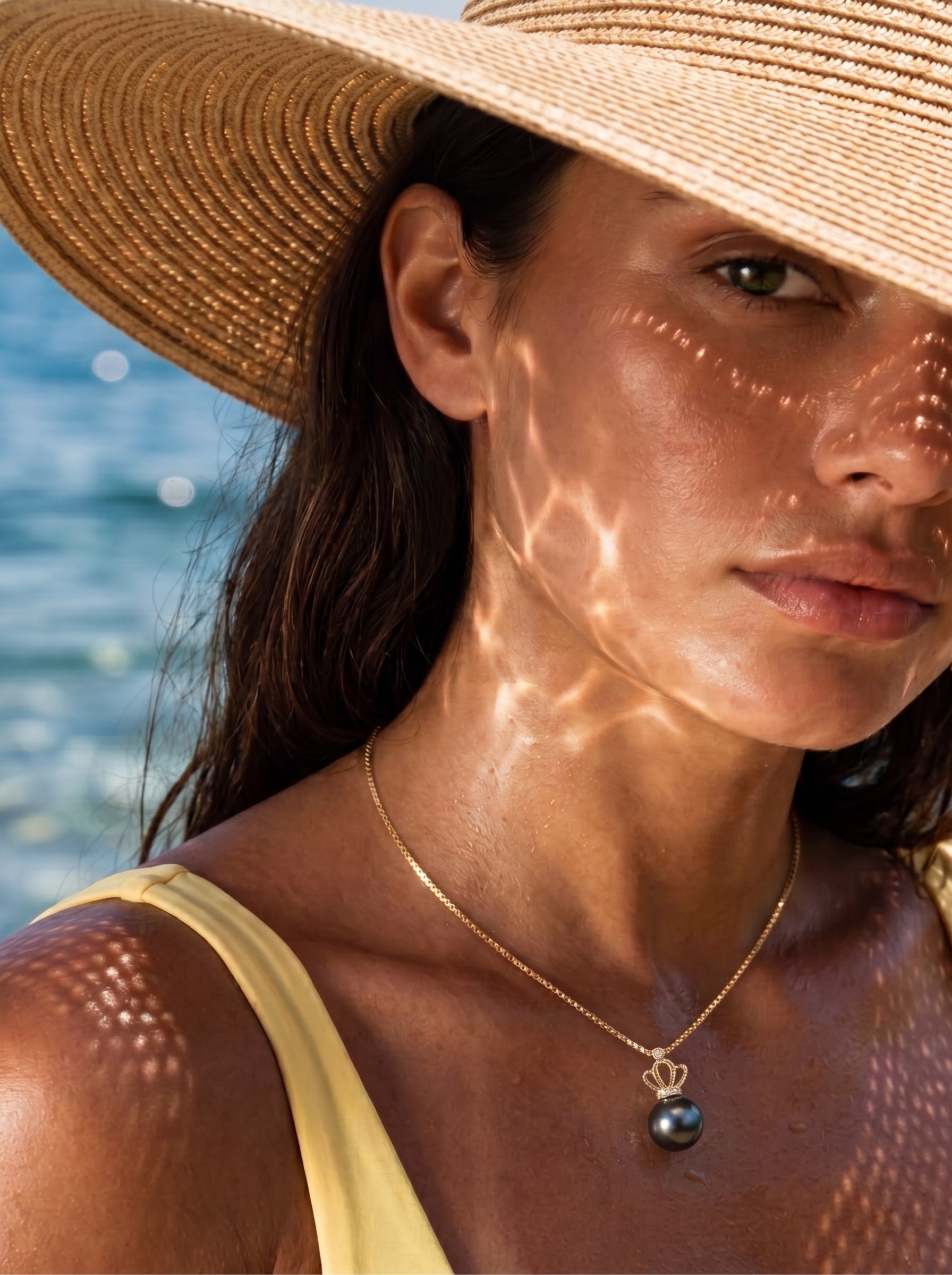
Produced by the black-lipped oyster (Pinctada margaritifera) in French Polynesia, Tahitian pearls are naturally dark without chemical dye treatments.
Graduated Strand (8–10mm): $1,200 – $4,500. Features dark charcoal and slate body tones illuminated by peacock green, aubergine, and pistachio overtones.
Jumbo Uniform Strand (11–13mm): $8,500 – $18,000+. Rare large diameters require 3+ years of lagoon cultivation.
4. White & Golden South Sea Necklaces ($2,500 – $35,000+)
Grown in the Pinctada maxima oyster across Australia, Indonesia, and the Philippines, South Sea pearls are the undisputed "Queens of Cultured Pearls."
White South Sea (10–12mm): $5,500 – $12,000. Renowned for deep satin luster and thick nacre (1.0mm to 3.0mm per side).
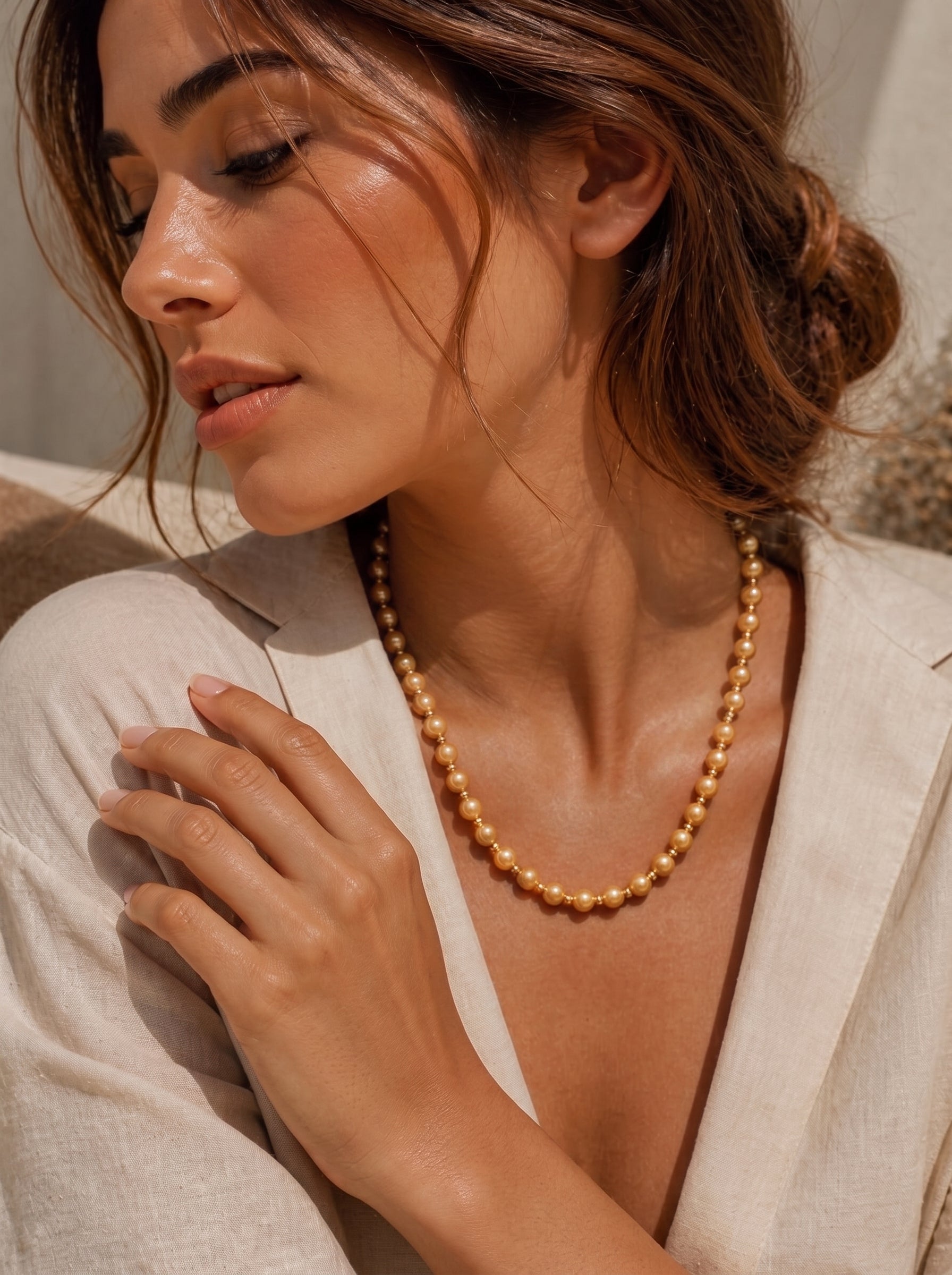
Golden South Sea (11–13mm): $7,000 – $35,000+. Natural 24K honey-gold color tones command top luxury valuation premiums worldwide.
For complete species identification criteria, explore Types of Pearls: The Complete Guide to Every Pearl Variety.

Variable 2: How Strand Length Multiplies Price
Does length change the price much?
Strand length directly dictates how much is a pearl necklace worth by controlling the total number of matched pearls required to construct the piece. Doubling necklace length from an 18-inch Princess to a 36-inch Opera strand increases pearl necklace value by 220% to 260%.
The Strand Matching Exponential Multiplier
Matching 52 individual pearls for an 18-inch Princess strand requires sorting through thousands of harvested gems. However, matching 104 identical pearls for a 36-inch Rope strand is exponentially more difficult.
Master pearl sorters at luxury houses must evaluate thousands of oysters to assemble one perfectly matched 36-inch gem-grade South Sea or Akoya strand, driving labor and rarity premiums higher.
Variable 3: How Gemological Quality & Grading Impact Worth
Evaluating real pearl necklace price requires applying the Gemological Institute of America (GIA) 7 Pearl Value Factors:
Luster: The intensity and sharp clarity of surface light reflections (Mirror vs Dull).
Nacre Thickness: Certified thickness measured via optical coherence tomography. Under Pearl Science Laboratory (PSL) rules, Akoya pearls require a minimum 0.40mm nacre per side; pearls under 0.20mm degrade to the shell nucleus within years.
Surface Cleanliness: Percentage of blemish-free surface (95%+ clean commands maximum real pearl necklace value).
Shape: Symmetrical roundness vs near-round vs baroque.
Color & Overtone: Natural rare body tones and iridescent orient.
Size (mm): Every 1.0mm increase above 8.0mm increases strand cost by 100% to 200%.
Matching: Uniformity across all pearls in the strand.
Debunking Marketing Terms: The "AAAAA" Grading Trap
Under U.S. Federal Trade Commission (FTC) Guides for the Jewelry Industry (16 CFR Part 23), there is no official government or GIA standard for "AAAAA" or "AAAA" pearl grades.
Sellers who advertise "5A Grade Pearls" use arbitrary marketing terms. Always insist on official GIA gemological laboratory reports or PSL Hanadama certificates rather than unregulated letter grades when discovering how much does a pearl necklace cost.
To verify strand physical authenticity, consult How to Tell If a Pearl Necklace Is Real: A Strand-by-Strand Inspection.
Clasp Precious Metals, Silk Stringing & Hand-Knitting Value
The craftsmanship and clasp metal purity contribute 15% to 30% of the total cost of real pearl necklace assembly.
Double-Knotted Silk Thread: Professional jewelers hand-knot silk thread between every single pearl. This prevents pearls from rubbing against one another, causing nacre abrasion, and ensures pearls do not scatter if the strand breaks.
Precious Metal Clasps: Standard clasps in 14K gold, 18K gold, or platinum add $150 to $1,500 in intrinsic precious metal melt value. High-end clasps encrusted with diamonds add $500 to $3,000+ to the overall pearl necklace value.

How Much Are Inherited or Vintage Pearl Necklaces Worth?
How much are inherited pearls worth?
Where can you get a necklace appraised?
Determining how much is a real pearl necklace worth on the secondary resale market requires understanding the difference between Retail Replacement Value (RRV) and Fair Market Value (FMV).
Under National Association of Jewelry Appraisers (NAJA) guidelines and U.S. Treasury Regulation § 20.2031-1, pre-owned commercial cultured pearl strands liquidate at 20% to 40% of original retail store price.
Retail Replacement vs Resale Cash Liquidation
Insurance Replacement Value: The price required to buy a brand-new equivalent strand at retail ($2,000).
Estate Cash Liquidation Value: The actual cash offer a pawn shop or estate jeweler pays ($400 – $700).
The Historical Auction Exception
While commercial cultured strands experience retail depreciation, wild natural vintage pearls appreciate dramatically over time:
The Baroda Pearls: A two-strand natural South Sea pearl necklace sold at Christie's New York for $7,096,000.
Marie Antoinette’s Natural Pearl Pendant: Sold at Sotheby's Geneva for $36,165,055, establishing the world auction record for natural pearl jewelry.
To get an inherited strand appraised professionally, hire a GIA Graduate Gemologist (GG) or NAJA-certified appraiser charging flat hourly rates ($75–$150/hr).
Shop Grande Lilith's freshwater, Akoya, Tahitian and South Sea pearl necklaces.
Buying an Authenticated Pearl Necklace in 2026
Evaluating how much is a real pearl necklace worth empowers buyers to navigate retail pricing with complete clarity. By evaluating biological species origin, verifying 0.40mm+ nacre thickness, and insisting on independent gemological certificates, you can invest in an organic heirloom strand that retains beauty and value for generations.
Explore Grande Lilith's Akoya, Tahitian and South Sea pearl necklaces, each listed with its pearl type, size, grade and treatment.
Frequently Asked Questions About Pearl Necklace Pricing
How much is a real pearl necklace worth?
A real pearl necklace is worth between $100 for a commercial freshwater strand and $35,000+ for a gem-grade South Sea necklace. Indicative prices range from a few hundred dollars for freshwater strands to several thousand dollars for Tahitian and South Sea strands, depending on size and quality.
What is a good price for a freshwater pearl necklace?
A good price for a high-quality 18-inch freshwater pearl necklace ranges from $150 to $400 for standard 7.5–8.0mm round strands. Large metallic Edison freshwater strands range from $500 to $1,200.
How much should an Akoya strand cost?
An authentic Japanese Akoya pearl necklace should cost between $800 and $3,500 for fine commercial quality. Top-tier certified Hanadama Akoya strands command between $3,500 and $8,000+.
Does length change the price much?
Yes. Increasing necklace length from an 18-inch Princess strand to a 36-inch Opera or Rope strand doubles the required pearl count and increases price by 220% to 260% due to strand matching complexity.
How much are inherited pearls worth?
Inherited commercial cultured pearl necklaces typically liquidate on the secondary estate market for 20% to 40% of their original retail purchase price. Antique wild natural pearls with historical provenance can sell for thousands to millions at major auction houses.
Read more
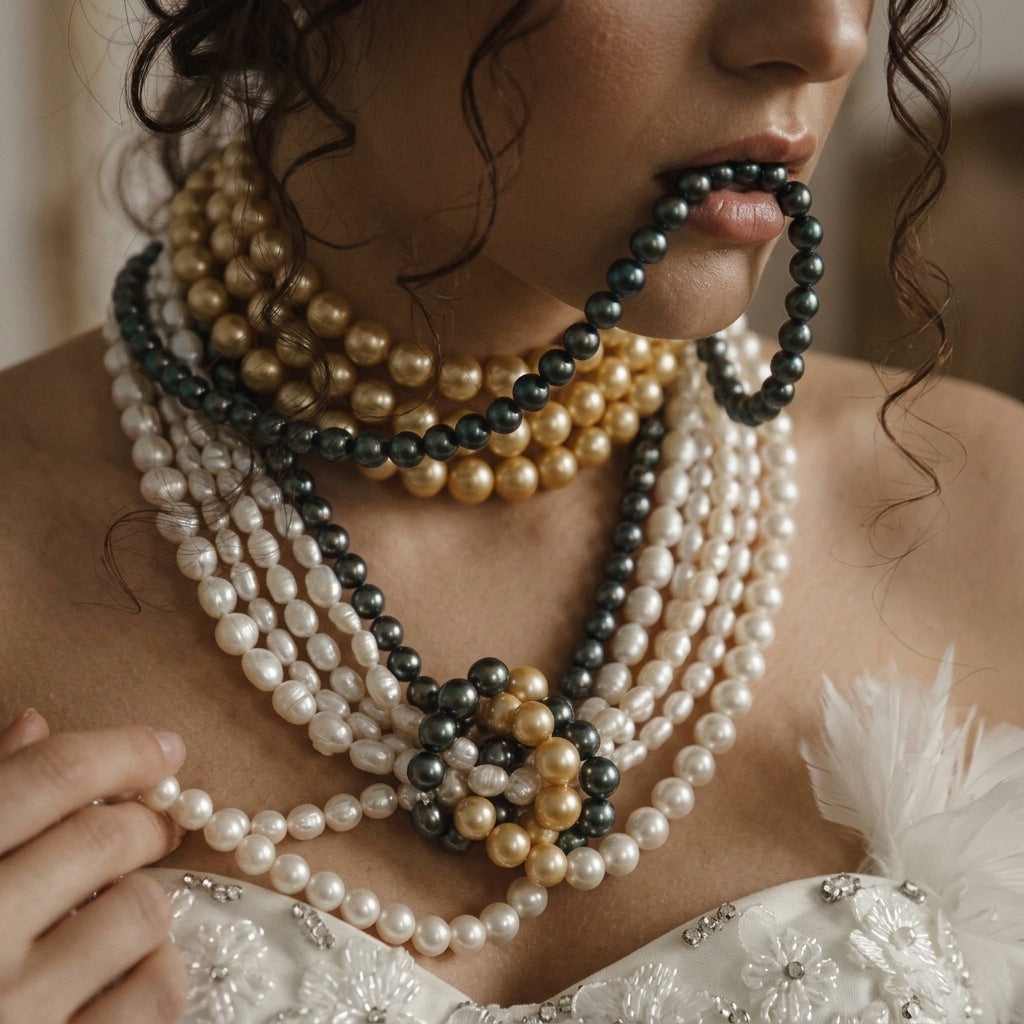
Discover how much pearls are worth in 2026 with our real price guide by variety and quality. Learn how luster, aragonite nacre depth, millimeter size, and origin drive valuations from $50 to over $...
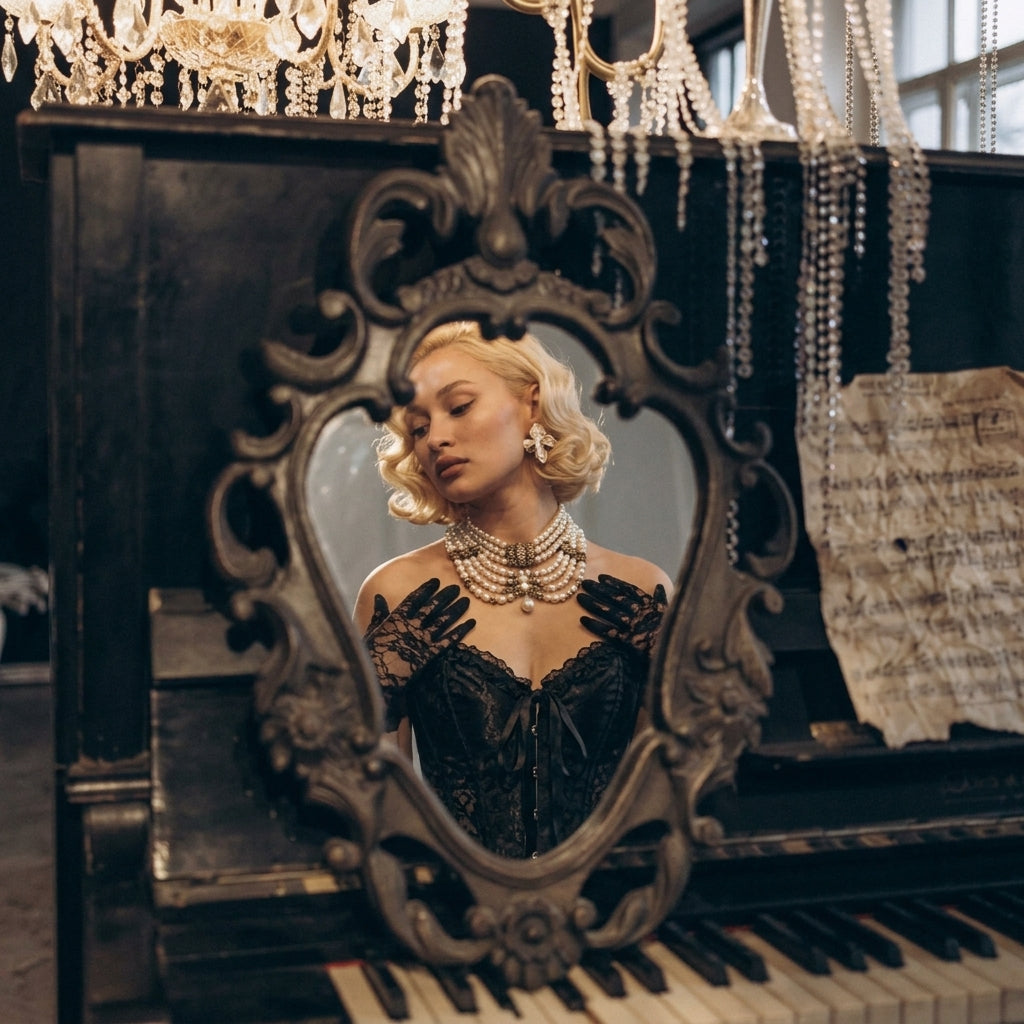
Inherited a vintage pearl necklace? Discover indicative market values by era, what a maker's signature can add, how natural pearls are confirmed through laboratory testing, and where to sell them.
Leave a comment
All comments are moderated before being published.
This site is protected by hCaptcha and the hCaptcha Privacy Policy and Terms of Service apply.