Stainless steel is the base we reach for when a piece has to survive a real week. Commutes, coat collars, seatbelts, and everything you forget to take off. It holds its finish through all of it.
What is a stainless steel pearl necklace?
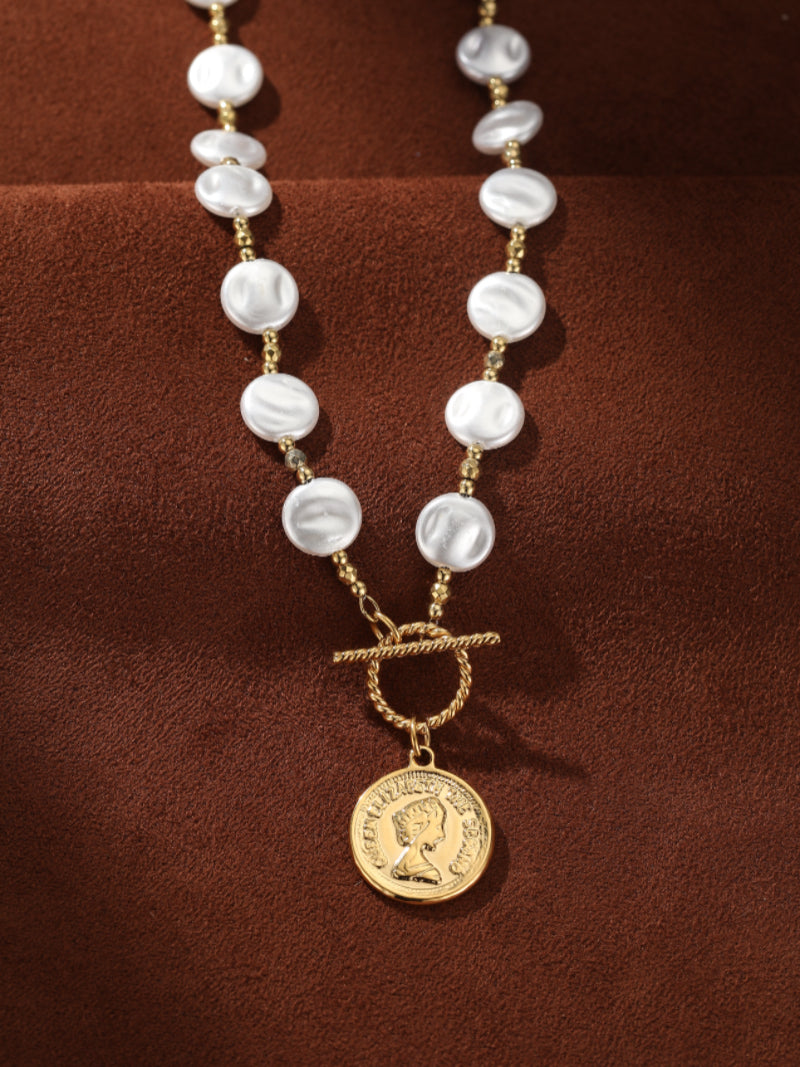
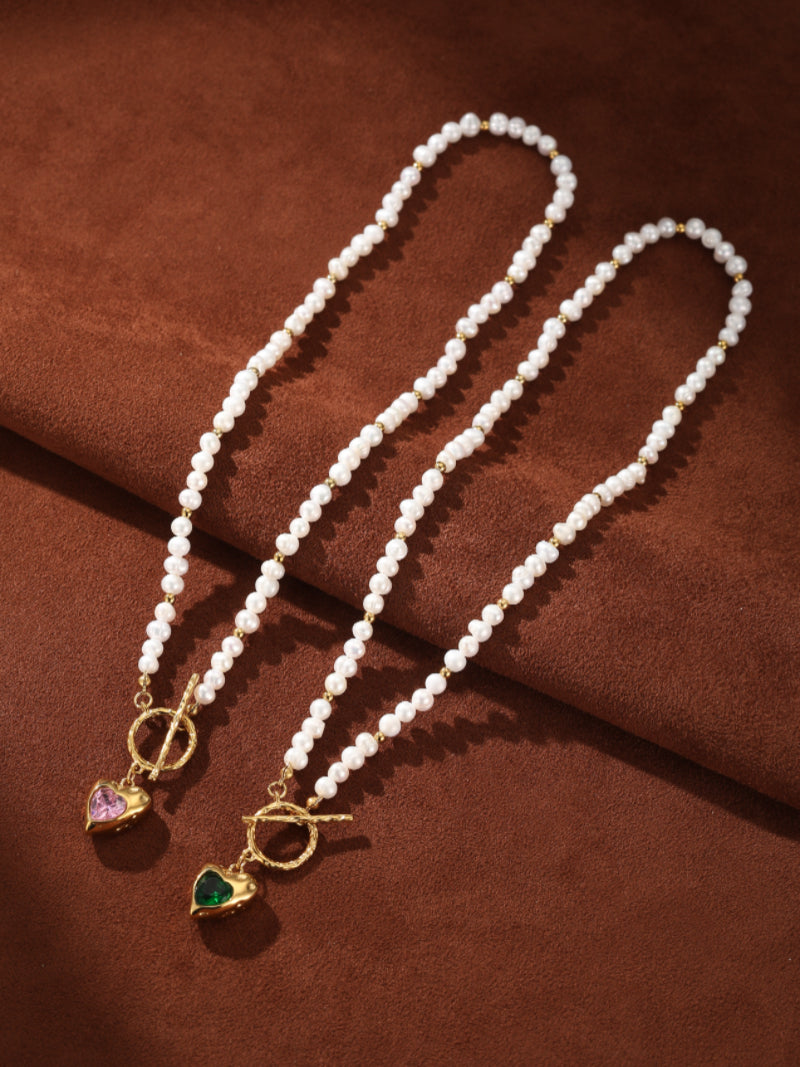
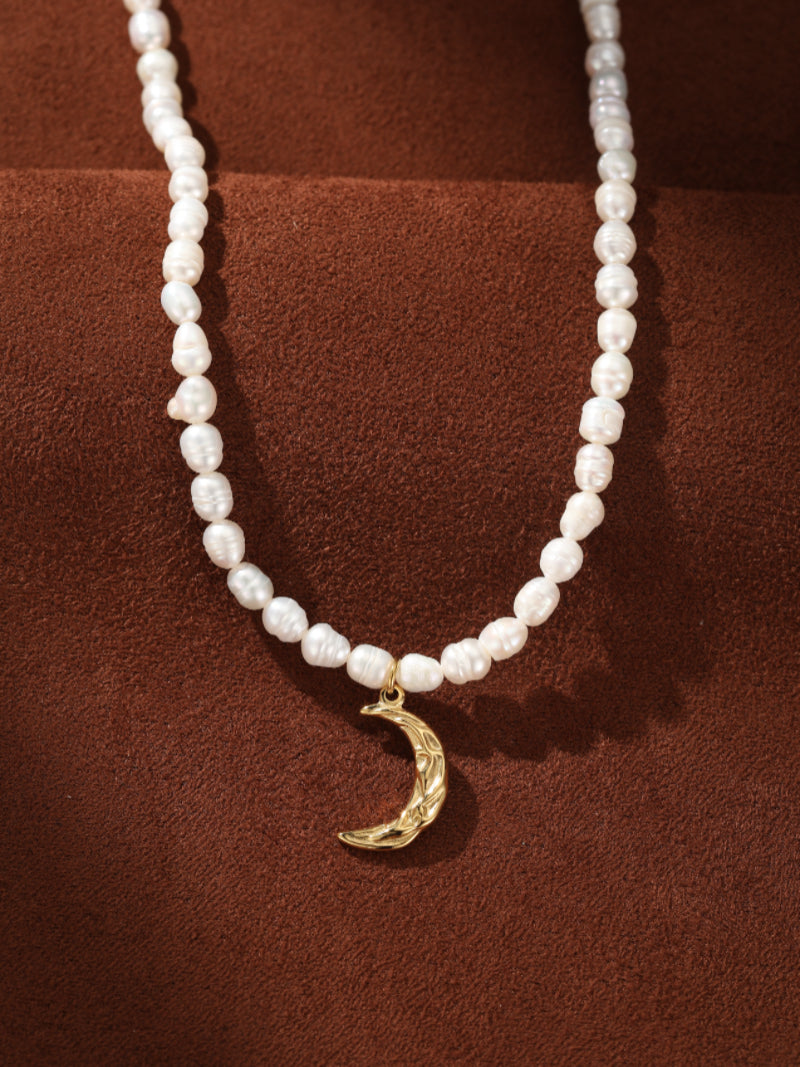
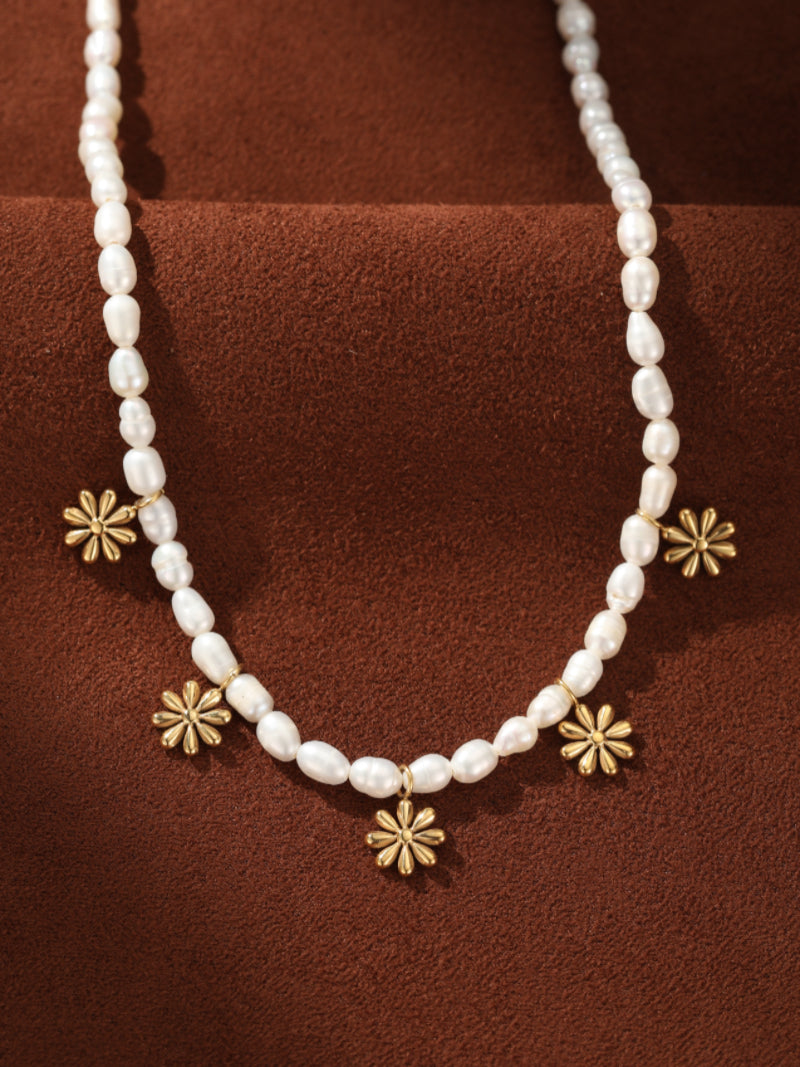
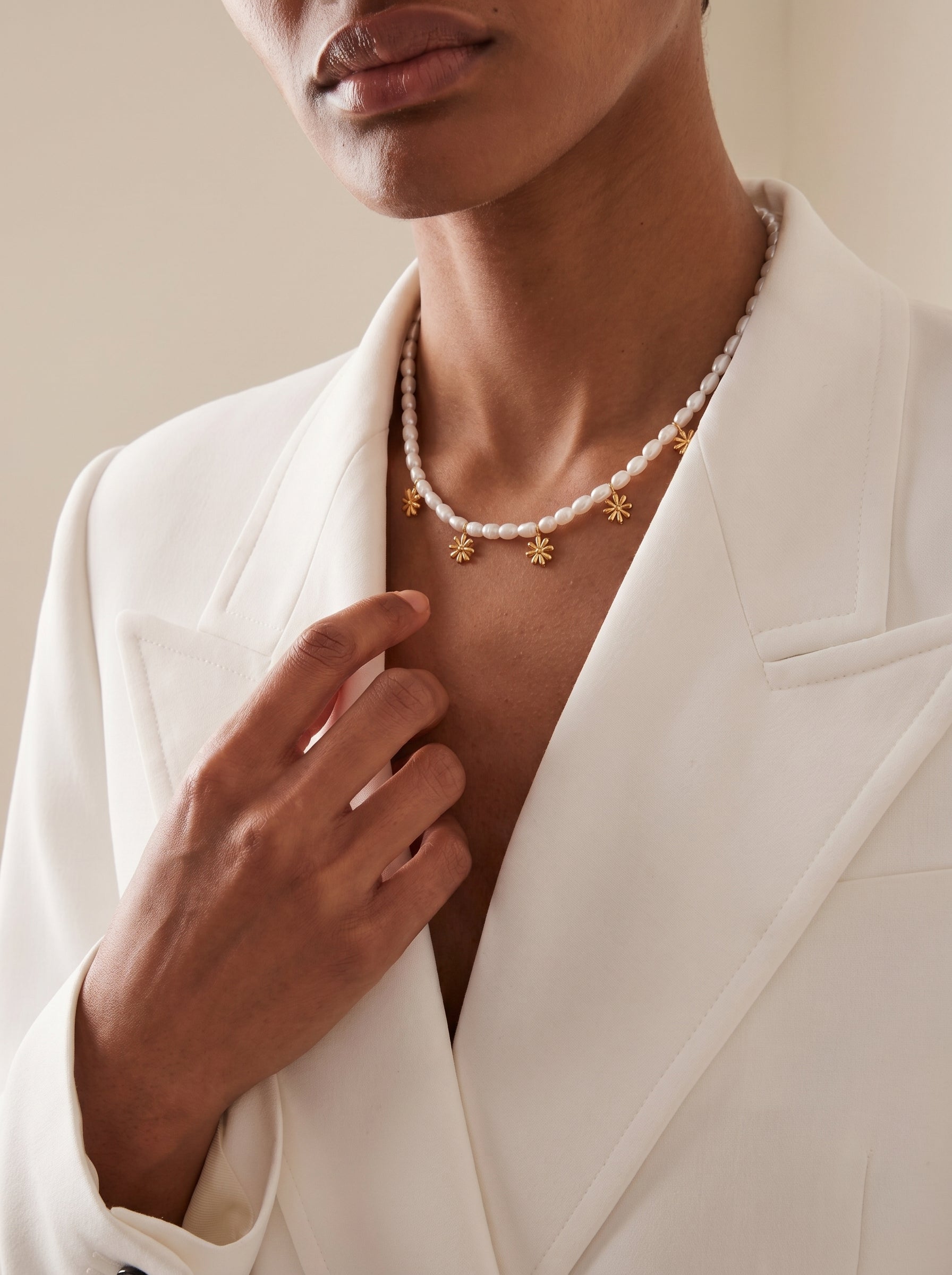
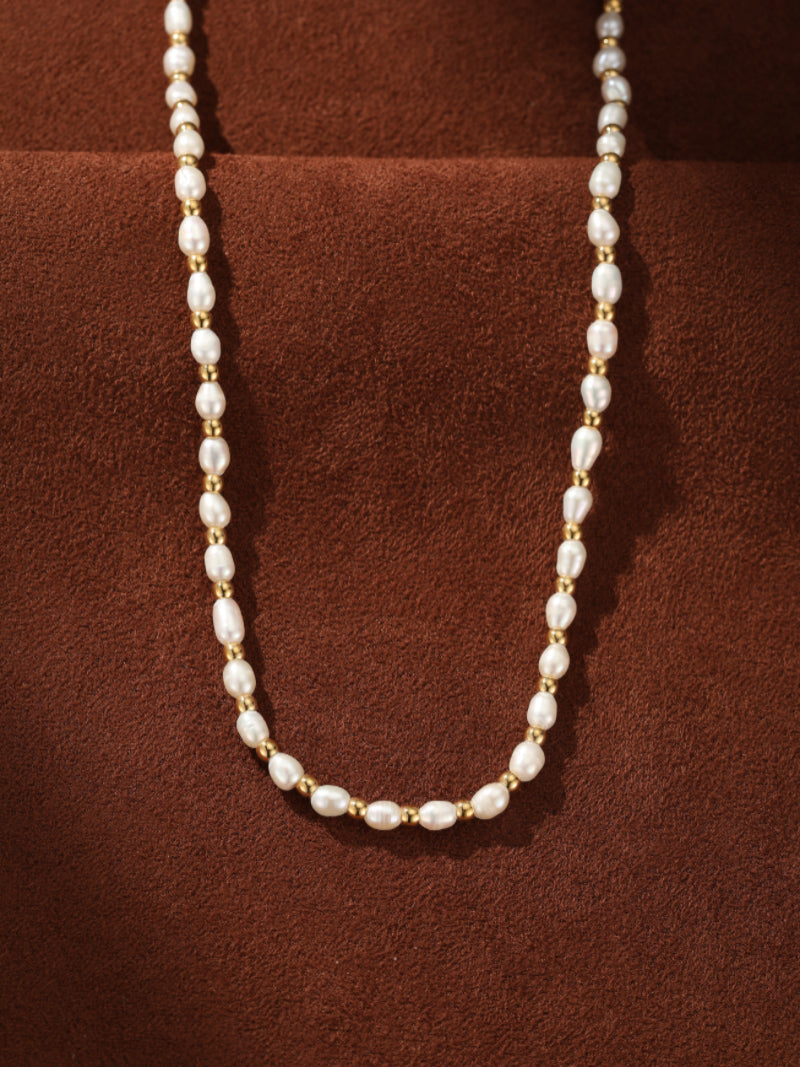
A stainless steel pearl necklace sets cultured pearls on a steel chain or setting rather than gold or silver. Jewelry-grade stainless steel is an alloy of iron, chromium and nickel-free stabilizers, and the chromium is what makes it resist corrosion.
That chromium forms a thin oxide layer on the surface which reforms whenever it is scratched. The metal repairs its own finish, which is why steel does not tarnish the way silver does or wear through the way plating does.
Why choose steel over gold or silver?
Because of how you actually live. Solid gold is the better long-term purchase and sterling silver has the better color, but neither is as indifferent to daily life as steel.
- It does not tarnish, so there is no polishing routine to remember.
- It does not have a layer to lose, unlike anything plated.
- It is harder than gold or silver, so it resists the fine scratching a chain picks up under a collar.
- It is hypoallergenic in the grades we use, and nickel-free throughout.
Is stainless steel hypoallergenic?
The grades used in jewelry are. Reactions to steel jewelry almost always come from nickel content, and our pieces are nickel-free, lead-free and cadmium-free throughout.
For anyone who has reacted to costume jewelry before, steel is the most reliable metal to start with.
Which stainless steel pearl necklace style should you choose?
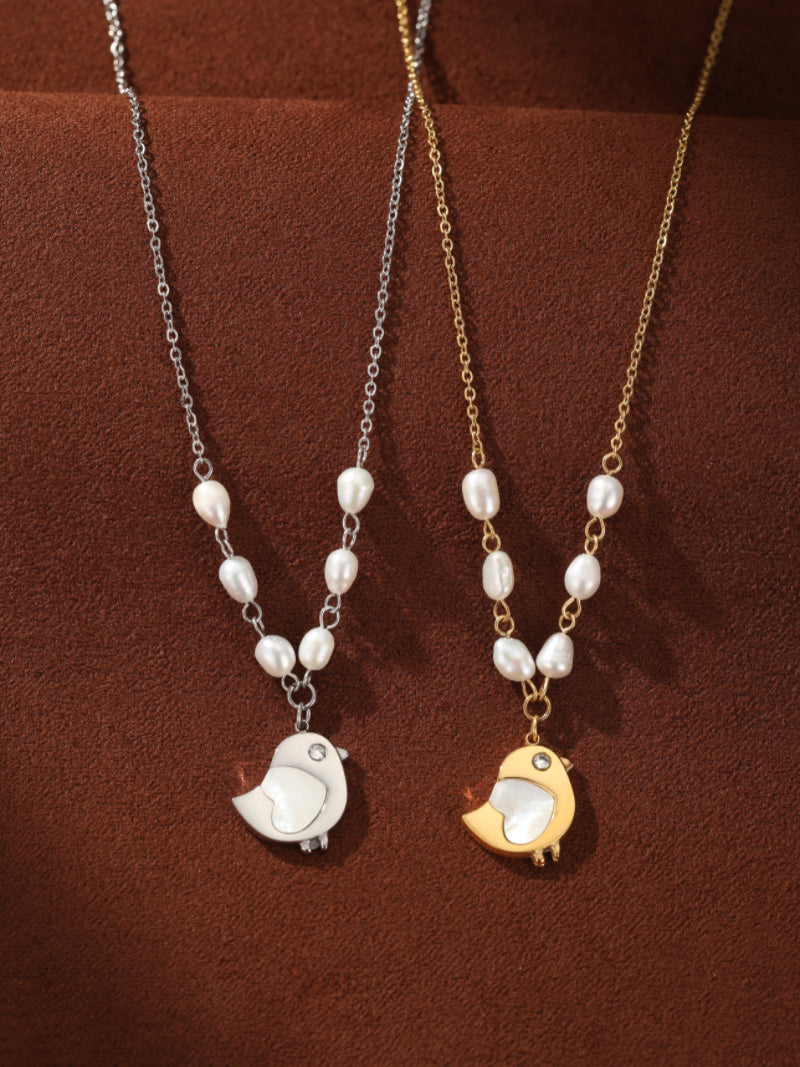
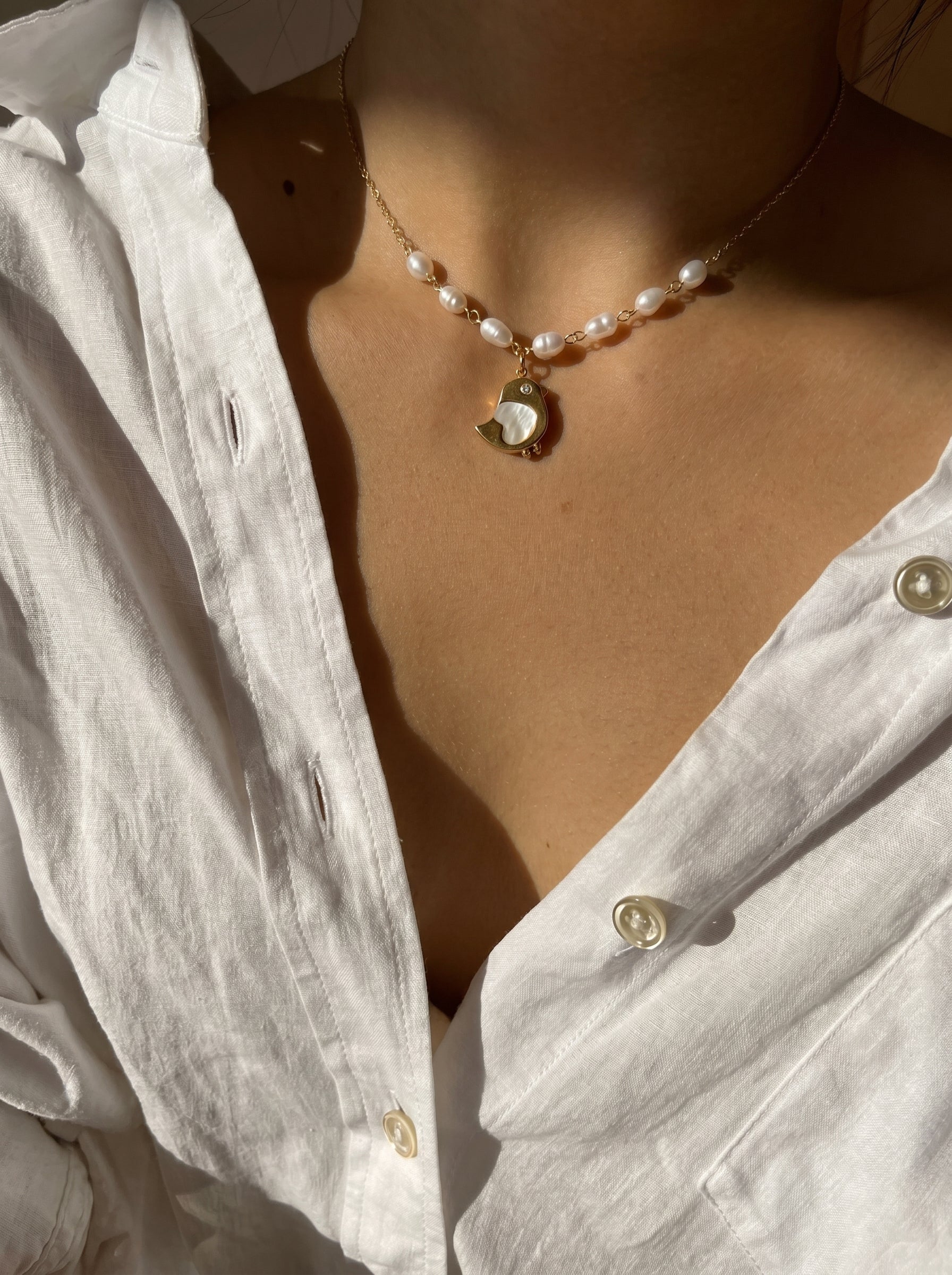
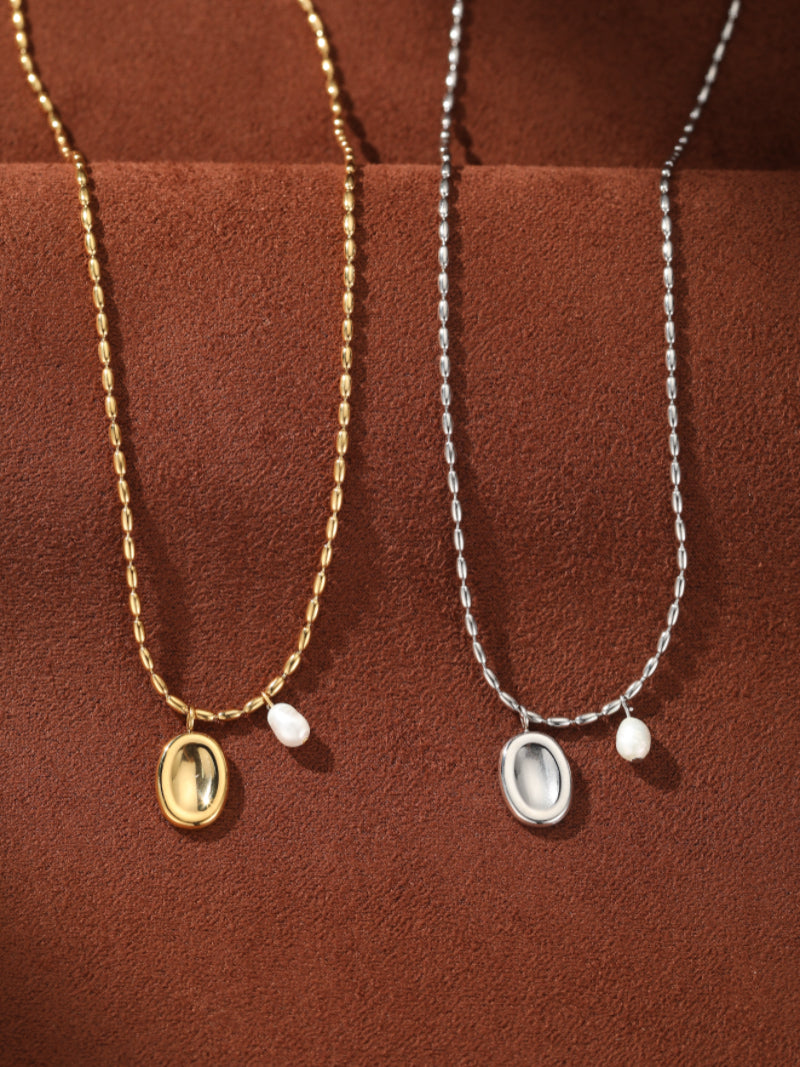
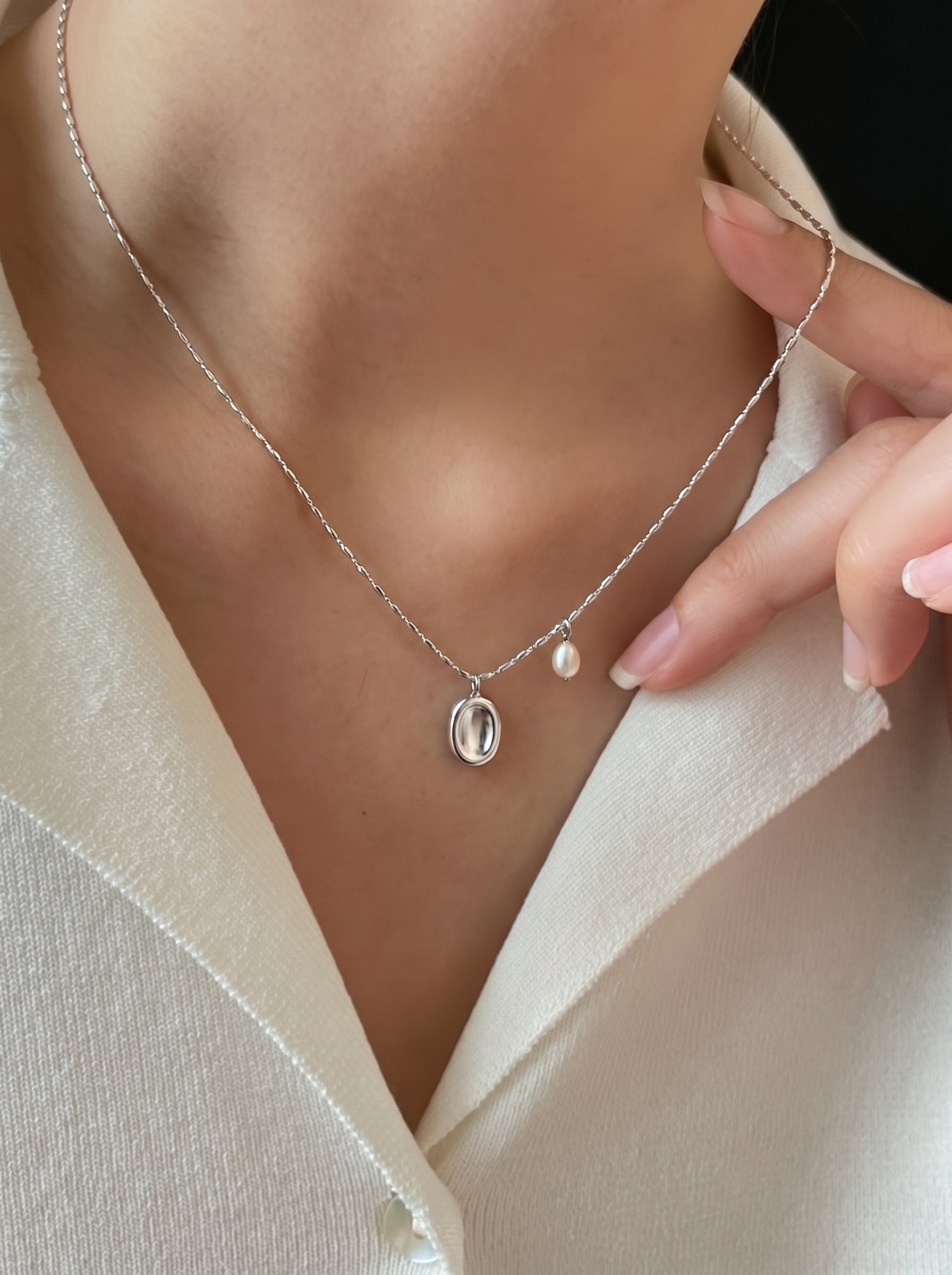
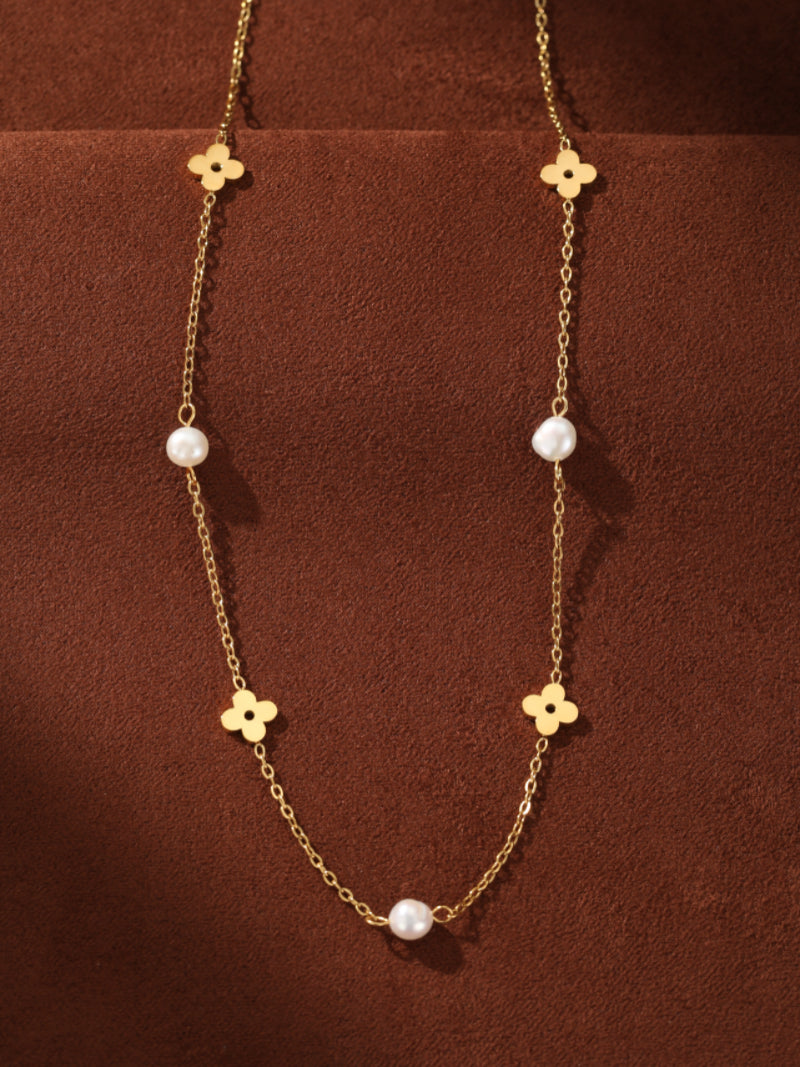
Single pendants
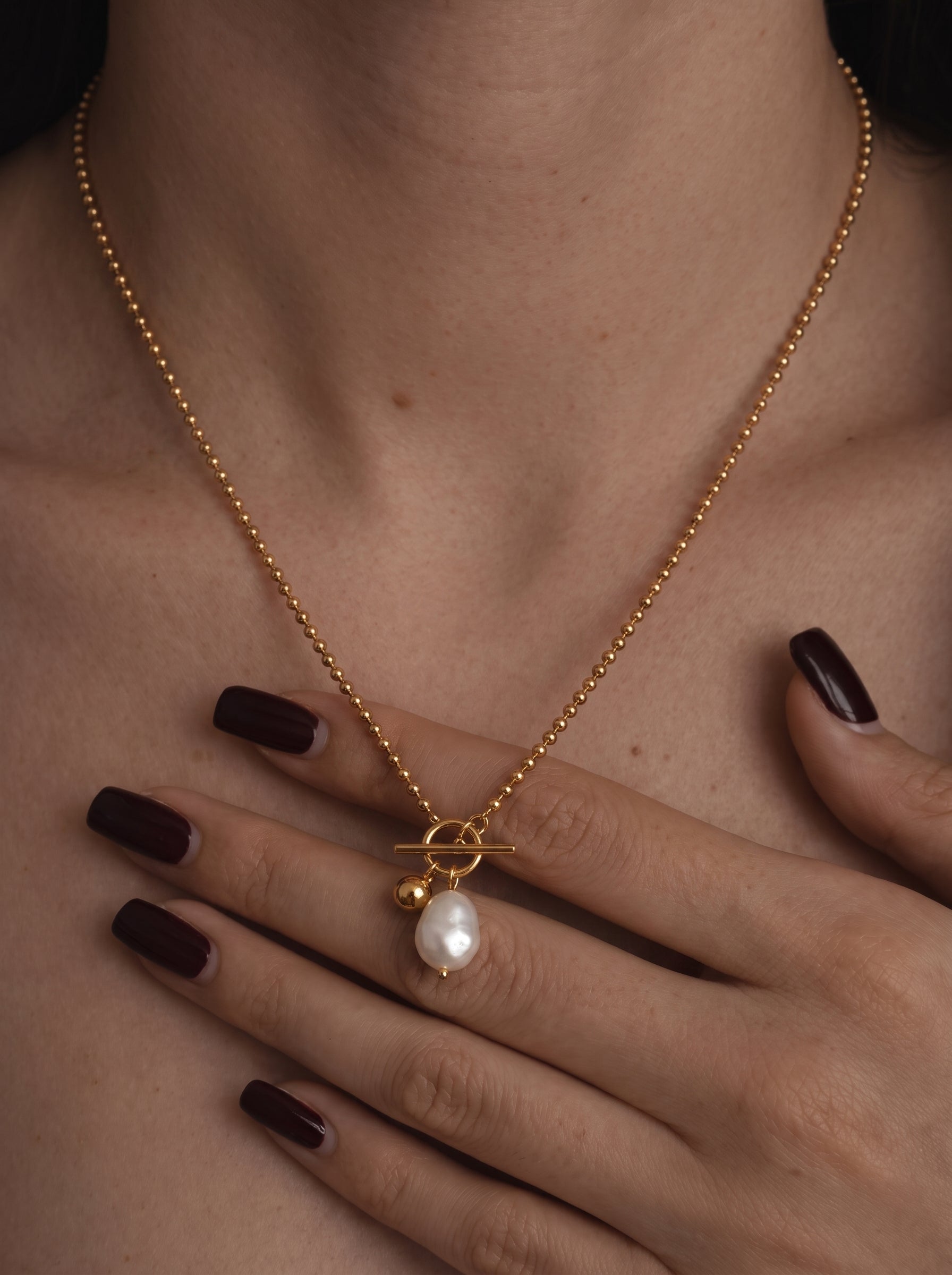
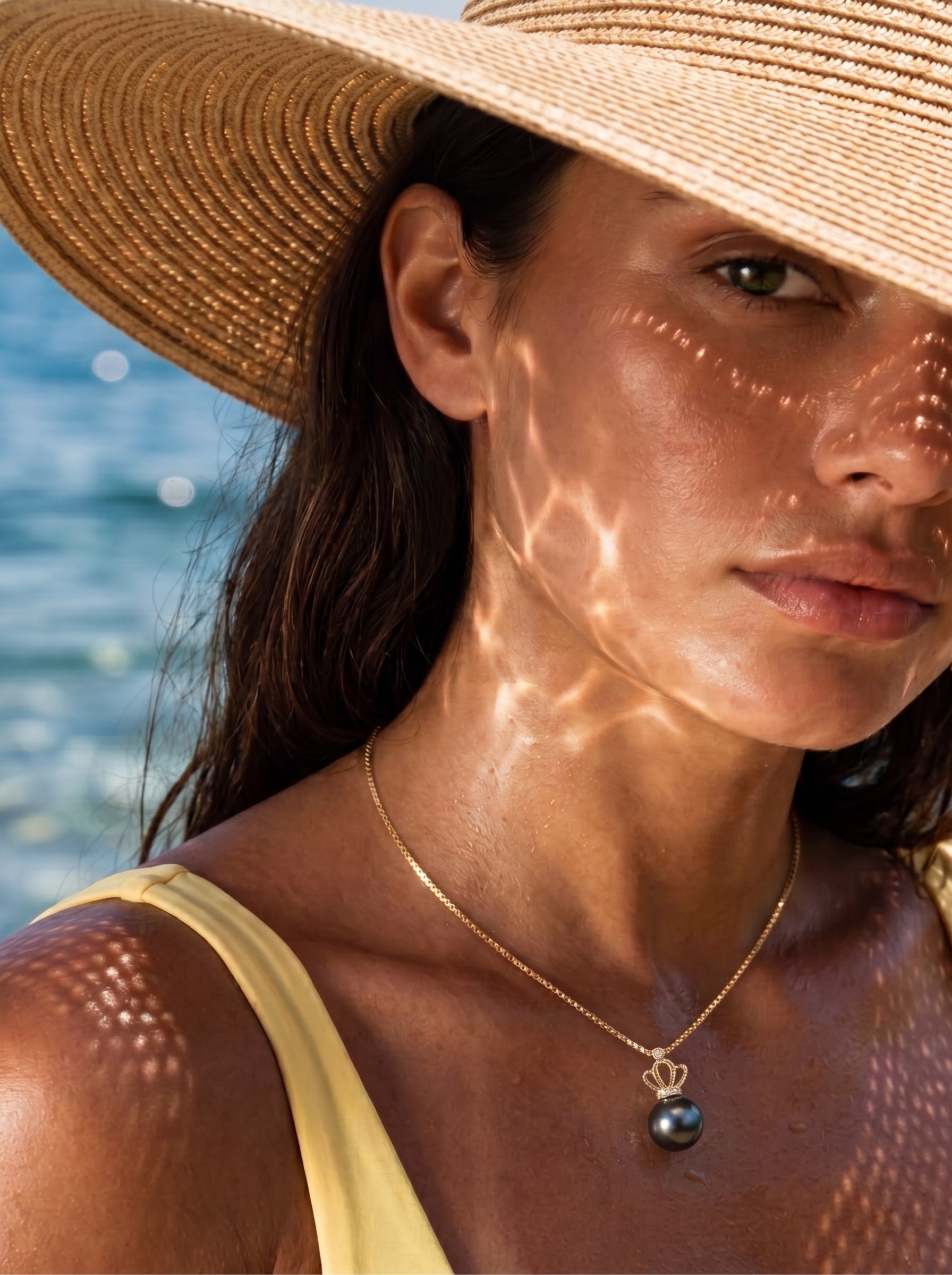
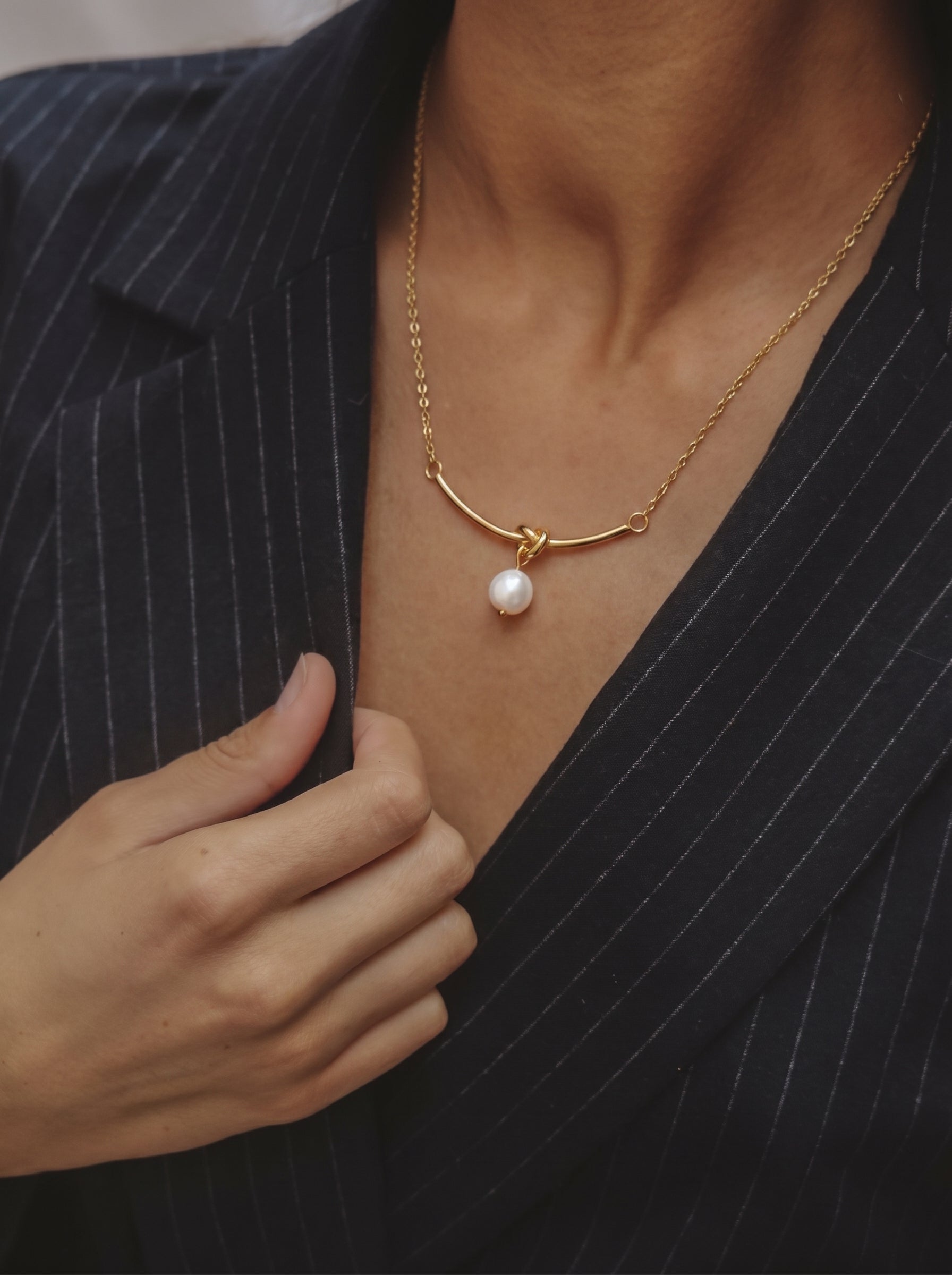
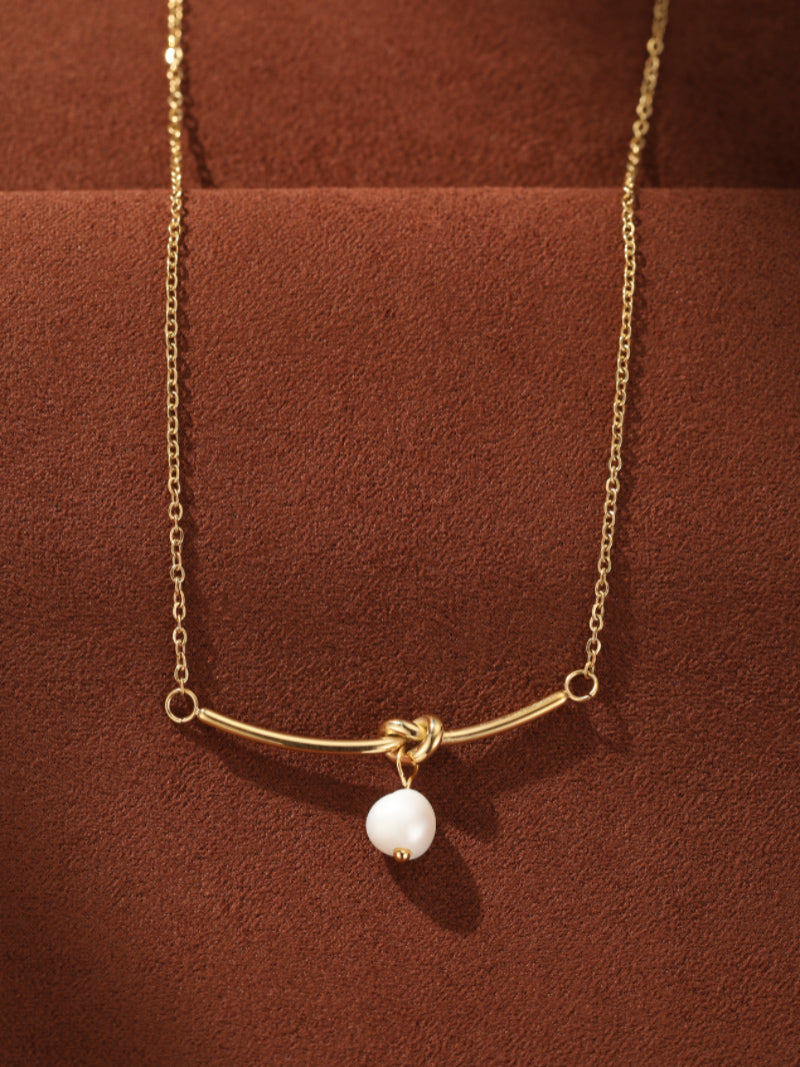
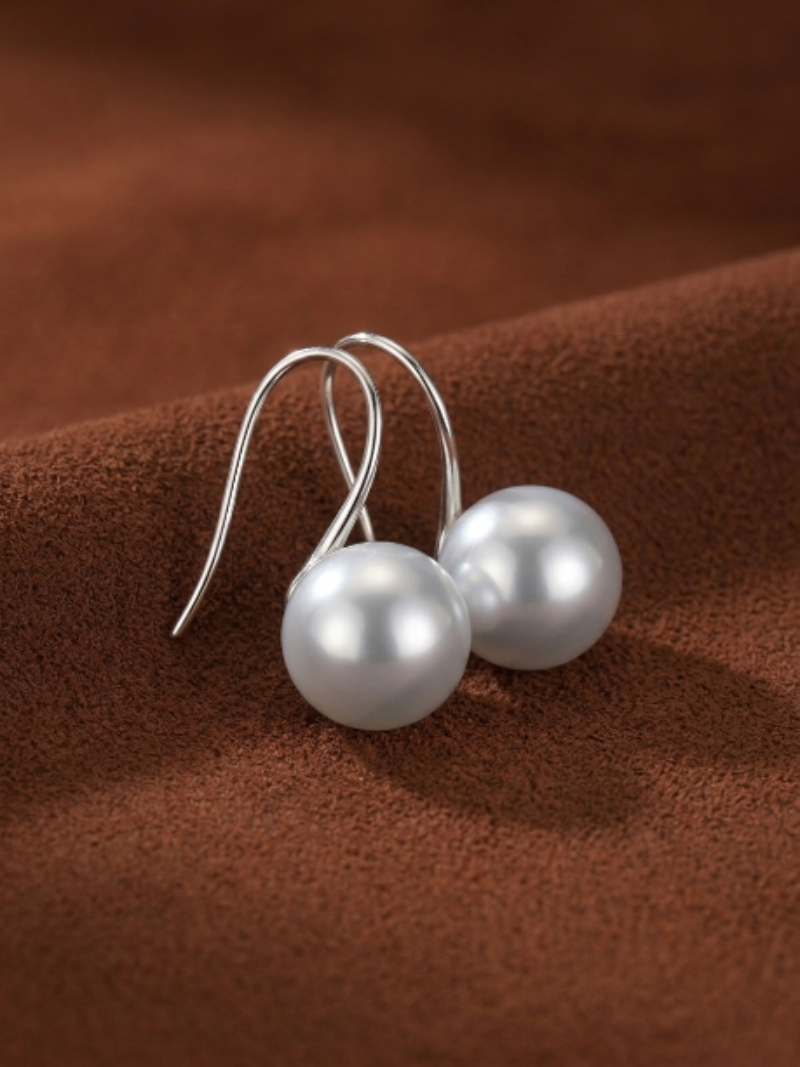
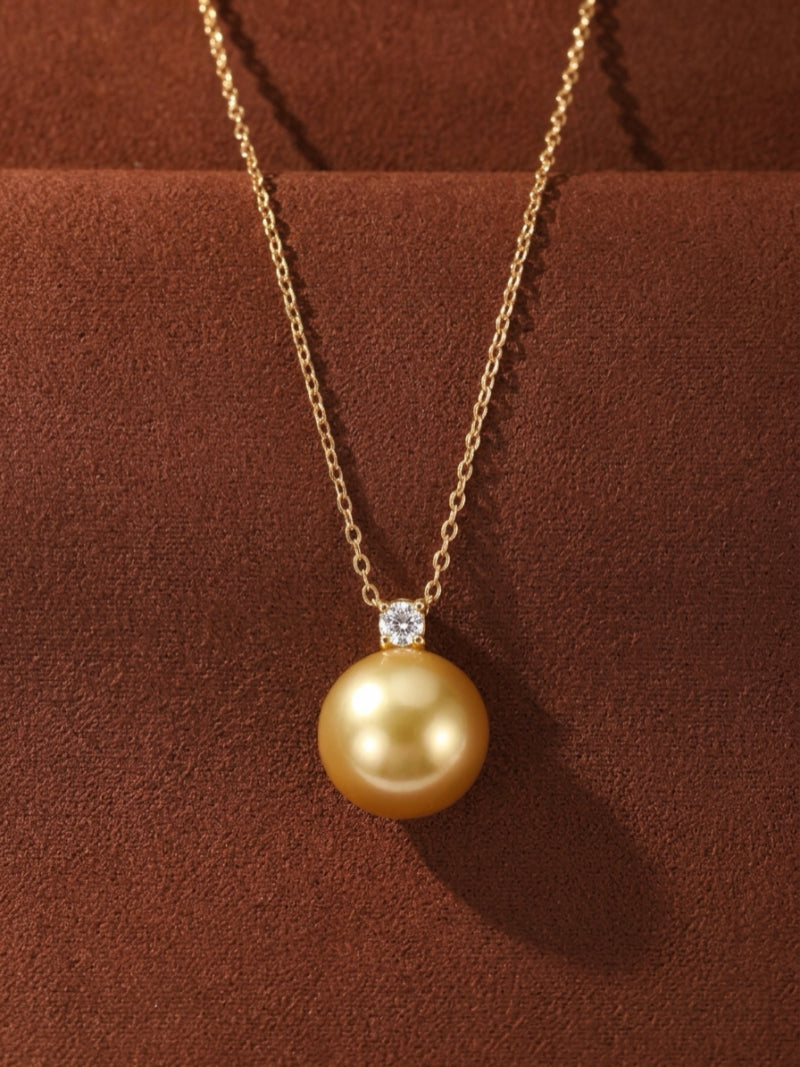
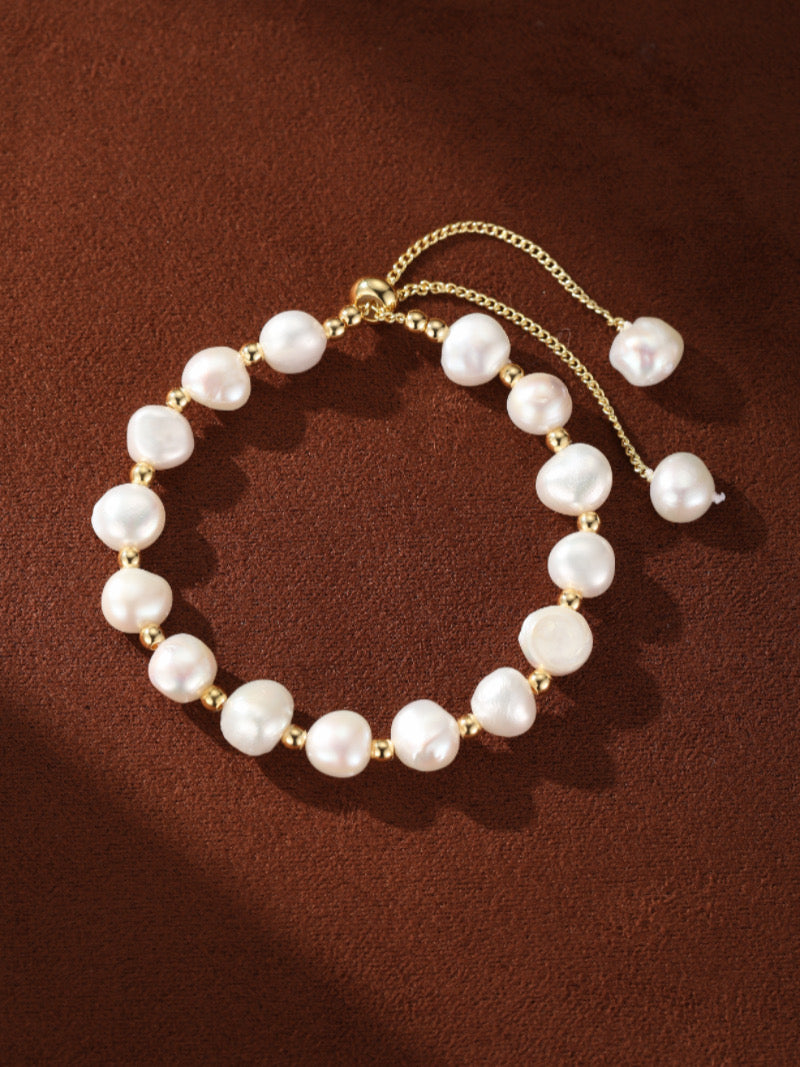
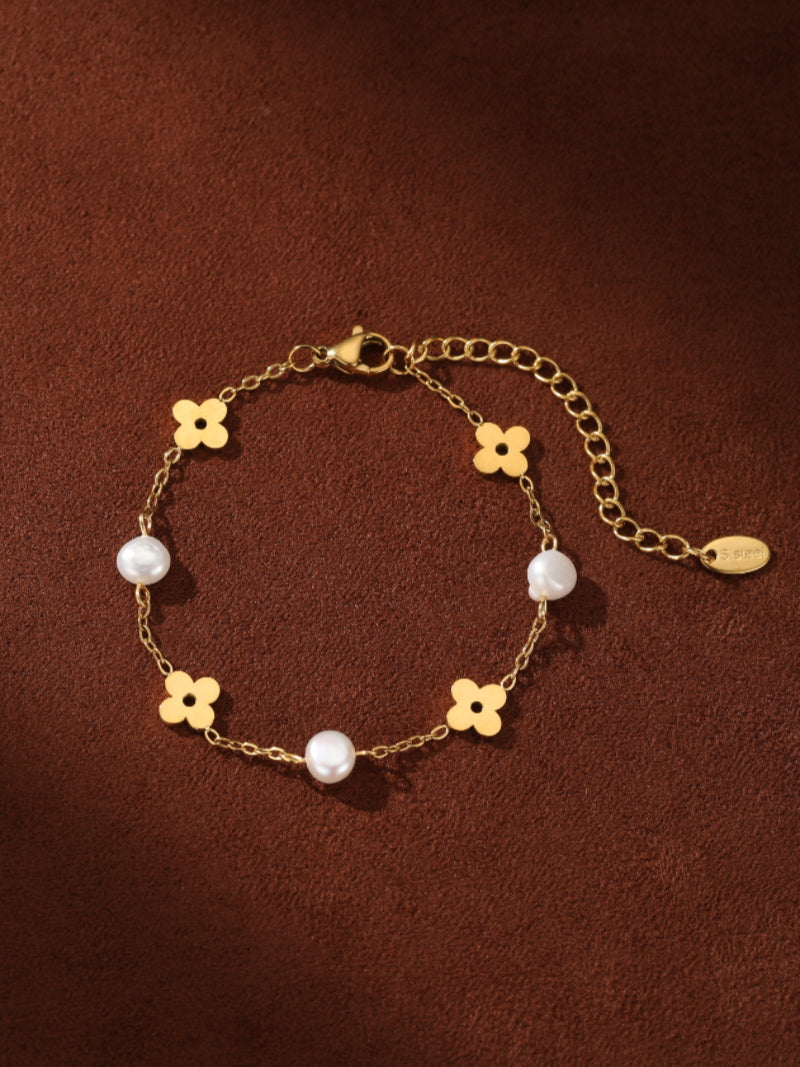
One pearl on a steel chain. The piece you can genuinely leave on, because nothing about the metal requires attention between wearings.
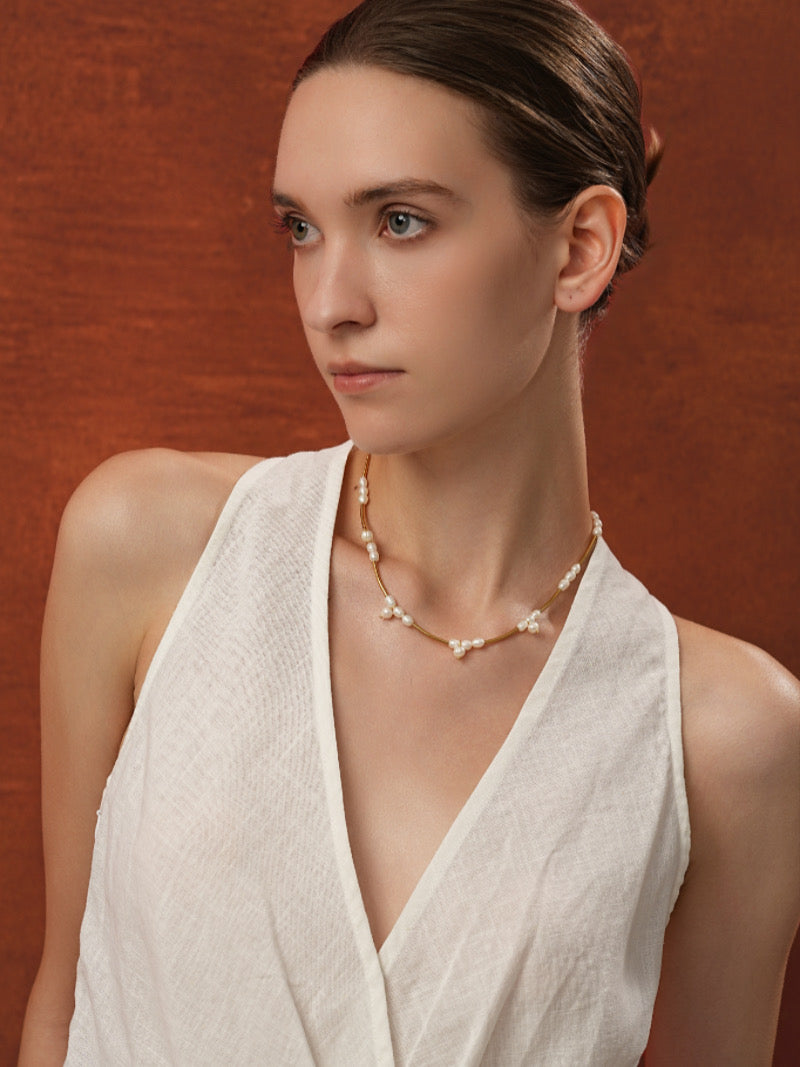
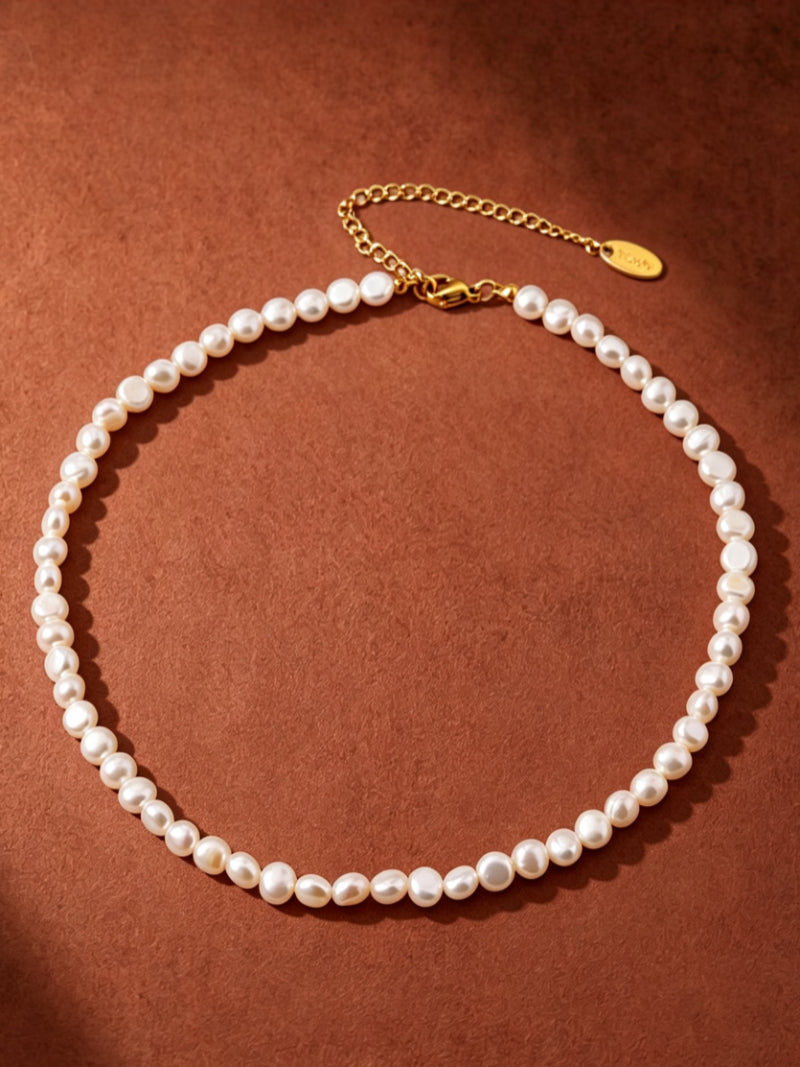
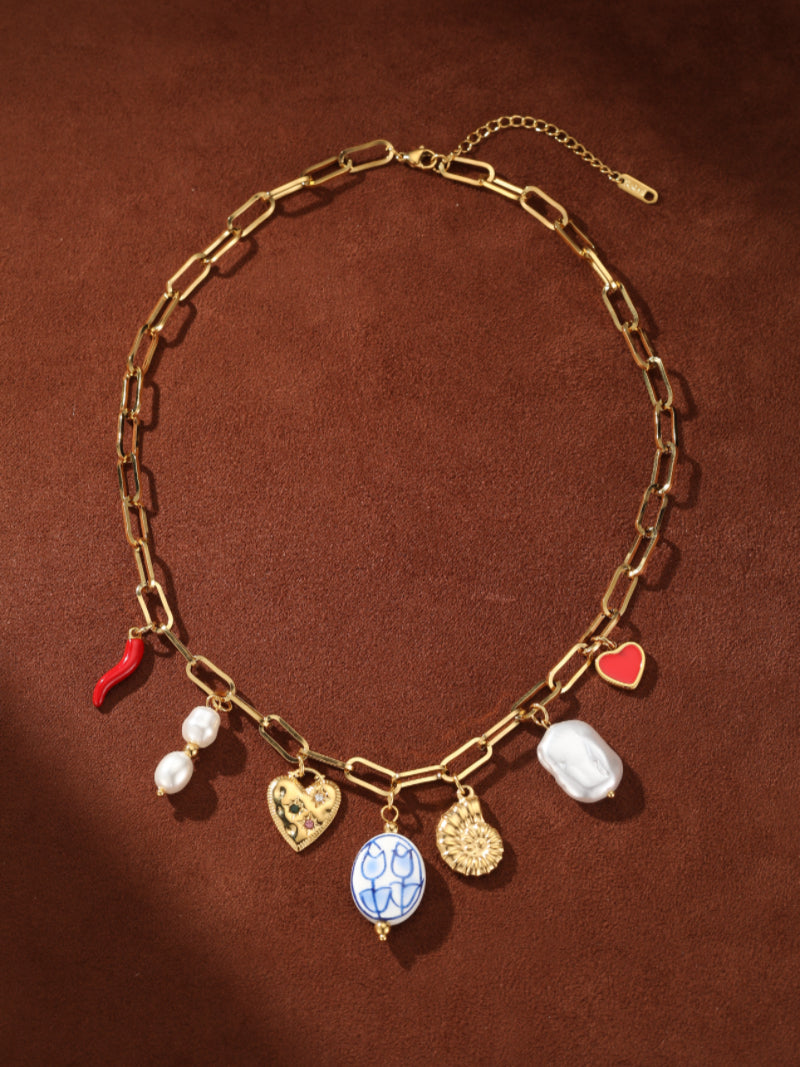
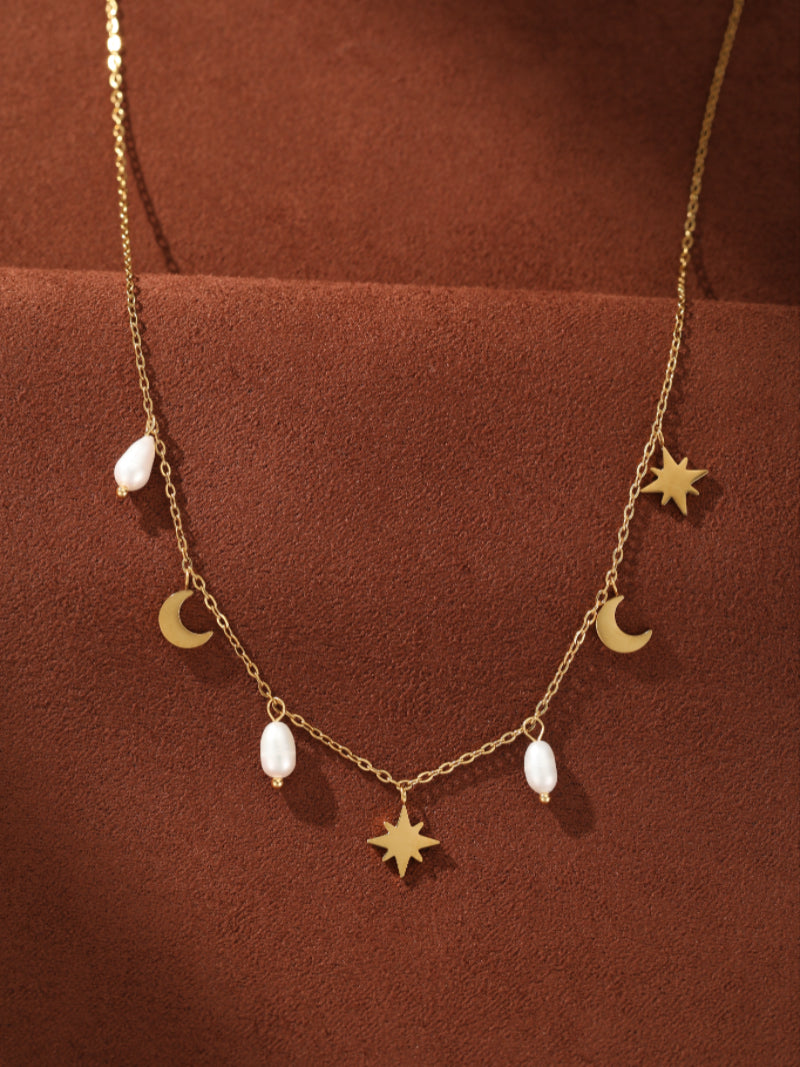
Chokers and chains
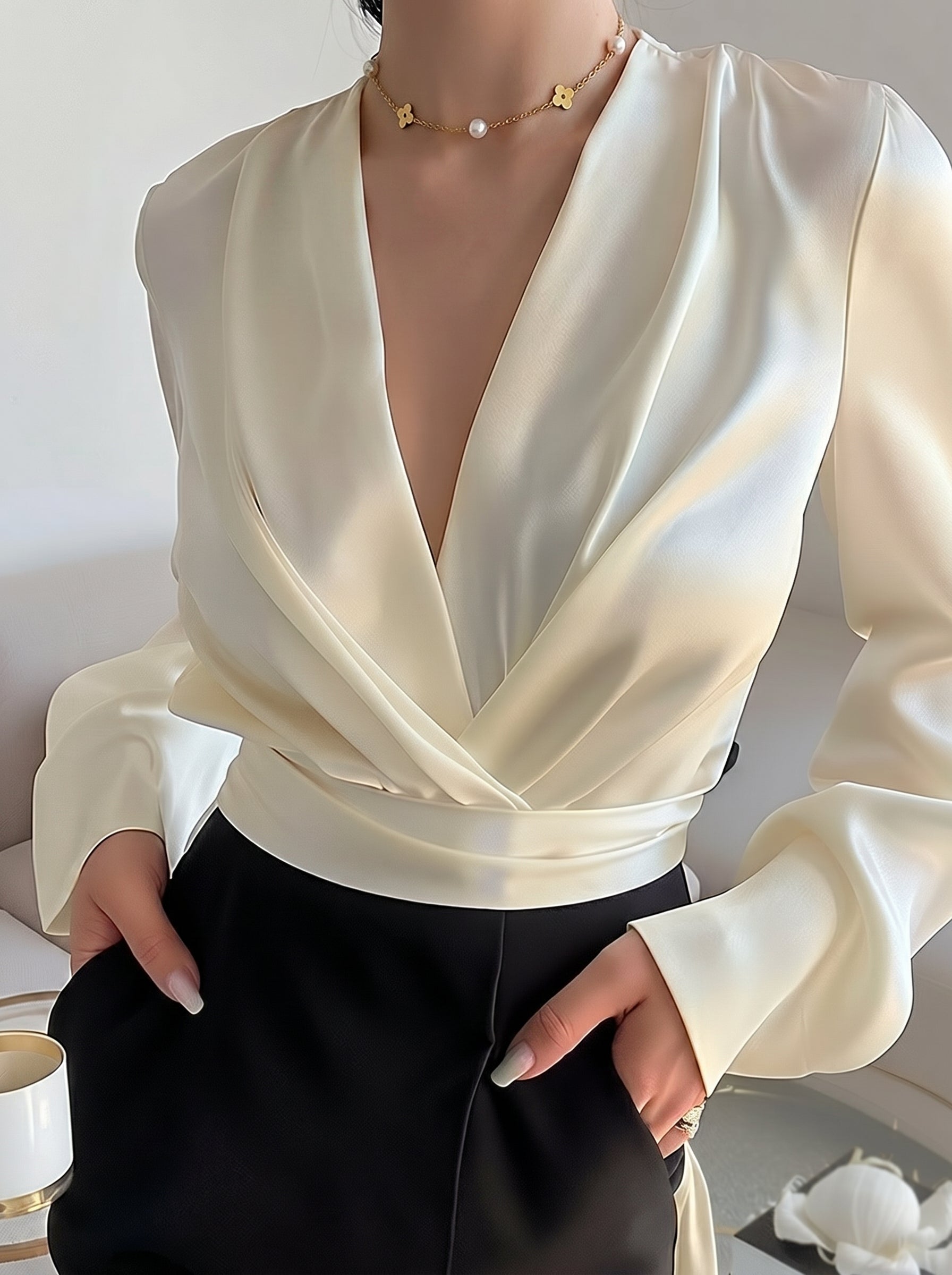
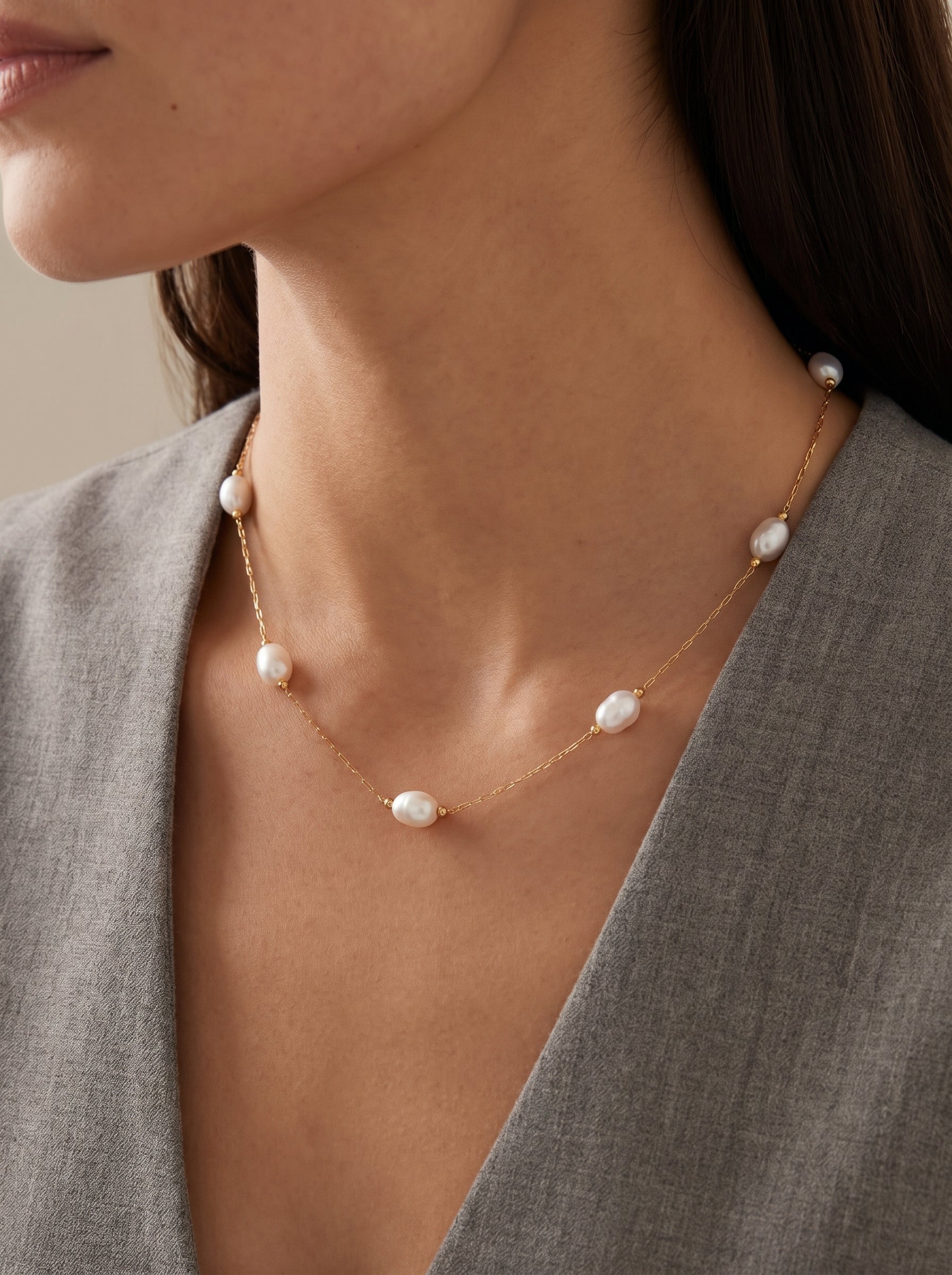
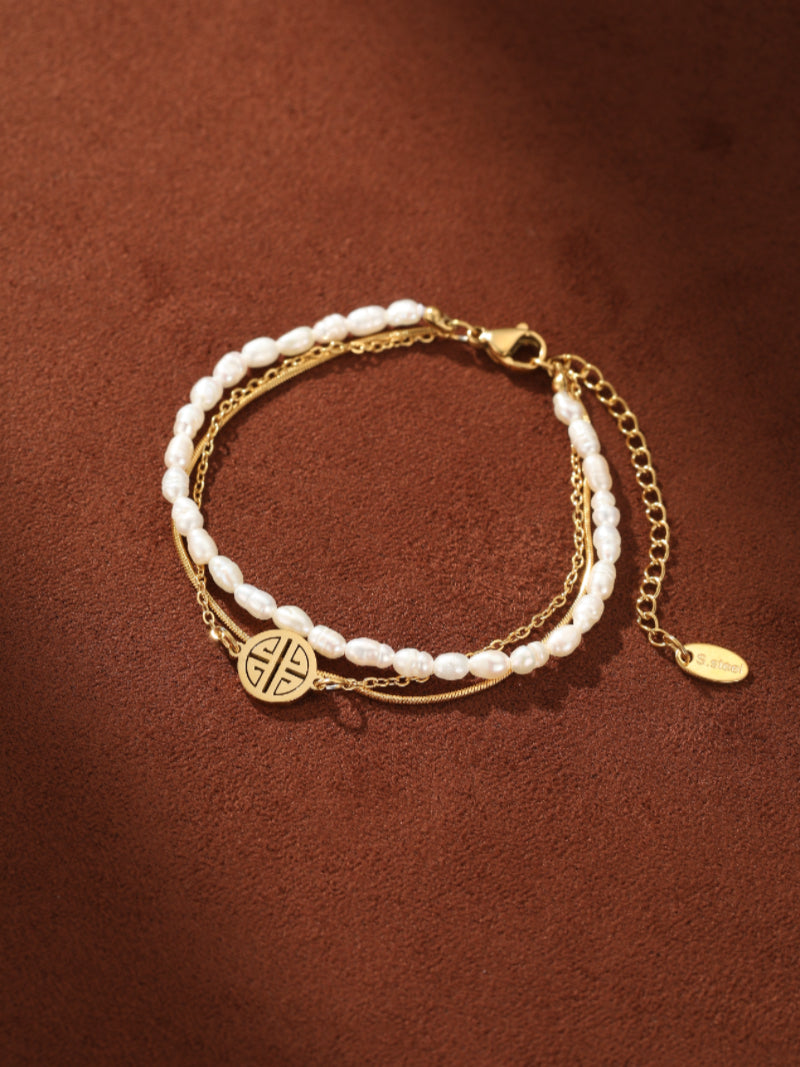
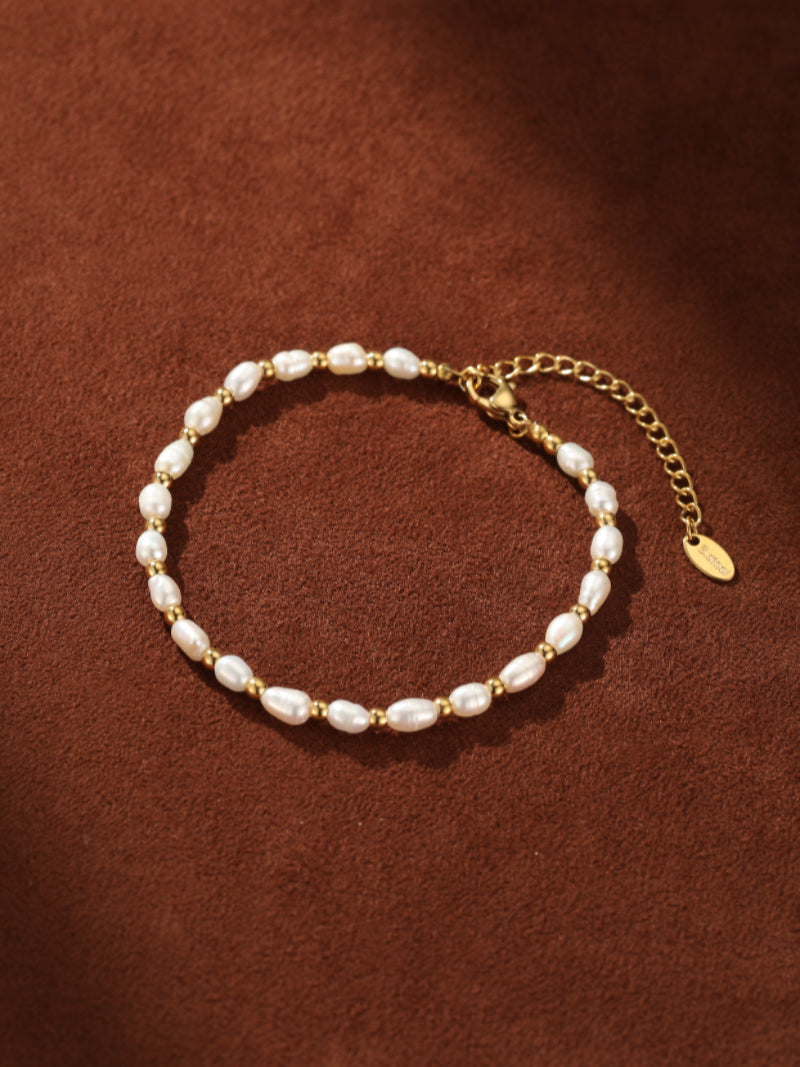
Steel holds a sharper line than plated metal at the same thickness, which is what makes a fine chain look precise rather than flimsy after a year of wear.
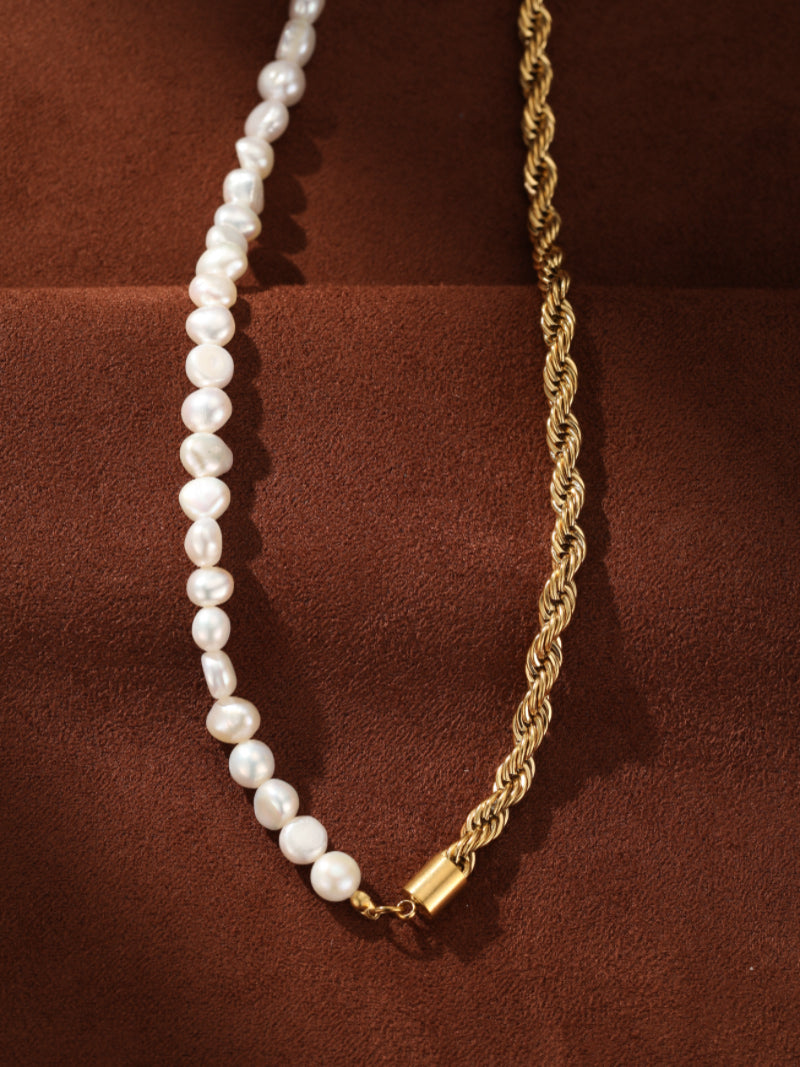
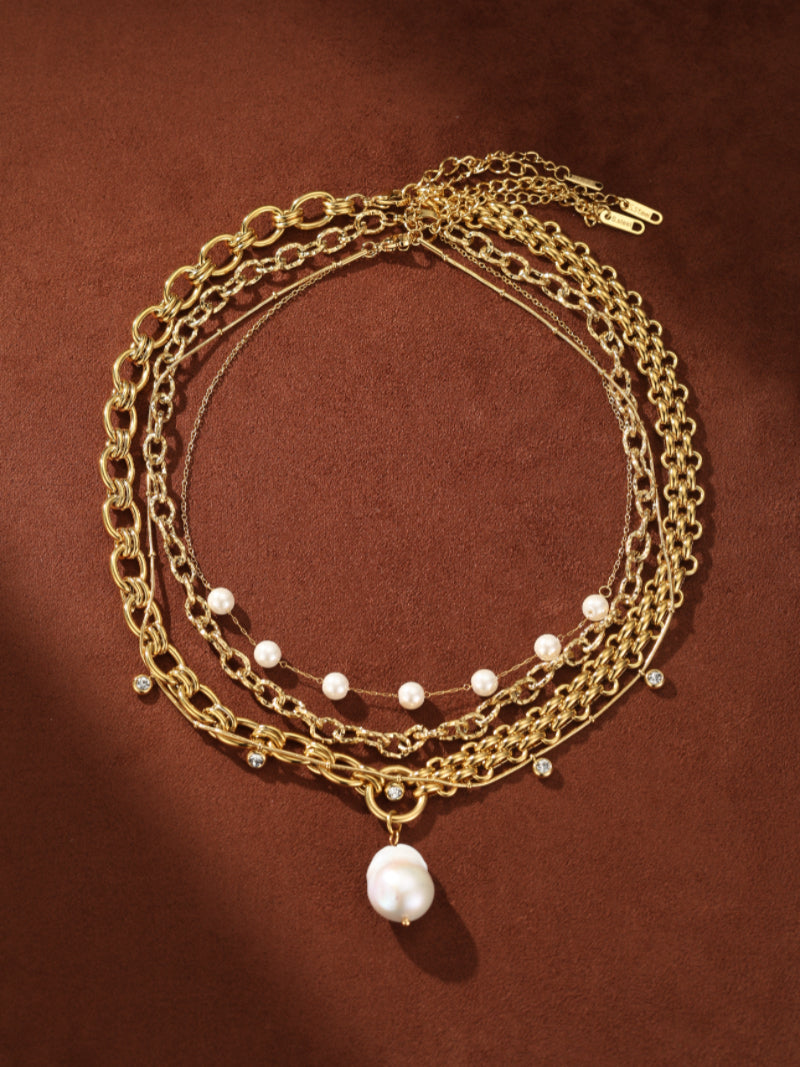
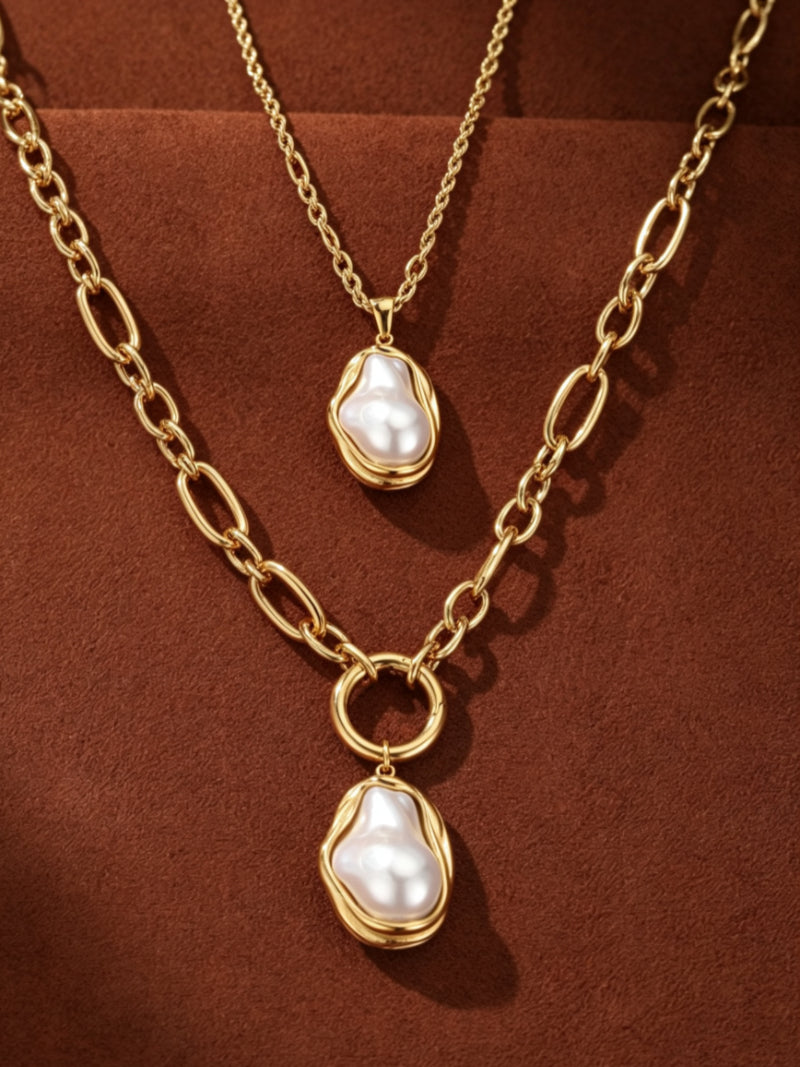
Long and layered strands
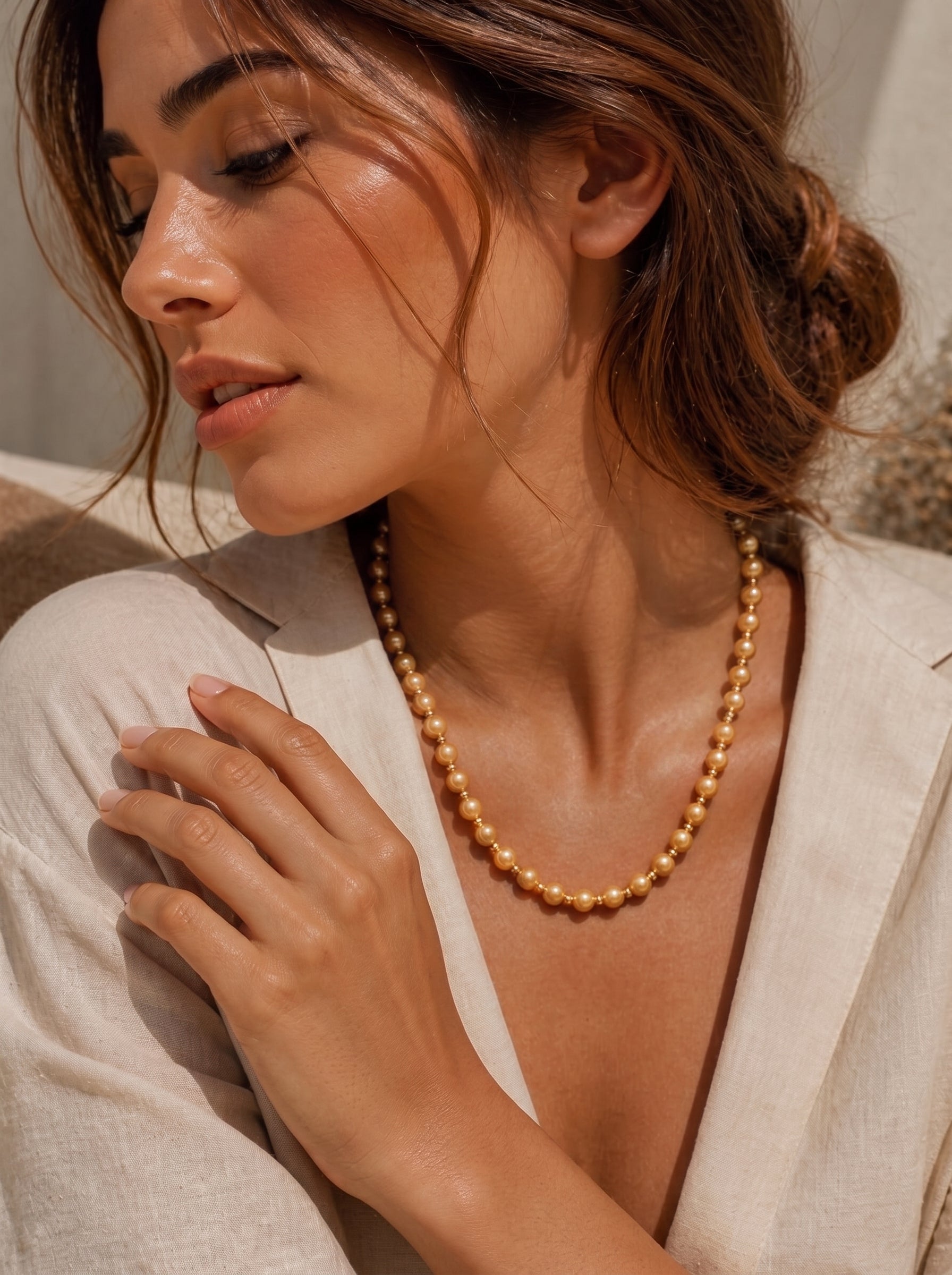
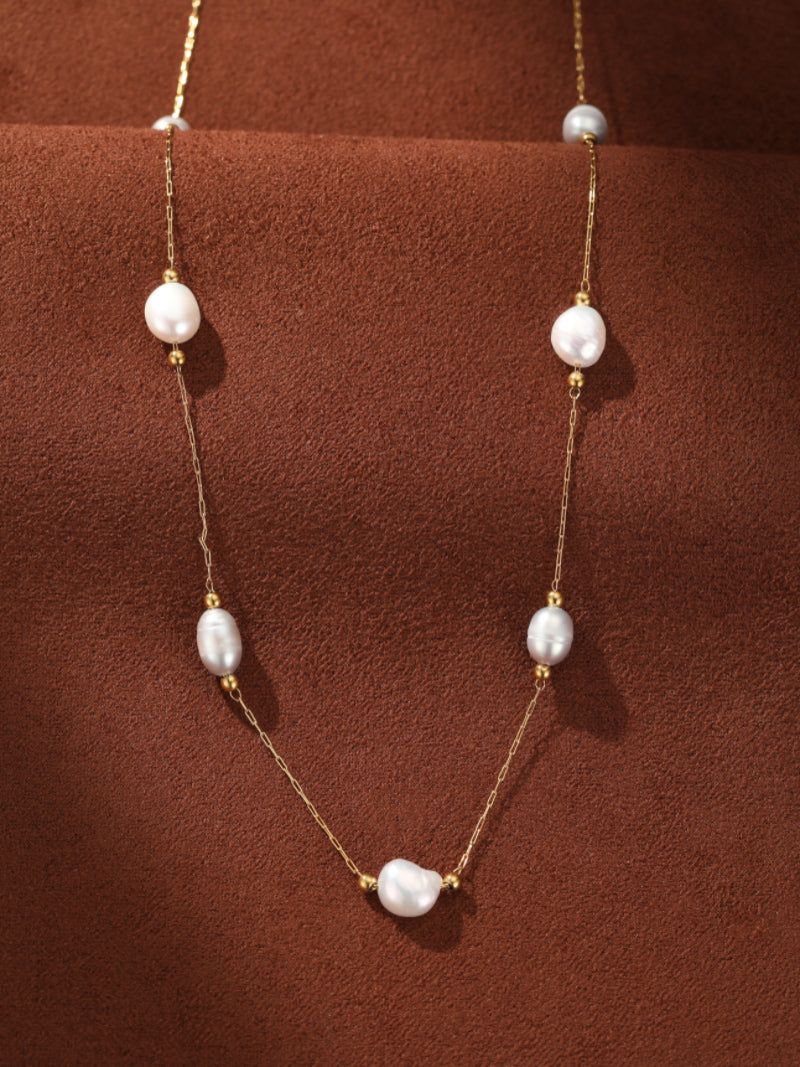
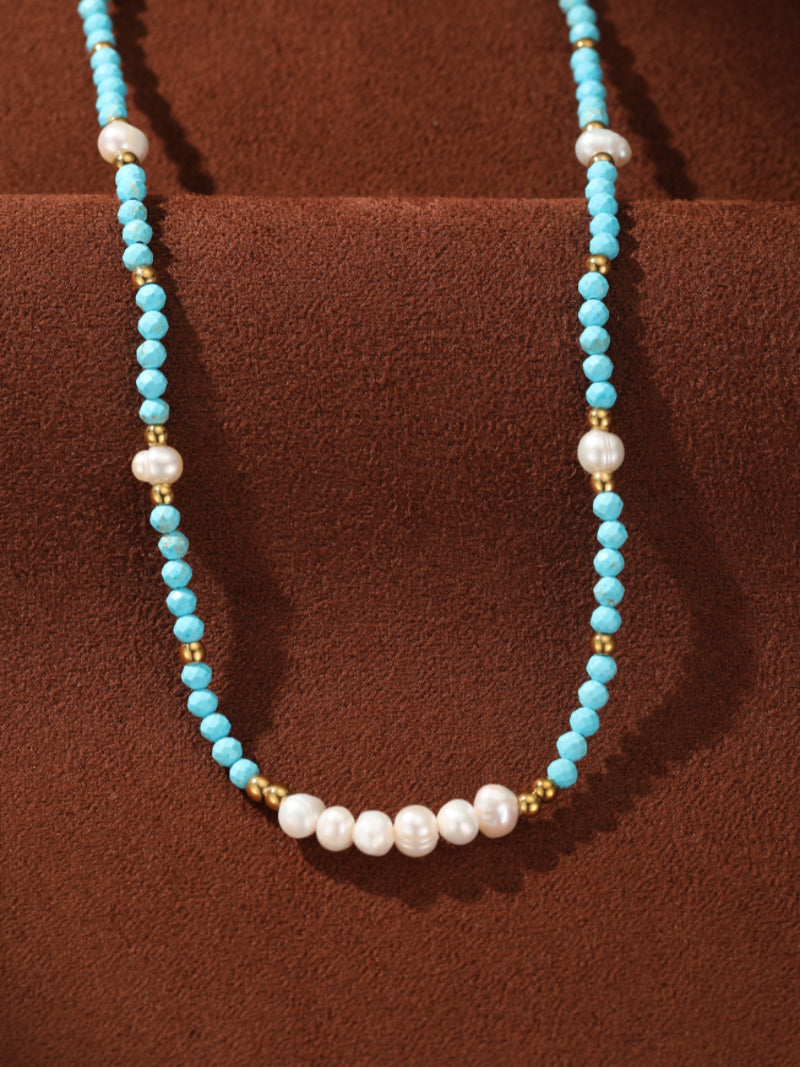
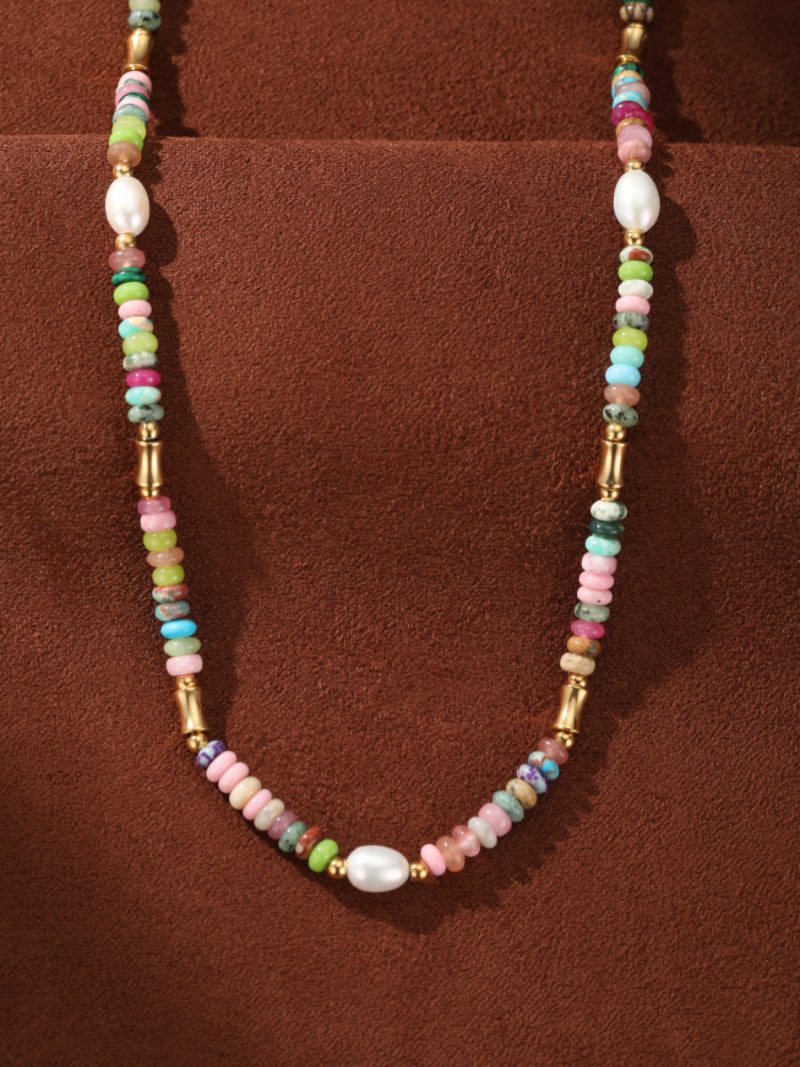
Length puts more of the chain in contact with clothing, so this is where a hard finish matters most. A long steel strand looks the same in year three as it did on day one.
Why buy a stainless steel pearl necklace from Grande Lilith
- Solid steel, not steel-cored plating, so the finish cannot wear off.
- Eight provenance markers on the pearl: type, origin, bodycolor, overtone, shape, size, grade and treatment.
- Sourcing named to place: Zhuji, Japan, French Polynesia.
- Nickel-free, lead-free and cadmium-free throughout.
- Designed in Paris. Thirty days to change your mind, and every order arrives in a magnetic pouch.
Frequently asked questions
Does stainless steel tarnish?
No. The chromium in the alloy forms a protective oxide layer that reforms whenever the surface is scratched, so the metal repairs its own finish. Silver tarnishes and plating wears off. Steel does neither.
Can you shower in a stainless steel pearl necklace?
The steel will be fine. The pearl will not. Soap and shampoo dull nacre and prolonged water exposure weakens silk thread in strung pieces, so take any pearl necklace off before showering regardless of the metal.
Is steel jewelry cheap-looking?
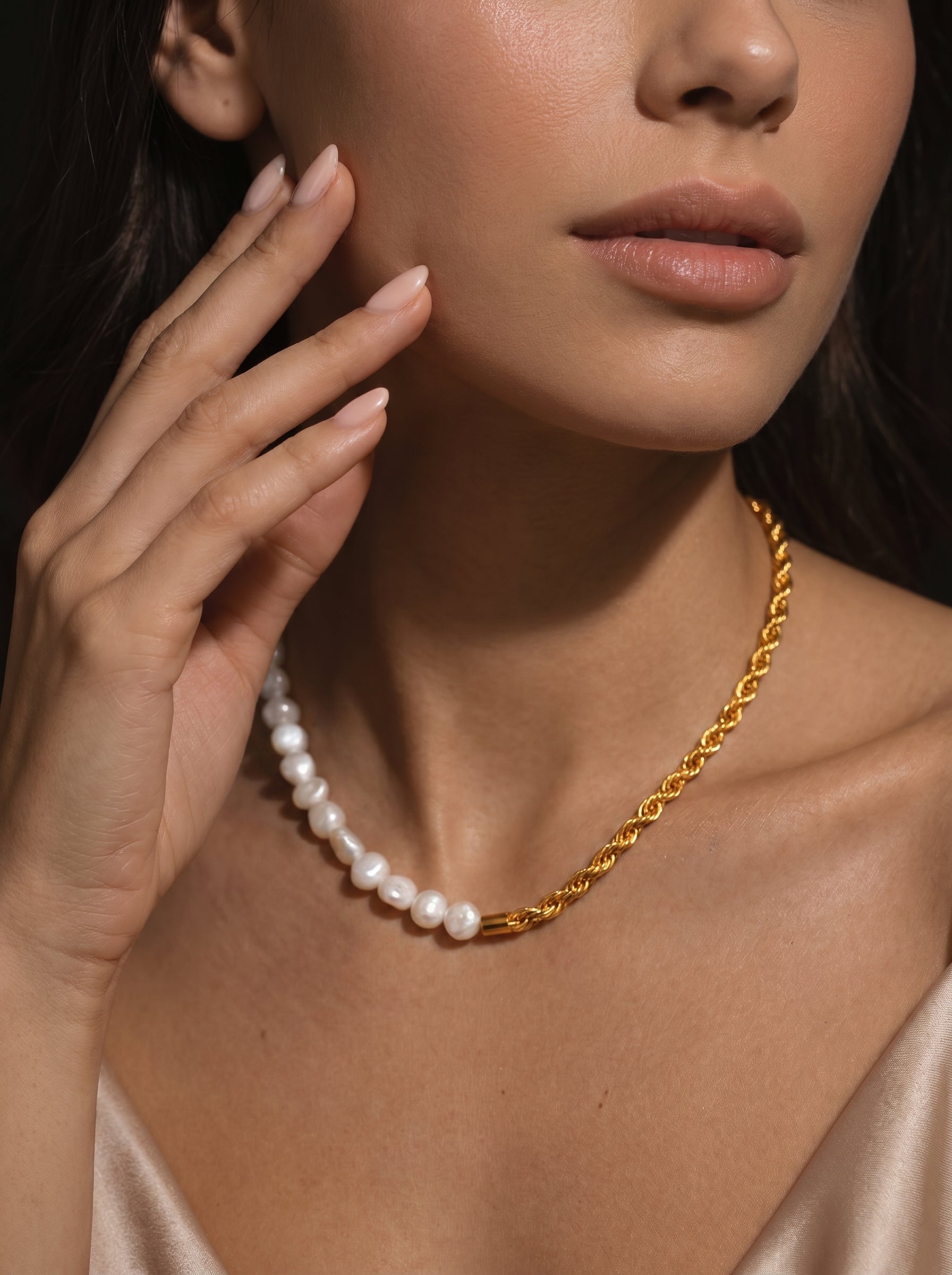
Solid steel reads closer to platinum than to silver, with a slightly cooler tone. What looks cheap is plating that has worn through, which is exactly what steel does not do.
How do you clean a steel pearl necklace?
Wipe it with a soft damp cloth after wearing. The steel needs nothing more. Never use an ultrasonic cleaner or any dip, since those exist for the metal and destroy the pearl.
Will steel react with sweat?
No, and it will not discolor skin the way copper-containing alloys occasionally do. This makes it the most practical choice for summer, for exercise, and for anyone whose skin reacts to other metals.
























 22 04 02:49
 22 04 03:54
 22 04 04:02