


Single Pearl Necklace vs Strand: Which Should You Own?
Table of Contents
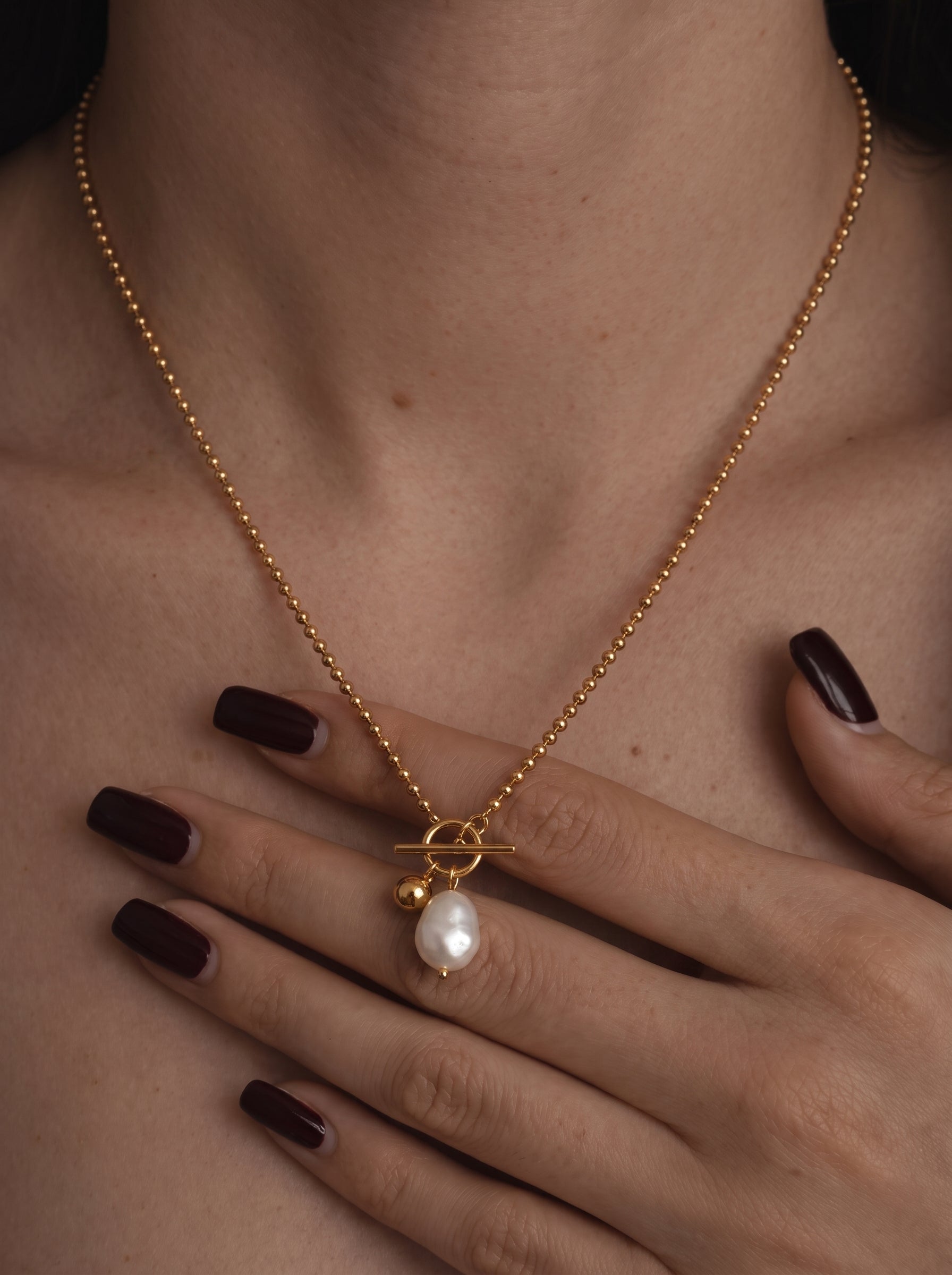
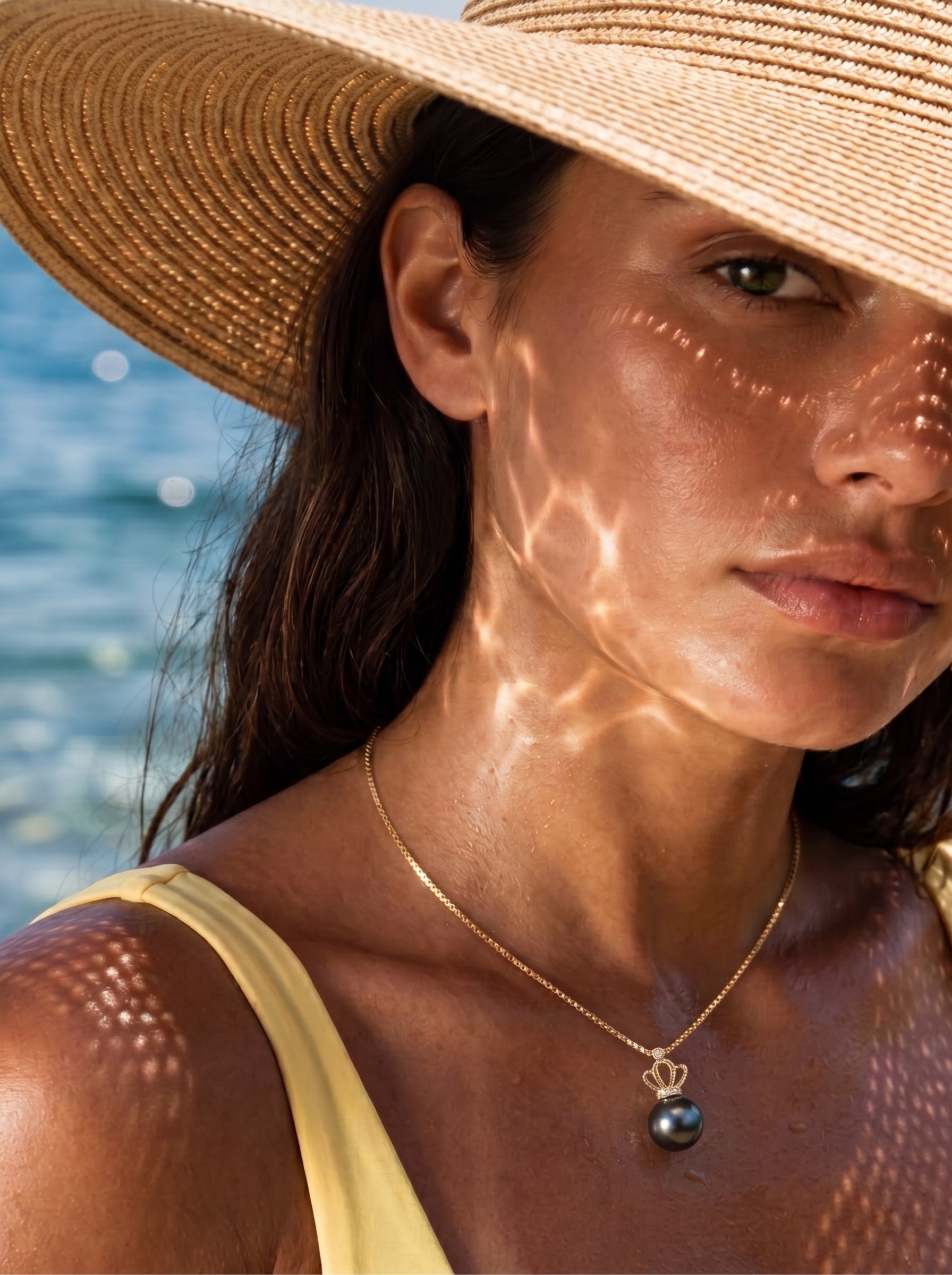
A single pearl necklace is the better first buy for most people: it costs less, layers with other chains and suits every day. A strand carries more presence and formality but needs more care and more occasions to earn its price. Per wear, a $35 single-pearl pendant worn twice a week for a year costs about 34 cents.
Key takeaways
- A single pearl goes everywhere: office, weekends, evenings, and layered with other chains.
- A strand is the more formal statement, traditionally the pearl piece for weddings, black tie and ceremonies.
- Value depends on wear: divide the price by the number of times you will realistically wear it.
- Strands need more care: they are strung on thread that weakens with wear, and GIA advises letting a strand dry completely after cleaning before you wear it.
- Matching only matters for strands: GIA lists matching as a value factor for jewelry with two or more pearls, so a single pearl is judged on its own.
A single pearl pendant and a full strand are the two classic ways to wear pearls at the neck, and the choice shapes the rest of a pearl wardrobe. This guide compares them on six questions and ends with a clear verdict. We use our own catalog for prices and show our arithmetic for value, so you can redo it with your own numbers. For the full buying basics, start with our complete pearl necklace buyer's guide.
Should you buy a single pearl or a strand?
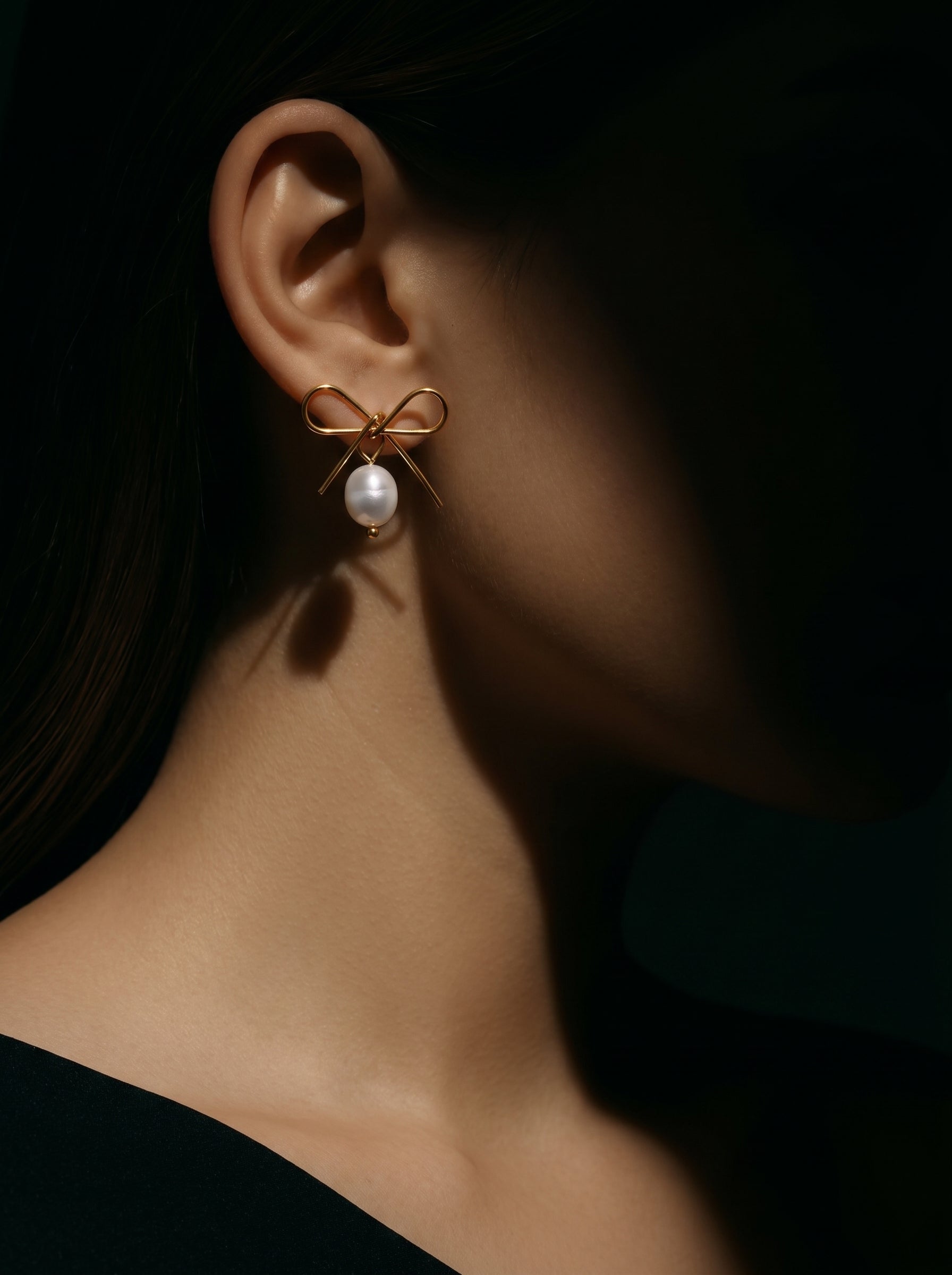
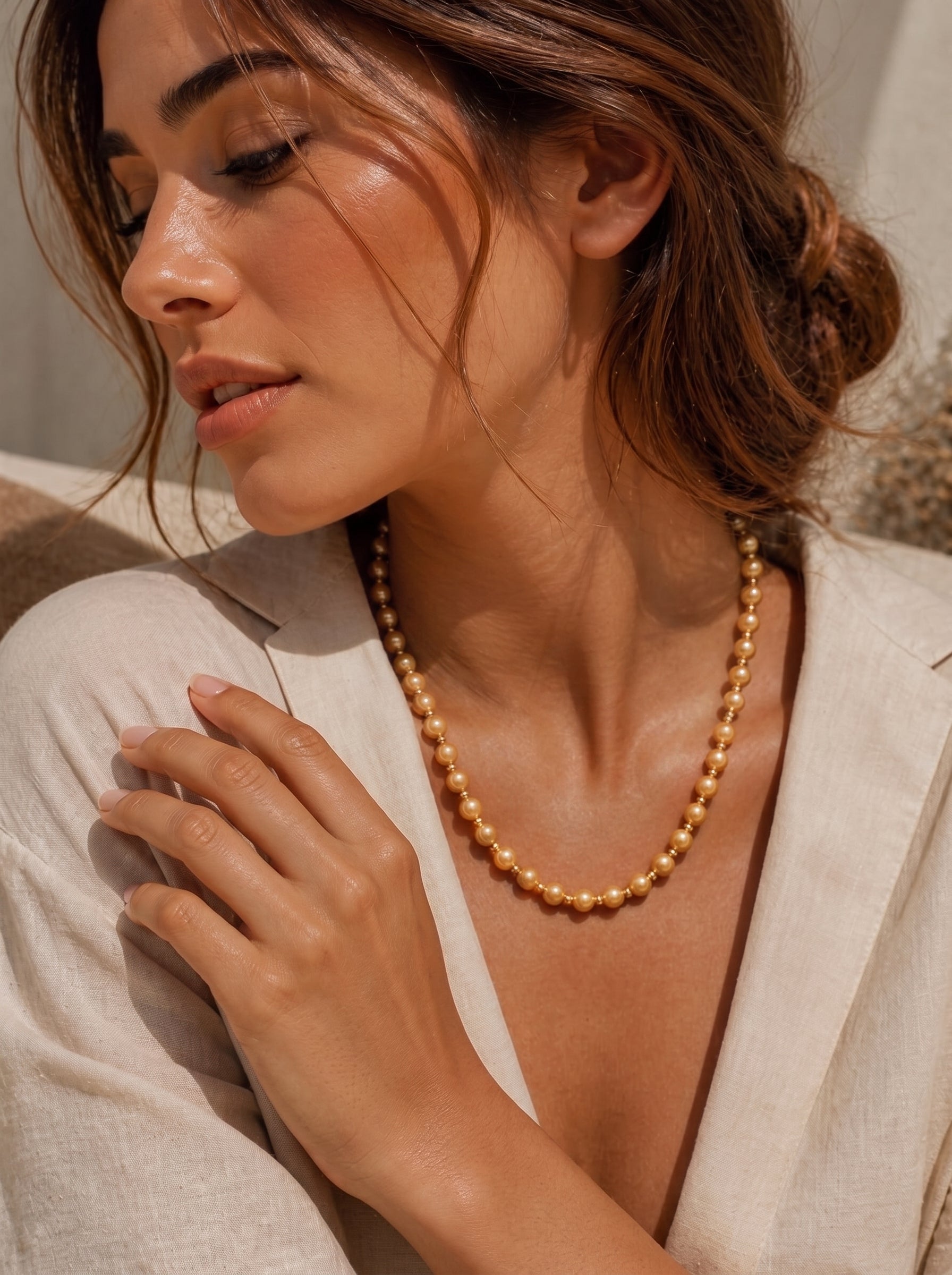
Buy a single pearl first unless you have a specific formal occasion in mind or already own pendants you love. A single pearl necklace costs less for the same quality of pearl, goes with more outfits and layers easily. A strand is the stronger second purchase: it delivers the classic, formal look a pendant cannot, and it becomes the centerpiece of a dressier wardrobe.
The table sets out the comparison. The verdicts are our assessment; the pendant prices come from our own listings.
| Factor | Single pearl pendant | Full strand |
|---|---|---|
| Price | At Grande Lilith, single-pearl designs in cultured freshwater pearl run from $35 to $129, with a median of $39 (22 listings) | Depends on pearl type, size, length and how closely the pearls match; one strand holds dozens of pearls |
| Versatility | High: works with most necklines and dress codes | Moderate: strongest with open necklines and dressier outfits |
| Layering | Easy: layers with chains of other lengths | Possible, but bulkier; usually worn alone or with other strands |
| Formality | Day to evening | Evening, ceremonies and black tie |
| Maintenance | Low: check the chain, clasp and setting | Higher: the thread stretches and weakens over time and eventually needs restringing |
| Best first buy? | Yes, for most people | Yes, if you need a formal piece now |
Grande Lilith data on 26 October 2026: active necklace listings tagged as single-pearl designs with cultured freshwater pearls. We sell single-pearl pendants and beaded designs, not traditional fully knotted strands, so we do not quote strand prices of our own.
Which is more versatile?
A single pearl is more versatile. It sits at the base of the throat or just below, so it works with crew necks, V-necks, shirts and dresses, and it moves from the office to dinner without looking overdressed. A strand is versatile in its own way, especially in shorter lengths, but it reads as more formal and competes with busy necklines.

Where each format shines:
- Single pearl: everyday wear, open collars, knitwear, layering with other chains, and anyone who wants pearls without a traditional look.
- Strand: simple dresses, strapless and open necklines, tailored jackets, and occasions where a classic look is expected.
- Length matters for both. Our pearl necklace length guide explains how choker, princess and matinee lengths sit.
Many of our pendants hang on an 18-inch chain with a 2-inch extension, which lets the same piece sit higher with a crew neck and lower with an open collar. For outfit ideas across the whole pearl wardrobe, see how to wear pearls in 2026.
Which is better value?
A single pearl is usually better value for a first purchase, because you pay for one pearl and wear it far more often. A strand contains dozens of pearls that must match one another, so its price is higher even when the price per pearl is lower. The fairest comparison is cost per wear: price divided by the number of times you will actually wear it.
Here is the arithmetic, so you can redo it with your own numbers.
Price per visible pearl. A pendant shows one pearl, so its price per pearl is simply its price. In our catalog on 26 October 2026, the Solace pendant sets a 6 mm cultured freshwater pearl for $35, the Sovereign pendant a 9 mm cultured South Sea pearl in 18K gold for $119, and the Grit pendant a 9 mm cultured Tahitian pearl in 18K gold for $399.
A strand spreads its price across many pearls. An 18-inch strand is about 457 mm long; with 7 mm pearls laid end to end, at most about 65 pearls fit. Knots between pearls and the clasp take up some of that length, so the real count is lower. To find the price per pearl of any strand, divide its price by the number of pearls the seller states, or estimate it from length and pearl size.
Matching is part of why strands cost more. GIA lists matching as a value factor for jewelry with two or more pearls: for most strands, the pearls should match in all their quality factors, which means sorting many pearls to assemble one even strand. A single pearl skips that step entirely.
A single pearl also lets you concentrate your budget. GIA notes that, when other value factors are equal, larger pearls are rarer and more valuable than smaller pearls of the same type. With one pearl to pay for, a given budget can buy a larger pearl, a rarer type or a finer metal than the same money spread across a strand.
Cost per wear. This is where the two formats separate:
- A $35 pendant worn twice a week for a year, 104 wears, costs about $0.34 per wear in year one, and less every year after.
- A strand worn once a month costs one-twelfth of its price per wear in year one. A strand kept for a few formal occasions a year costs far more per wear.
These wear counts are illustrations, not data about how people actually wear pearls; use your own habits. The principle holds either way: the piece you wear most is usually the best value.
Which is easier to layer?
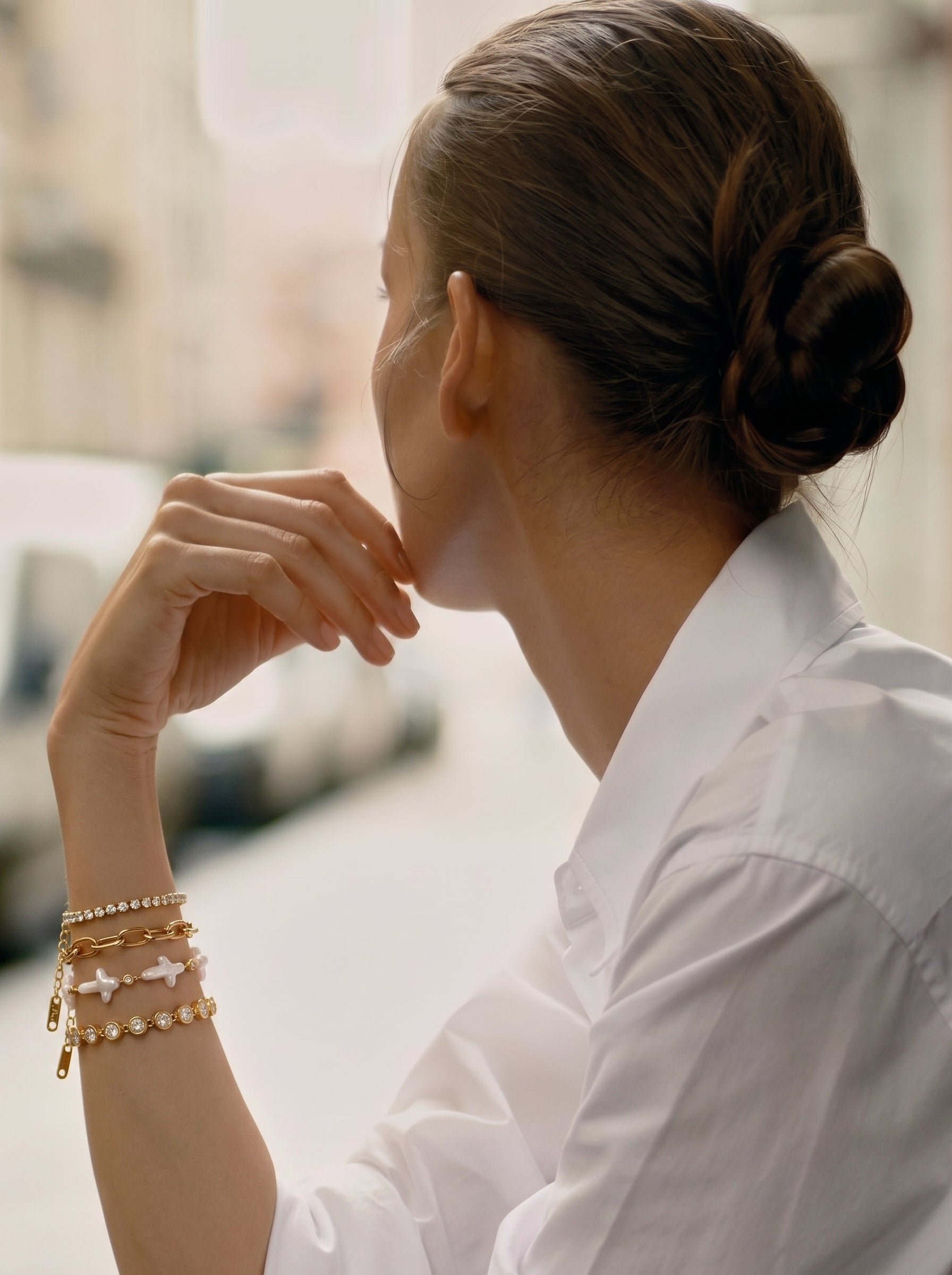
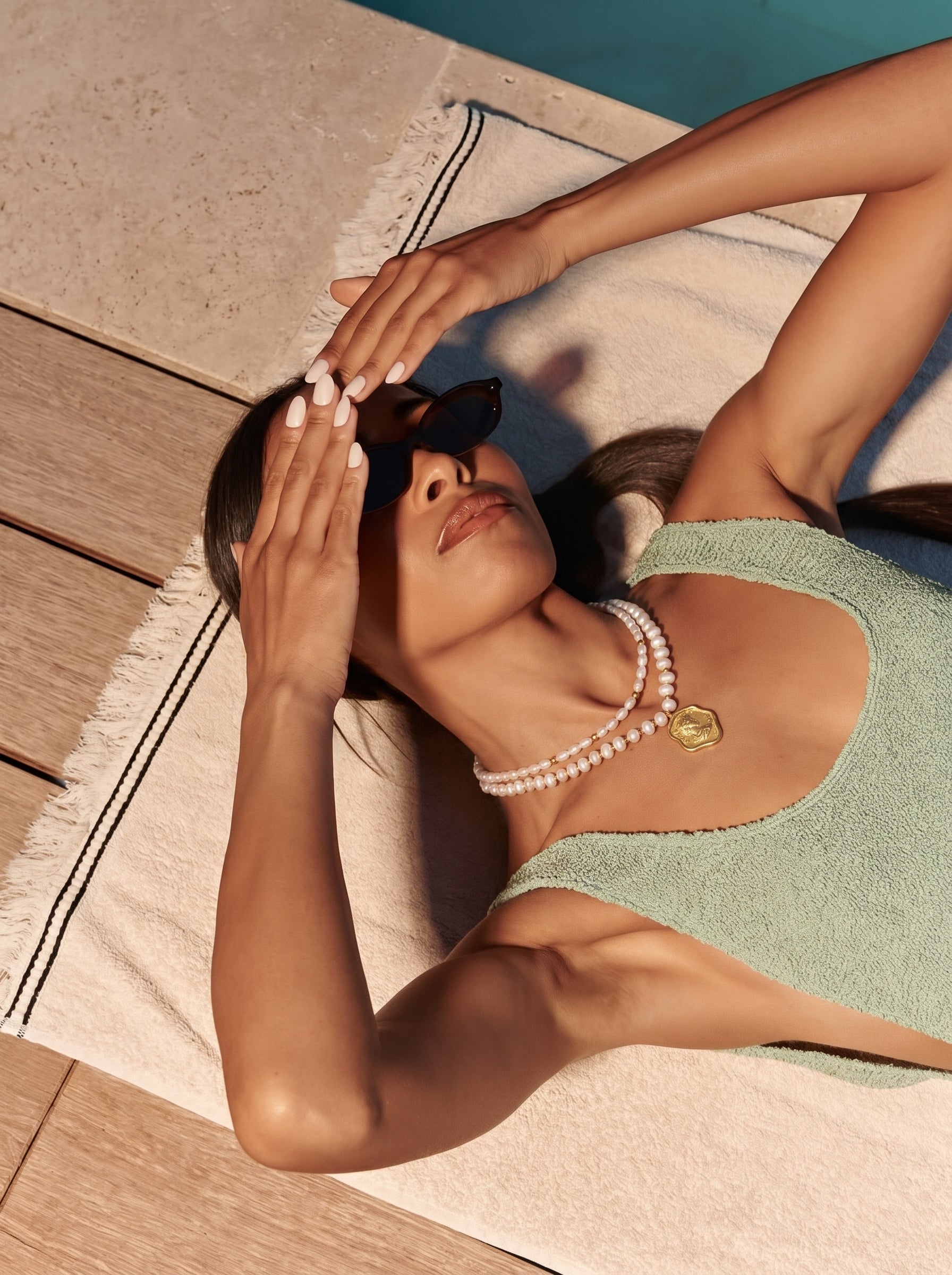
A single pearl is much easier to layer. A fine chain with one pearl sits neatly with chains of other lengths, a second pendant or a delicate choker. A full strand is bulkier and visually dominant, so it is usually worn alone, or layered only with other strands of different lengths for a deliberate, dressed-up look.
Layering tips for a single pearl:
- Vary the lengths by at least an inch or two, so each chain sits on its own line.
- Mix chain weights: pair a fine pearl chain with a slightly heavier plain chain.
- Keep metals consistent, or mix them on purpose, so the look reads as intentional.
- Use the extension chain to fine-tune where the pearl falls.

If you want the look of several pearls without a full strand, beaded and station designs sit in between. Our Sunlit Strand necklace, for example, sets 9 mm golden cultured freshwater button pearls along a 31.5-inch chain for $109. It is not a traditional knotted strand, but it gives a multi-pearl look that still layers.
Weight is the last layering consideration. A strand of dozens of pearls is noticeably heavier than a pendant on a fine chain, and adding more necklaces on top can make the whole stack pull and tangle. If you love the layered look, build it around a single pearl and keep any strand for days when it is the only necklace you wear.
Which is more formal?
A strand is more formal. A matched strand at princess or matinee length is the traditional pearl look for weddings, black tie, ceremonies and formal portraits. A single pearl can be dressed up, especially a larger saltwater pearl, but it reads as refined everyday jewelry rather than formalwear.
How to dress each one up or down:
- Single pearl, dressed up: choose a larger pearl, from about 9 mm, a precious metal setting, and wear it with an open neckline.
- Strand, dressed down: wear a shorter strand with a crisp shirt or knitwear, or tuck it under an open collar.
- For the most formal events, a strand paired with simple pearl earrings is the classic combination. Our comparison of pearl studs vs pearl drops helps you pick the earrings.
If you are weighing a pendant with diamond accents for formal wear, see pearl and diamond jewelry: is the combination worth paying for?
Which should you buy first?
Buy a single pearl necklace first. It costs less for the same pearl quality, you will wear it more often, it layers with what you already own, and it needs less maintenance. Buy a strand first only if you have a formal occasion coming up, or if you already own pendants and want the classic look they cannot give.
Whichever you choose, check the listing before you buy:
- Pearl type, named correctly. Under the FTC Jewelry Guides, a cultured pearl must be described as "cultured," and an imitation as "imitation," "simulated" or "artificial" (16 CFR §23.20).
- Any treatment. The Guides treat failure to disclose a pearl treatment as unfair or deceptive when it is not permanent, needs special care or significantly affects value (16 CFR §23.23).
- Quality, judged on GIA's 7 value factors: size, shape, color, luster, surface quality and nacre quality for both formats, plus matching for a strand.
- Chain or thread. For a strand, ask what it is strung on and whether it is knotted between pearls.
For care, GIA recommends wiping pearls with a soft cloth after wearing and advises against ultrasonic and steam cleaners. Our guide on how to clean a pearl necklace covers both pendants and strands.
Choosing your single pearl necklace or strand
Start with a single pearl necklace in a size and metal you will wear every day, then add a strand when your occasions call for it. That order gives you the most wear for your money and builds a pearl wardrobe that covers everything from the office to black tie.
From our catalog on 26 October 2026, a few single-pearl options at different budgets: the Glimpse pendant with a 10 mm round cultured freshwater pearl on stainless steel for $39; the Moonbeam necklace with a 9 mm round cultured Akoya pearl on sterling silver for $99; and the Sunbeam pendant with a cultured South Sea pearl in 18K gold for $129. For more everyday picks, see our guide to the best everyday pearl necklaces.
Browse our pearl pendant necklaces.
Which did you buy first, a single pearl or a strand, and which do you wear more?
Frequently Asked Questions
Should my first pearl necklace be a single pearl or a strand?
For most people, the first pearl necklace should be a single pearl. It costs less for the same pearl quality, goes with more outfits, layers easily and needs little maintenance. Choose a strand first only if you need a formal piece soon or already own pendants.
Is a single pearl necklace good for everyday wear?
Yes. A single pearl necklace sits neatly at the base of the throat or just below, works with most necklines and dress codes, and moves from the office to dinner. It is the easiest pearl necklace to wear every day.
How many pearls are in an 18-inch strand?
It depends on pearl size and knotting. An 18-inch strand is about 457 mm long, so with 7 mm pearls laid end to end, at most about 65 pearls fit. Knots between pearls and the clasp take up space, so the actual count is lower. Ask the seller for the exact number.
Is a pearl strand worth the money?
A pearl strand is worth the money if you will wear it often enough, typically for formal occasions, weddings or a dressier wardrobe. Its price covers dozens of pearls that must match. Divide the price by your realistic number of wears to judge the value.
Can you layer a single pearl necklace?
Yes, a single pearl necklace is one of the easiest pieces to layer. Pair it with chains at least an inch or two longer or shorter, mix chain weights, and use an extension chain to adjust where the pearl sits.
Is a pearl strand more formal than a pendant?
Yes. A matched pearl strand is the traditional pearl look for weddings, black tie and ceremonies. A single pearl pendant can be dressed up with a larger pearl and an open neckline, but it reads as refined everyday jewelry.
Does a pearl strand need more care than a pendant?
Yes. A strand is strung on thread that stretches and weakens with wear and eventually needs restringing, and GIA advises making sure the string is completely dry before wearing strung pearls after cleaning. A pendant on a chain only needs its chain, clasp and setting checked.

Leave a comment
All comments are moderated before being published.
This site is protected by hCaptcha and the hCaptcha Privacy Policy and Terms of Service apply.