


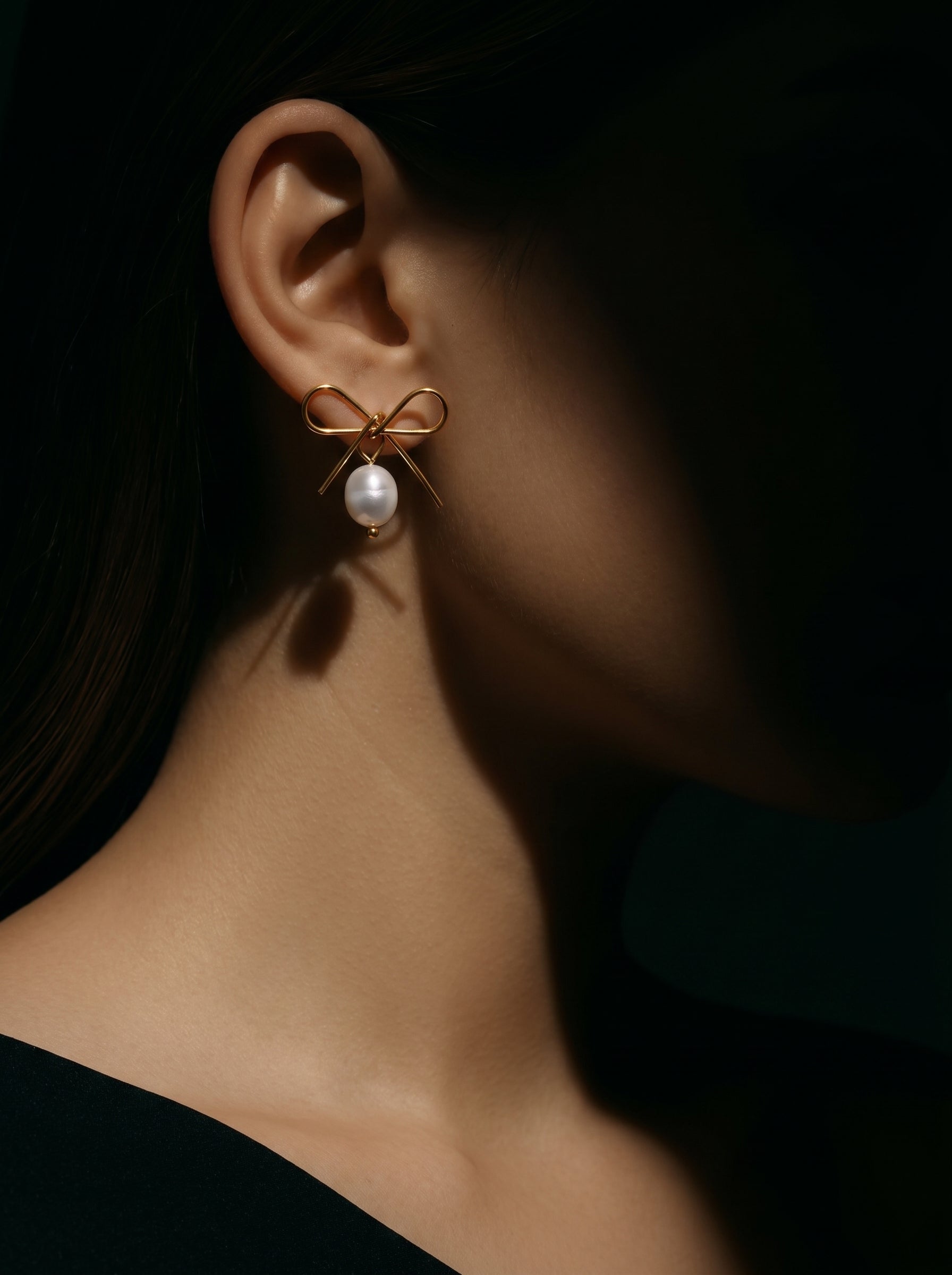





Pearl Terminology and the Law: What Sellers Must Legally Call a Pearl
Table des matières
- The Legal Framework Governing Pearl Advertising
- 1. Legal Definition of a Pearl Under FTC 16 CFR §23.20
- 2. The 'Cultured' Mandate: FTC 16 CFR §23.21 & §23.25 Regulations
- 3. Non-Nacre Rules: Labeling Faux Pearl Jewelry and Synthetic Materials
- 4. Geographic & Species Disclosure: FTC 16 CFR §23.24 Standards
- 5. Disclosure of Pearl Treatments: FTC 16 CFR §23.23 Guidelines
- 6. Buyer Rights & How to Report Unlawful Pearl Advertising
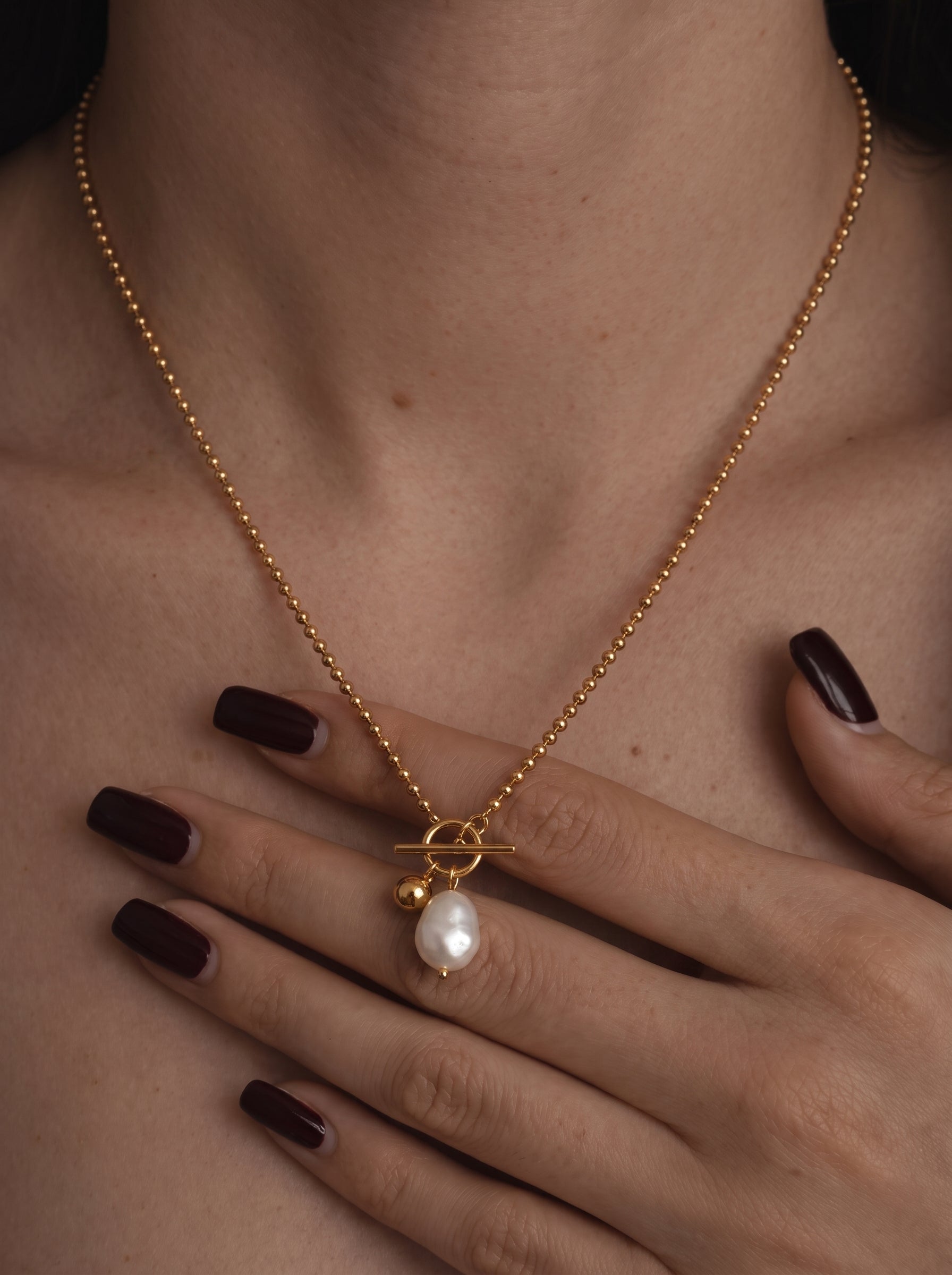
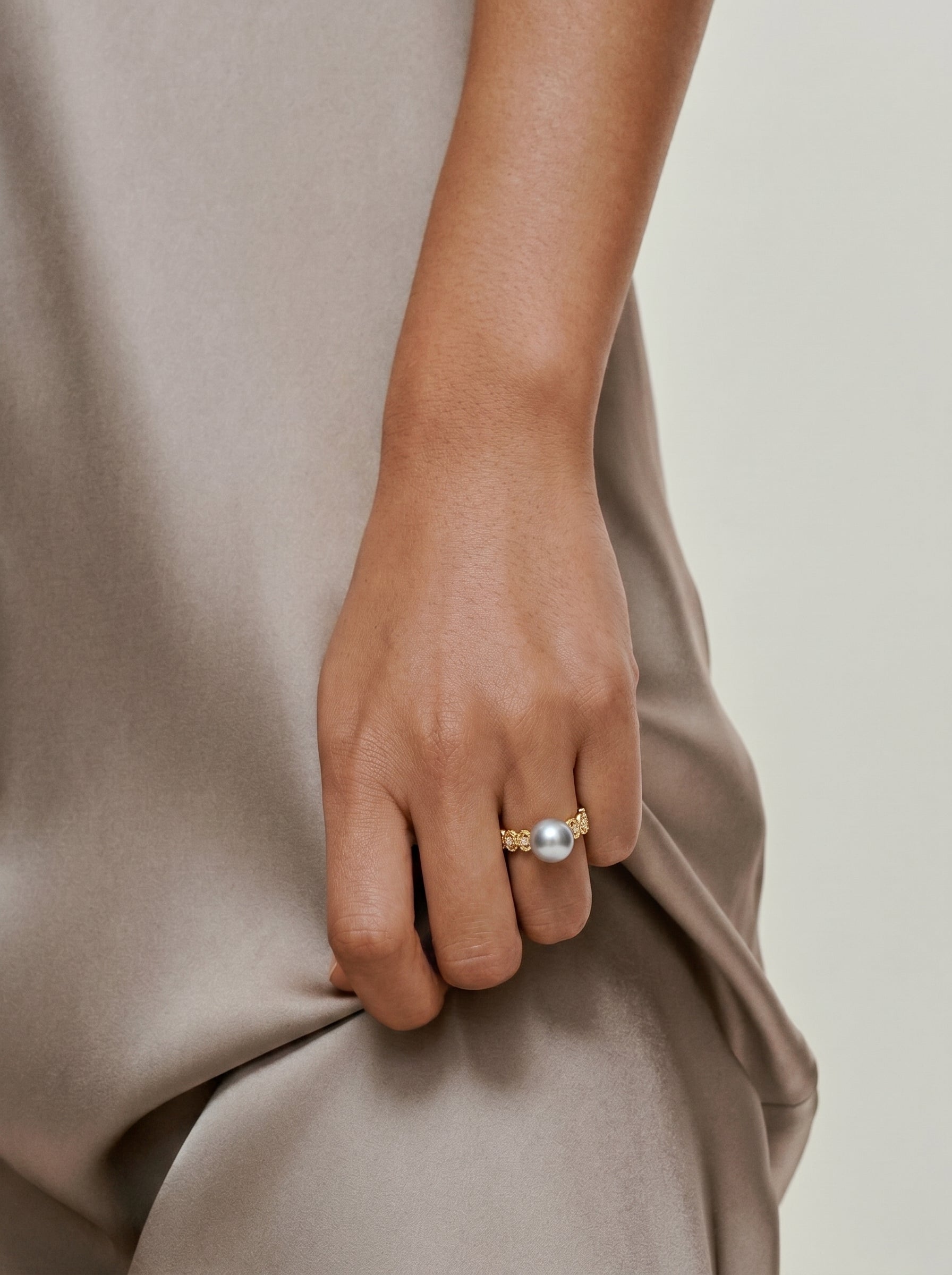
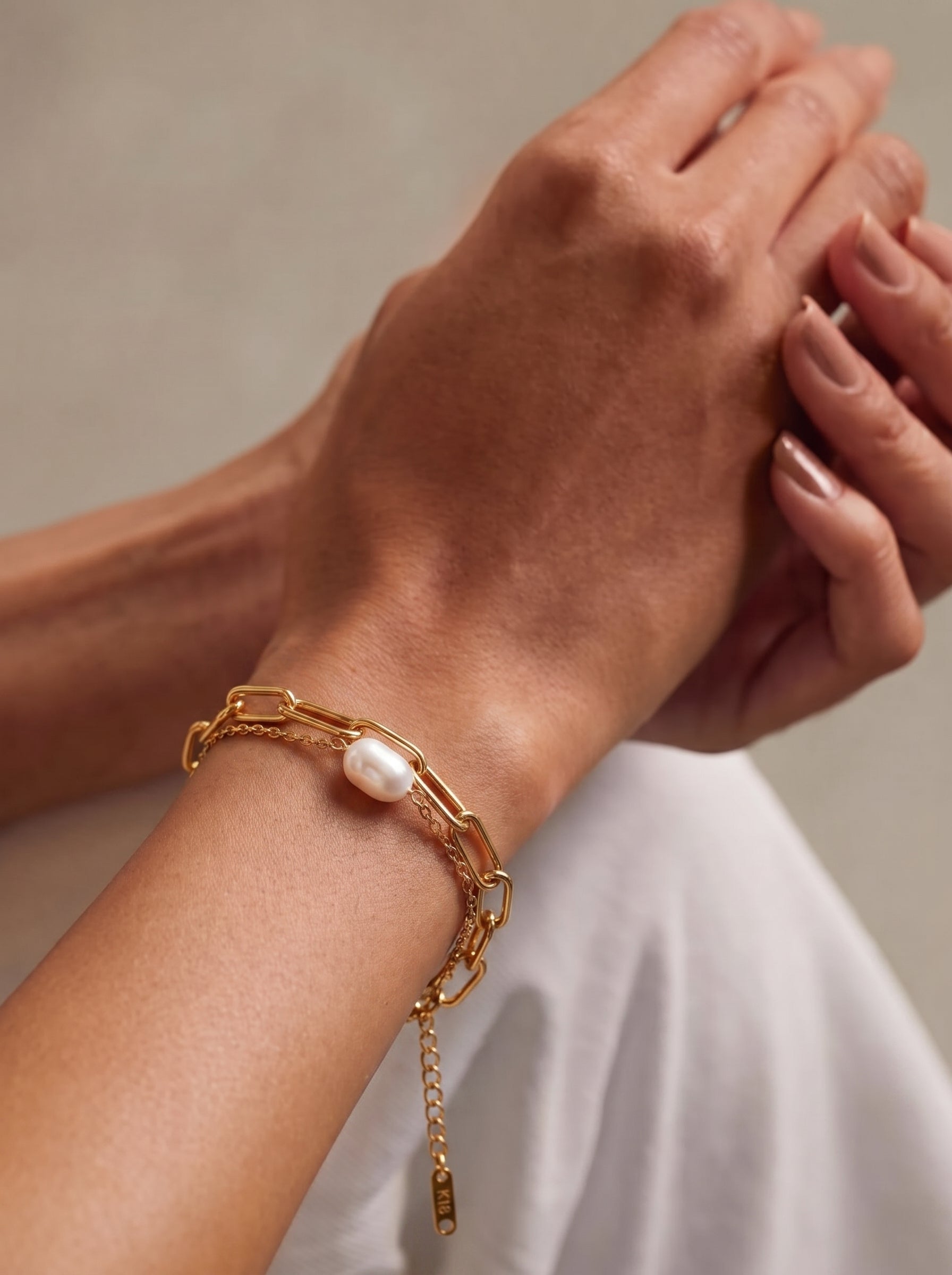
Navigating the intricate world of pearl terminology requires a clear understanding of legal definitions, especially when it comes to distinguishing between natural gems, cultivated varieties, and man-made alternatives like imitation pearl jewellery. This comprehensive guide will help you understand the crucial distinctions between genuine pearls, cultured pearls, and various forms of faux pearl jewelry, ensuring you make informed purchases. Under federal law, non-molluscan creations made of glass, plastic, or shell powder sold as faux pearl jewelry cannot legally be labeled simply as "pearls" without clear qualifiers like "imitation" or "faux." Cultured pearls grown in live mollusks with human intervention must explicitly state "cultured" with equal prominence, reserving the plain word "pearl" exclusively for natural, unassisted oceanic growth. The Federal Trade Commission strictly enforces these naming standards under FTC 16 CFR §23.20 through §23.25 to prevent commercial deception and ensure consumers understand the true value of their purchase.
The Legal Framework Governing Pearl Advertising
When purchasing fine jewelry online, consumers rely on product descriptions to understand whether they are buying rare oceanic gems, cultivated organic pearls, or man-made glass beads. In the United States, the legal definitions governing pearl advertising are established by the Federal Trade Commission (FTC) under 16 CFR Part 23: Guides for the Jewelry, Precious Metals, and Pewter Industries.
These federal regulations exist under Section 5 of the FTC Act (15 U.S.C. § 45), which makes unfair or deceptive acts or practices in commerce illegal. Internationally, trade standards are harmonized by the World Jewellery Confederation (CIBJO) through the CIBJO Pearl Book. Understanding these mandatory legal boundaries protects consumers from paying gem-grade prices for synthetic plastic beads or mislabeled cultivated strands.
1. Legal Definition of a Pearl Under FTC 16 CFR §23.20
Under FTC 16 CFR §23.20, it is an unfair or deceptive trade practice to use the word "pearl" without qualification to describe any item that was not completely formed naturally inside a wild mollusk. The unadorned noun "pearl" is legally restricted strictly to wild, unassisted organic nacre secretions.

The Biological Boundary: Natural Growth vs Human Intervention
The federal law establishes a strict biological distinction between natural pearls and cultured pearls based entirely on human intervention. According to FTC 16 CFR § 23.20(b):
"A pearl is the natural nacreous secretion of a living mollusk. A pearl is formed by a living mollusk by the secretion of nacre around an intruding object or substance without human assistance."
Because natural wild pearls form spontaneously when a microscopic parasite or irritant enters an oyster in the open ocean without human help, they are extraordinarily rare. According to gemological research from the Gemological Institute of America (GIA), less than 1 in 10,000 wild oysters produces a gem-quality natural pearl. Consequently, true natural pearls form an auction-only luxury category.
Why Unadorned "Pearl" Is Reserved Exclusively for Wild Oceanic Gems
Under FTC 16 CFR § 23.20(a), any seller who lists a cultured pearl simply as a "pearl" on an e-commerce website or product tag commits illegal deceptive advertising:
"It is an unfair or deceptive trade practice to use the unqualified word 'pearl' or any other word or term of similar import to describe, identify, or refer to any object or product which is not in fact a pearl as defined herein."
To maintain transparency, online jewelers must disclose whether a pearl is natural, cultured, or synthetic in every listing.
2. The 'Cultured' Mandate: FTC 16 CFR §23.21 & §23.25 Regulations
Under FTC 16 CFR §23.21 and §23.25, any pearl produced through human insertion of a nucleus into a mollusk must legally be described as a "cultured pearl," with the word "cultured" displayed in identical font size, weight, and prominence as "pearl."
The Equal Prominence Rule: Font Size, Weight, and Placement
A central requirement of federal jewelry law is the "Equal Prominence" rule set forth in FTC 16 CFR § 23.20(c):
"It is an unfair or deceptive trade practice to use the word 'pearl' to describe, identify, or refer to a cultured pearl unless such word is immediately preceded, with equal conspicuousness, by the word 'cultured'."
This legal mandate prevents sellers from printing "PEARL" in large bold lettering while hiding "cultured" in tiny font, fine print, or buried drop-down menus. To comply with federal law, if a listing title reads "14K Gold Pearl Necklace," it must explicitly state "14K Gold Cultured Pearl Necklace" with equal visual visibility. Understanding this rule helps consumers grasp true cultured pearls meaning when shopping online.
Seed Pearls and Composite Nacre Disclosures
The regulations further restrict terms surrounding specific pearl formats under FTC 16 CFR § 23.21(c):
"It is an unfair or deceptive trade practice to use the term 'seed pearl' or any word of similar import to describe, identify, or refer to any cultured pearl or imitation pearl."
Legally, "seed pearl" is reserved for tiny natural pearls weighing under 1/4 grain (approx. 0.05 carats). Using "seed pearl" to describe small synthetic beads or cultured freshwater pearls violates federal guidelines.
3. Non-Nacre Rules: Labeling Faux Pearl Jewelry and Synthetic Materials
Under FTC 16 CFR §23.20(b), items containing plastic, glass, coated beads, or crushed shell powder sold as imitation pearl jewellery must explicitly feature word modifiers such as "imitation," "simulated," "artificial," or "faux" immediately preceding the word pearl. This section delves into the specific regulations governing the labeling of faux pearl jewelry and other synthetic materials, including how to identify true imitation pearl jewellery.

Mandatory Modifiers for Imitation Pearl Jewellery and Glass Beads
Sellers offering synthetic accessories must clearly distinguish man-made creations from organic nacre gems. Any item crafted from lacquer-coated glass, acrylic, plastic resin, or compressed alabaster must be unambiguously described as imitation pearl jewellery, faux pearl jewelry, or simulated pearls.
Selling glass or plastic items under marketing labels like "fake pearl jewelry" or "faux pearl jewelry" is acceptable under FTC guidelines only when the words "fake" or "faux" are plainly visible to the buyer. However, marketing synthetic glass beads as "real pearls" or "genuine pearls" constitutes a direct violation of FTC 16 CFR § 23.22(b):
"It is an unfair or deceptive trade practice to use the word 'real' or 'genuine' to describe an imitation pearl or cultured pearl."
Deceptive Trade Names: Why Geographic Modifiers Require Qualifiers
Throughout commercial history, manufacturers created brand terms to sell stylish imitation pearl jewellery under sophisticated names. Traditional commercial terms like "Majorca pearl," "Roman pearl," or "Parisian pearl" refer to glass or enamel beads dipped in essence d'orient (fish scale guanine lacquer).
Under FTC regulations, using geographic brand terms without the word "imitation" is illegal. An online seller offering synthetic glass beads cannot legally title a product an "imitation pearl necklace" while omitting the modifier "imitation." The title must explicitly state "Majorca Imitation Pearl Necklace" to ensure consumers are not deceived.
Genuine Mother of Pearl vs Coated Nacre Imitations
Another critical distinction in jewelry law involves genuine mother of pearl. Mother-of-pearl refers to the smooth, iridescent inner nacre lining of a mollusk shell (Pinctada or Hyriopsis species).
Under FTC guidelines, sellers may legally use the term "genuine mother of pearl" to describe solid shell inlay carved from actual mollusk shells. However, crushed shell powder bound with plastic resin and molded into spheres cannot be called "mother of pearl", it must be labeled as an imitation shell bead.
4. Geographic & Species Disclosure: FTC 16 CFR §23.24 Standards
Under FTC 16 CFR §23.24, geographic designations such as "South Sea" or species terms like "Oriental" may only be used when pearls strictly originate from those verified geographical regions or specific biological mollusk species.
The Legal Definition of "Oriental Pearl"
Historically, the term "Oriental Pearl" held high prestige in fine jewelry. To protect consumers from misleading historical claims, FTC 16 CFR § 23.24(a) restricts this term to a narrow origin:
"It is an unfair or deceptive trade practice to use the term 'Oriental pearl' or any word of similar import to describe, identify, or refer to any cultured pearl, or to any natural pearl that does not originate from the saltwater mollusks of the Persian Gulf, the Red Sea, or the Gulf of Mannar."
Under federal law, no cultured pearl, regardless of species or origin, can ever be legally described as an "Oriental pearl."
South Sea Pearl Geographic Boundaries and Oyster Species Requirements
Similarly, South Sea pearls command premium market valuations due to their large size (9mm to 20mm) and thick nacre layers. According to FTC 16 CFR § 23.24(b):
"It is an unfair or deceptive trade practice to use the term 'South Sea pearl' to describe, identify, or refer to any pearl or cultured pearl that does not originate from the saltwater mollusk Pinctada maxima grown in the South Seas region."
Sellers cannot legally describe large freshwater pearls or Chinese cultured pearls as "South Sea pearls." Doing so violates federal trade guidelines.
5. Disclosure of Pearl Treatments: FTC 16 CFR §23.23 Guidelines
Under FTC 16 CFR §23.23, sellers must disclose all artificial treatments, including gamma-ray irradiation, chemical dyeing, surface coating, or heat treatment, that permanently alter a pearl's natural color or luster prior to consumer purchase.
Dyeing and Irradiation: Identifying Treated Black Pearls
Natural black pearls produced naturally by the Pinctada margaritifera oyster in Tahiti possess natural dark gray, peacock green, or eggplant undertones. However, lower-cost freshwater pearls are frequently subjected to silver nitrate chemical dyeing or gamma-ray irradiation to turn them dark charcoal black.
Under FTC 16 CFR § 23.23(b), failing to inform buyers of color treatments is illegal:
"It is an unfair or deceptive trade practice to fail to disclose that a pearl, cultured pearl, or imitation pearl has been treated by dyeing, irradiation, coating, or any other means to alter its color, luster, or surface appearance."
An online retailer selling artificially darkened freshwater strands must explicitly label them as "Dyed Black Cultured Freshwater Pearls."
Bleaching, Pinking, and CIBJO Treatment Classification Standards
In standard commercial processing, nearly all white Akoya cultured pearls undergo mild routine washing, bleaching in hydrogen peroxide, and optional "pinking" (a subtle eosin dye soak) to homogenize nacre tone.
The International Jewelry Confederation (CIBJO) classifies these standard post-harvest enhancements under CIBJO Pearl Book Section 5 as acceptable industry procedures, provided they do not coat or compromise the underlying crystalline nacre structure. However, heavy polymer coating, acid polishing, or color infusions must be fully disclosed on invoice records.
6. Buyer Rights & How to Report Unlawful Pearl Advertising
Consumers deceived by mislabeled imitation pearl jewellery or undisclosed treatments can file formal complaints with the Federal Trade Commission under Section 5 of the FTC Act and contact state Attorneys General for deceptive trade practice enforcement.
Consumer Red Flags and Sales Invoice Audit Checklist
When purchasing an imitation pearl necklace or a fine cultured pearl strand, review the seller's documentation carefully:
Missing Modifier: The title says "Real Pearl Strand," but the fine print reveals it is a cultured freshwater pearl. (Violation of §23.20 & §23.22).
Deceptive Synthetic Terms: The item is described as a "Glass Organic Pearl" without the word "Imitation." (Violation of §23.20(b)).
Hidden Color Dyeing: Black pearls sold as "Tahitian Black Pearls" are actually dyed freshwater pearls. (Violation of §23.23 & §23.24).
Vague Certificates: The seller provides an in-house "Certificate of Guarantee" that lacks GIA gemological standards or official FTC terminology.
Filing Complaints with the FTC and State Attorneys General
If an online jeweler refuses to refund a purchase that violates FTC Part 23 guidelines, buyers have clear administrative remedies:
Federal Trade Commission: File an official fraud report at ReportFraud.ftc.gov citing 16 CFR Part 23 violations.
State Attorney General: Submit a deceptive trade practices complaint to the consumer protection division of your state Attorney General's office.
Credit Card Chargebacks: Provide the credit card issuer with FTC Part 23 statutory guidelines showing the merchant delivered mislabeled goods.
At Grande Lilith, every listing describes cultured pearls as cultured and states any treatment. Every pearl in our fine jewelry collection is explicitly certified as a genuine AAA cultured pearl, accompanied by solid 14K or 18K gold hallmarks and full disclosure of origin and care specifications.
Trusted by Pearl Enthusiasts Worldwide
Our commitment to transparency and quality is reflected in the feedback from our valued customers. We pride ourselves on providing not just beautiful pearl jewellery, but also the assurance of ethical and legally compliant sourcing.
"I was searching for a genuine cultured pearl necklace and found Grande Lilith. Their detailed product descriptions and adherence to FTC standards gave me complete confidence. The necklace is exquisite!" - Emily R.
"Finally, a brand that truly educates its customers! Understanding the difference between real pearls, cultured pearls, and imitation pearl jewellery has been invaluable. My latest purchase is a testament to their exceptional standards." - Mark T.
Explore Our Pearl Collections
Understanding the legal distinctions for imitation pearl jewellery, cultured pearls, and genuine mother of pearl empowers you to make informed choices. Dive into our exquisite collection of ethically sourced and meticulously labeled pearl jewellery.
Browse our full range of cultured pearl necklaces, earrings, and bracelets, or contact us to learn more about our commitment to quality and transparency.
Frequently Asked Questions About Pearl Terminology and Laws
What can legally be called a pearl under federal law?
Under FTC 16 CFR §23.20, only natural pearls formed inside wild mollusks without human assistance can legally be called an unqualified "pearl." Cultured pearls grown with human assistance must include the word "cultured" with equal prominence, and non-molluscan creations must be labeled as imitation pearl jewellery or faux pearls.
When must the word "cultured" appear in pearl advertising?
Under FTC 16 CFR §23.21 and §23.25, the word "cultured" must immediately precede "pearl" with equal font size, color, and conspicuousness whenever describing pearls produced through human intervention.
Is "faux pearl" or "imitation pearl" a legal description?
Yes. Under FTC 16 CFR §23.20(b), man-made items containing glass, plastic, or coated shell powder must feature clear modifiers such as "imitation," "simulated," or "faux" preceding the word pearl.
Must pearl color treatments and dyeing be disclosed to buyers?
Yes. Under FTC 16 CFR §23.23, sellers are legally required to disclose artificial treatments such as chemical dyeing, irradiation, or surface coating prior to sale.
What is the legal definition of genuine mother of pearl?
Under FTC guidelines, "genuine mother of pearl" refers to the solid nacreous lining of a mollusk shell, used for carvings or inlays. It cannot be used to describe crushed shell powder bound with resin or other imitation materials, which must be labeled as imitation shell beads.
How can I distinguish a high-quality imitation pearl necklace from genuine pearls?
pearls. While a high-quality imitation pearl necklace can look convincing, genuine pearls (natural or cultured) will often have subtle irregularities, a gritty texture when rubbed against your teeth, and a unique luster. Imitation pearls, often made of glass or plastic, tend to be perfectly smooth, uniformly shaped, and feel lighter or colder. Always check for clear labeling, as required by FTC regulations, to confirm if you are purchasing imitation pearl jewellery or genuine pearls.
Read more

Protect your investment when buying pearls online. Explore our 2026 guide covering 8 listing red flags, verbatim FTC disclosure laws, and seller verification checklists.

Wondering how to tell if real pearl earrings are authentic? Discover 4 gemologist-proven physical tests for mounted stud earrings, learn to read 14K/18K gold post hallmarks, and evaluate realistic ...
Leave a comment
All comments are moderated before being published.
This site is protected by hCaptcha and the hCaptcha Privacy Policy and Terms of Service apply.