




Akoya Pearls vs Freshwater Pearls : A Straight Comparison on 9 Factors
Table des matières
- Master 9-Factor Comparison Matrix: Akoya vs Freshwater at a Glance
-
The 9 Comparison Factors Explained in Gemological Detail
- Factor 1: Origin & Oyster Species (Saltwater vs Freshwater)
- Factor 2: Nucleation Method (Bead-Nucleated vs Tissue-Nucleated)
- Factor 3: Luster Quality & Reflection Sharpness (Mirror Ball vs Satin Glow)
- Factor 4: Nacre Thickness & Composition (0.4mm Shell vs 100% Solid Nacre)
- Factor 5: Roundness & Shape Tolerance (Spherical Perfection vs Natural Variances)
- Factor 6: Color Spectrum & Overtones (Rosé Overtones vs Natural Pastels)
- Factor 7: Size Availability (5.0mm–9.5mm vs 3.0mm–15.0mm+)
- Factor 8: Price & Value Benchmark (The $300 vs $1,800 Price Gap)
- Factor 9: Durability & Daily Wear Longevity
- Pearl Grading: Understanding Quality in Akoya vs Freshwater Pearls
- Styling Your Pearls: Akoya vs Freshwater Pearl Jewelry
- The Environmental and Ethical Landscape of Cultured Pearls
-
The Verdict: Which Pearl Should You Choose? (Use-Case Guide)
- 1. Best for Weddings & Formal Gala Events: Winner — Akoya
- 2. Best for Everyday Casual Wear & Office Jewelry: Winner — Freshwater
- 3. Best Value for a First Pearl Necklace Gift: Winner — AAA Freshwater
- 4. Best for Unique & Modern Designs: Winner — Freshwater
- 5. Best for Heirloom Investment: Winner — Akoya (with proper care)
The primary difference between akoya pearls vs freshwater pearls lies in origin, nucleation, and luster. Akoya pearls are saltwater gems bead-nucleated in Pinctada fucata oysters, offering crisp, mirror-like reflection and perfectly round shapes. Freshwater pearls are tissue-nucleated in Hyriopsis cumingii mussels, producing solid, durable nacre with a softer satin glow at a lower price point.
Comparing akoya pearls vs freshwater pearls is the most critical decision for any pearl buyer. While both produce stunning jewelry, their biological origins, nacre composition, mirror luster, and price points create two fundamentally different gem experiences. Understanding these distinctions is key to choosing the pearl that best suits your needs and budget, whether you're drawn to the classic elegance of saltwater vs freshwater pearls or the unique characteristics of cultured vs freshwater pearls.
Akoya Pearls vs Freshwater Pearls: The Ultimate 9-Factor Comparison Guide
Delving into the world of pearls, the choice between Akoya and freshwater varieties is perhaps the most fundamental. Both are exquisite, natural wonders, yet they offer distinct aesthetics, values, and experiences. This comprehensive guide will meticulously compare akoya pearls vs freshwater pearls across nine critical gemological factors, providing you with all the information needed to make an informed decision for your next pearl purchase. We'll explore everything from their origins and unique culturing processes to their luster, durability, and price points, ensuring you understand the nuanced beauty each type of pearl offers.
Master 9-Factor Comparison Matrix: Akoya vs Freshwater at a Glance
Comparing akoya pearls vs freshwater pearls requires evaluating origin, nucleation, luster, nacre, roundness, color, size, price, and durability. Akoya pearls excel in mirror-like reflection and perfect roundness, costing $1,800 to $2,500 for a AAA 7-7.5mm strand. Freshwater pearls offer 100% solid nacre durability and natural pastel colors at $300 to $450. This matrix provides a quick overview of the key differences between these two beloved pearl types.

The 9 Comparison Factors Explained in Gemological Detail
Gemological evaluation of akoya pearls vs freshwater pearls centers on biological nucleation and aragonite crystal density. Bead nucleation grants Akoya pearls roundness and intense mirror reflection, while tissue nucleation makes freshwater pearls solid nacre. This section dives deeper into each factor, providing a clearer understanding of the unique qualities that set Akoya and freshwater pearls apart.
Factor 1: Origin & Oyster Species (Saltwater vs Freshwater)
Akoya pearls are cultured in the small saltwater oyster Pinctada fucata martensii, grown in sheltered marine bays in Japan and southern China. The saltwater marine environment exposes the oyster to natural ocean plankton and seasonal water temperature shifts. Japan remains the spiritual home of Akoya pearl cultivation, renowned for producing the highest quality Akoya pearls with exceptional luster. These saltwater pearls are prized for their classic elegance and historical significance. For more about their distinct beauty, explore our Akoya Pearl Collections.
In contrast, freshwater pearls are cultured in the large freshwater mussel Hyriopsis cumingii (the triangular sail mussel) and its hybrids, farmed in inland lakes and rivers across Zhejiang Province. A single freshwater mussel can nurture up to 32 pearls simultaneously, whereas an Akoya oyster yields only 1 to 2 pearls per harvest. China's freshwater pearl industry has revolutionized the market, offering a vast array of shapes, sizes, and colors, making freshwater pearls incredibly versatile and accessible. The distinction between saltwater vs freshwater pearls is fundamental to their characteristics.
Factor 2: Nucleation Method (Bead-Nucleated vs Tissue-Nucleated)
Nucleation defines how the pearl forms inside the host mollusk:
Akoya Pearls (Bead-Nucleated): A technician inserts a perfectly round mother-of-pearl bead nucleus harvested from American mussel shell, accompanied by a small piece of donor mantle tissue. The oyster secretes nacre in concentric layers around this round bead. The bead nucleus in Akoya pearls acts as a template, guiding the oyster to produce pearls with exceptional roundness and a high degree of uniformity, which is a hallmark of Akoya quality.
Freshwater Pearls (Tissue-Nucleated): Technicians insert only tiny 1mm mantle tissue squares without a hard inner bead. As a result, standard freshwater pearls are composed of 100% solid aragonite nacre from core to surface. The absence of a bead in freshwater pearls results in a unique, solid nacre composition, contributing to their remarkable durability and often a softer, more organic appearance. This solid nacre is a key advantage when comparing akoya pearls vs freshwater pearls for longevity. Learn more about the benefits of solid nacre pearls.
Factor 3: Luster Quality & Reflection Sharpness (Mirror Ball vs Satin Glow)
Luster is the most noticeable visual distinction between Akoya and freshwater pearls.
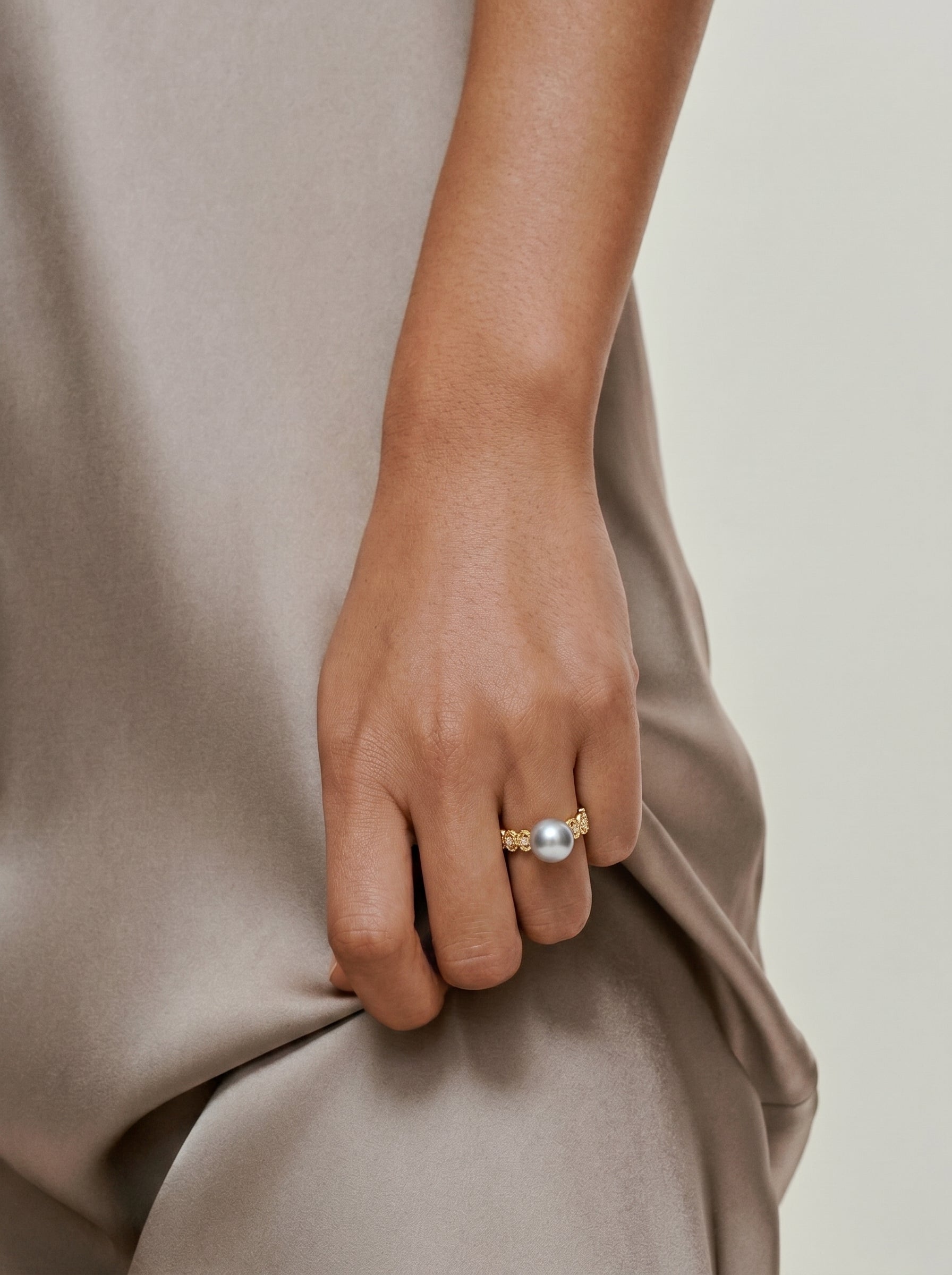
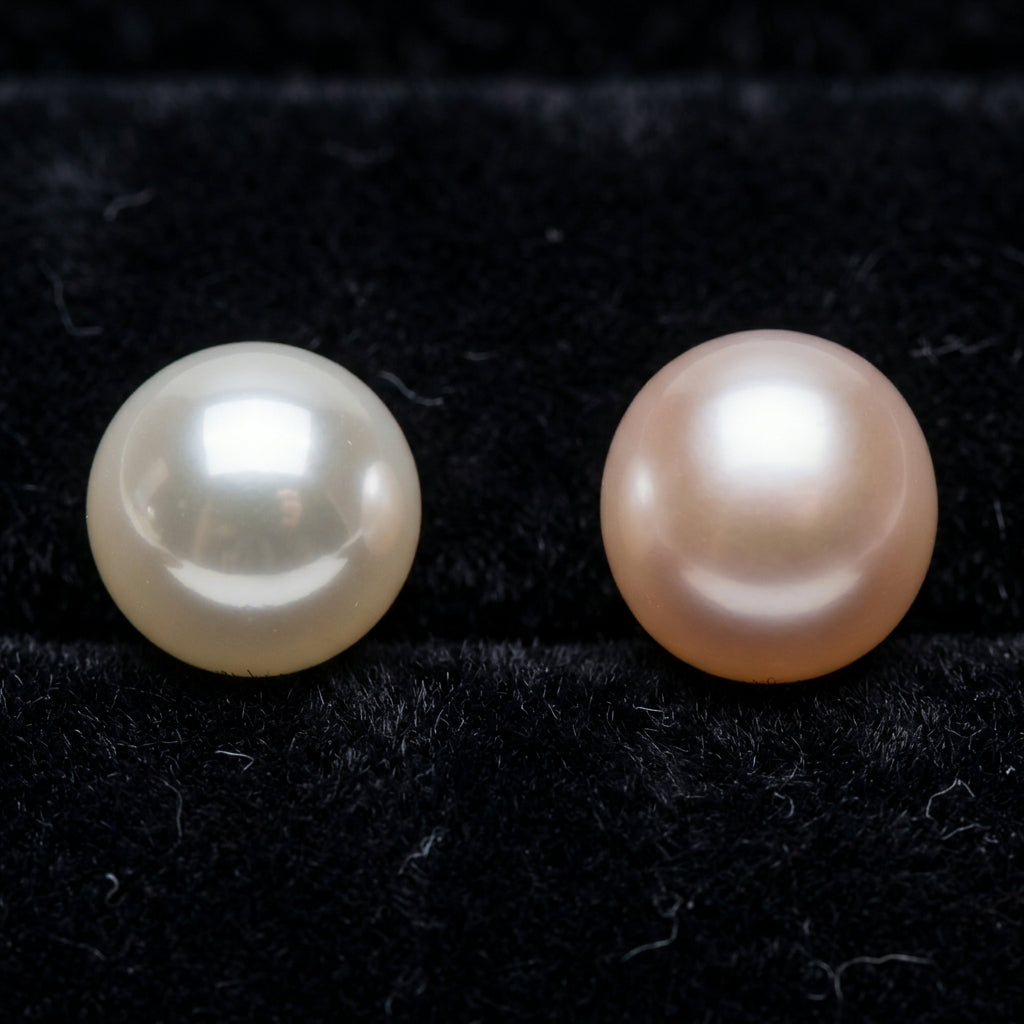
Akoya Mirror Luster: Akoya pearls are harvested in late autumn and winter when ocean temperatures drop. The cold water slows nacre deposition, causing the oyster to lay down ultra-thin, tightly packed aragonite crystal sheets. This tight crystal alignment produces intense, glass-sharp reflection—you can clearly see your face reflected on an Akoya pearl. This characteristic mirror-like luster is what gives Akoya pearls their iconic, high-end appeal, making them the preferred choice for classic, elegant jewelry.
Freshwater Satin Glow: Freshwater pearls deposit nacre year-round in warmer lake waters, producing thicker aragonite layers with slightly broader light dispersion. This creates a soft, deep satin glow rather than a sharp mirror reflection. While not as sharp as Akoya, the satin glow of freshwater pearls offers a beautiful, diffused luminescence that is often described as more inviting and natural, making them incredibly versatile for various styles.
Factor 4: Nacre Thickness & Composition (0.4mm Shell vs 100% Solid Nacre)
Nacre thickness determines long-term structural integrity:
Akoya Nacre Depth: Under GIA and Pearl Science Laboratory (PSL) standards, top-grade Akoya pearls feature a nacre coating measuring 0.4 mm to 0.6 mm per side over the inner bead nucleus. This thin, yet incredibly dense, nacre layer of Akoya pearls is responsible for their intense luster, but also necessitates careful handling to preserve their delicate beauty over decades.
Freshwater Nacre Depth: Because standard freshwater pearls lack an inner bead nucleus, they consist of 100% solid nacre (approx. 3.0 mm to 5.0 mm of pure nacre). The 100% solid nacre of freshwater pearls makes them exceptionally durable and resistant to chipping or peeling, offering peace of mind for daily wear. This solid composition is a significant factor when considering the long-term wear of akoya vs freshwater pearl jewelry.

Factor 5: Roundness & Shape Tolerance (Spherical Perfection vs Natural Variances)
Because Akoya pearls grow over a spherical bead nucleus, over 95% of harvested Akoya pearls are nearly perfectly round. This high spherical yield makes Akoya pearls the benchmark choice for classic, perfectly matched pearl necklaces. The demand for perfectly spherical pearls has historically driven the value of Akoya pearls, symbolizing classic beauty and uniformity.
Freshwater pearls, growing organically around soft tissue fragments, exhibit far higher shape variation. Only about 5% of a freshwater harvest produces near-round or round pearls. The remaining harvest yields off-round, button, drop, oval, and baroque pearls. While freshwater pearls offer a broader array of shapes, including unique baroques, their round varieties are still highly sought after for their organic charm and solid nacre. The shape variance is a key differentiator between akoya vs freshwater pearls.
Factor 6: Color Spectrum & Overtones (Rosé Overtones vs Natural Pastels)
Akoya Color Palette: Akoya pearls feature a classic bodycolor spectrum of white, cream, and silver-blue, enhanced by secondary translucent optical overtones—most notably pink ("rosé") and silver. These subtle, yet captivating, overtones contribute to the sophisticated allure of Akoya pearls, making them a timeless choice for traditional pearl jewelry.
Freshwater Color Palette: Freshwater mussels naturally produce a broad pastel spectrum without artificial dyes. Natural bodycolors include blush pink, peach, salmon, warm copper, and lavender, in addition to pure white. The natural pastel hues of freshwater pearls, from delicate lavenders to vibrant peaches, offer a versatile palette for diverse jewelry designs and personal expression. This wide natural color range is a major advantage of freshwater pearls.
Factor 7: Size Availability (5.0mm–9.5mm vs 3.0mm–15.0mm+)
Due to the small size of the Pinctada fucata oyster, commercial Akoya pearls range from 5.0 mm to 9.5 mm, with pearls above 9.0 mm being exceptionally rare. This limited size range is part of what makes larger Akoya pearls so valuable and exclusive.
Freshwater mussels are significantly larger, accommodating larger nucleation sizes. Standard freshwater pearls range from 3.0 mm seed pearls up to 11.0 mm, while modern bead-nucleated Edison freshwater pearls can reach 15.0 mm to 18.0 mm in diameter. Modern advancements in freshwater pearl farming, particularly with Edison pearls, have pushed the boundaries of size, offering impressive, substantial pearls that rival the size of South Sea pearls at a fraction of the cost. This makes freshwater pearls an excellent choice for those seeking larger statement pieces.
Factor 8: Price & Value Benchmark (The $300 vs $1,800 Price Gap)
Price represents the single largest commercial barrier between the two varieties. The table below compares current 2026 market retail prices for equivalent 18-inch necklace strands. The significant price disparity between akoya pearls vs freshwater pearls stems from several factors, including lower harvest yields for Akoya, longer cultivation times, and the specialized marine environments required. Freshwater pearls, with their higher yield and faster growth, offer exceptional value.
Factor 9: Durability & Daily Wear Longevity
Durability favors freshwater pearls in daily wear scenarios. Because a freshwater pearl is 100% solid nacre, it cannot peel, flake, or expose an inner core if accidentally knocked or worn against rough clothing. The inherent resilience of freshwater pearls makes them an ideal choice for everyday wearers and those with active lifestyles, offering robust beauty that stands the test of time.
Akoya pearls, while durable, feature a thinner nacre shell over a solid bead. If exposed to acidic skin oils, perfume, swimming pool chlorine, or abrasive friction over decades, the outer nacre layer can eventually wear thin. Akoya pearls require careful maintenance—wiping them with a soft cloth after every wear and avoiding chemicals. With proper care, both Akoya and freshwater pearls can last for generations, but the solid nacre of freshwater pearls provides a slight edge in terms of resistance to superficial damage. For comprehensive advice, consult our Pearl Care Guide.
Pearl Grading: Understanding Quality in Akoya vs Freshwater Pearls
Beyond the fundamental differences in their origin and formation, the quality grading of Akoya pearls vs freshwater pearls also impacts their value and appeal. While both use similar criteria like luster, surface quality, shape, color, and size, the standards and terminology can vary.
Akoya Pearl Grading: Akoya pearls are often graded using systems like AAA, AA, and A, with AAA representing the highest quality with exceptional luster, near-perfect roundness, and minimal surface blemishes. The most coveted Akoya pearls carry the 'Hanadama' certification from the Pearl Science Laboratory of Japan, signifying top 0.1% quality with truly exceptional luster and surface perfection.
Freshwater Pearl Grading: Freshwater pearls also use similar letter grades (AAA, AA+, AA, A). A AAA freshwater pearl will exhibit excellent luster, near-round shape (though rarely perfectly spherical), and very clean surfaces. For larger, bead-nucleated freshwater varieties, like Edison pearls, their grading often emphasizes their unique metallic luster and vibrant natural colors. Understanding these grading nuances is crucial when evaluating the true quality of akoya vs freshwater pearls.
Styling Your Pearls: Akoya vs Freshwater Pearl Jewelry
The distinct characteristics of akoya pearls vs freshwater pearls also lend themselves to different styling opportunities, allowing you to choose jewelry that perfectly complements your personal aesthetic and the occasion.
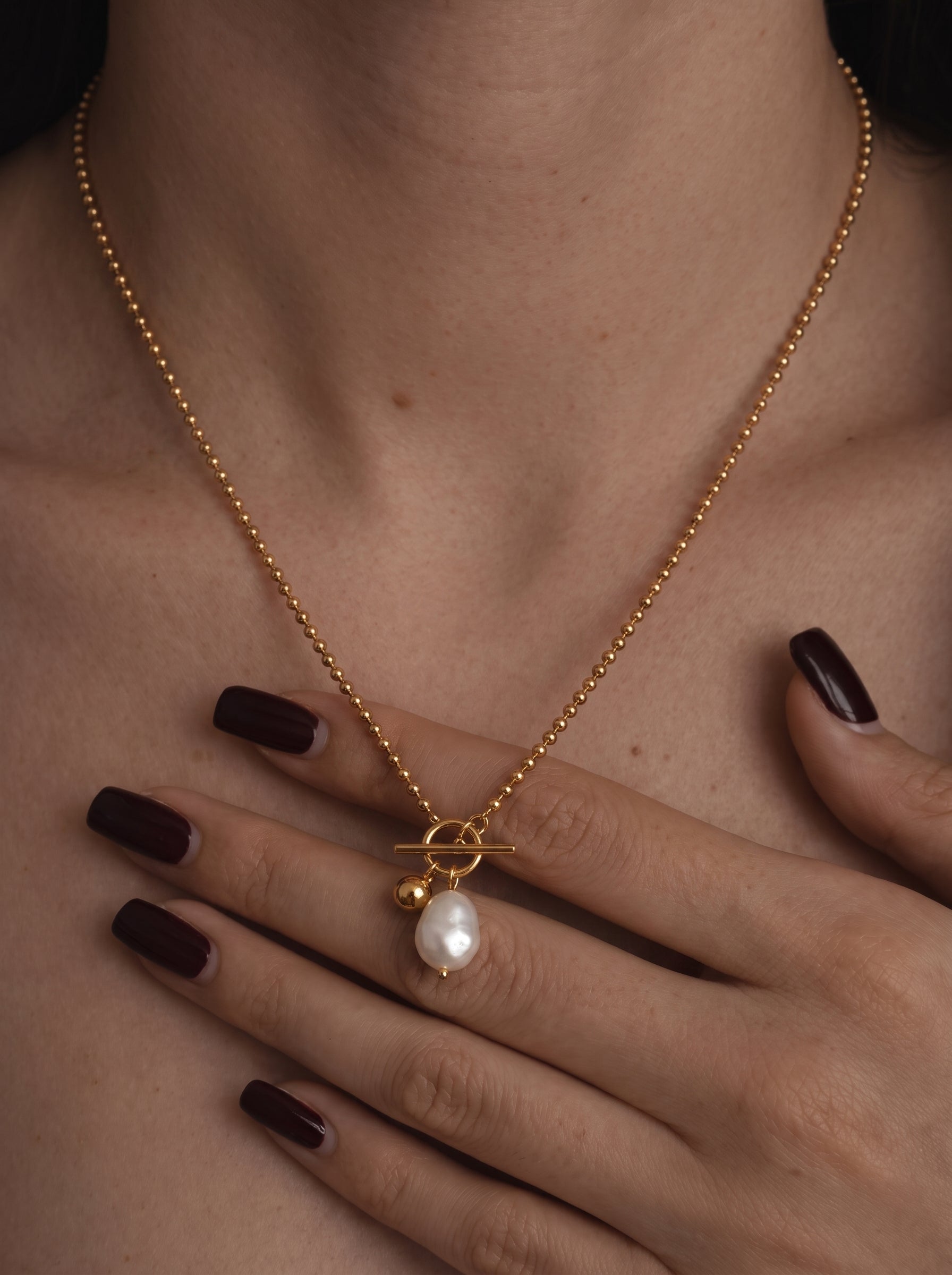
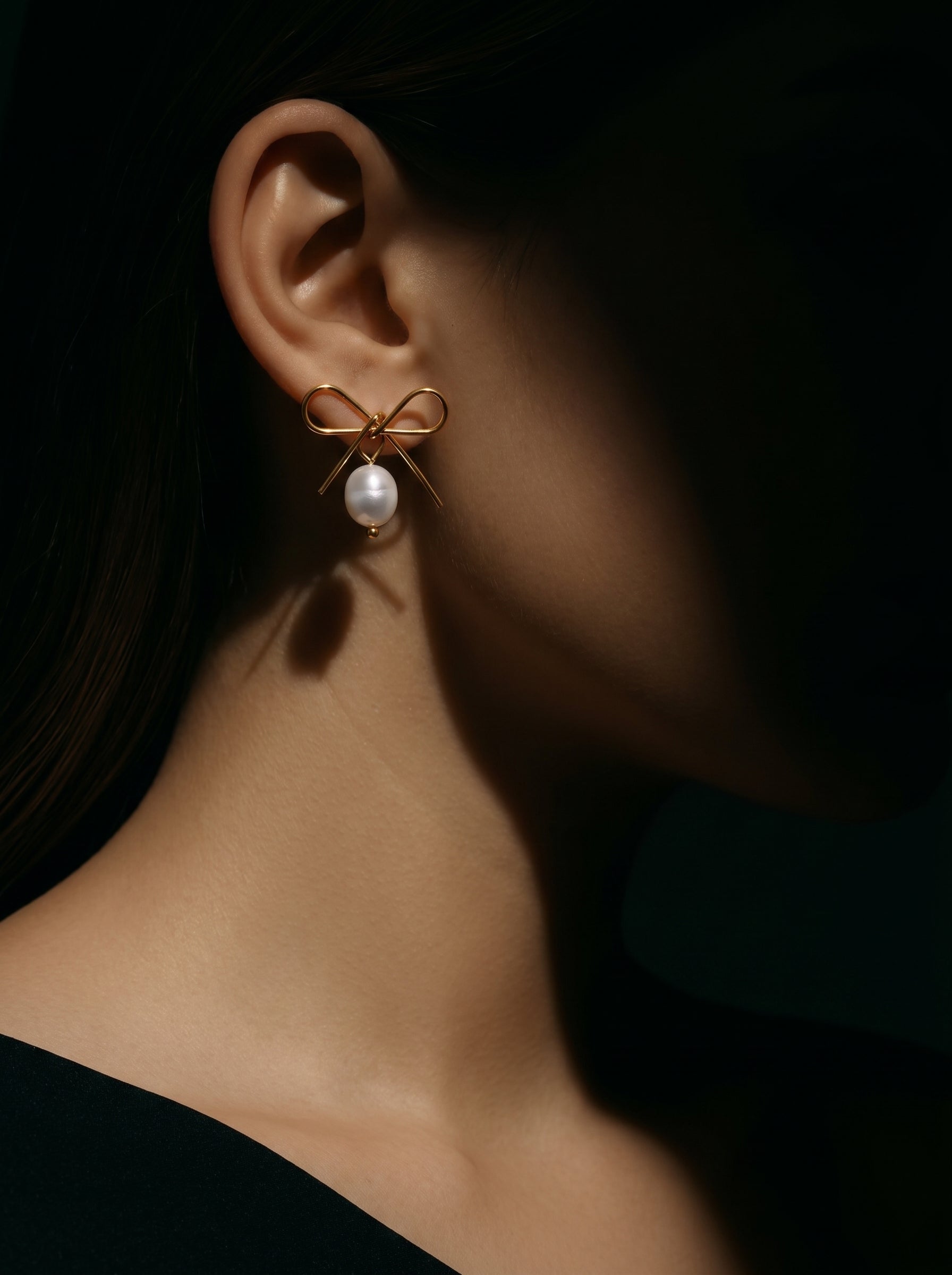
Akoya Pearl Styling: With their classic white body colors, sharp luster, and perfect roundness, Akoya pearls are the epitome of traditional elegance. They are ideal for formal occasions, such as weddings, galas, and professional settings. A classic Akoya pearl necklace, often in sizes 7.0-7.5mm, is a timeless investment piece that exudes sophistication. Delicate Akoya stud earrings or a simple pendant can elevate any outfit with understated grace. For timeless pieces, explore our Akoya Pearl Necklaces.
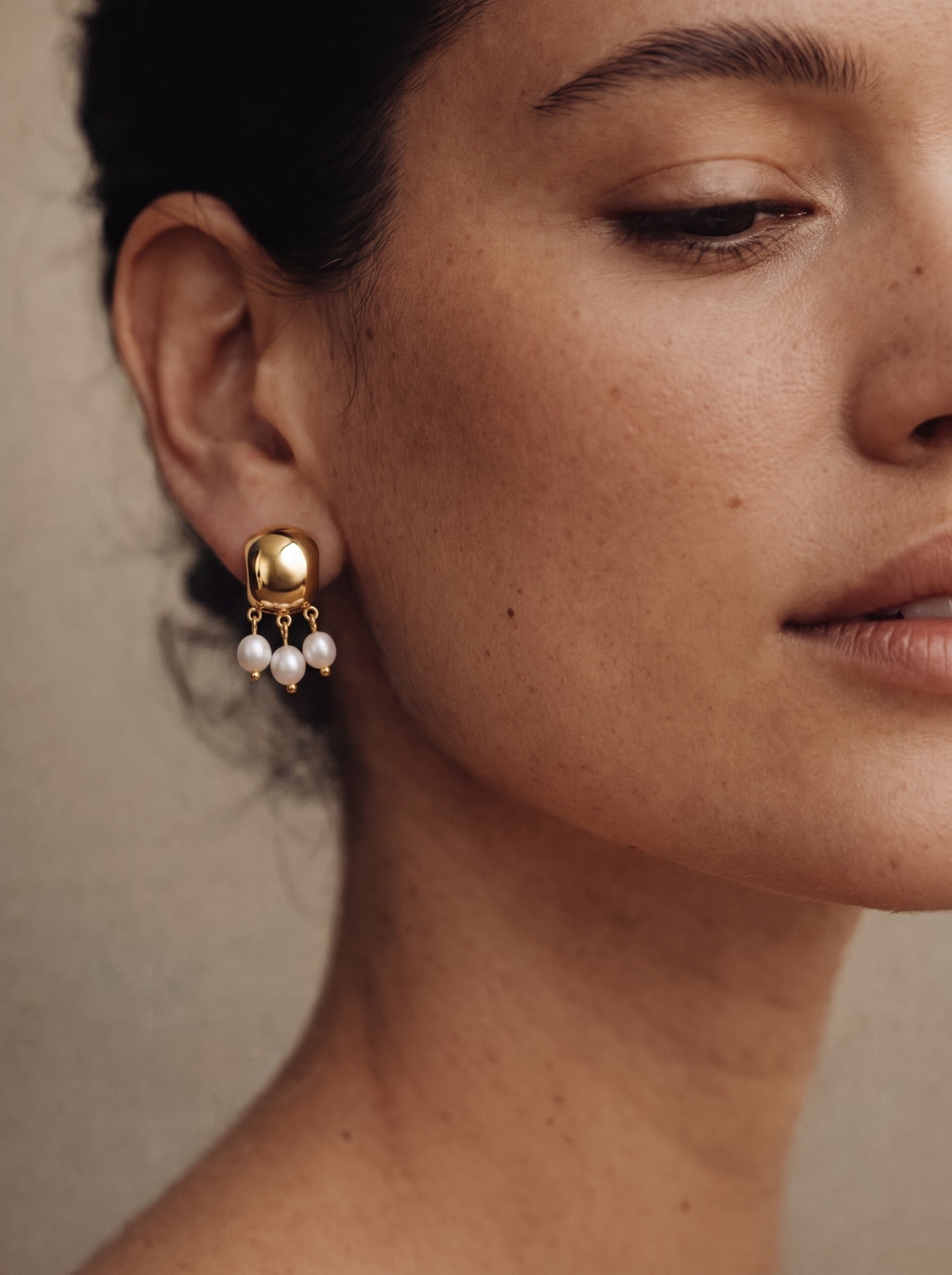
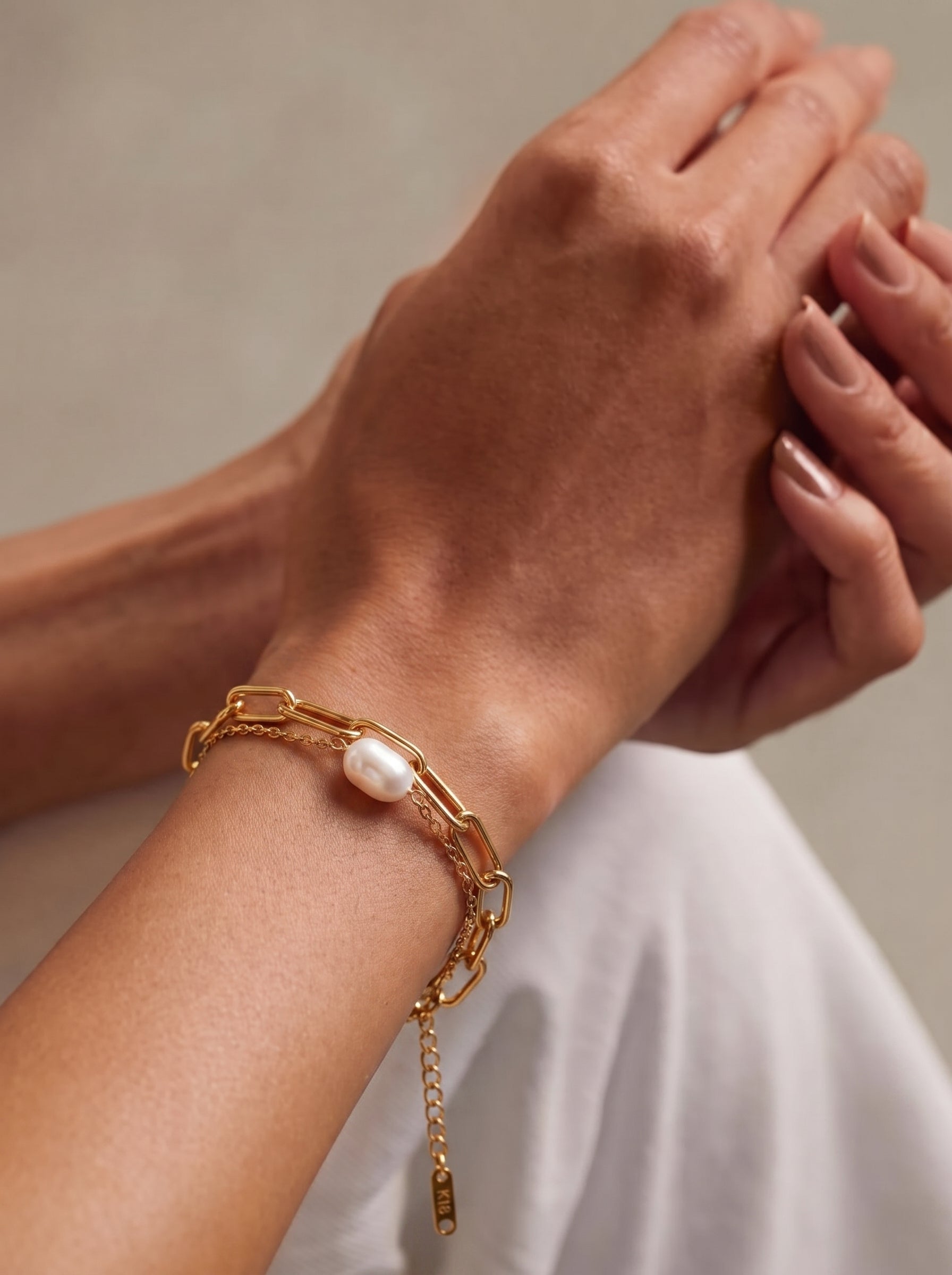
Freshwater Pearl Styling: The diverse shapes, sizes, and natural pastel colors of freshwater pearls make them incredibly versatile for both everyday wear and fashion-forward statements. From lustrous near-round strands perfect for the office to unique baroque shapes that add an artistic touch, freshwater pearls offer endless possibilities. Their durability makes them suitable for layering, creating bold designs, or adding a pop of natural color to casual attire. Discover the versatility in our Freshwater Pearl Earrings.
The Environmental and Ethical Landscape of Cultured Pearls
When considering akoya pearls vs freshwater pearls, it's also worth acknowledging the environmental and ethical aspects of their cultivation. Both saltwater and freshwater pearl farming are generally considered sustainable practices, as they rely on healthy aquatic ecosystems.
Saltwater Pearl Farming (Akoya): Akoya pearl farms typically exist in pristine ocean bays, and the health of the oysters is directly linked to water quality. Responsible farming practices ensure minimal environmental impact and contribute to marine conservation efforts.
Freshwater Pearl Farming: Freshwater pearl cultivation in China has evolved significantly, with modern farms implementing more sustainable methods to manage water resources and mussel health. The high yield per mussel also makes them a highly efficient and resource-friendly option in the cultured vs freshwater pearls debate.
At Grande Lilith, we are committed to sourcing our Akoya and freshwater pearls from reputable farms that adhere to ethical and sustainable practices. We believe in transparency and ensuring that every pearl tells a story of responsible cultivation and exceptional quality, building trust with every customer.
The Verdict: Which Pearl Should You Choose? (Use-Case Guide)
Choose Akoya pearls for formal weddings, milestone galas, and heirloom gifting where razor-sharp mirror luster and spherical perfection are required. Choose freshwater pearls for everyday casual wear, office jewelry, and budget-conscious gifts where solid nacre durability and accessible pricing matter most. The ultimate choice between akoya pearls vs freshwater pearls depends on your priorities, style, and budget.
1. Best for Weddings & Formal Gala Events: Winner — Akoya
When wearing formal eveningwear or a bridal gown under bright event lighting, the pin-sharp mirror reflection of Akoya pearls creates an undeniable luxury statement. Their classic elegance and perfect roundness make them the ideal complement to sophisticated attire, ensuring you shine on your most special occasions.
2. Best for Everyday Casual Wear & Office Jewelry: Winner — Freshwater
For daily wear, work outfits, and active lifestyles, freshwater pearls offer solid nacre resilience that tolerates friction without fear of wearing down nacre layers. Their robust nature, combined with a wide variety of shapes and colors, makes them a practical yet stylish choice for adding a touch of elegance to your daily ensemble. When considering saltwater vs freshwater pearls for everyday use, freshwater pearls offer superior durability.
3. Best Value for a First Pearl Necklace Gift: Winner — AAA Freshwater
At $320 to $450, a AAA-grade 7-7.5mm freshwater strand looks virtually identical to an Akoya strand to an untrained eye, offering extraordinary value for birthdays, graduations, and bridesmaid gifts. This makes freshwater pearls an accessible entry point into the world of fine pearl jewelry without compromising on beauty or quality. The incredible value proposition of freshwater pearls is undeniable when comparing akoya pearls vs freshwater.
4. Best for Unique & Modern Designs: Winner — Freshwater
If you're seeking unique shapes, vibrant natural colors, or larger statement pieces that defy traditional pearl norms, freshwater pearls, particularly baroque and Edison varieties, are your best bet. Their organic forms and diverse palette inspire creative and contemporary jewelry designs.
5. Best for Heirloom Investment: Winner — Akoya (with proper care)
While all pearls are precious, the classic appeal, rarity in larger sizes, and historical significance often position Akoya pearls as prime candidates for heirloom pieces. With diligent care, a high-quality Akoya strand can be passed down through generations, retaining its value and beauty.
Frequently Asked Questions About Akoya vs Freshwater Pearls
What is the difference between Akoya and freshwater pearls?
Akoya pearls are saltwater gems bead-nucleated in oysters, featuring sharp mirror-like reflection and spherical roundness. Freshwater pearls are tissue-nucleated in mussels, featuring solid nacre durability and soft satin luster at lower prices.
Which is more valuable, Akoya or freshwater pearls?
Akoya pearls are significantly more valuable, costing 5x to 6x more than freshwater pearls of equivalent size and grade due to lower harvest yields and high saltwater farming expenses.
Which pearl has better luster?
Akoya pearls have sharper, more reflective luster. Their cold ocean harvesting compresses aragonite crystals into mirror-like reflection sheets, whereas freshwater pearls have a deeper, softer satin glow.
Which lasts longer, Akoya or freshwater?
Freshwater pearls are technically more durable against chipping because they consist of 100% solid nacre. Akoya pearls have a 0.4–0.6mm nacre coating over a bead nucleus; with proper care, both varieties last for generations.
Are all Akoya pearls saltwater pearls?
Yes. Akoya pearls are exclusively cultured in saltwater ocean bays, primarily in Japan and China, using <em>Pinctada fucata martensii</em> oysters.
How do you clean Akoya and freshwater pearls safely?
Wipe both pearl types with a soft, dry microfiber cloth after every wear. Clean with lukewarm water and mild soap when needed. Never use ultrasonic cleaners, steam, or chemical solvents.
Ready to find your perfect pearl? Whether you're drawn to the timeless elegance of Akoya or the versatile beauty of freshwater pearls, our curated collections offer exceptional quality and craftsmanship. Explore our exquisite Akoya Pearl Collections for classic sophistication or browse our vibrant Freshwater Pearl Selections for everyday luxury and unique designs.
Read more
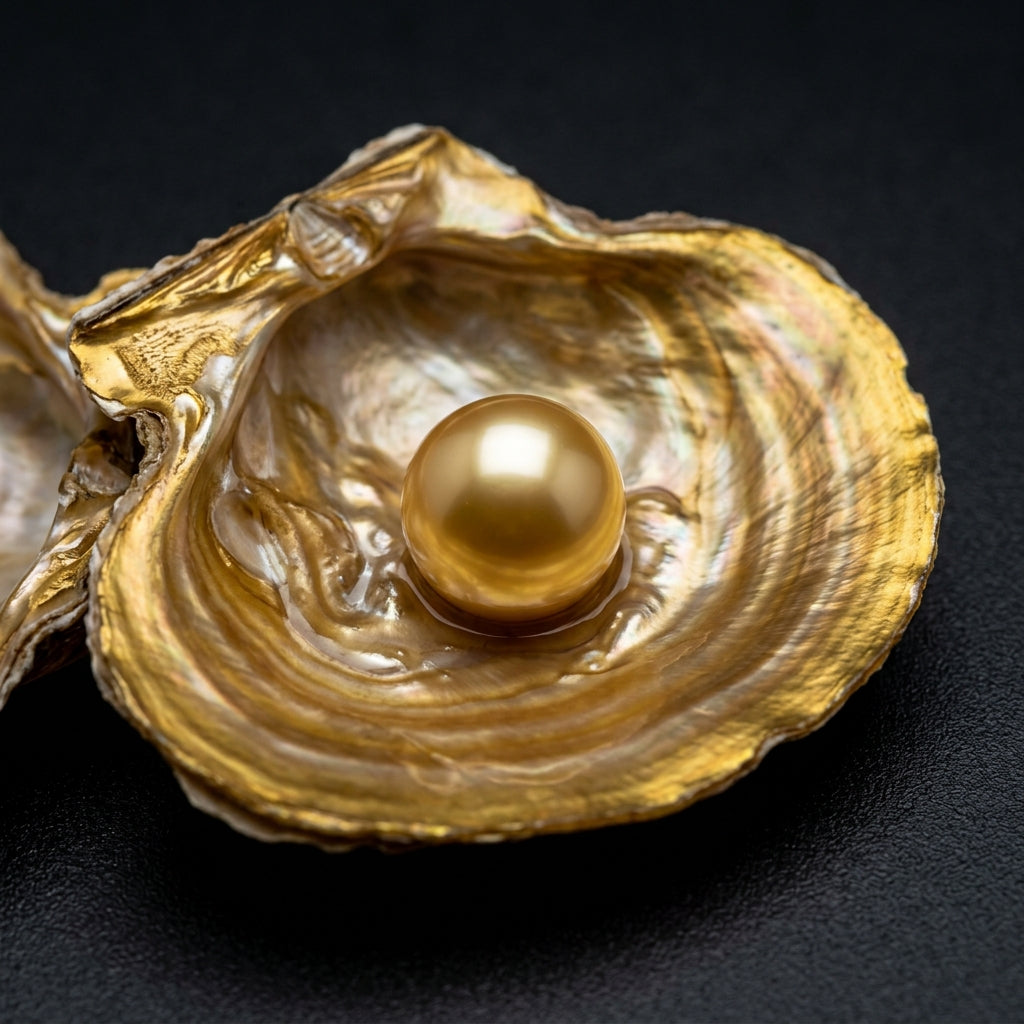
Golden South Sea pearls are the ocean's most regal gem. Explore how Palawan pearl farms produce natural 24K gold nacre, what champagne vs deep gold strands are worth in 2026, and how to spot dyed i...
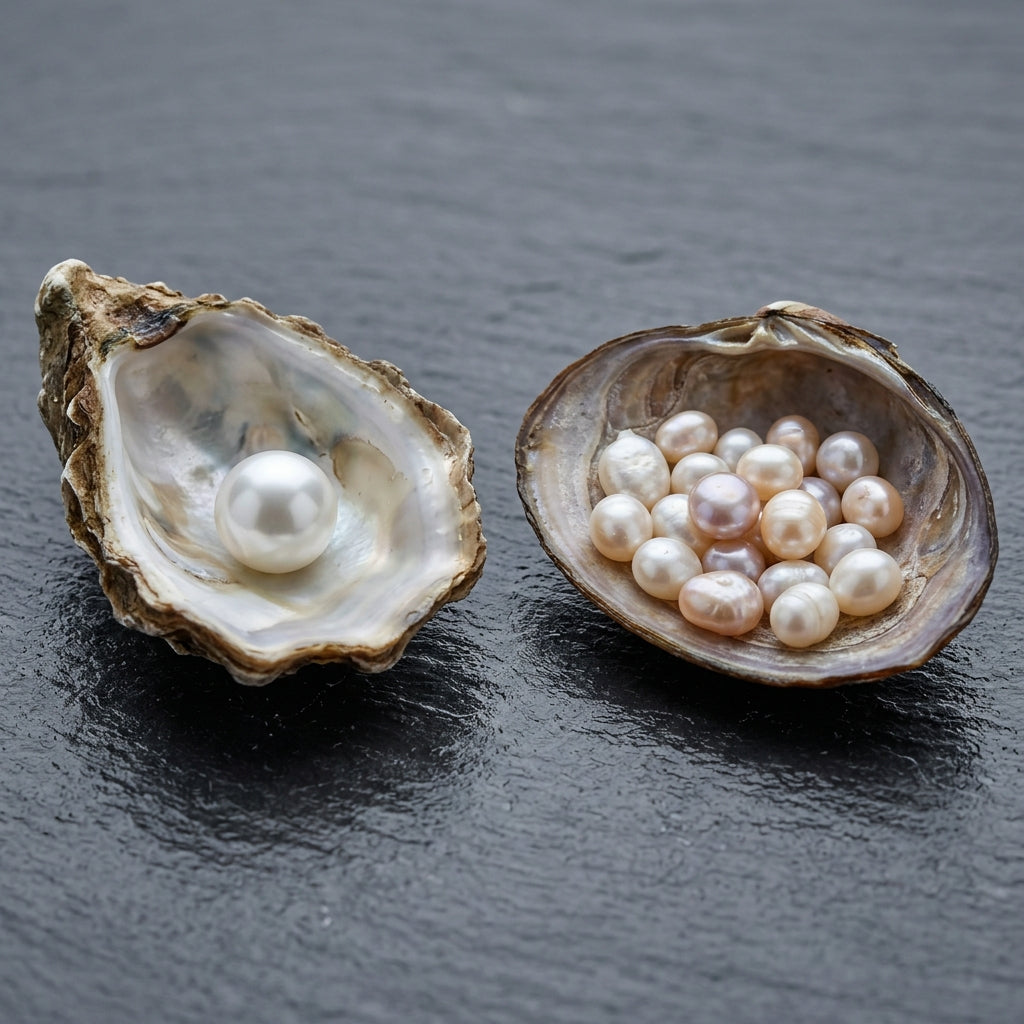
Understand the real differences between saltwater and freshwater pearls. Compare biological origin, nacre density, luster, durability, and true value across 9 key factors in this definitive guide b...
Leave a comment
All comments are moderated before being published.
This site is protected by hCaptcha and the hCaptcha Privacy Policy and Terms of Service apply.