




Freshwater vs. Akoya Pearls: What’s the Real Difference?
In the world of high-end jewelry, the choice between Freshwater and Akoya pearls is often presented as a choice between "entry-level" and "luxury." At Grande Lilith, we reject this binary.
To the woman who commands her own style, the choice isn't about price—it's about intent. One represents organic resilience; the other, engineered perfection. Here is the strategic breakdown of what sets them apart.
1. The Akoya Pearl: The "Mirror" of Command

Originating primarily from Japan, Akoya pearls are the classic choice for the woman who values precision. They are grown in the Pinctada fucata oyster, a saltwater mollusk that typically produces only one or two pearls at a time.
-
The Luster: Akoya pearls are world-renowned for their "metallic" or "mirror-like" luster. When you look into an Akoya, you should see a sharp reflection of your own eyes. It is a bold, decisive shine.
-
The Shape: Because they are bead-nucleated (a round bead is inserted into the oyster), they are almost perfectly spherical.
-
The Vibe: Sharp, architectural, and unapologetic. It is the pearl of the boardroom—the "High-Intelligence" signature.
2. The Freshwater Pearl: The "Architect" of Resilience

Freshwater pearls are grown in mussels in lakes and rivers. Historically, they were seen as inferior, but modern cultivation techniques have changed the narrative entirely.
-
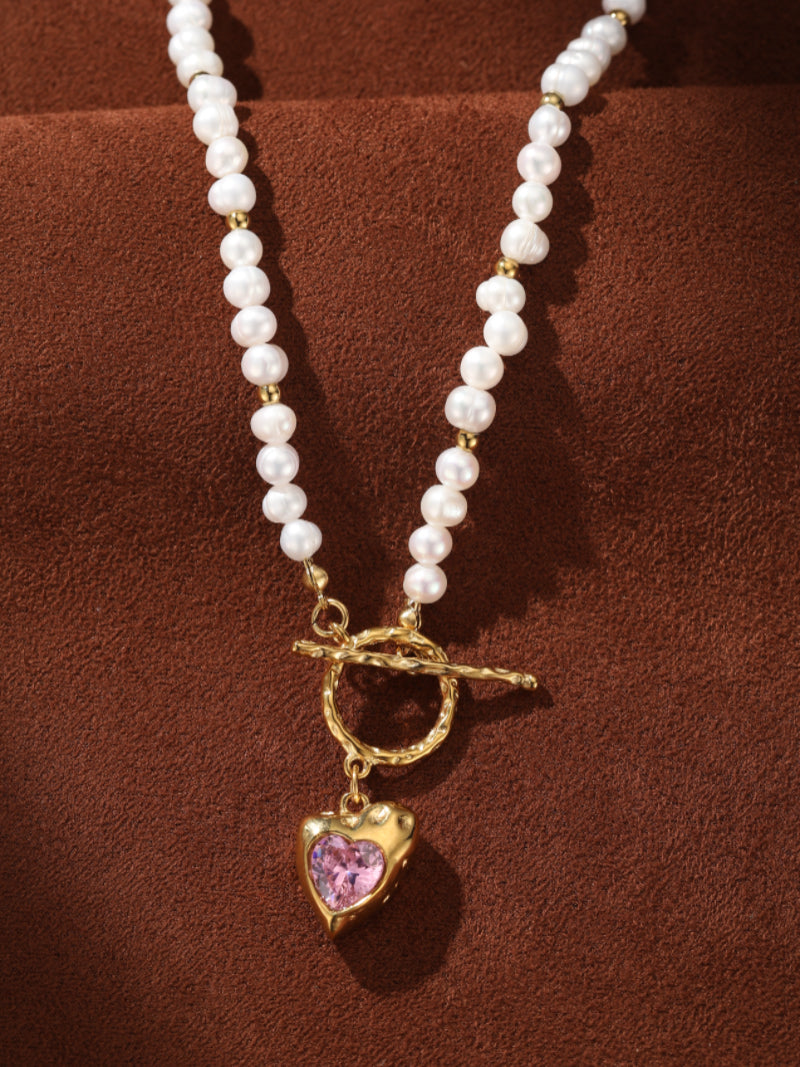
The Composition: Unlike Akoya, most Freshwater pearls are 100% solid nacre. There is no bead inside. This means they are incredibly durable. They don't peel or wear down easily. They are built to last a lifetime.
-
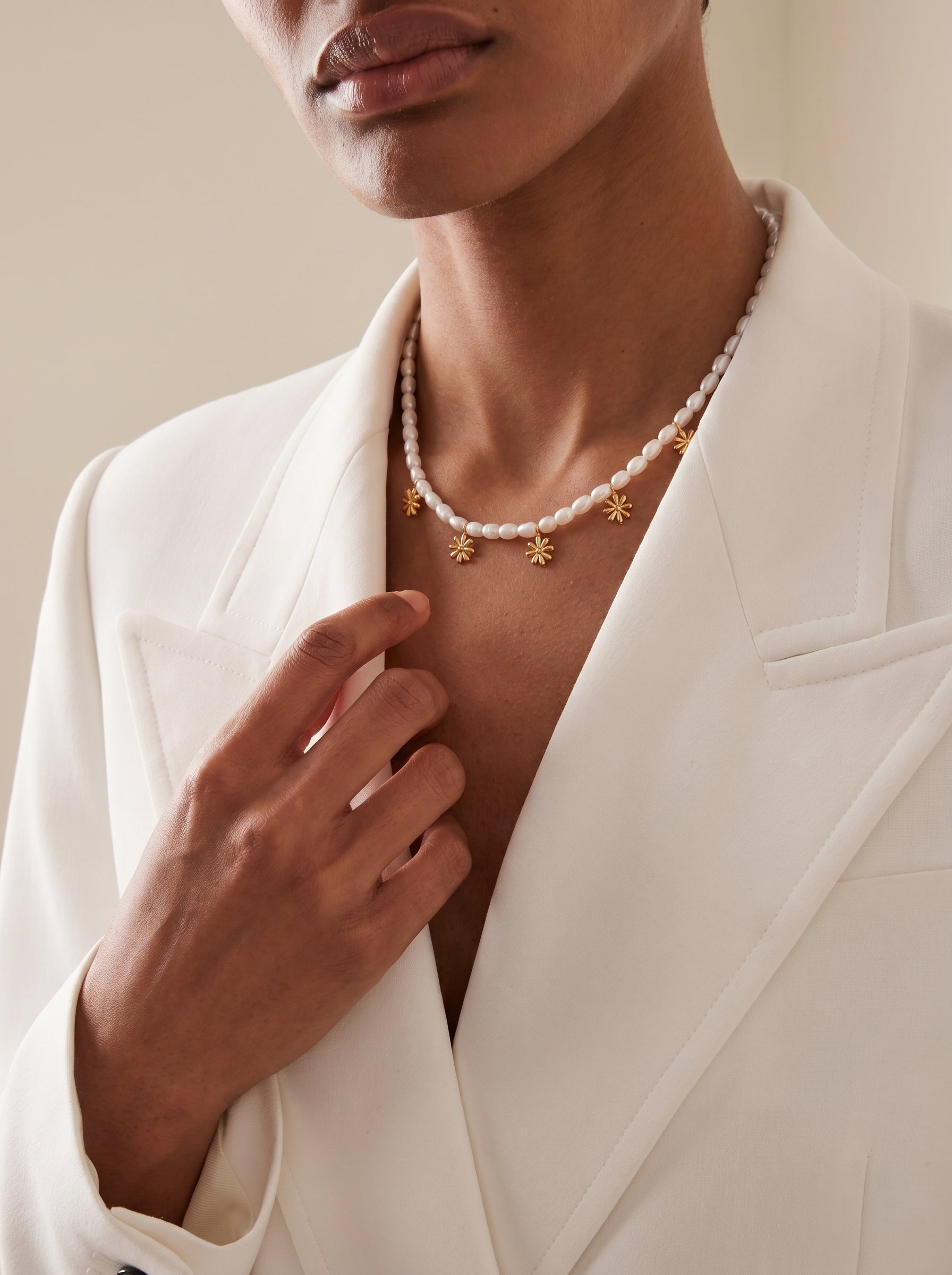
The Luster: Their glow is "satin-like"—softer, deeper, and more diffused than the Akoya. It glows from within rather than reflecting from the surface.
-
The Vibe: Authentic, organic, and versatile. At Grande Lilith, we often use high-grade Freshwater pearls because their "imperfect" character reflects a woman who has survived her own journey and emerged stronger.
The Strategic Comparison
Feature |
Akoya (Saltwater) |
Freshwater |
|---|---|---|
Luster |
Sharp, Metallic, Mirror-like |
Soft, Satiny, Deep |
Durability |
Delicate (Thin nacre) |
Extremely Durable (Solid nacre) |
Shape |
Consistently Round |
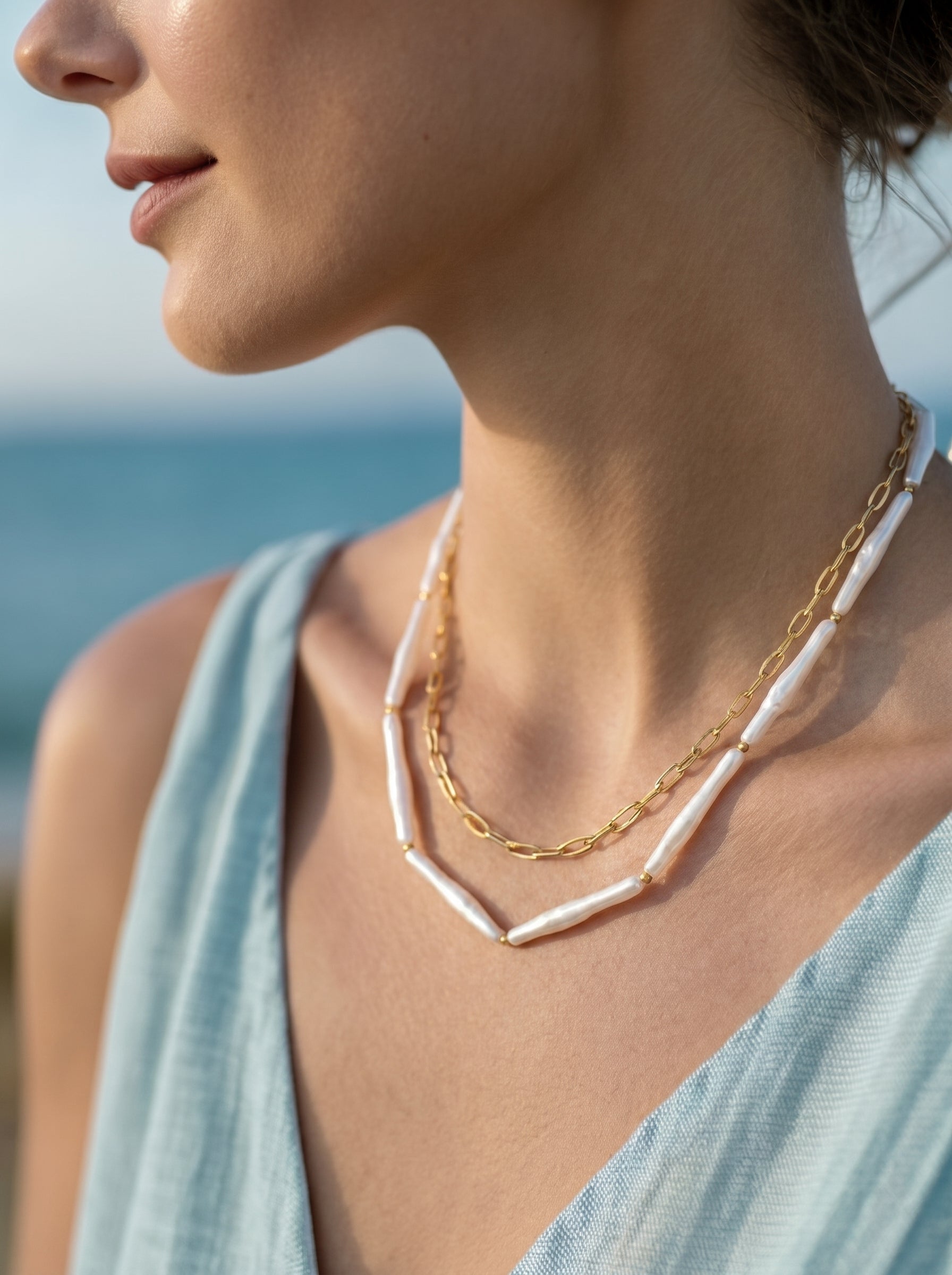
Round to Baroque (Organic) |
Price Point |
Premium/Investment |
Accessible Luxury |
Core Message |
"I have arrived." |
"I am the architect of my life." |
FAQ: Navigating Your Investment
Which one is better for daily wear?
If you are looking for a piece to wear every single day—from the gym to the office— Freshwater pearls are technically superior due to their solid nacre composition. They are less sensitive to skin acidity and perspiration than the bead-nucleated Akoya.
Why is Akoya so much more expensive?
Scarcity and time. Saltwater oysters take longer to produce fewer pearls, and the mortality rate of the oysters is higher. You are paying for the rarity of that specific "mirror" luster that only salt water can produce.
Do Freshwater pearls look "cheap"?
Only if they are low grade. At Grande Lilith, we source S-Grade Freshwater pearls that rival the luster of Akoya but maintain the soul of an organic gem. In the world of "Quiet Luxury," the depth of the glow is more important than the origin of the water.
Can people tell the difference from a distance?
A trained eye can spot the difference in the quality of the light reflection. Akoya "pops" with a white-hot brilliance, while Freshwater "glows" with a warm, creamy depth. Choose based on the energy you want to project.
Read more
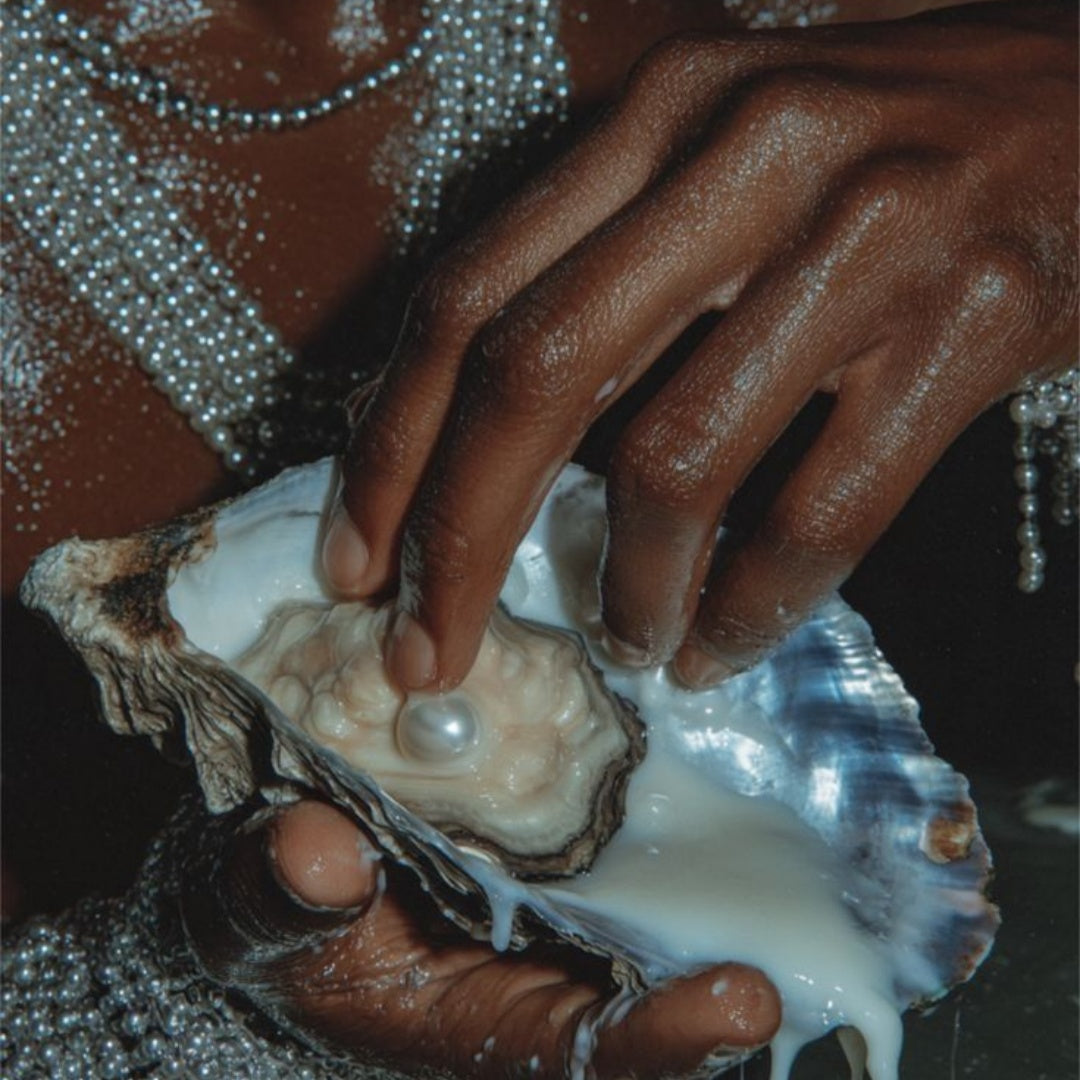
Are your pearls a symbol of compliance or command? Explore the Lilith mythology and how Grande Lilith is reclaiming the pearl as the ultimate tool of feminine empowerment.

Most high-end jewelry acts as a "Golden Cage"—a symbol of status that demands compliance through perfect symmetry and predictable design. This article challenges the modern woman to move from Decor...
Leave a comment
All comments are moderated before being published.
This site is protected by hCaptcha and the hCaptcha Privacy Policy and Terms of Service apply.